
Have you ever felt something strange while standing in front of a supermarket shelf?
I’ve often felt that the timing of rising sugar prices and news reports about fluctuating oil prices keep overlapping. At first, I thought it was just my imagination.
Sugar is an agricultural product, while crude oil is an energy resource; I didn’t see how the two could be related. However, after reading a report that international raw sugar futures had surpassed 18 cents per pound—a 16-month high—I realized that the coincidence wasn’t just a coincidence.
Following the reports, the cast of characters involved was unexpected.
India’s export policies, droughts in Thailand, and above all, Middle Eastern geopolitics and oil prices. I never imagined so much geopolitics could be tangled up behind a single spoonful of white sugar in a snack bag. And at the center of it all was an unexpected country: Brazil. I had always remembered it on the commodity map for coffee or iron ore, but this time, it showed an entirely different face.
*
*Why sugar prices follow oil news
Although raw sugar and crude oil are traded in different markets, they compete for the same raw material right outside the warehouses of one country.
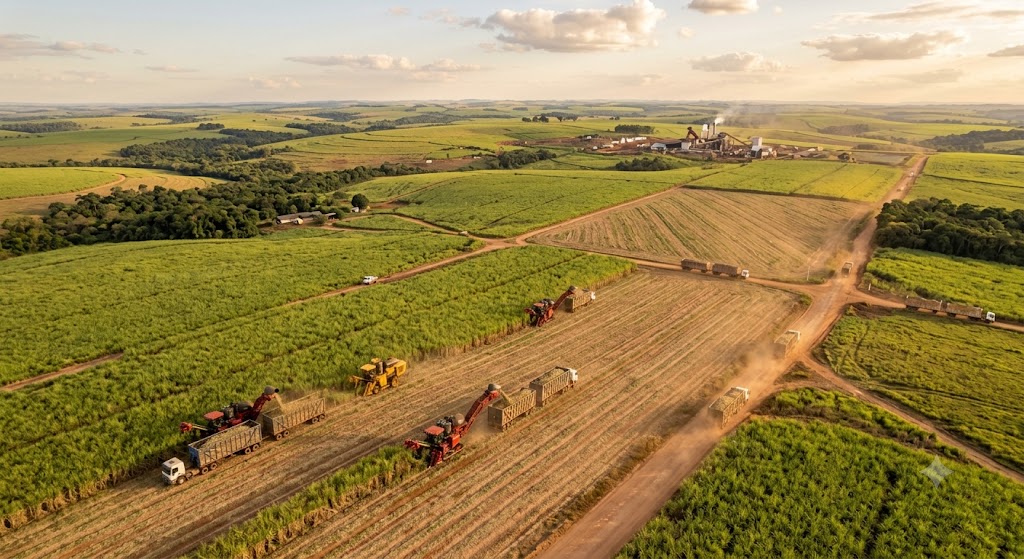
That country is Brazil, the world’s largest sugar exporter.
Brazil accounts for about 45% of the world’s traded sugar, and its sugar mills face the same question every harvest season: Should this squeezed sugarcane juice be refined into sugar, or fermented into ethanol fuel?
Oil prices dictate the answer.
When international oil prices are low, sugar is more profitable; when oil prices rise, the profitability of ethanol outpaces sugar. The mills then shift their sugarcane allocation without hesitation. As oil prices recently climbed toward $100 per barrel, the Brazilian government began reviewing a plan to increase the maximum ethanol blend ratio for flex-fuel vehicles from 30% to 35%. If this happens, that much more sugarcane will flow into fermentation tanks rather than sugar refining lines. This effectively reduces the amount of sugar released into the global market.
This switching structure felt unfamiliar because I had always thought of commodities as independent products moving only within their own markets—oil in the oil market, and sugar in the sugar market.
However, in the yards of Brazilian mills, these two markets meet on the same scale every morning. When oil prices move by $1, the vibration instantly becomes a signal to change the direction of the sugarcane crushers. This is precisely why financial analysts look at sugar and oil side-by-side when writing commodity reports.
Brazilian Ethanol: The Switch Hidden in Sugarcane Fields
This switching structure didn’t just appear out of nowhere.
It dates back to the 1970s, to the national ethanol program called Proálcool, created by the Brazilian government.
At the time, Brazil’s high dependence on oil imports left its economy vulnerable to two oil crises. To overcome this, the country chose to convert its abundant sugarcane into automotive fuel. As a result, Brazil now has over 300 combined sugar and ethanol mills, and most vehicles on the road are flex-fuel cars that can run on a blend of gasoline and ethanol, or even 100% ethanol.
Since 2016, the addition of the RenovaBio program, aimed at reducing greenhouse gases, has provided environmental policy incentives for ethanol production as well.
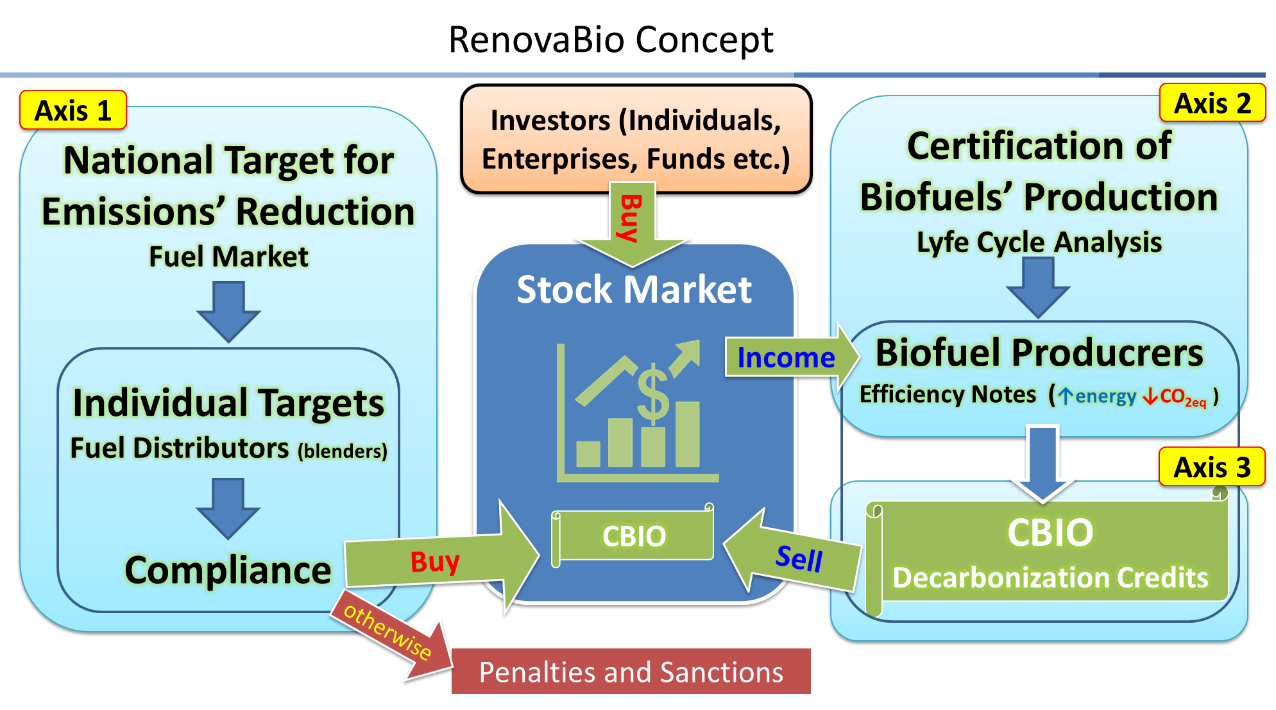
Thanks to operating this structure for nearly half a century, Brazil’s sugarcane fields have become one of the few truly ‘flexible energy resources’ in the world. They act as a massive switch that pivots to a fuel plant overnight when oil prices jump, or back to a sugar plant when prices settle. The problem is that this switch doesn’t just affect Brazil.
Global sugar supply fluctuates depending on what percentage of sugarcane is diverted one way or the other, and the aftermath immediately hits the cost of chocolate, beverages, and confectionery. It is a structure where the ripples of the energy market become waves in food prices.
This is compounded by conditions in other regions. India, the world’s second-largest sugar producer, has recently toyed with export restrictions, while Thailand, the third-largest, saw sugarcane harvests drop due to extreme heat and drought. The Brazilian switch alone is complex enough, but with supply variables from other regions added on, raw sugar prices are under pressure from multiple directions simultaneously.
Similar types of switches exist for other commodities besides sugar.
Malaysia and Indonesia, the world’s largest palm oil producers, also decide whether to sell palm oil as cooking oil or divert it for biodiesel production based on domestic policy. If oil prices rise, palm oil is absorbed into the fuel sector using the same logic as sugar.
In other words, there are more commodities in today’s global market than one might think that ’leave the dining table for the fuel tank when oil prices rise,’ and sugar is simply the most visible and representative example.
Why the Strait of Hormuz shakes sugar prices
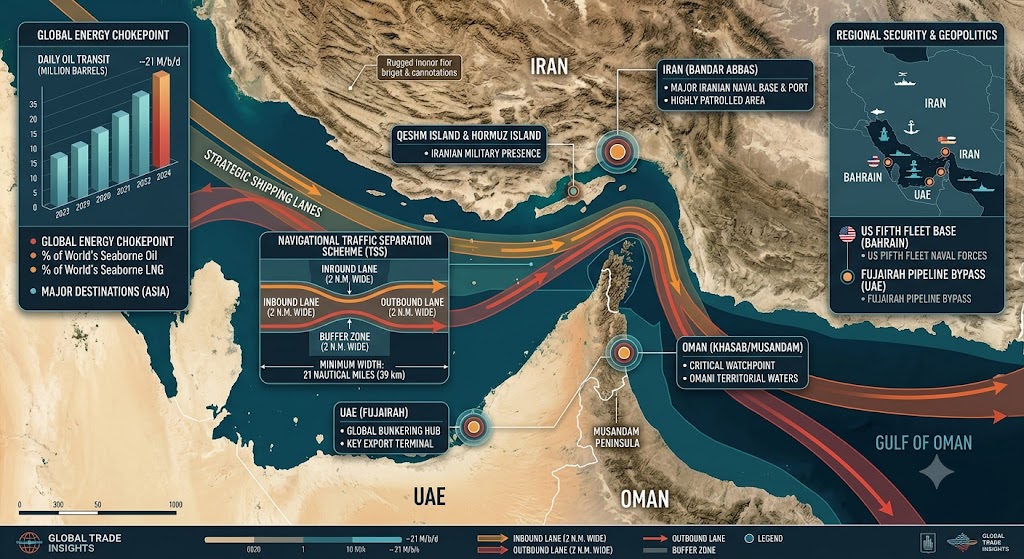
One more geopolitical variable is added to this: the Strait of Hormuz.
As the recent Middle East conflict intensified, Brent crude futures surged past $100 per barrel, and the International Sugar Organization (ISO) revised its global sugar supply-demand forecast for the 2026/27 season from a 1.1 million-ton surplus to a 200,000-ton deficit. This deficit forecast reflects not only the El Niño-induced poor harvests in India and Thailand but also the fact that Brazilian mills, stimulated by rising oil prices, are diverting more sugarcane toward biofuels.
There is one thing that must be made clear here.
Brazil’s raw sugar exports pass through the Port of Santos on the Atlantic side, so they do not actually pass through the Strait of Hormuz. In other words, sugar prices react to news of the strait’s closure or reopening not because ships are stuck in that narrow waterway, but because that news shakes oil prices, and those oil prices in turn shake the sugar-to-ethanol allocation ratio in Brazil. The reason Gulf oil-producing nations spend billions of dollars on pipelines and Red Sea port construction to bypass Hormuz is that it is the sole bottleneck controlling about one-fifth of global oil circulation. Every time that bottleneck is threatened, the calculations in sugarcane fields on the other side of the planet change as well. In fact, based on pre-Iran war levels, 15 million barrels of Gulf oil passed through this strait daily, meaning the size of the bottleneck is directly proportional to the impact.
The fact that the cost of a chocolate bar can fluctuate simply because a single oil shipping route is blocked or opened forces us to rethink the narrow view that limits energy security to issues of oil, gas, and power grids.
It means that even if a ship is not physically delayed, the mere news that oil prices are rising can move agricultural commodity prices on the other side of the globe.
The fact that a narrow waterway in the Middle East and vast sugarcane fields in South America are connected by a single number—‘oil price’—is the most thought-provoking part of this story.
$100 oil and the rise in sugar prices: A look at the numbers
Arguments based only on perception lack persuasive power, so let’s look at the figures.
According to the UN Food and Agriculture Organization (FAO), the sugar price index rose 7.2% month-over-month to 92.4 points, the highest increase among the five commodity groups surveyed.
During the same period, the price index for vegetable oils, such as palm and sunflower oil, also rose by 5.1%, driven by forecasts of expanded biofuel demand due to rising oil prices.
At the heart of why sugar and cooking oil topped the list of increases was the ‘pressure to shift to biofuels.’
Interestingly, the grain price index remained relatively calm. Wheat prices jumped 4.3% due to drought in the US and reduced planting forecasts in Australia, but corn prices rose less than 1% due to favorable supply conditions.
This means the epicenter of this price hike was not grains in general, but rather commodity groups directly linked to oil prices—namely sugar and cooking oil.
The fact that the shock from the energy market did not hit the entire food market but specifically targeted only those items that can be ‘converted into fuel’ makes this structure even clearer.
Brazil’s domestic situation also contributed to this trend. When Brazilian truckers staged a massive strike in 2018, the logistics of moving sugarcane from field to mill, and from mill to port, halted within days, leading to fuel shortages and empty store shelves.
Sugarcane is a crop where sugar content drops if not processed within 36 hours of harvest, so the impact of a trucking strike is immediate.
Brazil’s new harvest season begins on April 1st each year, with most of the volume processed in the first three months. If a spike in oil prices and logistics risks coincide during this period, the sugar supply shock is magnified.
Production forecasts support this anxiety. BMI, a Fitch Solutions company, projected that global sugar production for the 2026/27 harvest season would decrease by 2.3% year-over-year, noting that a significant portion of that decline stems from an 8.7% drop in Brazilian production.
Conversely, Czarnikow projected a slight increase in global production for the 2025/26 season, potentially reaching the second-highest level in history. The very fact that forecasts diverge while looking at the same market shows just how exposed current raw sugar prices are to multiple variables simultaneously.
US Corn also faced the same energy security dilemma
This isn’t just a story about Brazil.
In 2005, the US enacted the Renewable Fuel Standard (RFS) to mandate the blending of bioethanol into gasoline. The goal was similar to Brazil’s: reduce dependence on Middle Eastern oil and create a shield using domestic fuel during an era of high oil prices. The raw material was corn instead of sugarcane. As a result, the US now consumes 15 billion gallons of bioethanol annually, and since the policy was implemented, corn acreage in the US increased by 8% for a period.
The problem came afterward.
As the amount of corn diverted to fuel increased, feed prices and food costs rose together. The Food and Agricultural Policy Research Institute (FAPRI) at the University of Missouri analyzed that this mandate caused US corn exports to drop by 13% between 2011 and 2016. Of course, the industry argues that the criticism of ’taking food for fuel’ is exaggerated because distillers grains, a byproduct of ethanol production, are reused as animal feed. Regardless of which side is right, the fact that this debate has been going on for nearly 20 years is the point.
Choosing to divert food crops to fuel for energy security leaves the same kind of trade-off, whether it’s Brazilian sugarcane or American corn.
The difference between the two countries is this:
US corn ethanol policy is a mandatory blend ratio set by law, so it does not fluctuate significantly even if oil prices rise or fall. Since there is a floor set by the government, a constant volume is steadily diverted to fuel regardless of market conditions.
In contrast, Brazil’s sugarcane allocation is a flexible switch that moves according to market logic for each mill. Therefore, the speed at which oil price fluctuations are reflected in sugar supply is much faster in Brazil. This is the reason why international raw sugar prices are particularly sensitive to oil news. It is because the country that accounts for nearly half of global sugar exports has a structure that reacts to oil prices in real-time.
The definition of energy security is expanding
When we think of energy security, we usually think of oil reserves, gas pipelines, or rare metals for semiconductors.
However, the Brazilian case shows that a single food crop can effectively serve as a ‘hidden strategic petroleum reserve’ at the national level. The method of defending domestic fuel supply by shifting the sugarcane crushing ratio toward fuel when oil prices spike is a unique energy buffer mechanism created by a country that doesn’t produce a single drop of crude oil.
Looking back, this idea itself is a legacy of the 1970s oil shock. At that time, Brazil designed a way to run cars without importing oil on a national level, and half a century later, that design has returned as a variable that shakes global sugar prices.
The most thought-provoking part of this story is that a system planted by one country to protect its own energy security has, over time, become a variable that affects the food security of other countries. When the policy was designed, no one could have foreseen the supermarket shelves in Asia half a century later, but that is what happened.
However, there is a cost to this buffer mechanism.
That cost is passed on to other countries that import sugar, and to consumers around the world who buy food containing sugar. Indeed, the concern that attempts to increase bioethanol production using grains could exacerbate food crises in underdeveloped countries has long been a concern raised by academia.
Since one country’s choice to protect its energy security shakes the stability of food prices in other countries, energy security and food security can no longer be treated as separate issues.
The image below summarizes which way this scale tips according to oil prices.
It shows how Brazilian sugar mills reallocate sugarcane crushing volume between sugar and ethanol depending on the level of oil prices.
References
- Trading Economics - Economic Indicators (Sugar)
- Sugar Futures Price Decline
- Sugar Futures Near 1.5-Year High
- Iran War is Making the World a Little 'Less' Sweet
- “Ethanol Over Sugar”: Oil Price Surge from Middle East War Raises Food Prices
- Gulf Oil Producers Go All-Out to Secure Routes Bypassing Hormuz
- Raw Sugar Futures Hit 16-Month High Amid Supply Concerns
- Brazilian Sugarcane Ethanol