
Look at the keyboard on your desk, the soles of your sneakers, or the cap of the water bottle you just drank from. If you take a look around your room, you’ll find that it’s actually harder to find items that aren’t derived from oil. Yet, we tend to remember oil merely as ‘fuel for our cars.’

It is rarely discussed that for the past 150 years, this black, viscous liquid has drawn borders, propped up monetary systems, and toppled dynasties. This article retraces the flow of those 150 years.
From the moment a businessman built an empire by controlling pipelines rather than oil fields, to the present day, as that empire fades and a new war over cobalt and semiconductors begins.
Why did Rockefeller target pipelines instead of oil fields?
John D. Rockefeller’s method for building his oil empire wasn’t to buy up oil wells, but to seize control of the flow.
He wasn’t interested in the act of extracting oil. Instead, he realized that whoever controlled the ‘veins’—the refining, transporting, and selling—held all the power.
In 1872, Rockefeller’s Standard Oil secretly partnered with railroad companies to secure transport costs far cheaper than those of his competitors.
Unable to withstand the price gap, other refiners had no choice but to sell their companies or go out of business. In just six weeks, during what was called the ‘Cleveland Massacre,’ 22 out of 26 competitors were absorbed by Standard Oil. Among the small-scale refiners who closed their doors in the aftermath was the father of a 14-year-old girl named Ida Tarbell.
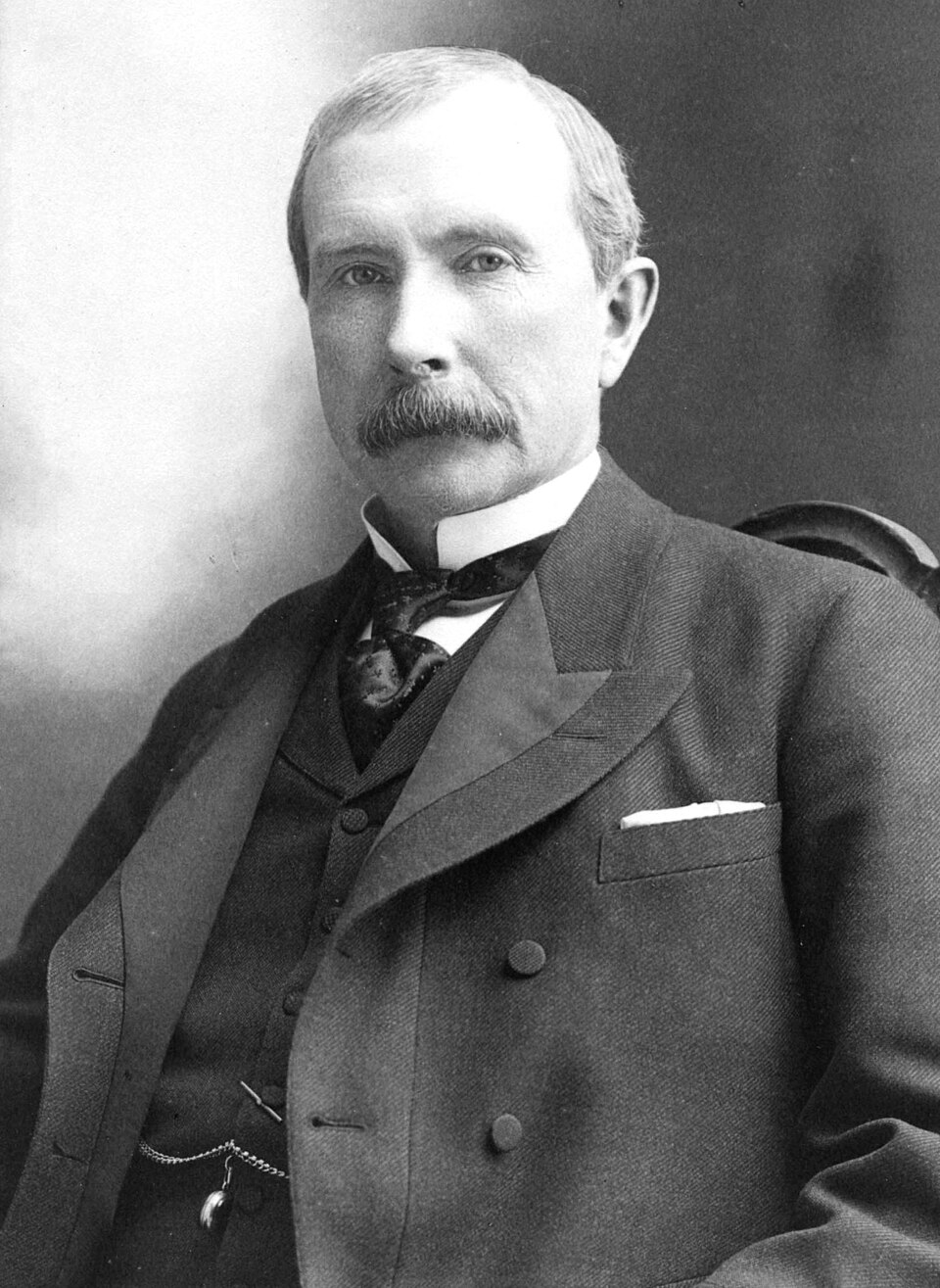
Years later, that girl became America’s greatest investigative journalist. From 1902, Tarbell spent two years exposing the inner workings of Standard Oil in a 19-part series for McClure’s Magazine, a series that shook American society.

In 1911, the Supreme Court ordered the forced breakup of Standard Oil into 34 separate companies. Today’s ExxonMobil and Chevron are the remnants that survived by changing their names.
How did the Red Line Agreement shape Middle Eastern borders?
The answer to the Red Line Agreement lies on a single map.
In 1928, oil companies from Britain, France, and the U.S. drew a red line around territories of the former Ottoman Empire and declared, “No one may develop oil alone within this area without the consent of us all.”
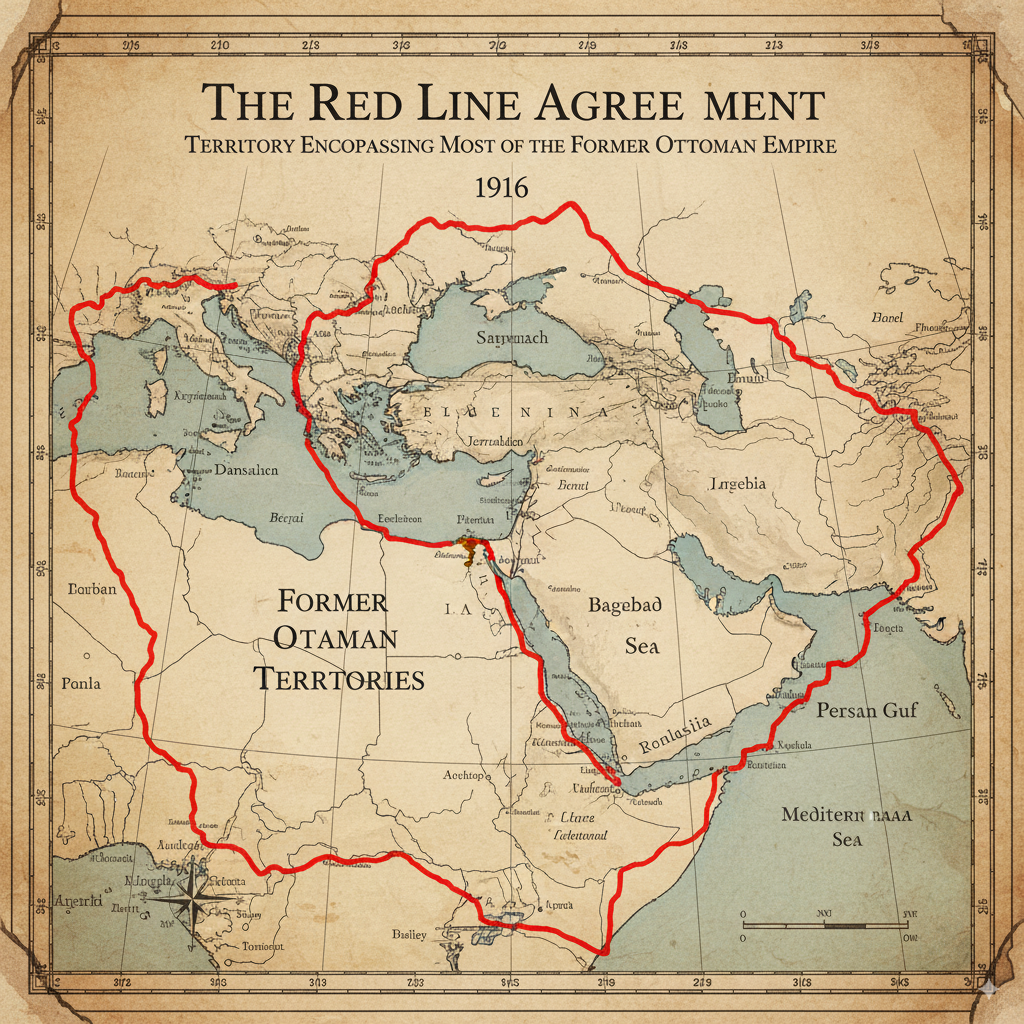
The man who brokered this deal was an Armenian businessman named Calouste Gulbenkian. Though he belonged to no single nation, he understood the interests of every major power, earning himself the nickname ‘Mr. Five Percent’ by taking a 5% cut of the oil profits from the region.
The problem is that this red line was drawn regardless of ethnicity or religion. Many of the border conflicts in the Middle East that persist to this day were conceived at this negotiating table.
The perception of oil as a strategic asset solidified slightly earlier.
It happened when Winston Churchill, then First Lord of the Admiralty, took a gamble just before World War I by switching the fleet’s fuel from coal to oil.
Britain entered the war with the weakness of not having a single drop of domestic oil, and after the war, a remark by then-Foreign Secretary Lord Curzon became widely quoted: “The Allied cause had floated to victory upon a wave of oil.” In World War II, the side that secured more oil won. Oil had become a resource that determined the fate of nations.
Was the petrodollar really born from a secret agreement to ‘only use the dollar’?
Contrary to what many popular books claim, the actual document signed by the U.S. and Saudi Arabia in 1974 does not contain a clause stating ‘oil must only be settled in dollars.’ Saudi Arabia continued to settle in pounds for some time after this document.
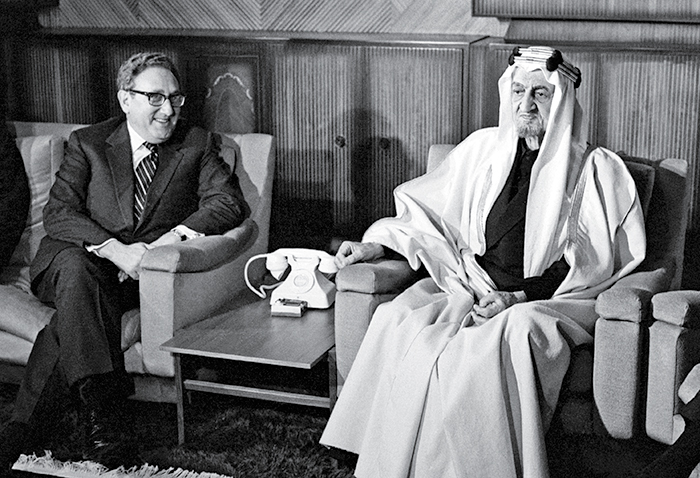
The background is as follows. After the ‘Nixon Shock’ on August 15, 1971, when President Nixon severed the link between the dollar and gold, confidence in the dollar wavered.
When oil prices quadrupled following the 1973 oil shock, oil-producing nations held massive amounts of dollars, and the U.S. needed a way to pull that money back into the American economy. That led to the ‘U.S.-Saudi Joint Commission on Economic Cooperation’ agreement signed on June 8, 1974.
Separate from this agreement, which did not address currency issues, a secret pact was negotiated by Secretary of State Henry Kissinger’s team later that year, promising military support in exchange for investing Saudi oil money into U.S. Treasury bonds. This deal was only revealed in 2016 when Bloomberg requested information from the U.S. National Archives. The entire Organization of the Petroleum Exporting Countries (OPEC) never signed such a clause.
In other words, rather than a forced clause saying ‘only use dollars,’ it was more of a structure where security and bond purchases were traded, gradually solidifying the dollar-oil link. The reason the ‘Kissinger’s backroom deal’ narrative has been reproduced for nearly half a century is different: it is much easier to understand a dramatic deal made by one person’s decision than a structure built by scattered negotiations without an official treaty. The desire to compress complex processes into a single scene has essentially created a treaty that never existed.
Regardless of the clause’s existence, the result was clear. Oil money from producing nations flowed into the U.S. Treasury market, and the dollar was effectively tied to oil rather than gold. How this structure has propped up American hegemony and why that axis is currently wavering was discussed in more detail in the section on the Triffin Dilemma.
Why did the oil shock topple the Pahlavi dynasty?
The oil shock of 1973, in which Arab oil-producing nations pressured the West using oil as a weapon, quadrupled oil prices, and this shock brought the global economy to a standstill. Iran was one of the countries that suddenly held vast amounts of oil money overnight.
At the time, the Shah of Iran was a key U.S. ally. He used the overflowing petrodollars to buy the latest weaponry, styling himself as the ‘Policeman of the Middle East,’ while the capital, Tehran, transformed into a city of luxury and decadence.
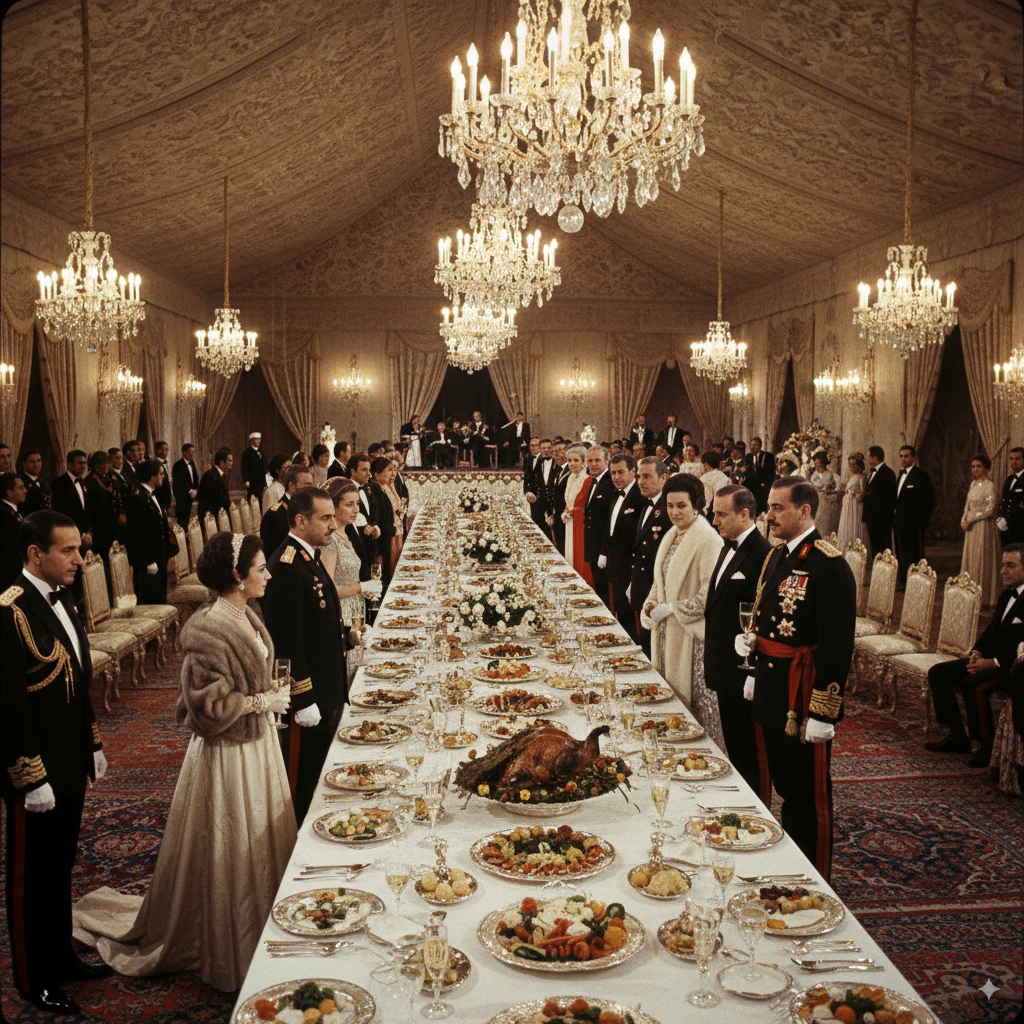
However, behind the flashy consumption, the anger of the people and the backlash from religious leaders were building up. The oil money had increased cracks in society rather than integrating it.
Ultimately, the Pahlavi dynasty fell in the 1979 Islamic Revolution, and with the seizure of the U.S. Embassy in Tehran, the U.S. lost a key ally in the Middle East. The wealth created by oil had turned back into a weapon that shook the throne in an instant.
How did the shale revolution and climate warnings shake the oil era?
In the 21st century, variables that shook the foundation of oil hegemony emerged from both the ground and the sky.
The variable from the ground was a stubborn oilman named George Mitchell. Despite being mocked as a ‘madman,’ he spent hundreds of millions of dollars over nearly 20 years to extract oil and gas from sedimentary rock (shale) layers that everyone else had given up on, eventually succeeding in commercializing hydraulic fracturing.
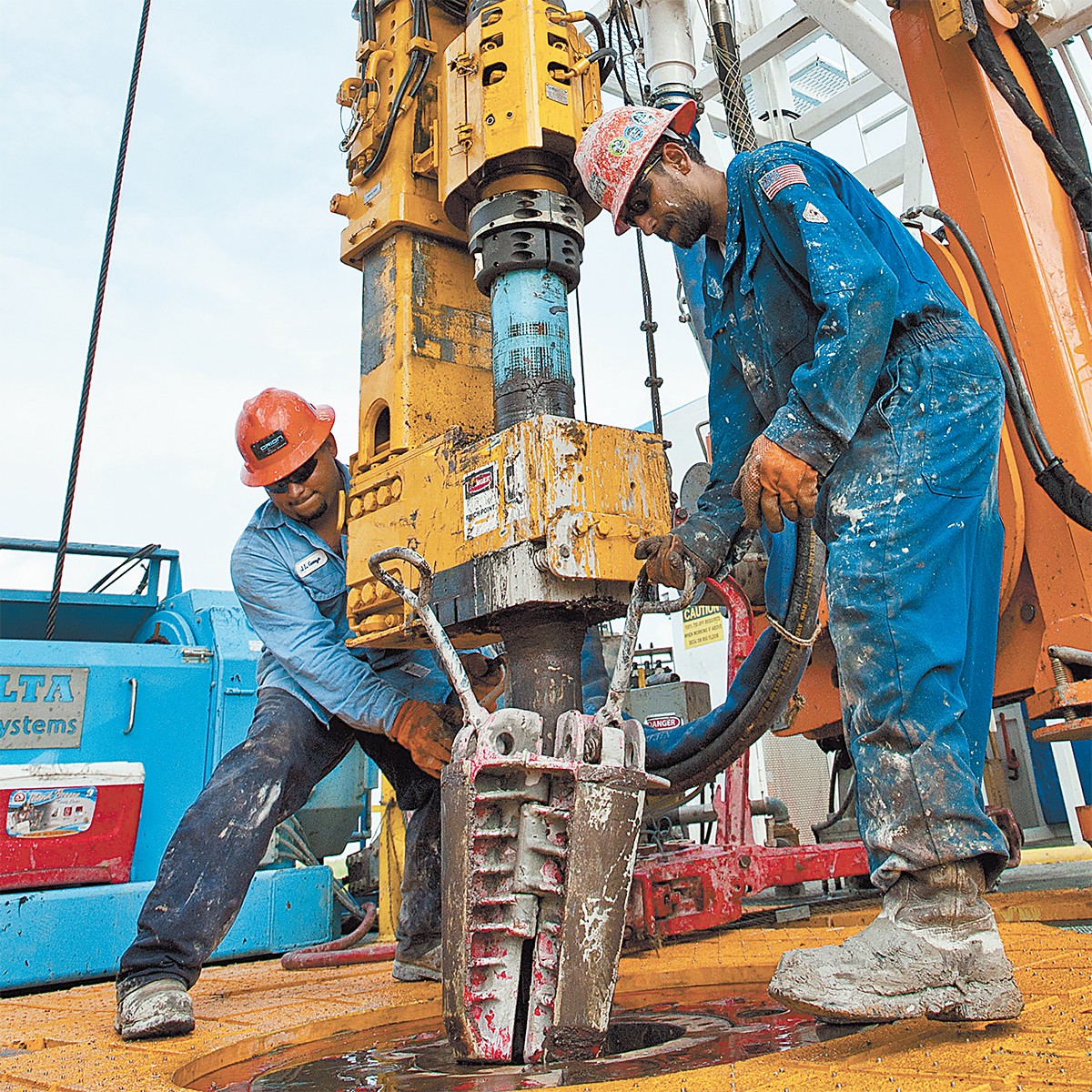
Thanks to this ‘shale revolution,’ the U.S. surpassed Saudi Arabia and Russia to become the world’s largest oil producer, and as its dependence on Middle Eastern oil decreased, it began to slowly step back from its role as the ‘world’s policeman.’
The variable from the sky was more fundamental. In 1988, NASA scientist James Hansen declared to a U.S. congressional hearing, “Global warming has begun.” This warning, ignored for decades, led to the realities of droughts, floods, and melting glaciers.

The 2015 Paris Agreement was the turning point where humanity officially agreed to ‘de-oil’ for the first time.
As electric vehicles and renewable energy began to rapidly replace oil, the oil era faced its most fundamental threat at its most glorious moment.
Beyond oil, where is the new resource war being fought?
As the axis of oil wavered, a vacuum was created in the entire order that stood upon it.
In the industry, the threshold of a civilization running without oil, known as the ‘Zero Barrel’ era, has become a realistic topic for the first time.
Saudi Crown Prince Mohammed bin Salman is preparing for this post-oil era, while Russia and China are attempting to settle oil payments in yuan, aiming at the heart of the petrodollar system.
U.S. strategic interest is also shifting from the Middle East to the Indo-Pacific to contain China. That does not mean geopolitical tensions over energy have disappeared. The structure where a significant portion of global seaborne crude oil trade depends on the Strait of Hormuz remains unchanged. Even the U.S., which has become the world’s No. 1 oil producer due to the shale revolution, faces the paradox of being unable to freely use its own oil due to domestic transport regulations.
The battlefield itself is also shifting. If 20th-century wars were fought over Middle Eastern oil fields, the battlefields of the 21st century are the lithium triangle in South America, the TSMC factories in Taiwan that produce 90% of the world’s most advanced semiconductors, and the deep-sea data cables that connect the global internet. It is a fight to conquer the invisible territory of ’technical standards’ instead of occupying land with tanks.
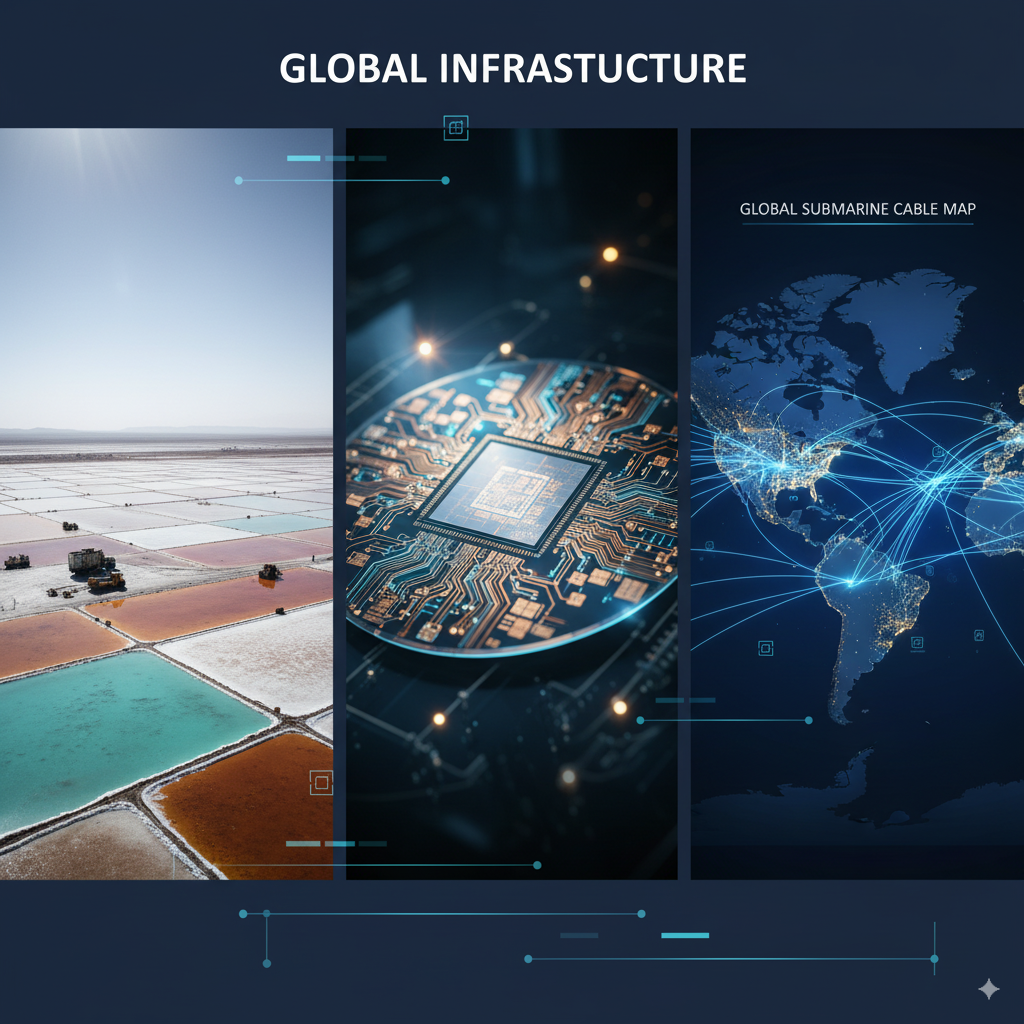
Behind it all, the material that supplies the physical ‘blood’ is the critical mineral known as ‘white oil.’ This is especially true of cobalt, which is essential for electric vehicle batteries. The Democratic Republic of the Congo accounts for 70% of global cobalt mining, with recent estimates placing it even higher, between 72 and 84%.
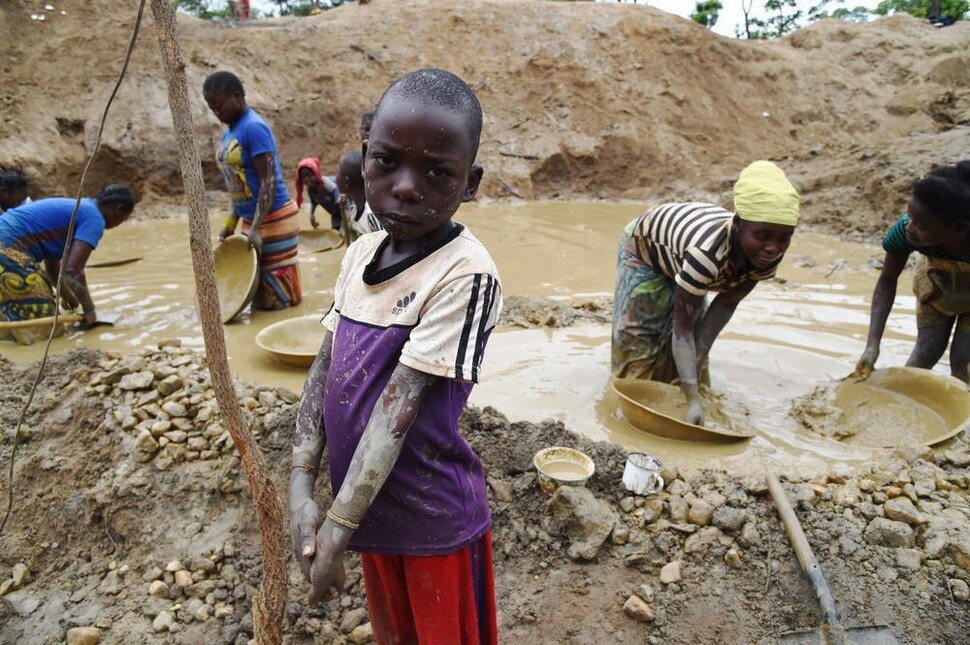
While engineers in California design batteries, children in the Congo dig cobalt by hand in dirt pits to earn a dollar a day. When it moves beyond mining to the refining stage, the picture changes again. According to a 2025 report by the Cobalt Institute, China holds about 79% of the cobalt refining market.
| Section | Country/Company | Market Share (as of 2025) |
|---|---|---|
| Mining | Democratic Republic of the Congo | Approx. 72~84% |
| Refining | China | Approx. 79% |
Table: The dominance of mining and refining in the global cobalt supply chain lies in different countries
The fact that the countries that extract and the countries that process are divided is the reason why the U.S. and the West have belatedly jumped in to call for a ‘supply chain reorganization.’ Whoever holds the brain of ’technical standards’ and the heart of ‘critical minerals’ will determine the direction of the next hegemony.
Oil, at the end of the black myth
The end of the oil era is not a quiet retirement. A war to take over the old throne is already underway beneath cobalt mines, semiconductor factories, and undersea cables. The flow that began 150 years ago when Rockefeller seized control of the pipelines is now leading to the question of who will hold the ‘flow’ of batteries and chips.
The final chapter of the black myth of oil has not yet been written. It’s just that this time, the stage and the characters have changed.
References
- [Cobalt Institute, Cobalt Market Report 2025](https://www.cobaltinstitute.org/cobalt-market-report-2025/)
- [NPR, How the petrodollar regime came to be, and what losing it would mean for the U.S.](https://www.npr.org/2026/05/06/nx-s1-5800887/how-the-petrodollar-regime-came-to-be-and-what-losing-it-would-mean-for-the-u-s)
- U.S. Supreme Court, Standard Oil Co. of New Jersey v. United States (1911)
- "The History of the Standard Oil Company" (McClure's Magazine, 1902–1904 series)