
The Magic at Your Doorstep and the Bill
Did you find a delivery box gently placed at your front door this morning? Perhaps it has become a familiar sight, like a small ritual we perform every day. The various boxes lined up in the apartment hallway resemble little monuments showcasing the abundance of modern cities.
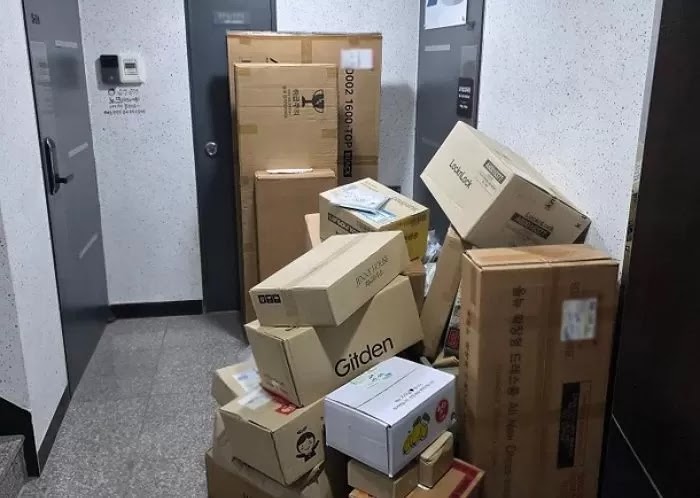
Last night, before falling asleep, I ordered a salad and milk for my child with just a few taps on my phone, and the evidence of this magical convenience, ‘dawn delivery,’ has completely transformed our dining tables and lifestyles over the past decade.
Amazing statistics prove this change. The market, which was only 10 billion won in 2015, is projected to grow to a staggering 12 trillion won by 2023. This number signifies not just market growth, but also the liberation of the long-standing act of ‘grocery shopping’ from the constraints of time and space.
However, today I want to take a closer look at the ‘bill’ hidden behind this kind magical box. Beyond the product prices, there are costs written in invisible ink. This bill records the trillions of won invested in an entrepreneur’s dream, the sleep and health of delivery drivers racing through the city while everyone else is asleep, and the environmental debt left by countless packaging materials used to maintain freshness.
So, shall we turn to the first page of this enormous bill together?
Chapter 1: The ‘Morning Star’ Launched by a Working Mom’s Dream
All great beginnings often start from a small yet urgent ‘inconvenience’ rather than grand slogans. The dawn delivery in South Korea also began with the concerns of a working mom who returned to Korea in 2014.

Kim Seul-ah, a glamorous financial expert, found it a battle to prepare fresh dinners while taking care of her child after work. ‘Why can’t I receive good products at the morning time I want?’ This small question was the seed that changed the landscape of the distribution market, leading to the birth of ‘Market Kurly.’
In 2015, ‘Morning Star Delivery,’ promising delivery by 7 AM for orders placed by 11 PM, was introduced. This was not just fast delivery; it was a shift in thinking that transformed the early morning hours into the ‘golden time’ for logistics while everyone else was asleep.
However, the true strength of Market Kurly lay not in speed but in its ‘meticulous stubbornness.’ The ‘Product Committee,’ composed of experts, selected products based on a single criterion: ‘Can I and my family use this?’ This stubbornness led to a direct purchasing structure that eliminated complex distribution stages, allowing them to source products directly from producers, resulting in an astonishing reduction of the waste rate of fresh products to less than 1%.
Of course, maintaining freshness with a ‘cold chain’ logistics system was a challenging path. However, CEO Kim Seul-ah boldly invested in building their own logistics centers and delivery subsidiaries, directly confronting this difficult road. Thus, the ‘Morning Star’ that began from a working mom’s small inconvenience became a massive lighthouse illuminating the darkness of South Korea’s distribution market.
Chapter 2: The Giants Enter the Fray and Diverging Fates
The era of peace for Market Kurly was not long. In 2018, the e-commerce giant Coupang entered the market under the name ‘Rocket Fresh.’
Coupang’s strategy was simple yet powerful. While Market Kurly competed on ‘premium quality,’ Coupang aimed to dominate the market with overwhelming ‘capital’ and ‘scale.’ They had tens of thousands of products ready based on a logistics network already spread across the country and offered free delivery even for a single bag of bean sprouts.

With Coupang’s emergence, traditional giants Shinsegae (SSG.com) and Lotte (Lotte On) also joined the fray, turning the competition into a chicken game of ‘who can deliver cheaper, faster, and more.’ The market exploded in growth, but behind it lay horrific bloodshed. Dawn delivery was prone to a ‘reverse margin’ structure, where the more they sold, the more they lost due to logistics and labor costs.
Ultimately, Lotte On, GS Fresh Mall, and others, overwhelmed by capital, surrendered one after another, leaving only the three giants: Coupang, Market Kurly, and SSG.com.
Winners and Survivors: Diverging Fortunes
- Winner, Coupang: With the massive funds secured from its 2021 listing on the US stock market, Coupang silenced its competitors and finally proved who the ultimate victor of the war was by achieving annual profitability in 2023.
- Survivor, Kurly: Although it opened the market, Kurly took on massive losses in the process of scaling up to compete with giants. Faced with the cold question from the market, ‘So when will you make money?’ it ultimately had to withdraw its IPO plans. The icon of revolution now faced the daunting task of ‘how to survive.’
Chapter 3: Ghosts Racing Through the Dawn, The Cost of Speed
During the hours we sleep, there are those racing through the veins of the city: the dawn delivery drivers. Our convenience is built upon their invisible labor.
Surprisingly, many drivers fill 2-3 hours before starting deliveries with ‘free labor,’ sorting and loading items that are not included in their pay—what is termed ‘shadow labor.’ The grueling work intensity of 10 hours a day, 60 hours a week, exposes them to the risks of night work, which the World Health Organization has classified as a ‘carcinogen.’ According to a study, their rates of sleep disorders and depression are more than three times that of regular workers.
Moreover, the ‘algorithmic pressure’ that can lead to contract termination for even a 0.5% delay in delivery time constantly whips them. They cannot afford to rest even when sick and are pushed into dangerous situations. The boxes we receive at dawn may contain someone’s sleep, health, and sometimes even their life.
Chapter 4: The Unrefined Survivor, The Heretic of Profit
While everyone says ‘dawn delivery = deficit,’ there exists a peculiar entity that has recorded profits for 13 consecutive years, mocking this formula. That is ‘Oasis Market.’
Oasis’s success secret was different.
- Smart Omni-channel: The leftover stock from online orders processed overnight is sold the next morning at over 60 offline stores. This has resulted in an astonishing waste rate of just 0.2%.
- Software Innovation: Instead of investing in automation robots worth billions, they optimized worker movement with their self-developed logistics system, ‘Oasis Route.’ They maximized efficiency without massive investments through smart software.
Oasis’s story raises questions for us. Was the bloody competition the only path? The story of this unrefined yet resilient survivor resonates more deeply.
Chapter 5: The Dragon at the City Gates, A Completely Different Storm Approaches
As domestic companies were finally catching their breath after a long war in 2024, a gigantic dragon appeared at the city gates: ‘AliExpress’ and ‘Temu,’ the Chinese C-commerce.
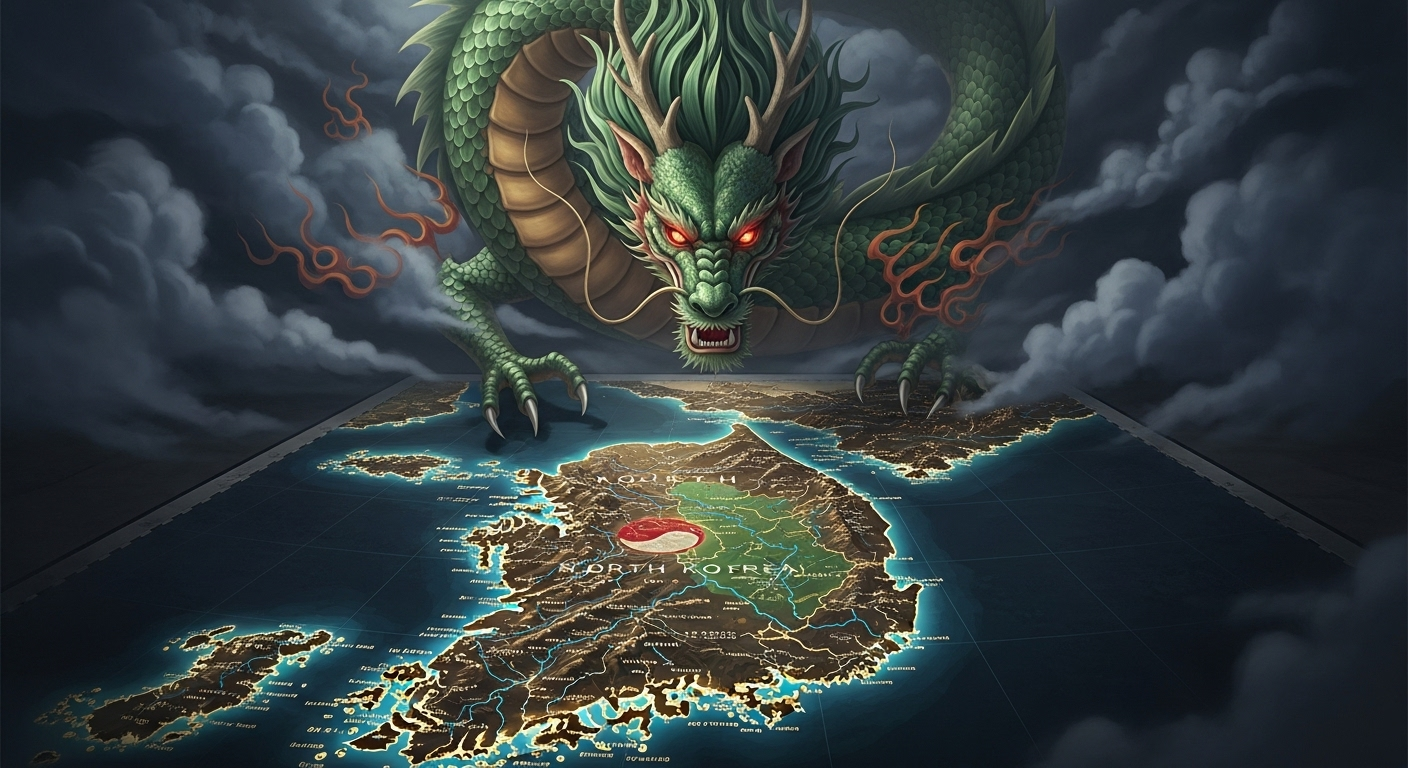
Armed with ‘ultra-low prices’ and ‘free shipping,’ they are rapidly encroaching on the Korean market. Now their sharp blades are aimed at our ‘dining tables.’ Ali has started selling fresh produce in Korea and announced plans to invest 1.5 trillion won over the next three years to build a massive logistics center.
What if this massive capital begins ‘ultra-low price dawn delivery’? It could become a disaster that shakes the distribution ecosystem we have built over the past decade to its roots. This issue transcends competition among companies and poses a threat to our producers and jobs, raising the question of ‘industrial sovereignty.’
The Final Signature on the Receipt is Ours
Looking again at the box at the door, it contains the dreams of an entrepreneur, the wars of giants, the fatigue of delivery drivers, the foresight of a company, and even the shadow of a giant dragon—all encapsulating the desires and zeitgeist of our society over the past decade.
Dawn delivery has undoubtedly enriched our lives. However, we are now entering the second chapter of this revolution. We are faced with a new test against the massive waves from outside.
Ultimately, signing the last page of this bill as wise consumers and responsible citizens is our collective responsibility. How about recalling the stories beyond the box every time we open it? Choosing and supporting companies that use more sustainable packaging, treat workers fairly, and coexist with our producers.
The new dawn will begin with those small choices.