
What Does Your Basket Vote For?
Every time we go to the store, we cast a small vote. On one side of the shelf, there are nationwide brand (NB) products with familiar corporate logos shining brightly, and next to them are the store brand (PB) products dressed in simpler packaging with lower price tags. Until recently, it was true that PB products were often dismissed with the thought that ‘cheap means low quality.’
But the world has changed. Now, we willingly add PB products to our carts, and even go out of our way to shop at certain stores just to buy specific PB items. This is not just about saving a few pennies. Unbeknownst to us, the landscape of the retail industry is changing, and the meaning of the word ‘brand’ is being rewritten.
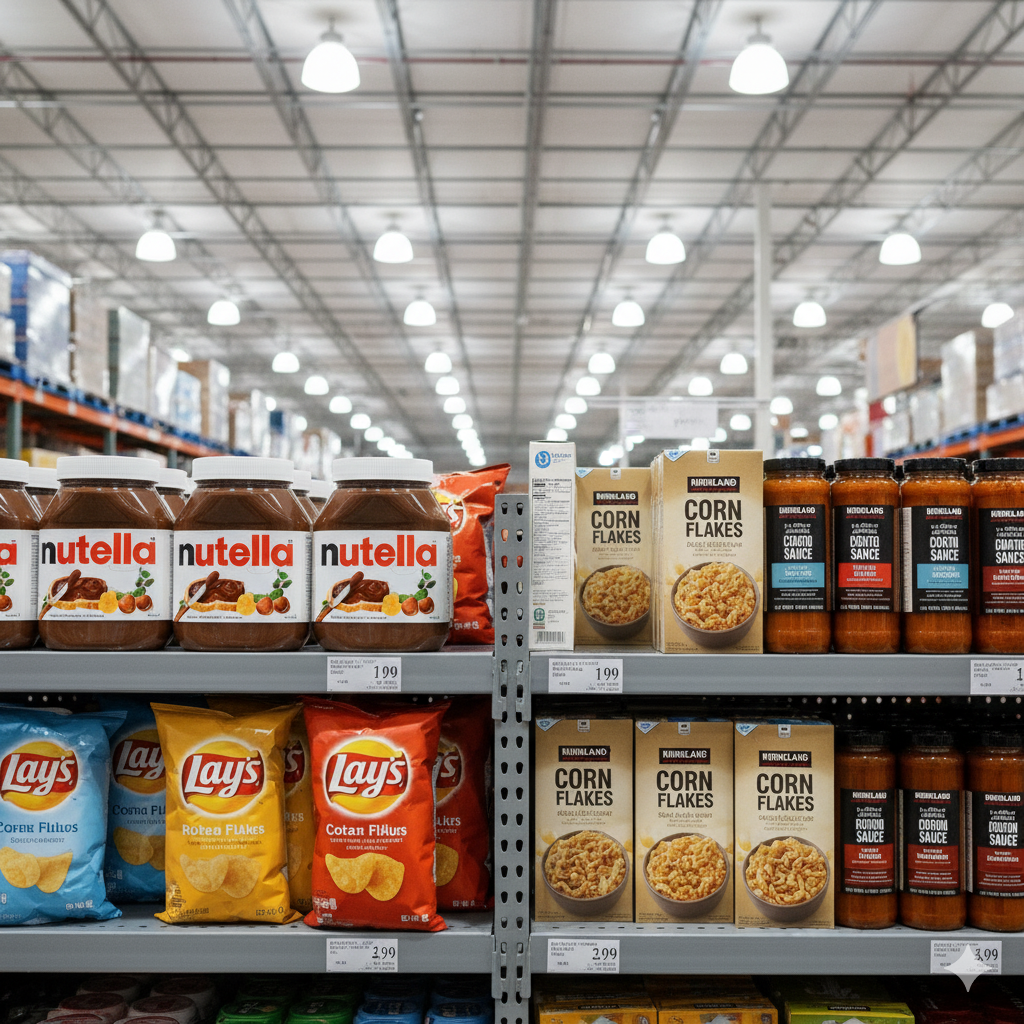
How did PB products, once mere supporting characters overshadowed by famous brands, become the protagonists of the story? At the center of this remarkable revolution is Costco’s ‘Kirkland Signature’. Kirkland serves as a textbook example of how far PB can grow.
From now on, we will delve into how Kirkland achieved tremendous success and uncover its secret strategies. We will also explore how this story unfolded uniquely and excitingly in Korea, overcoming the rough waves of the IMF financial crisis. We will look at E-Mart’s two faces, ‘No Brand’ and ‘Peacock’, the cultural phenomenon of convenience store ‘Hyeja Lunchboxes’ and ‘Yonsei Milk Bread’, and events that raised sharp questions about ‘fairness’ in our society.
At the end of this long journey, we will realize that PB products have become a symbol of new power, based not just on simple ‘value for money’, but on the ’trust’ between companies and consumers, that is, ‘Buying Power’.
Part 1: The Giant’s Textbook - Building Trust and Breaking Costs
Have you heard of the name ‘Kirkland Signature’? This brand is not just a store product. In 2023 alone, it generated over 98 trillion won in sales, surpassing many global corporations in size. The astonishing fact is that all this success was achieved solely through consumer ’trust’, without a single common TV advertisement.
1. A Radical Bet on One Name
In 1995, Costco embarked on a very risky gamble. At that time, its private brands were divided into dozens of categories like diaper PB, coffee PB, and battery PB, but they were all merged under the single name ‘Kirkland Signature’. This was not just a matter of organizing paperwork. If a bottle of wine with the Kirkland label tasted bad, people would start doubting Kirkland batteries as well. It was a high-stakes gamble that risked the fate of the entire brand.
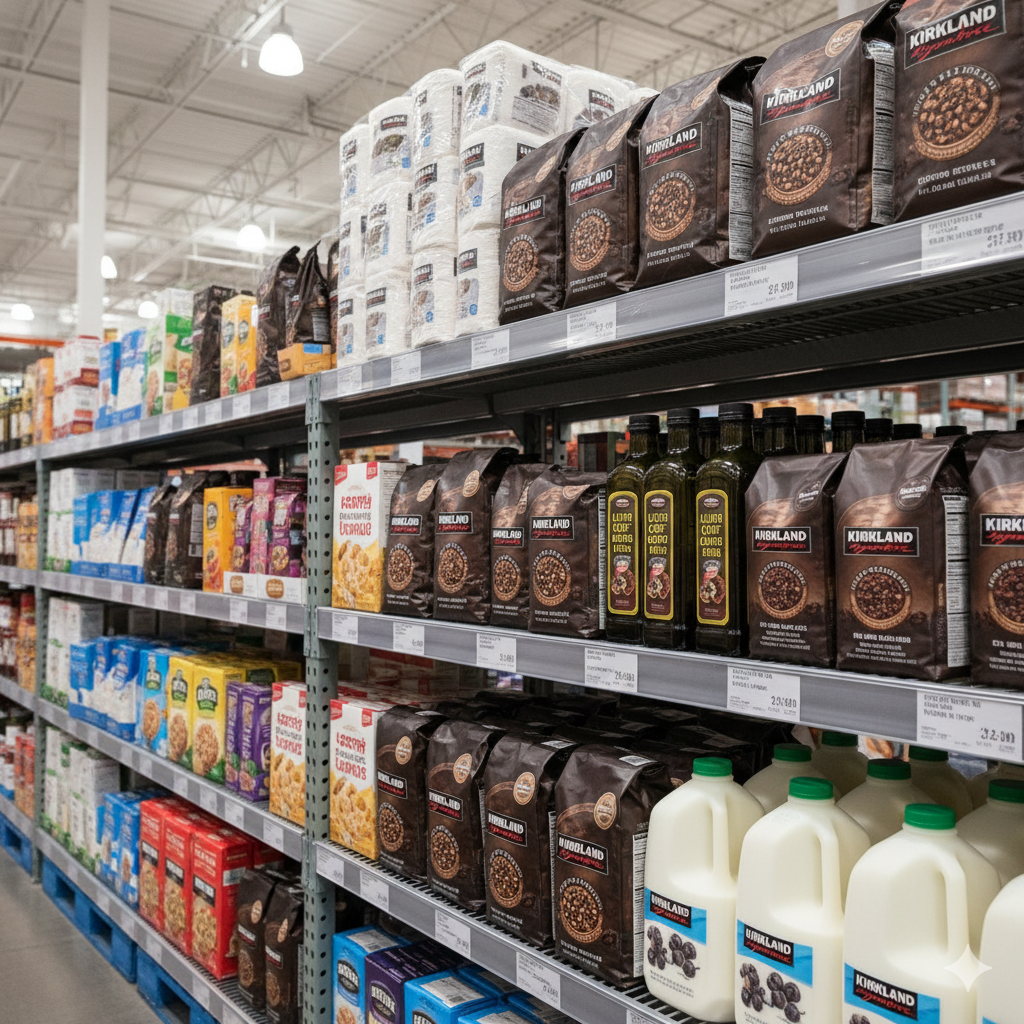
This decision was rooted in a deep understanding of consumer psychology. “Are you tired of too many choices? If we put our name ‘Kirkland’ on it, you can trust that the quality and price are top-notch, so just buy it.” This message resonated perfectly with consumers who were struggling to decide what to buy among countless products. It became a symbol of trust that resolved ‘decision paralysis’.
2. The Heart of Innovation: Creating Value Where It’s Not Visible
“Quality as good as famous brands, but at least 20% cheaper.” This is the promise Kirkland made. How was such a magical feat possible? The secret lies in the ‘supply chain’ that is invisible to our eyes.
Costco’s strategy is the essence of ‘simplicity’. While local stores sell over 30,000 items, Costco focuses only on fewer than 4,000 of the most popular products. The power of choice and concentration is immense.
- Overwhelming Buying Power: By ordering massive quantities at once, they can obtain products at the lowest prices from manufacturers. This is the core of ‘Buying Power’.
- Warehouse-less Logistics Centers: Most products are not stored in warehouses but are shipped directly to the store as soon as they arrive. Thanks to this method called ‘cross-docking’, warehouse costs and time are drastically reduced.
- Fast Turnover: With fewer product types and high sales, there is no room for inventory to pile up. Money is not tied up in products but keeps flowing.
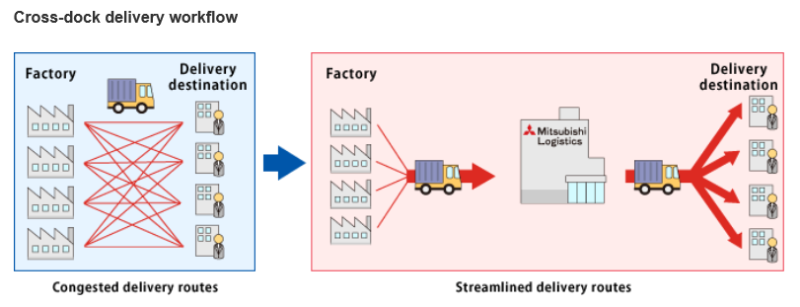
Thanks to this efficient trimming of excess, Costco can maintain a low margin that other stores can’t even imagine while still making significant profits.
3. The Completion of Trust: The Magic Wheel of Membership
The final piece that completes all these strategies is the ‘membership’ system. In fact, Costco’s real profit comes not from the money made from selling products, but from the annual membership fees we pay.
This is not just a simple membership card. It represents a ‘psychological contract’ between us and Costco. By paying the membership fee, we think, ‘I need to get my money’s worth!’ and visit the store more often. Each time we experience the incredible value of Kirkland products, we feel satisfied that ‘my membership fee was a wise investment’. This satisfaction leads to high membership renewals, and the stable income from membership fees becomes a solid support for Costco to maintain low prices. Thus, a virtuous cycle of [excellent quality → amazing value experience → satisfying membership renewal → stable income → reinvestment in quality] keeps rolling.
Part 2: Korean PB, Finding a Path in Crisis
The Korean PB market has followed global trends, but it contains a special history unique to us. It is a very dynamic story created by the painful memories of the IMF financial crisis and the hottest retail competition in the world.
1. The ‘Wise Consumption’ Taught by the IMF
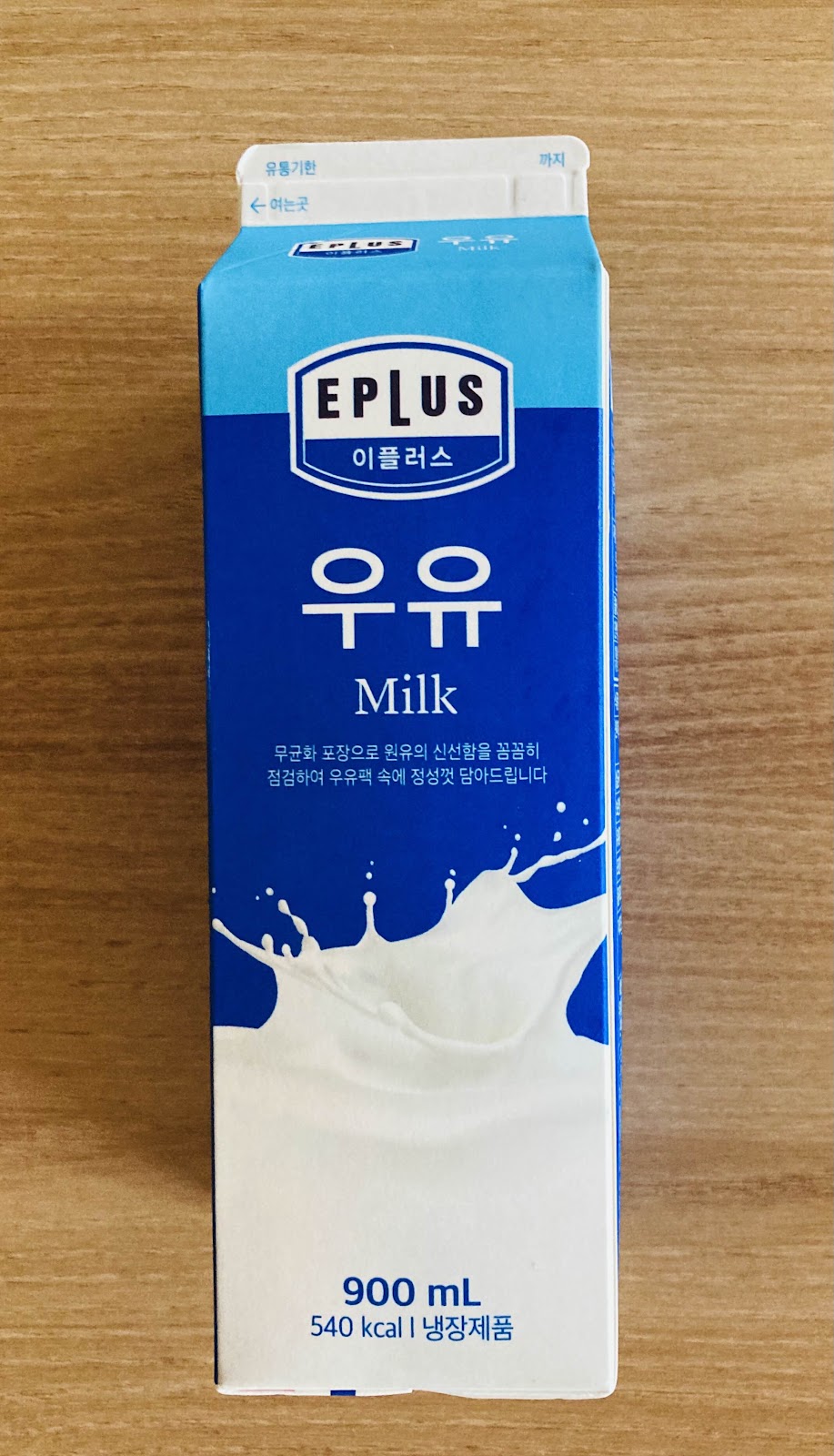
In 1997, the IMF financial crisis that shook the entire country changed our consumption habits. What was once seen as somewhat embarrassing to buy PB products became a wise choice worthy of praise in times of crisis, where ‘saving’ and ‘rational consumption’ became virtues. People began to look beyond brand names to actual value, paving the way for explosive growth of PB products. The history of Korean PB began with a pack of ‘E-plus Milk’ launched by E-Mart in 1996, and it has since grown into a massive river.
2. Brilliant Evolution Created by Competition
Since the 2000s, large supermarkets and convenience stores in Korea have begun to see PB not just as a way to fill shelves, but as the most powerful weapon to attract customers to their stores. In fierce competition, stars representing the Korean PB market have emerged.
| Year | Domestic PB Market Size | Key Features |
|---|---|---|
| 2008 | Approximately 3.6 trillion won | Focus on value for money in daily necessities |
| 2013 | Approximately 9.3 trillion won | Diverse product categories, emergence of premium PB |
| 2019 | Estimated to surpass 11 trillion won | Convenience store PB boom, expansion of specialty PB |
| 2025 (Forecast) | Over 13 trillion won | Full-scale competition of PB on online platforms |
3. E-Mart’s Two Faces: ‘No Brand’ vs ‘Peacock’
E-Mart’s ‘No Brand’ and ‘Peacock’ are prime examples of how cleverly they have penetrated the hearts of Korean consumers.
- No Brand: Launched with the great slogan, “What’s important is not the brand, but you, the consumer.” They stripped away all costs associated with packaging and advertising, focusing solely on the essence of the product and the lowest price. They perfectly captured the hearts of those seeking extreme value for money.
- Peacock: Opening the door to the premium convenience food market with the slogan, “We sell value, not price.” Products featuring recipes from famous chefs broke the stereotype that PB is cheap, winning the love of consumers who are willing to pay for delicious experiences.
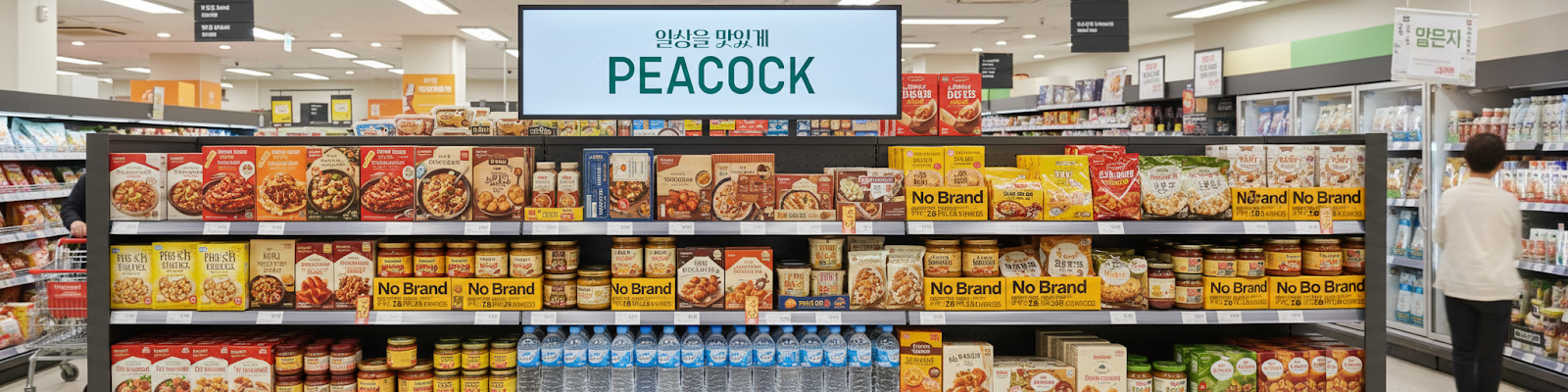
The success of these two brands shows that the Korean PB market has entered an era of sophisticated ‘brand strategies’ that satisfy diverse consumer preferences, moving beyond being merely a ‘cheap market’.
4. The Convenience Store Rebellion: Products Become ‘Culture’
Convenience stores, which must capture people’s attention in a small space, have been at the forefront of innovation, turning PB products into a ‘cultural phenomenon’.
- GS25 ‘Hyeja’: The lunchbox featuring the warm image of actress Kim Hye-ja and generous portions created a new term ‘Hyeja’, meaning “the contents are substantial for the price.” It became a symbol of ‘abundance’, not just a simple lunchbox.
- CU ‘Half-Cut Shot’ Trend: The ‘Yonsei Milk Cream Bread’, which caught attention for the ‘half-cut shot’ culture of splitting the bread to show the filling for social media, became a huge sensation with its overflowing cream. It provided not just taste but also ‘play’ and ’experience’, causing a sell-out frenzy.
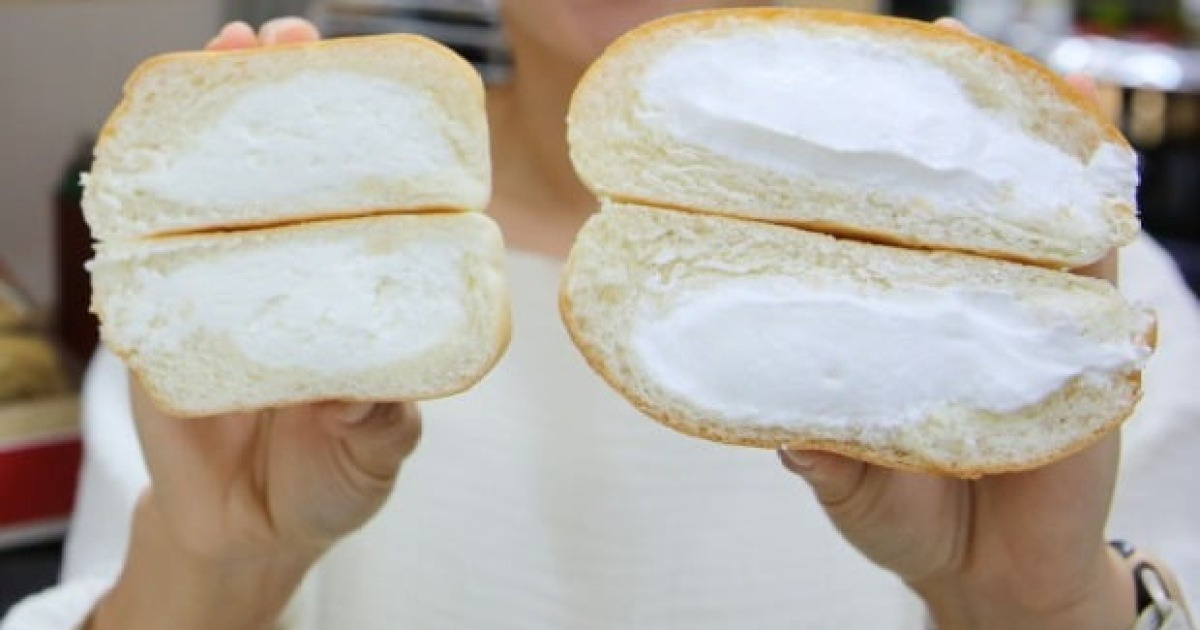
These products have now become ‘destination brands’ that make consumers not just ‘choose’ products but ‘intentionally seek them out’. PB has reached the highest level it can achieve.
Part 3: The Shadow of Strong Power, Questioning Fairness
The dazzling success of PB products has given immense power to retailers. However, this strong power sometimes raises heavy questions about ‘fairness’ in our society.
1. The Lesson from ‘Tongkeun Chicken’ in 2010
In 2010, when Lotte Mart launched the 5,000 won ‘Tongkeun Chicken’, the market was turned upside down. Consumers were thrilled, but local chicken shop owners cried, saying, “Large corporations are killing small businesses.” Ultimately, this chicken disappeared in just a week.
This incident marked a moment when the ‘right of consumers to buy cheap products’ collided head-on with the ‘social responsibility to protect small businesses’. It left a deep imprint on our society that not everything can be explained by market logic, and the value of ’living together’ is crucial.
2. Coupang’s 140 Billion Won Fine: Is the Algorithm a Fair Judge?
In 2024, the Fair Trade Commission imposed a staggering fine of 140 billion won on Coupang. They were accused of secretly manipulating search rankings to sell their own PB products better.
Coupang argued, “What’s the difference between placing our products in a visible spot in a store?” but the Fair Trade Commission disagreed. People believe that online search rankings are ‘fair results based on objective data’, so altering them is seen as deceiving consumers.
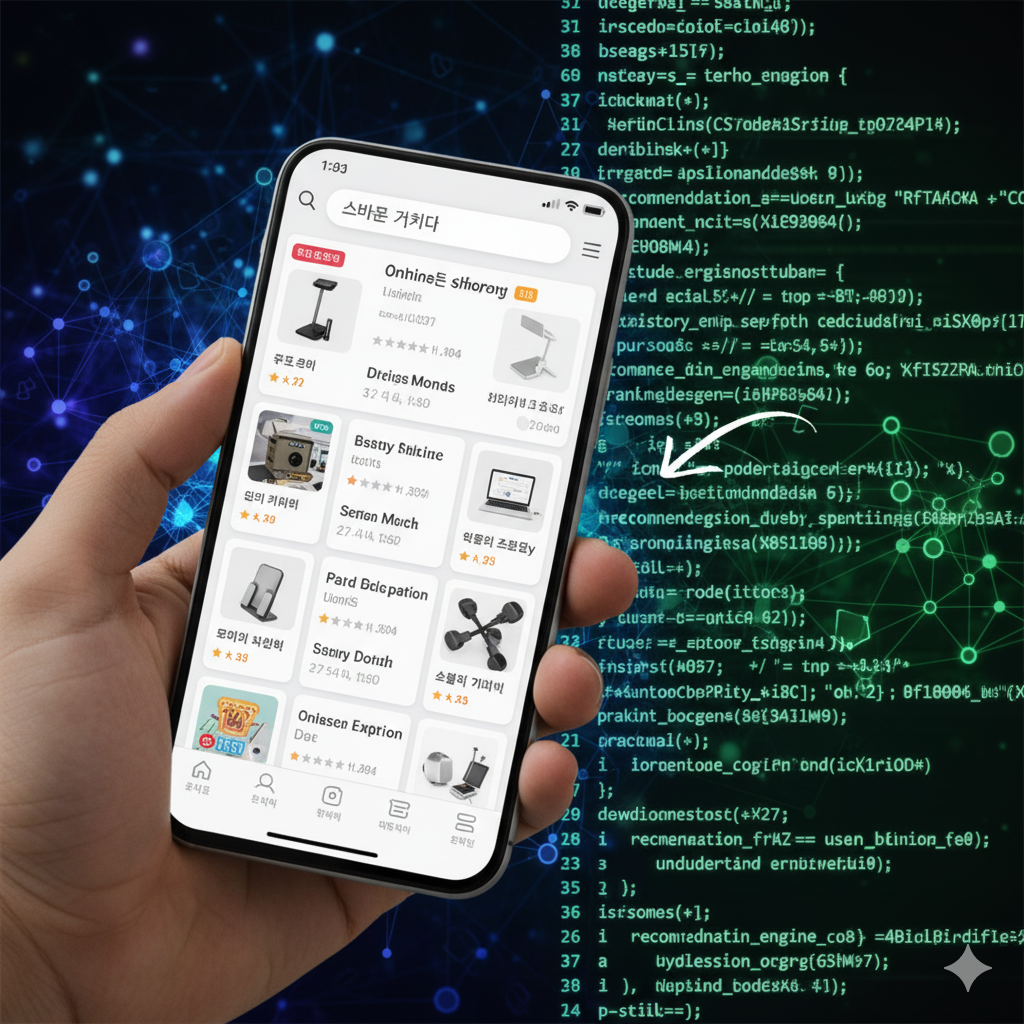
This incident signals that the battleground over ‘fairness’ has shifted from store shelves to online algorithms. When platforms can be both players and referees, how should we control their immense power? This is a challenging question posed not only to the PB market but to our entire era.
PB Grows on Your Trust
Starting from Costco’s success textbook to the fierce competition in the Korean market, we have walked a long journey together. Now we know that PB products are no longer just cheap shadows of famous brands. Today’s PB is a living entity born from fierce innovation by retailers, deep insights into consumer psychology, and the voice of the times.
- Innovation: They have kept their promise of ‘good quality and fair prices’ by reducing costs and increasing efficiency in unseen areas.
- Buying Power: This innovation has become ‘Buying Power’, which gifts consumers amazing value, and consumers have reciprocated that trust with loyalty.
- Fairness: However, this powerful force sometimes collides with society, demanding a new sense of responsibility regarding ‘fairness’.
Ultimately, the best PB is not just a label on a product. It is a ‘symbol of trust’ that consumers place in the company with their money and time. Each PB product you put in your basket today is a precious ‘vote’ you cast for that company’s philosophy and efforts. The era of PB has just begun, and the invisible war for companies to gain our trust will become even more exciting in the future.