
I once took a Woohwangcheongsimwon before an important presentation.
My heart was pounding as if it might burst, and my voice was shaking, but the medicine helped calm me down quite a bit. For many people, Woohwangcheongsimwon is likely a go-to remedy before exams, interviews, or presentations.
However, this medicine originally served a completely different purpose. When the prescription was first created, it was an emergency medication for patients who had collapsed from a stroke and lost consciousness.
How did a medicine for those who had collapsed become a remedy for those who are merely nervous?
This evolution involves four layers of change: the official medical texts of the Song Dynasty, Heo Jun’s ‘Dongui Bogam’, the stress of Joseon kings, and international agreements on endangered species.
The Origins of Woohwangcheongsimwon: A Song Dynasty Stroke Remedy
Woohwangcheongsimwon was originally a specialized prescription used for emergency conditions like strokes.
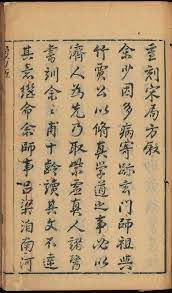
It began with the ‘Taiping Huimin Heji Jufang’, an official pharmaceutical book published by the Song Dynasty government, which standardized and certified the efficacy of various prescriptions.
Its name explains its purpose.
‘Cheongsim’ (淸心) means to cool the pathological heat in the heart, which governs the spirit, and ‘Woohwang’ (牛黃) is the key ingredient that performs this function. Centered on Woohwang—the gallstone of a cow—it was designed to treat sudden loss of consciousness, high fever, and convulsions.
This prescription entered the Korean Peninsula during the Goryeo Dynasty and was reborn as a different medicine in the Joseon Dynasty.
Woohwangcheongsimwon in ‘Dongui Bogam’: Why did ‘Hwan’ become ‘Won’?
It was in Heo Jun’s ‘Dongui Bogam’ that the Korean version of Woohwangcheongsimwon became a distinct prescription.
In this book, completed in 1610 and published in 1613, Heo Jun did not simply copy the original Chinese formula but combined various prescriptions to organize a Joseon-style Woohwangcheongsimwon.
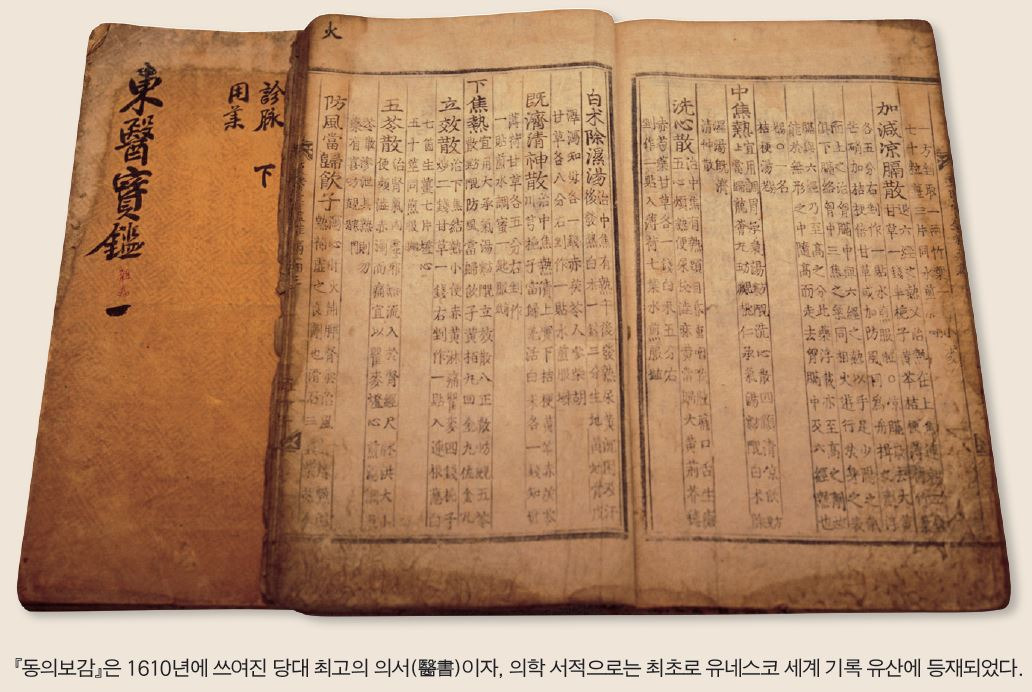
What stands out is one character in the name. While the Chinese side uses ‘Hwan’ (丸), meaning pill, the Korean version uses ‘Won’ (元).
There is a widespread interpretation that ‘Won’ was used to signify ’the best’ or ’the source,’ showcasing pride in the Joseon prescription. However, it is also said that the change was to avoid the character ‘Hwan’ (丸), which shares the same pronunciation as ‘Hwan’ (桓), the name of Emperor Qinzong of the Song Dynasty. Regardless, it is clear that the name ‘Won’ became the hallmark of the Korean Woohwangcheongsimwon.
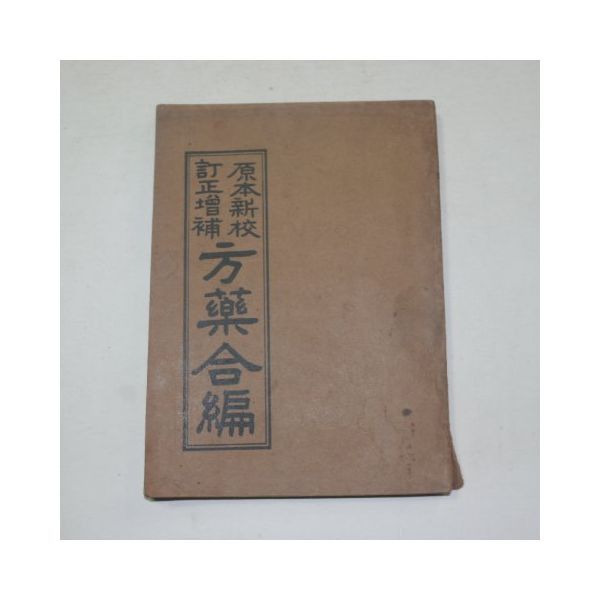
As it was included as an emergency remedy in Hwang Do-yeon’s ‘Bangyakhappyeon’ in the late Joseon period, Woohwangcheongsimwon spread beyond the royal family and a few physicians into broader clinical practice.
When Did the Joseon Royal Family Use Woohwangcheongsimwon?
In the Joseon royal court, Woohwangcheongsimwon was one of the most important essential medicines.
Records of kings and royalty taking this medicine appear multiple times in the ‘Veritable Records of the Joseon Dynasty’ and the ‘Diary of the Royal Secretariat’.
Most interesting is the case of King Myeongjong.
According to an analysis of the royal records by Director Lee Sang-gon, Myeongjong suffered from ‘heart heat syndrome,’ which resembles modern-day anxiety, and used Woohwangcheongsimwon to soothe his mind before high-pressure events, such as meeting Chinese envoys. In essence, there is a record from the 16th century of a stroke medicine being used to manage nervousness.
The reputation of Joseon’s Woohwangcheongsimwon spread beyond its borders as well.
In the early 19th-century book of seasonal customs, ‘Yeoryang Sesigi’, there is a record that Chinese people highly valued Korea’s Cheongsimwon. It means the medicine had gained enough of a reputation to serve as a diplomatic gift.
Why Have the Ingredients of Woohwangcheongsimwon Changed Continuously?
The original formula in ‘Dongui Bogam’ is a complex prescription made of about 30 different ingredients.
However, the Woohwangcheongsimwon sold in pharmacies today is not the same medicine. Safety standards and environmental regulations have changed its composition.
First, heavy metals were removed.
Old prescriptions included Cinnabar (a mercury compound) and Realgar (an arsenic compound) for their sedative effects, but these have been removed from modern products because they are harmful to the human body by current toxicological standards.
An even bigger change came from the Convention on International Trade in Endangered Species (CITES).
As musk from musk deer and rhinoceros horn (Seogak) became unavailable, the pharmaceutical industry turned to substitutes like civet musk or L-muscone, a major component of musk. A study comparing the pharmacology of preparations containing civet musk vs. musk emerged during this transition.
Even Woohwang, the namesake of the medicine, has changed.
Natural Woohwang is rare and expensive, so in vitro cultured Woohwang or synthetic artificial Woohwang are often used instead. The type of Woohwang used has become a benchmark for product pricing, and suspicions regarding the illegal distribution of Woohwang have even led to consumer alerts.
Comparison of major ingredients between the ‘Dongui Bogam’ original and modern Woohwangcheongsimwon
| Ingredient (Korean/Hanja) | Dongui Bogam Original | Modern Standard Prescription |
|---|---|---|
| Musk (麝香) | Included (Key ingredient) | Replaced (Civet musk, L-muscone, etc.) |
| Woohwang (牛黃) | Included (Natural) | Included (Natural, Cultured, Artificial, etc.) |
| Rhinoceros Horn (犀角) | Included | Removed or replaced |
| Cinnabar (朱砂) | Included | Removed |
| Realgar (石雄黃) | Included | Removed |
Woohwangcheongsimwon as a National Staple: From Stroke to Tension Relief
After liberation, Woohwangcheongsimwon became a mass-produced product in pharmaceutical factories.
Solpyo (Joseon Moo-yak) and Kwangdong Pharmaceutical led the market. Kwangdong Pharmaceutical, which launched its version in 1974, built trust based on the founder Choi Soo-boo’s persistence regarding ingredient quality. In 1991, the introduction of easy-to-drink liquid suspensions expanded its usage to the younger generation.

During its entry into the Japanese market, it earned the nickname ‘golf medicine.’
Following an anecdote about a Japanese pharmaceutical company chairman who claimed it helped smooth out his golf swing, the image of it being a medicine that helps calm the mind to maximize performance took hold.
I believe the reason for this shift in usage can be found in the changing nature of societal anxiety.
In an era where a stroke that breaks the body was the most terrifying crisis, it was a medicine to save those who had collapsed. In an era where exams and interviews determine one’s career path, it became a medicine to help endure those moments.
The name of the prescription, which claims to stabilize the mind by lowering the heart’s heat, has come to fit a completely different kind of crisis as the times have changed. This is why King Myeongjong’s diplomatic meetings and today’s job interviews call for the same medicine.
Things to Know Before Taking Woohwangcheongsimwon
Although Woohwangcheongsimwon is an over-the-counter drug available at pharmacies, it should not be taken lightly. There are a few things you should know.
Expert advice reported by Health Chosun and CHA Hospital Magazine is generally consistent.
If the purpose is to relieve tension, it is often taken 30 minutes to an hour before an important event. Depending on the individual, it may cause excessive relaxation, drowsiness, or a drop in blood pressure. Therefore, it is recommended that first-timers test their body’s reaction with a smaller dose. Those with hypotension, underlying medical conditions, or who are taking other medications should consult a doctor or pharmacist first.
It is also necessary to set realistic expectations regarding its effectiveness.
While there are studies and clinical experiences reporting tension-relief effects, this is different from being a clinically proven treatment for anxiety disorders. For recurring anxiety or panic symptoms, professional consultation is a priority over pharmacy staples.
According to test results from the Korea Consumer Agency, the composition of Woohwang and musk substitutes varies by product, so checking the ingredient label is a good practice.
How people in the Joseon Dynasty treated their bodies and medicine can be viewed from a different angle in this post about the customs surrounding fingernail clippings.
References
- Encyclopedia of Korean Culture, Woohwangcheongsimwon
- Academy of Korean Studies Encyves Wiki, Cheongsimwon
- Dong-A Ilbo, Why did King Myeongjong take Woohwangcheongsimhwan? [Lee Sang-gon's Veritable Records of Oriental Medicine] (2021.02.01)
- Health Chosun, Korean Stroke Emergency Medicine: Woohwangcheongsimwon (2014.11)
- Health Chosun, Nervous and shaking, so you take Cheongsimhwan? 'You might ruin the job because you're drowsy'... How to take it (2024.10)
- CHA Hospital Magazine, Woohwangcheongsimhwan? Woohwangcheongsimwon! The optimal timing to maximize effect?
- Seoul Shinmun, [Representative Korean Medicine Story] <1> Kwangdong Pharmaceutical Woohwangcheongsimwon (2015.09)