
A cultural history of a single piece of fingernail, which is ‘me’ while attached to the body but becomes material for horror stories the moment it falls off.
- We look into the true reason why people in the Joseon Dynasty could not carelessly throw away their clipped nails: the philosophy of ‘Sinche-balbu-suji-bumo’ (my body, hair, and skin are all gifts from my parents).
- We examine why the ‘folklore of the rat that impersonates a human after eating fingernails’ has been whispered with such lingering dread.
- From Egypt and Babylonia to Northern Europe — we compare customs from around the world that took fingernails surprisingly seriously.
Clipped Nails: What Changes in That Moment?
When clipping your nails, a few pieces inevitably fly off somewhere on the floor. Most of us just sweep them up and throw them away without a second thought.
However, just over a hundred years ago in this land, throwing away those trivial keratin scraps carelessly was akin to gambling with your life.
What was simply a part of ‘me’ while attached to my body becomes material for horror stories, bait for curses, and even material for a ship that could end the world the moment it detaches.
Why was humanity so deeply invested in this tiny piece?
Why Even Fingernails Were Considered Belongings of Parents
To the people of the Joseon Dynasty, fingernails were not just growing dead skin.
The teaching from the Classic of Filial Piety (Xiaojing), ‘Sinche-balbu-suji-bumo’ (the body, hair, and skin are received from one’s parents), governed every corner of daily life. The refusal to cut hair carelessly, the choice to face death over the ‘Dabal-ryeong’ (hair-cutting decree), and the view of tattoos as a grave sin all stemmed from the same root.
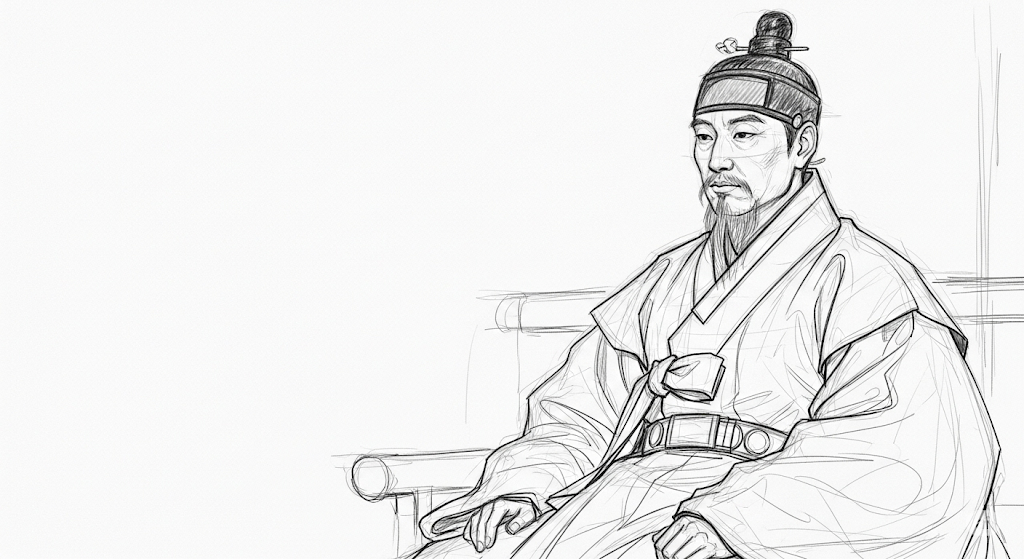
Since one couldn’t exactly stop clipping nails, adults used scissors or small knives to groom them for hygiene.
Newborn babies’ nails were the exception. Records show that mothers would gently bite them off to avoid hurting the child with blades—the old term ‘Podojijeong’ (the affection of a mother biting her child’s nails) is encapsulated in this single scene.
The problem was what happened after they were clipped. Nail clippings were not thrown away carelessly but were burned or buried in the ground.
In his final will, the late Joseon Silhak scholar Seongho Yi Ik requested that all the fingernail and toenail clippings he had collected throughout his life be placed in his coffin. It was an expression of his desire to return the body inherited from his parents exactly as it was.
So significant was this issue that it appeared in the wills of intellectuals; nail disposal was not a simple chore, but a matter of philosophy.
The Story of Discarded Nails Becoming the Protagonist of Horror
There was another reason for this obsession with fingernails.
The taboo against clipping nails at night and throwing them away randomly was solidified by the chilling ‘Rat Metamorphosis Folklore’ (Jingajangju folklore).
There was a young man who ignored a monk’s warning and threw his clipped nails away carelessly. When he returned home after his studies, a fake who looked exactly like him was already acting as the real person. The real young man was treated as a madman and driven away. To the desperate man, the monk gave a cat, and when the man entered the house holding the cat, the fake screamed and died. All that remained in its place was a giant rat carcass — the rat that had eaten the discarded nails had transformed into the young man.
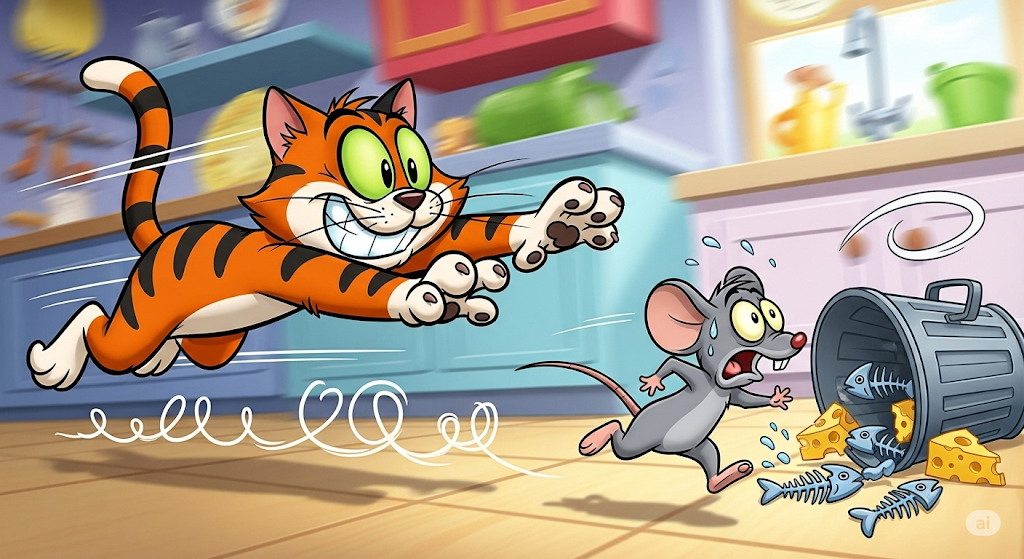
What makes this folklore truly terrifying is not the existence of a monster, but the ’loss of social identity’ where one is denied even by one’s own family.
It is rooted in the belief of ‘sympathetic magic,’ that a piece of a fingernail contains the essence of its owner.
It is fundamentally no different from today’s fears of having one’s entire life stolen through identity theft.
Though the technology has changed completely, the instinctive fear that the existence of ‘me’ could be stolen by another works exactly the same way now as it did in the Joseon Dynasty.
Why the World Was So Serious About Fingernails
It wasn’t just in Joseon that fingernails were given special significance. All over the world, nails served as vessels for power, magic, and fear.
Ancient Chinese aristocrats grew their nails long and wore ornate protectors called ‘Hoji’, a mark of status boasting that they did no manual labor.
In ancient Egypt, the color of one’s nails determined one’s class. According to HERNINE’s summary, the higher the status, the more deeply the nails were stained with red henna, and royalty like Cleopatra and Nefertiti wore bright red nails.
Around the same time in Babylonia, warriors painted their nails black or green to display their rank and project intimidation.
Europe was no different.
In medieval Europe, people created ‘Witch Bottles’ containing hair and nail clippings to ward off curses. Because of the belief that nails held a person’s essence, it was thought they could be used as bait to trap a curse inside.
Norse mythology takes it a step further. There was a prophecy that the ship ‘Naglfar,’ made from the fingernails of the dead, would carry an army of chaos during the end of the world, ‘Ragnarok.’ Thus, keeping one’s nails neatly trimmed was a cosmic duty to delay the end of the world.
Table: Comparison of Fingernail Customs Around the World
| Civilization / Region | Major Custom or Belief | Symbolic Meaning |
|---|---|---|
| Joseon Korea | Collecting and burning nails; fear of rats eating them. Dyeing nails with balsam. | Filial piety, preventing doppelgängers, warding off spirits, beauty and hope |
| Ancient China | Aristocrats grew long nails and used ‘Hoji’ | Upper-class status, wealth, leisure |
| Ancient Egypt | Staining nails with henna; color-coded class | Rigid social hierarchy, vitality and power |
| Ancient Babylonia | Warriors painted nails; color-coded class | Military rank, intimidation of enemies |
| Medieval Europe | Placing nail clippings in ‘Witch Bottles’ to block curses | Counter-magic, body parts containing human essence |
| Norse Mythology | Belief that the ship ‘Naglfar’ (made of dead men’s nails) brings the apocalypse | Cosmic responsibility, preventing world destruction |
The True Reason for Dyeing Nails with Balsam
It wasn’t all about fear. Fingernails attached to the body were also canvases for hope and beauty. That is the case with balsam dyeing. I, too, have memories of my grandmother crushing balsam flowers from the garden to dye my nails when I was a child.
I remember staring at my nails all winter long, believing the story that if the stain remained until the first snowfall, my first love would come true.
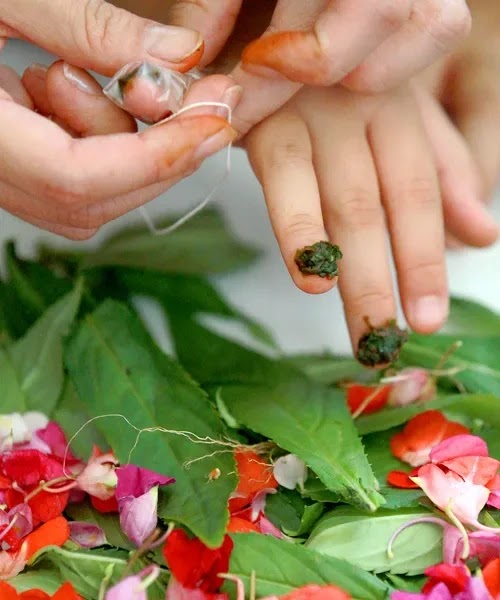
It was a custom that held both the magical meaning of the balsam’s red color warding off evil spirits and the simple desire to look beautiful.
Ultimately, the boundary is drawn based on the same fingernail. A nail that falls off the body and becomes uncontrollable was a source of danger, while a nail that remains attached as ‘me’ was a place to paint one’s hopes.
It seems that this one tiny, seemingly insignificant piece of keratin carried the weight of an era’s filial piety, terror, social status, and magic.
You don’t need to recall all these stories every time you clip your nails, but isn’t it interesting to know that those scraps were once something of such heavy significance?
References
- ‘Sinche-balbu-suji-bumo’ is an Oriental declaration of human rights [Source: JoongAng Ilbo]
- The field mouse that ate the fingernail
- Encyclopedia of Korean Culture, Rat Metamorphosis Folklore - https://encykorea.aks.ac.kr/Article/E0017056
- National Folk Museum of Korea, Why are we told not to clip our nails at night? - https://webzine.nfm.go.kr/2016/11/16/%EC%99%9C-%EB%B0%A4%EC%97%90%EB%8A%94-%EC%86%90%ED%86%B1%EC%9D%84-%EA%B9%8E%EC%A7%80-%EB%A7%90%EB%9D%BC%EA%B3%A0-%ED%95%A0%EA%B9%8C/
- HERNINE, History of Nails 1 (From Ancient Times to the 19th Century) - https://hernine.com/blogPost/01
- Dusty Old Thing, "Witch Bottles" Were Once Common in England and Many Are Still Hidden - https://dustyoldthing.com/bartmann-witch-bottles-europe/