
When you trim your nails, a few pieces inevitably fly off somewhere on the floor. Nowadays, we just sweep them up with a tissue and forget about them, but people in the Joseon Dynasty would collect their clipped nails and burn them or bury them in the ground. This custom was a blend of the filial belief that the body was a gift from one’s parents and the fear that if a rat ate the trimmings, it would transform into one’s own likeness.
What was simply a part of ‘me’ while attached to my body becomes a prop for horror stories and bait for curses the moment it falls away. I’ve traced the history of why people were so sincere about these tiny fragments, from the Joseon era to Norse mythology.
Why did Joseon people consider even nails to be their parents’ property?
To the people of Joseon, fingernails weren’t just growing keratin; they were part of a body received from their parents. The teaching of ‘sinchebalbusujibumo’ (身體髮膚 受之父母) from the Classic of Filial Piety—that the body, hair, and skin are all gifts from one’s parents, and thus, not harming them is the beginning of filial piety—permeated every corner of daily life. The fact that people risked their lives to oppose the Short Hair Act of 1895, and that tattoos were considered a grave sin, stems from the same root.
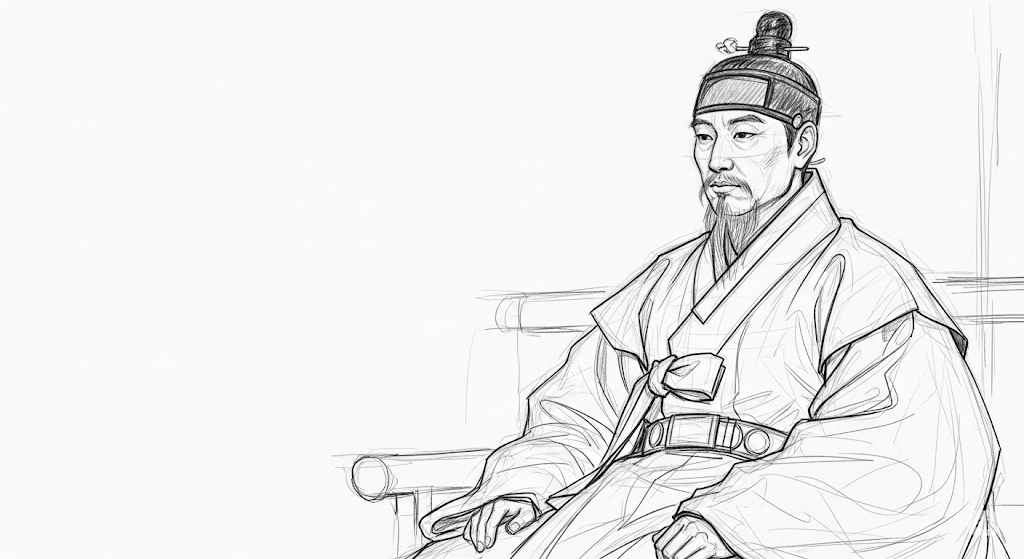
Since they couldn’t just stop trimming their nails, adults used scissors or small knives to groom them. It is said that for newborns, for whom sharp metal tools were dangerous, mothers would even use their teeth to gently bite off the nails.
The problem was what happened after. Nail clippings weren’t discarded haphazardly; they were collected to be burned or buried. There was also a custom of keeping all the nail trimmings collected throughout one’s life to be placed in the coffin after death. This signified returning the body received from one’s parents without anything missing. In this sense, cleaning up nail clippings wasn’t just housekeeping; it was a matter of the philosophy of filial piety. You can also see how Joseon people approached their bodies and medicine in the history of the Woohwangcheongsimwon.
How did discarded nails become the protagonist of the ‘Rat Transformation’ folktale?
Beyond filial piety, the taboo against discarding nail clippings carelessly was mixed with fear. This fear solidified into a concrete story: the Rat Transformation Folktale. The summary provided by the Encyclopedia of Korean National Culture is roughly as follows:
A rat eats the fingernails and toenails that the homeowner carelessly threw away over a long period. One day, the rat transforms into the exact likeness of the owner and settles into the house, and the family believes the fake is the real one. Even in the magistrate’s court, the fake wins, and the real owner is branded a fake and driven out. The real owner, while wandering in hardship, follows the advice of a helper and returns home carrying a cat. As the cat pounces, the fake turns back into a rat, and the real owner reclaims their place.
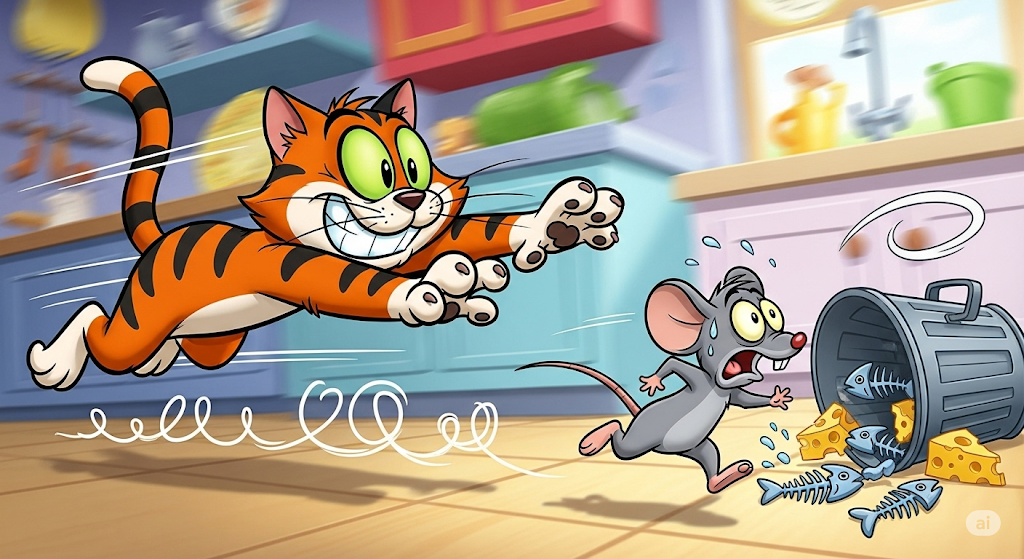
What is truly terrifying about this folktale isn’t the monster itself. It is the denial of one’s own existence even by one’s family—in other words, the loss of social identity. Underlying this is the concept of ‘sympathetic magic,’ the belief that the owner’s essence remains in fragments detached from the body. This is no different in structure from our modern fear of identity theft. The tool has changed from nail clippings to personal information, but the horror that someone might take my place remains the same.
There are many versions of the story. Some feature a female helper, some involve the rat turning into a young groom or son, and others start with the daughter-in-law’s mistake instead of the owner’s. Proverbs about situations where even the closest people fail to recognize each other originated from this tale, and the classic novel Onggojipjeon is said to have been created by combining this story with others. The reason why people say not to cut nails at night is also explained in detail by the National Folk Museum of Korea.
Global nail customs: Symbols of status, magic, and the end of the world
Joseon wasn’t the only place to imbue nails with special meaning. Around the world, nails have been markers of status, ingredients for magic, and clocks measuring the end of the world.
In China, long nails were a sign that one did not perform manual labor. During the Ming and Qing dynasties, upper-class women, especially imperial women, grew their nails long and wore ‘huzhi’ (nail guards) made of metal, shells, or jade. According to a summary by Sixth Tone, Empress Dowager Cixi was famous for having nails that grew to around 15 centimeters. Ancient Egypt tells a slightly different story. While it is often explained—as in HERNINE’s summary—that Cleopatra and Nefertiti dyed their nails red with henna and that the darker the color, the higher the status, there is no clear evidence such as artifacts to support this. It is safer to read it as a piece of folklore.
In Europe, nails were ingredients for defensive magic. In 17th-century England, people created ‘Witch Bottles’—filled with bent pins, nail clippings, and urine—which were buried in church graveyards or riverbanks, or hidden under fireplaces. It was a form of counter-magic used by those who believed they were cursed by a witch and was accepted as a kind of prescription at the time. It was believed that the bottle containing a part of the person would take the curse in their stead.
The most grand version is in Norse mythology. According to the Prose Edda, at Ragnarök, the end of the world, the ship ‘Naglfar,’ made entirely from the nails of the dead, arrives under the command of the giant Hrym, carrying a horde of monsters and giants to fight the gods. Because people who die without trimming their nails contribute to the ship’s construction, both gods and humans hope the ship remains incomplete for as long as possible. In this way, grooming one’s nails was an act that delayed the end of the world.
Comparison of nail customs and symbols around the world
| Civilization / Region | Major Custom or Belief | Symbolic Meaning |
|---|---|---|
| Joseon | Collecting and burning or burying nails; avoiding rats eating them. Dyeing nails with balsam | Filial piety, preventing transformation, warding off spirits, beauty and wishes |
| China (Ming/Qing upper class) | Growing long nails and using ‘huzhi’ guards | Status and leisure of the upper class |
| Ancient Egypt | Dyeing nails with henna, distinguishing class by color (legend, weak evidence) | Social class, power |
| 17th-century England | Placing nail clippings in ‘witch bottles’ to prevent curses | Counter-magic, body parts imbued with human essence |
| Norse Mythology | The ship ‘Naglfar’ made of dead men’s nails brings the apocalypse | Responsibility to delay the end of the world |
The real reason we dyed our nails with balsam
It wasn’t all about fear. Fingernails attached to the body were actually a place to imprint one’s wishes. Dyeing them with balsam is a prime example.
I also remember my grandmother crushing balsam flowers from the garden to dye my nails when I was young. Because of the belief that if the color remained until the first snowfall, your first love would come true, I think I spent that entire winter just staring at my fingernails.
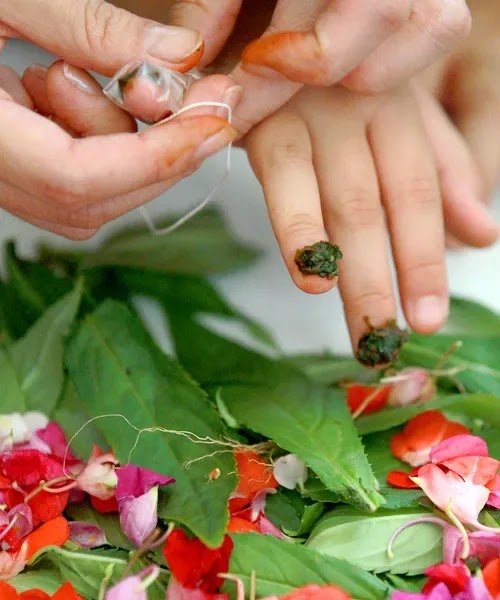
The red hue of the balsam held both the magical meaning of driving away evil spirits and the simple desire to look pretty. The perception of the same fingernail splits here. A nail that had fallen off and could no longer be controlled was a source of danger, while a nail still attached to the body, remaining ‘me,’ was a place to write one’s wishes.
Balsam dye applied in autumn slowly grows out as the nail lengthens, and by the time the first snow falls, only a red crescent-shaped sliver remains at the tip of the finger.
Today’s clipped nails will be wrapped in a tissue and tossed into the trash, but there was a time when filial piety, fear, and hope were all placed onto that tiny fragment. Even though we no longer worry about a rat returning as our own face, the heart that attaches stories to things falling away from our bodies seems to remain at our fingertips.
References
- 'Sinchebalbusujibumo' is an Oriental human rights declaration, JoongAng Ilbo
- The field mouse that ate fingernails
- Encyclopedia of Korean Culture, Rat Transformation Folktale
- National Folk Museum of Korea, Why do they say not to cut nails at night?
- Sixth Tone, Why Long Fingernails Were All the Rage in Ancient China
- Atlas Obscura, Witch Bottles Project in Britain
- Wikipedia, Naglfar (Prose Edda summary)
- HERNINE, History of Nails 1 (From ancient times to the 19th century)
- Dusty Old Thing, "Witch Bottles" Were Once Common in England and Many Are Still Hidden