
Where does the 10,000 won per 100g price tag for Hanwoo sirloin come from? In July 2026, the consumer price for Grade 1 Hanwoo sirloin hit 10,709 won per 100g, the highest in 4 years and 3 months. This price is shaped by a combination of factors: the genetic improvement of proven bulls, breeding costs sensitive to fluctuating feed prices, beef distribution costs, and gift demand.
Date: 2025-08-22 · Last checked: 2026-10-28 · Prices are examples based on reporting and vary by market conditions
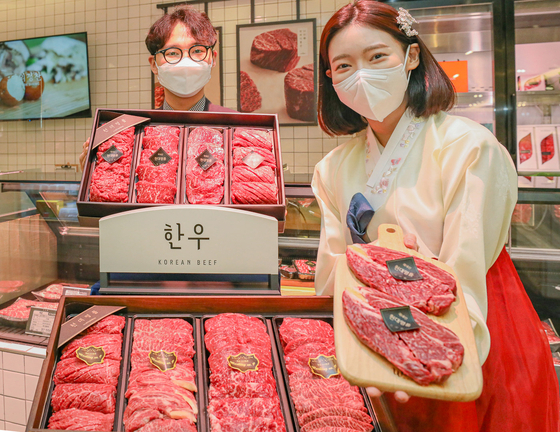
The Starting Point of Hanwoo Prices: How Proven Bulls are Selected
The story of Hanwoo prices begins not on the farm, but with performance records.
A Proven Bull (KPN, Korean Proven Bull) is a title given to bulls whose superior traits have been verified through national-level progeny testing and genetic evaluation.
Testing consists of two stages.
In the individual performance test, the candidate bull’s own growth rate and body type are evaluated.
In the progeny test, the meat quality and yield of the offspring produced by the bull’s semen are analyzed.
The father’s score is determined by the report card of his children.
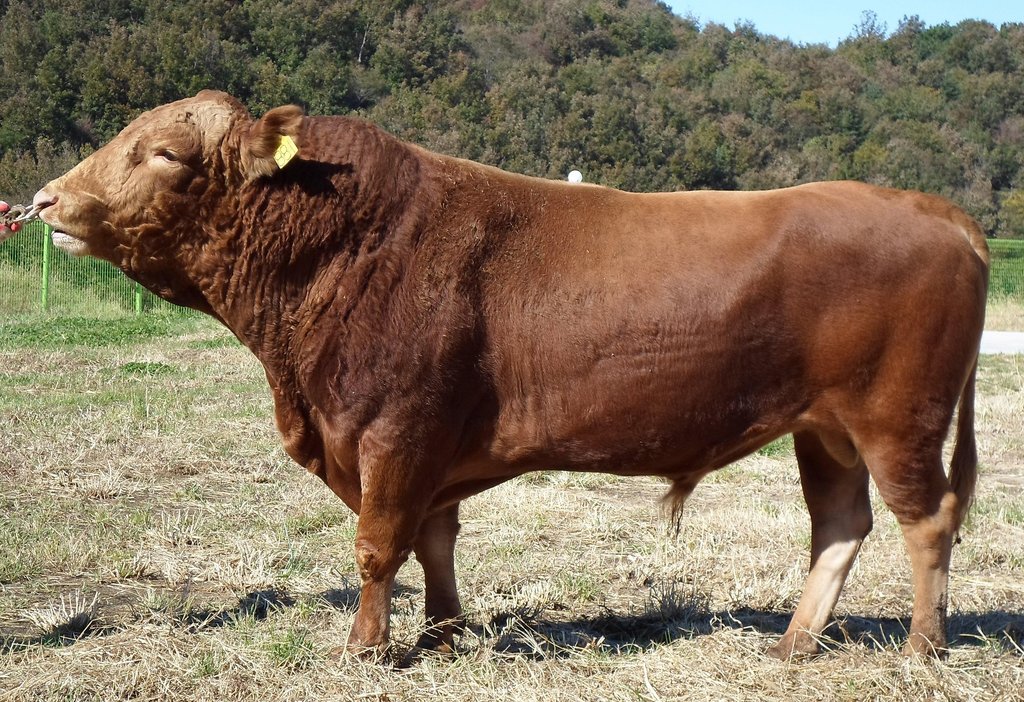
The threshold is high.
Since 1999, the Gyeongbuk Livestock Research Institute has tested 660 heads; among these, 47 were selected as candidates, and only 14 were designated as proven bulls (as of June 2025 reports). In June 2025, KPN1707 placed first among 26 candidates and was introduced as one of 18 bulls that passed national-level evaluation. Through this entire process, it takes approximately 5.5 years (66 months) for a single proven bull to be finalized.
Reports in February 2026 also mentioned KPN1707 as a proven bull, with KPN1812 and KPN1919 listed as candidates (DailyVet).
What is noteworthy here is the time.
Since the value of the father is confirmed only after the meat quality of his offspring is known, one must wait for over 5 years from the time a bull is selected for its genetics to impact the meat on our tables.
Therefore, starting in 2026, the industry is shifting toward selecting bulls early at 12–20 months through genomic analysis, which is expected to reduce the time until semen distribution to about one year (Gyeonggi Ilbo, May 2026).
I could not find public data on what percentage of the sirloin price tag this improvement cost accounts for.
Rather than concluding that proven bulls directly raise Hanwoo prices, it is safer to view them as the starting point for setting quality benchmarks.
Feed Costs Added to Hanwoo Prices: The Burden of 28–31 Months of Breeding
From the time a calf enters a farm until it is shipped, it is a long and expensive process.
The traditional fattening period was 31 months, and farms using high-energy feed programs had an average shipping age of 28.2 months (Herald Business, September 2025). Feed is consumed throughout those 28–31 months.
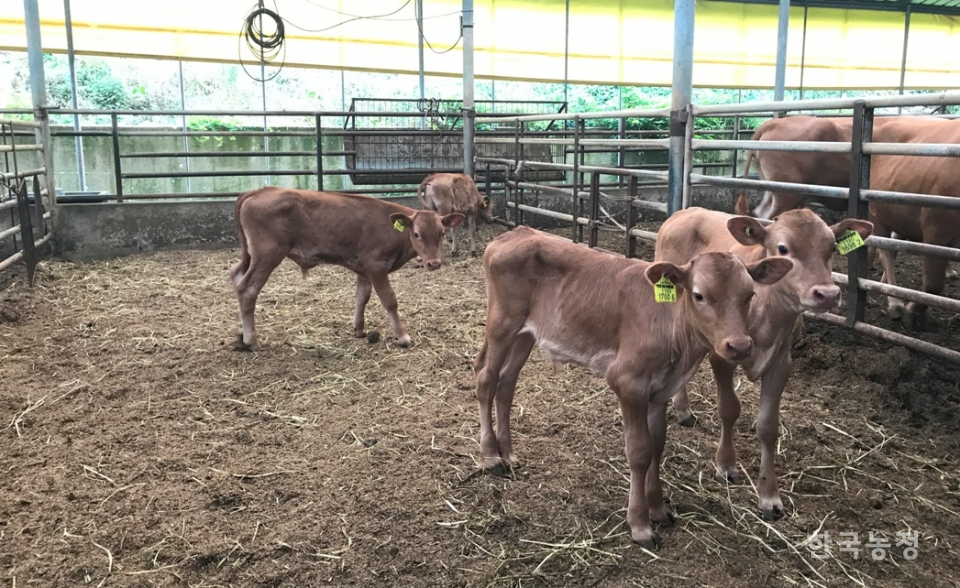
Most of that feed comes from overseas.
In 2025, 79.3% of feed ingredients were imported, and as of 2024, 94.0% of feed grains were imported. 9.17 million tons of corn were imported in their entirety. The Korea Rural Economic Institute analyzed that a 10% rise in the exchange rate leads to a 5.7% increase in domestic feed prices, and in August 2026, feed prices hit 648 won per kg, the highest since November 2023 (Segye Ilbo, October 2026).
Feed costs for one fattening cow rose 25.6% from 3.48 million won in 2021 to 4.38 million won in 2023.
During the same period, total revenue per cow decreased from 10.21 million won to 8.76 million won, meaning that based on the reported figures, the ratio of feed costs to total revenue jumped from about 34% to about 50%. The average net loss per fattening cow in 2023 was 1.426 million won (Data from the Hanwoo Board and Statistics Korea, Segye Ilbo, July 2024).
High Hanwoo prices and farm profitability are two separate issues.
This period is more about enduring a time when investment capital runs dry. It is a structure where farmers alone bear the brunt of exchange rate and grain price fluctuations for about two and a half years from the time the calf is conceived until it is shipped. The general path through which exchange rates and grain prices bleed into inflation is explained in The Identity of Inflation That Empties Our Wallets.
How Much Do Distribution Costs Account for in Hanwoo Prices?
The distribution cost rate for beef was 48.1% as of 2021. Some argue that Hanwoo is not uniquely complex, considering that in the same year, the rate for chicken was 57.1% and pork was 48.7% (Segye Ilbo July 2024, Metro Shinmun January 2023).
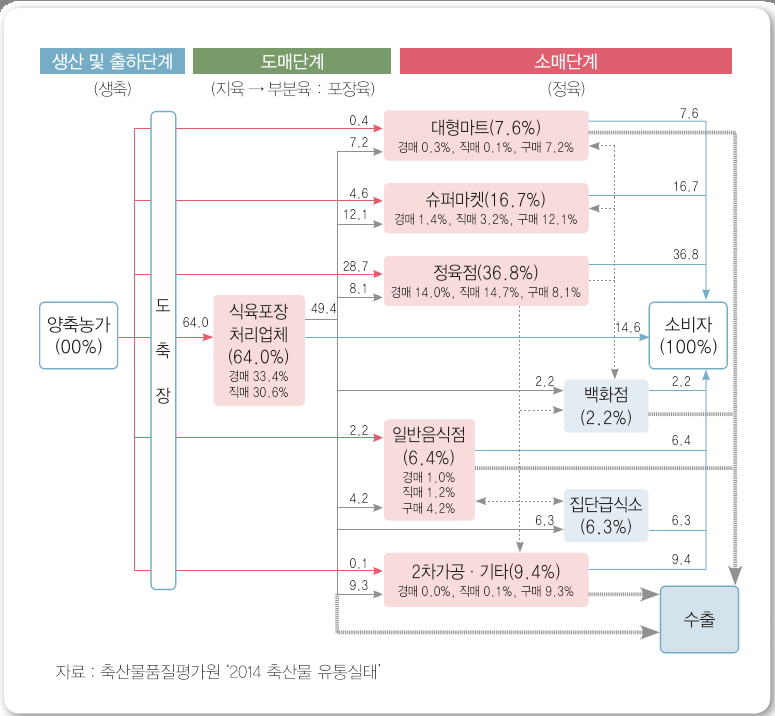
There have been recent cases where wholesale and retail prices did not move in tandem.
In the same report, a 150g serving of sirloin at a Seoul restaurant was 46,000 won, while 100g of sirloin at a large supermarket was 14,980 won. This means the price tag consumers see varies by nearly twofold depending on the point of sale.
In April 2024, the wholesale price of Hanwoo sirloin dropped by over 20% compared to six months prior, but the consumer price only dropped by 5%.
The Korea Rural Economic Institute projected the wholesale price of castrated cattle in the third quarter of 2024 to be 17,000–18,000 won per kg, which was over 10% lower than the 2023 average. An official from the Ministry of Agriculture, Food and Rural Affairs cited fixed costs such as processing at the retail stage, inventory (usually around one week), labor costs, and store maintenance. The hygiene management system during processing and storage is covered separately in HACCP, The Food Safety Guardian from Space.
Pressure in the opposite direction has just begun.
In January 2026, the Ministry of Agriculture, Food and Rural Affairs announced it would reduce Nonghyup distribution costs by up to 10% and increase the linkage between Hanwoo wholesale and retail prices (No Cut News, January 2026). Whether consumer prices will fall depends on whether this plan reaches the retail stage.
The table below is an example collecting public figures from different points in time by stage. Because the years and cuts differ, these cannot be linked through multiplication or division.
Example of Hanwoo price structure by stage (public figures with different base dates)
| Stage | Representative Figure | Base Date |
|---|---|---|
| Bull Selection | 660 heads tested in Gyeongbuk since 1999, 14 proven bulls | June 2025 |
| Breeding | Feed cost 4.38 million won/head, avg. ship age 28.2 months (for participating farms) | 2023, 2025 |
| Wholesale | Wholesale price of castrated cattle 19,628 won/kg (annual avg.) | 2023 |
| Distribution | Beef distribution cost rate 48.1% | 2021 |
| Retail | Grade 1 sirloin 10,709 won per 100g (approx. 107,000 won per kg) | July 2026 |
Comparing carcass prices directly with sirloin retail prices makes the gap seem dramatic, but carcasses include bones, fat, and relatively lower-value cuts. Cuts like sirloin that consumers choose are only a portion of the whole, and one must consider that prices are set higher for cuts with higher demand.
Why Hanwoo Prices Do Not Easily Drop Before Gift Seasons
Hanwoo is also a food chosen to express heart to parents and business partners during holidays.
At the center of this is marbling (intramuscular fat). The visible fat pattern becomes a marker of quality, and recipients know how to read that marker.
As seen in the 2024 case where wholesale prices dropped by over 20% while consumer prices only fell by 5%, in the gift market, price is read as the measure of sincerity; if Hanwoo becomes cheap, its status as a gift is shaken. The phenomenon of loading meaning beyond nutrition onto food is also connected to the hidden side of abundance discussed in The Paradox of Modern Food Culture: Has It Truly Become Abundant?.
Three Things to Check When Reading Hanwoo Price Tags
First, the base date.
The figure of 10,709 won per 100g for Grade 1 sirloin is from July 2026, which was 16.1% higher than the same month the previous year and 11.9% higher than an average year (Data from Korea Institute for Animal Products Quality Evaluation, Segye Ilbo July 2026). Market prices can change even after just one month.
Second, units and cuts.
Comparing 100g prices with kg prices, or sirloin prices with carcass prices in the same line will lead to incorrect conclusions.
Third, which stage the price represents. Feed costs and exchange rates indicate the farmer’s cost, while the 48.1% distribution cost rate (2021) speaks to the share between wholesale and retail.
Items I could not verify in this article include the proportion of proven bull improvement costs in consumer prices and the Hanwoo distribution cost rate for recent years.
References
- https://kbmaeil.com/article/20250701500509
- https://www.kyeonggi.com/article/20260505580114
- https://newsseoul.co.kr/news/view/1065583821756124
- https://www.dailyvet.co.kr/print?id=273549
- https://www.segye.com/newsView/20240704502168
- https://www.segye.com/newsView/20260724513657
- https://www.segye.com/newsView/20261014527242
- https://www.heraldk.com/article/2025090118035408333
- https://www.metroseoul.co.kr/article/20230122500019
- https://www.nocutnews.co.kr/news/6455358