
“The road to hell is paved with good intentions.” — European Proverb

However, in the jungle of modern business and complex human relationships, the road to hell is often paved with ‘Self-Narrative.’
Think about it carefully.
When we believe we’ve been wronged, when we delude ourselves into thinking we’re the most logical, and when we label the person in front of us as an ‘unreasonable wall,’ we tend to make the stupidest decisions.
You’ve probably had similar experiences.
Moments when you regretted lashing out in anger over unfair treatment on the way home, or conversely, when you held it all in, only to fall ill and beat yourself up later.
“Ah, I should have said that then!” “What on earth is wrong with that person’s brain structure?”
It’s time to break that exhausting pattern of defeat.
Mark my words, conflict is not a battle of emotions. Conflict is a high-stakes ‘information processing game’ and an ‘art of structural design.’
The 5-step roadmap I’ll introduce today is not mere social maneuvering.
This is the victory algorithm used by history’s greatest strategists on battlefields, in suffocating boardrooms, and at the heart of revolutions.
Now, let’s learn how to clear the fog of emotion and grasp the cold blade of Reason. We begin now.
1. Assess Power Balance: The Eye to Read Invisible Authority
What’s the first thing you should do when entering the battlefield of conflict?
It’s not raising your voice or drawing a weapon. It’s ‘assessing the terrain.’
Who is truly powerful? Who holds the reins? Most people get the first step wrong, overwhelmed by visible size and titles.
1-1. How David Mocked Goliath: Netflix vs. Blockbuster
Let’s travel back in time to the year 2000.
Amidst the rubble of the dot-com bubble burst, the founders of a small startup walked into the Renaissance Tower in Dallas, Texas.
It was Netflix’s Reed Hastings and Marc Randolph.
Their opponent was the giant that ruled the global video market, Blockbuster’s CEO, John Antioco.
The situation seemed clear.
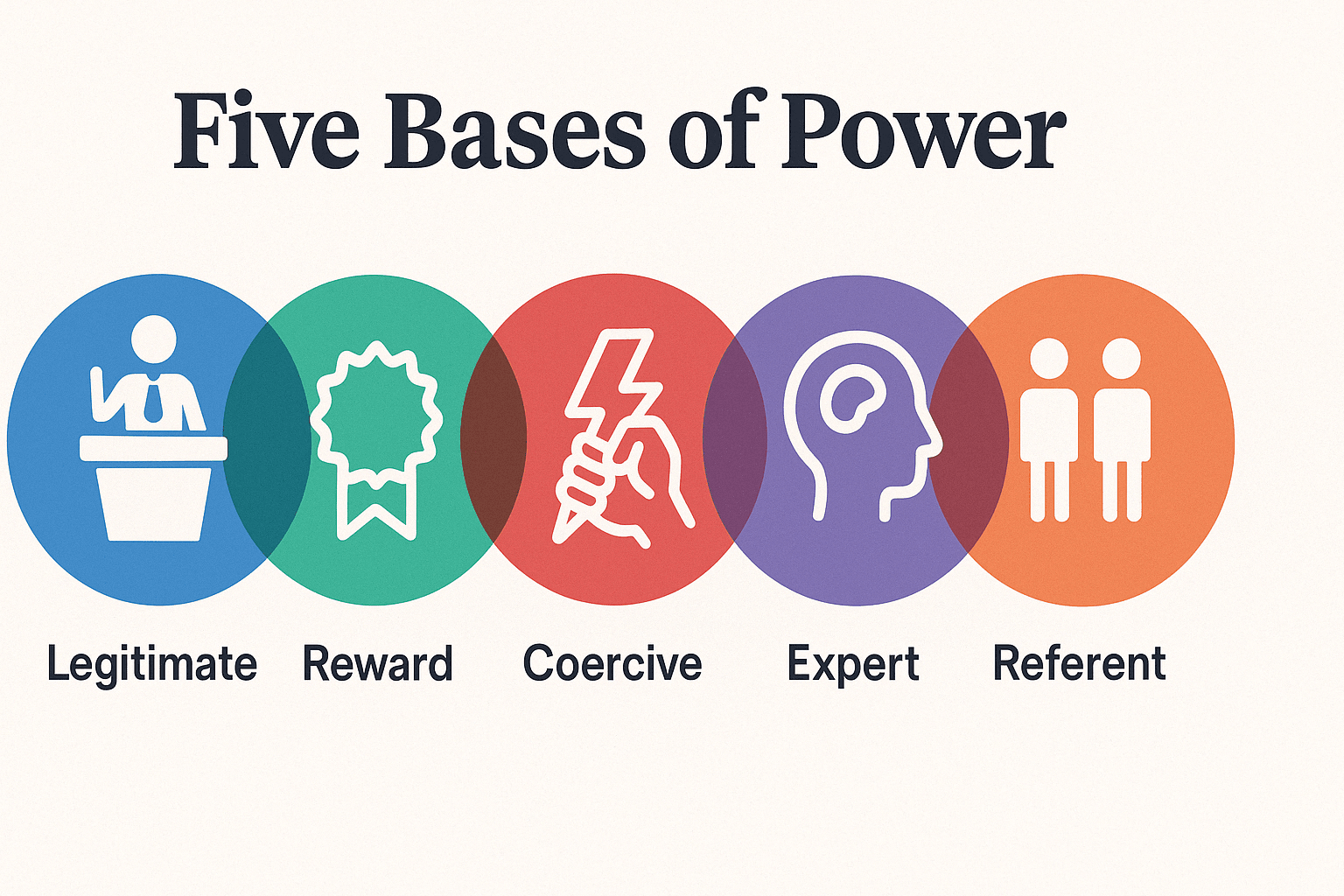
Blockbuster (Goliath): Thousands of stores, immense cash, a powerful brand. They held both **Coercive Power** and **Reward Power** that controlled the market.
Netflix (David): A red-ink-laden financial statement, a ridiculed business model. They presented a ‘de facto surrender document’ asking to be acquired for $50 million.
Antioco scoffed and refused.
Intoxicated by visible power, he failed to read the ‘invisible forces (Expert Power, Referent Power)’ Netflix possessed.
Expert Power: Understanding of internet streaming and data algorithms.
Referent Power: Support from customers weary of exorbitant late fees.
More importantly, Blockbuster’s real mistake was not realizing how fragile _their BATNA (Best Alternative To a Negotiated Agreement)_ was.
Blockbuster’s BATNA: “If negotiations fail, continue to rely on late fee revenue that customers hate.” (Self-destructive)
Netflix’s BATNA: “If negotiations fail, abandon DVDs and go all-in on streaming.” (Future-oriented)
The result is history. Blockbuster vanished, and Netflix became an empire.
1-2. Where Does Your Power Lie?
This principle applies equally to salary negotiations with your boss or discussions about household chores with your spouse.
Don’t be intimidated by your opponent’s title or the volume of their voice. Ask yourself:
⇒ What is my BATNA? If this negotiation breaks down, do I have another job offer? Can I be happy alone?
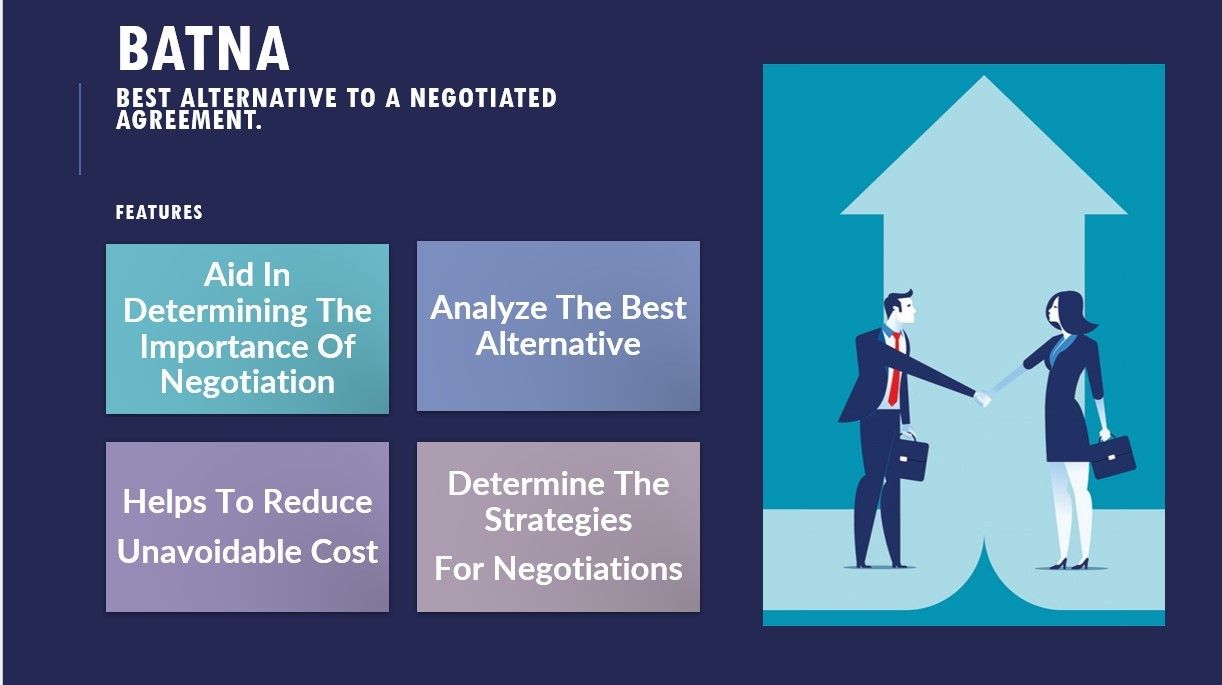
People with alternatives do not grovel.
What is the opponent’s Achilles’ heel?
Even the mighty Goliath had the weakness of ‘customer anger.’
No matter how powerful your boss seems, there’s always a point where they need you, the one holding the practical work.
Assessing the power balance is a cool-headed reconnaissance mission to find “What variables can flip this game?”
2. Identify Priorities: How to Avoid the Tragedy of the ‘Christmas Gift’
Once you’ve assessed the power, it’s time to set your ‘goals.’
You can’t conquer every peak.
It takes courage to know when to sacrifice everything else for one strategic vantage point.
Yet, we often commit the worst inefficiencies under the guise of ‘moving sacrifices.’
2-1. Ruined by Love: O. Henry’s Warning
Do you remember O. Henry’s short story, <The Gift of the Magi>?
It’s the story of Della and Jim, a poor couple.
From a cold strategist’s perspective, this is a case of ’terrible failure in Prioritization.’

Their **Primary Goal** was _‘affirming their love for each other’_.
But they fixated on the means (gifts) and made a fatal error.
Della: Sold her hair (her core asset) to buy a chain for Jim’s watch.
Jim: Sold his watch (his core asset) to buy combs for Della’s hair.
⇒ The result? A watch chain without a watch, combs for hair that’s gone. They turned each other’s gifts into perfect ‘Deadweight Loss.’
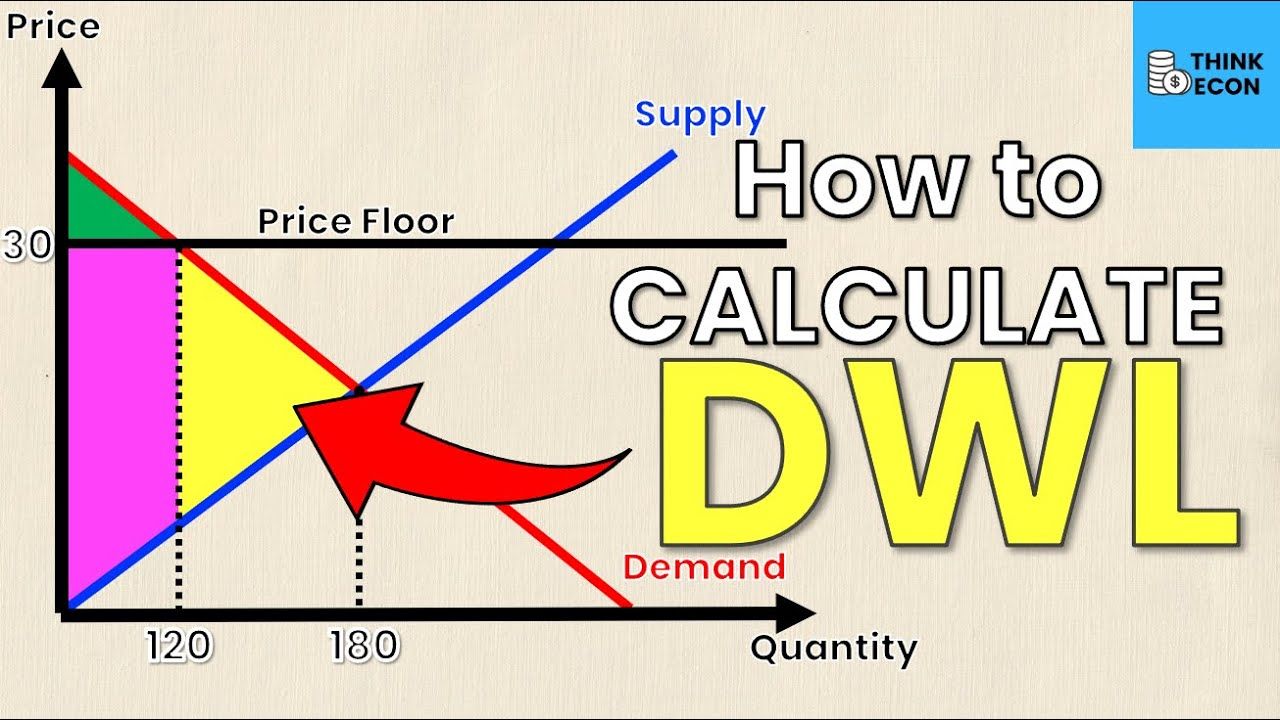
In terms of resource allocation efficiency, there’s no more perfect ‘Lose-Lose’ game.
2-2. Della and Jim in the Business World: Misaligned KPIs
This sad comedy repeats itself in companies.
Marketing Team: To meet lead quotas, they pass low-quality customer lists to the sales team. (Sold hair to buy watch chain)
Sales Team: Ignores leads due to low quality, focusing only on efficiency. (Sold watch to buy combs)
Both teams share the same _overarching goal (‘Increase Sales’)_ but get bogged down in their sub-goals (KPIs) and attack each other.
The company wastes money, and sales stagnate.
This isn’t because the employees are bad, but because the organization’s Alignment of priorities has failed.
2-3. What is Your ‘Hair’?
Before you fight, grab a piece of paper and write.
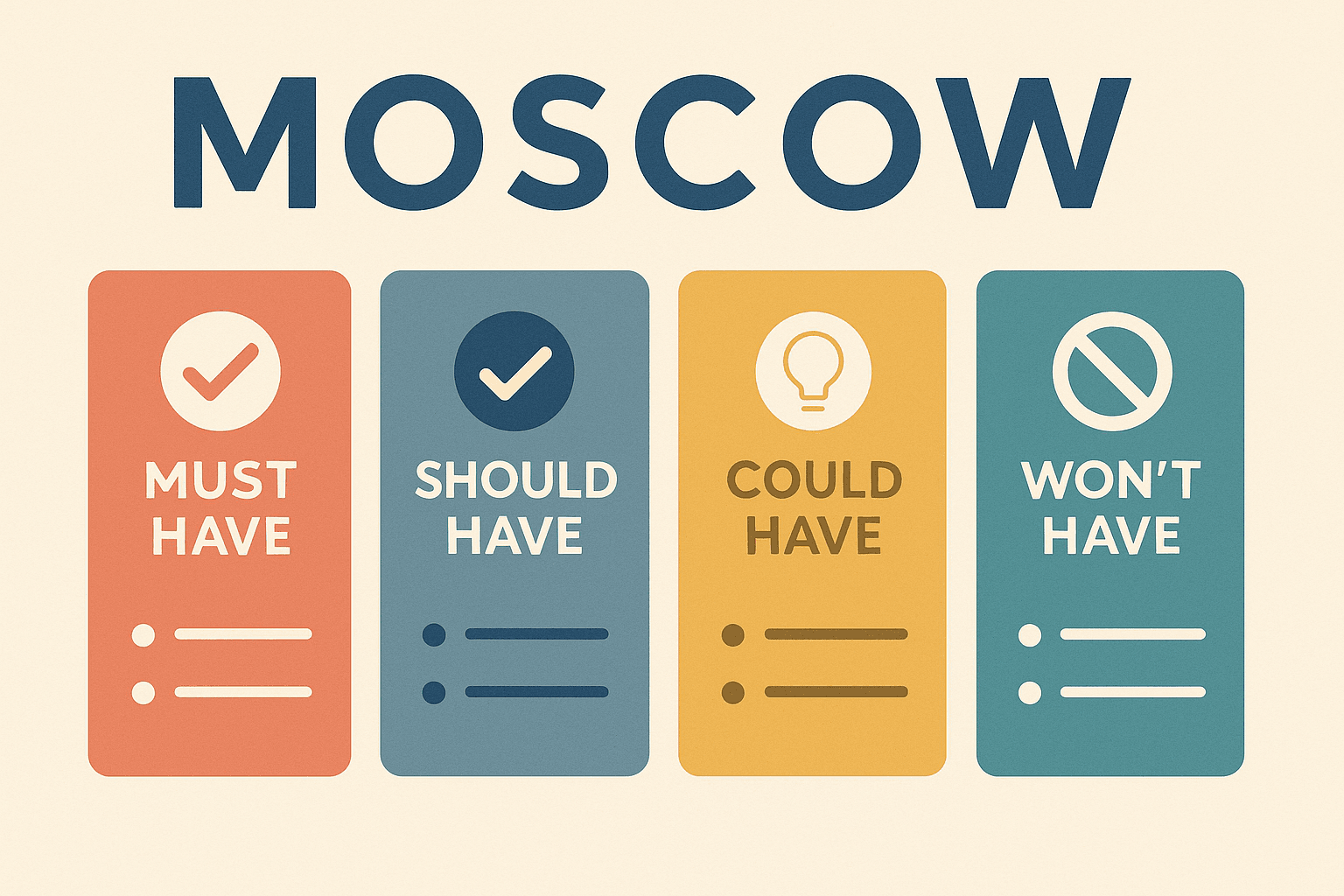
Let’s borrow from the modern business methodology, MoSCoW.
Must Have: The one thing I absolutely cannot give up. (e.g., A salary increase? Remote work?)
Trade-off: What I am willing to sacrifice to get it. (e.g., I’ll accept overtime to get a higher salary.)
Distinguish between **‘important’** and **‘urgent.’**
When the other person raises their voice, we enter ‘urgent mode’ to defend ourselves.
At that moment, pause and ask: “Am I defending **my pride (the watch chain)** or **my substantive gain (love)?”
3. Focus on Interests, Not Positions: The Wisdom of the Orange Peel
Here comes the golden rule from the Harvard Negotiation Project.
“Focus on Interests, Not Positions.”
3-1. Foolish Fairness vs. Wise Unfairness
Two sisters fight over the last orange. “It’s mine!” “No, I want it!”
Their positions clash. A lazy mediator would then cut the orange exactly in half. “Fair enough?”
The result is disastrous. The older sister ate the pulp and threw away the peel. The younger sister used only the peel for her cookies and discarded the pulp.
Both got 50% satisfaction but simultaneously threw 50% into the trash.
What if they had asked, “Why on earth do you need the orange?”
They could have achieved an Integrative Negotiation where the older sister got 100% of the pulp and the younger sister got 100% of the peel, thus expanding the pie.

3-2. The Camp David Miracle: Territory or Security?
This principle has even averted wars between nations.
In 1978, Egypt and Israel were in a standoff over the Sinai Peninsula.
Egypt (Position): “It’s our land. Return 100%.”
Israel (Position): “If you return it, you’ll attack again. We can’t give it back.”
President Jimmy Carter dug into the **underlying desires (Interests)**.
Egypt’s Interest: Sovereignty and national pride.
Israel’s Interest: Security and survival.
The solution?
“Acknowledge Egypt’s ownership of the land (satisfying sovereignty), but make it a demilitarized zone, so no troops are stationed there (satisfying security).”
This is how the historic Camp David Accords were born. They perfectly divided the orange peel and pulp.
When your boss makes an unreasonable demand, don’t just retort, “No!” (Position).
Find out the _hidden desires (face-saving, anxiety, need for reporting)_ behind it. That is the key to controlling the game.
4. Select Response Mode: Ditch the Hammer, Grab a Swiss Army Knife
Once the situation analysis is complete, it’s time to act.
Amateurs react according to their personality.
Impatient people always shout (compete), while the soft-hearted always concede (accommodate).
This isn’t strategy; it’s a reflex.
Professionals selectively use the 5 tools from the TKI (Thomas-Kilmann Conflict Mode Instrument) like a MacGyver knife.
Competing: “My way or the highway.” (I win, You lose) When? In crises, on matters of principle, when the other party is unreasonable. (Abuse leads to relationship breakdown)
Accommodating: “Whatever you say.” (I lose, You win) When? When you’re wrong, when the issue is more important to the other party, when you want to build ‘social capital.’
Avoiding: “Let’s talk later.” (I lose, You lose) When? When the issue is trivial, when emotions are too high (strategic retreat). (Remember, this is delay, not resolution)
Compromising: “Let’s split the difference.” (Split the difference) When? When time is short, as a fallback when collaboration fails.
Collaborating: “Let’s find a third way.” (Win-Win) When? When both parties’ goals are important, when long-term trust is needed. (Requires significant energy)
Are you someone who only carries a hammer?
When your boss makes an unreasonable demand **(a Competitive situation)**, blindly accommodating (Accommodating) isn’t the only answer.
You need the flexibility to temporarily excuse yourself **(Avoiding)** to buy time,
and then prepare data to suggest, “To achieve your goal, Plan B is more effective, Boss” **(Collaborating)**.
5. Design Strategy Series: Be a Commander, Not a Tactician
The final step isn’t finding a ‘move of genius,’ but designing a ‘flow of moves.’
Conflict isn’t a single match but a living thing that changes over time. Employ a ‘strategy series’ that connects multiple responses.
5-1. 13 Days That Saved Humanity: Kennedy’s Hybrid Strategy
During the 1962 Cuban Missile Crisis, President Kennedy didn’t just press a button.
Open Competition (Competing): He showed his strength through a naval blockade and public address. “Cross the line, and we’ll fire.”
Secret Collaboration (Collaborating): He made a backroom deal with the Soviets through his brother, Robert Kennedy. “If you remove the missiles from Cuba, we’ll remove ours from Turkey. But it must be secret.”
Outwardly, he applied pressure to save face; inwardly, he opened an exit route to secure practical benefits.
Thanks to this perfect choreography, humanity avoided World War III.
5-2. Mandela’s Great Roadmap
South Africa’s Nelson Mandela also prevented a bloodbath through the ‘Truth and Reconciliation Commission (TRC).
“If you confess the truth (Truth), you will receive amnesty (Amnesty).”
This was a grand collaborative model that exchanged the Black victims’ **Interest (establishing the truth)** with the White perpetrators’ **Interest (survival).**
To achieve this, he sometimes acted tough (competing), sometimes showed tolerance (accommodating/collaborating), conducting a complex scenario.
Conclusion: Your Story Must Be Rewritten
We’ve sprinted through the 5-step roadmap.
Why did you always fight losing battles? It’s not because you’re weak or foolish.
It’s simply because you were too immersed in ‘your own story’ to read the game.
Now you have a map.
Believe in invisible power (BATNA).
Don’t mistake the means for the goal and cut away what’s precious (Priority).
Look for the desire (Interest) behind the orange peel, not the peel itself.
Choose the right tool (Response Mode) for the situation.
Design a scenario (Strategy Series), not a single move.
Conflict is not a disaster to be avoided.
It’s the most honest signal that “something isn’t aligned between us right now.”
Ignore this signal, and it becomes noise; analyze it rationally, and it becomes the seed of innovation.
Next time someone gets under your skin, embrace that moment when your heart pounds.
And then, smile inwardly and think:
“Alright, time to activate my 5-step roadmap?”
At that moment, you will already be the master of that conflict.