
Close Yet So Far: The Invisible Wall Between Us
The 1-Second Facial Expression That Shattered a 10-Year Friendship
Here are ‘Jisoo’ and ‘Minho,’ friends for 10 years and colleagues.
They nurtured dreams together since college and were cohort members upon joining the company.
They were soulmates who knew each other’s moods just by looking into each other’s eyes.
However, just 3 months after Minho was promoted to team leader and Jisoo became his team member, their 10-year friendship shattered into pieces.
What on earth happened?
There were no dramatic events like betrayal or embezzlement.
The downfall began with a trivial, fleeting moment.
One afternoon, Minho approached Jisoo, exhausted from working overtime, and handed her a stack of documents. **“Jisoo, you can analyze this by the end of the week, right? It’s urgent.”
Jisoo, already struggling to breathe under the pressure of three deadlines.
But she didn’t want to disappoint Minho, her friend and now boss.
She hesitated for about a second, then replied with a slight upturn of her lips. **"…Yes, I understand."
This short exchange was the prelude to tragedy.
Three weeks later, Jisoo applied for a department transfer, accusing, “Minho is an authoritarian dictator,” and
Minho, at a drinking session, lamented, “Jisoo is two-faced and untrustworthy.”

What went wrong? They didn’t fight because of ‘work.’
They hit ‘an invisible wall.’
As research from Stanford University and numerous psychology books commonly point out, relationship breakdowns stem not from ‘differences in intent’ but from ’errors in delivery.’
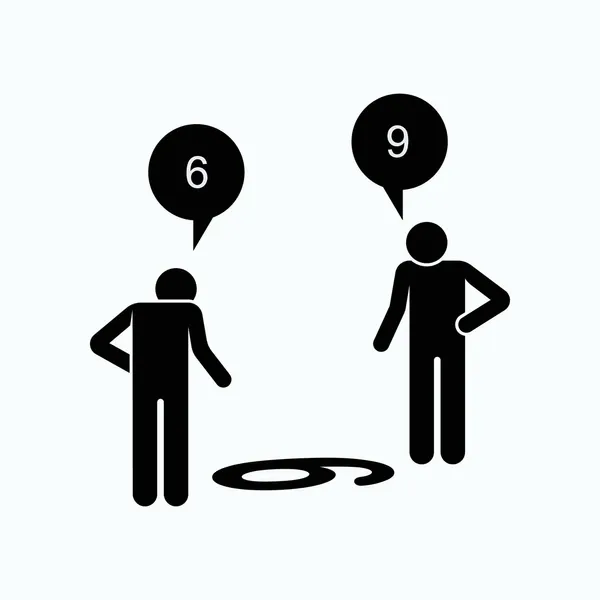
Today, we will microscopically examine the 4 communication disasters that stood between Jisoo and Minho.
And we will present two powerful psychological solutions that could have prevented this downfall.
1. Conflicting Signals: The Brain Detects Lies in 0.1 Seconds
The first seed of conflict is ‘Incongruence.’
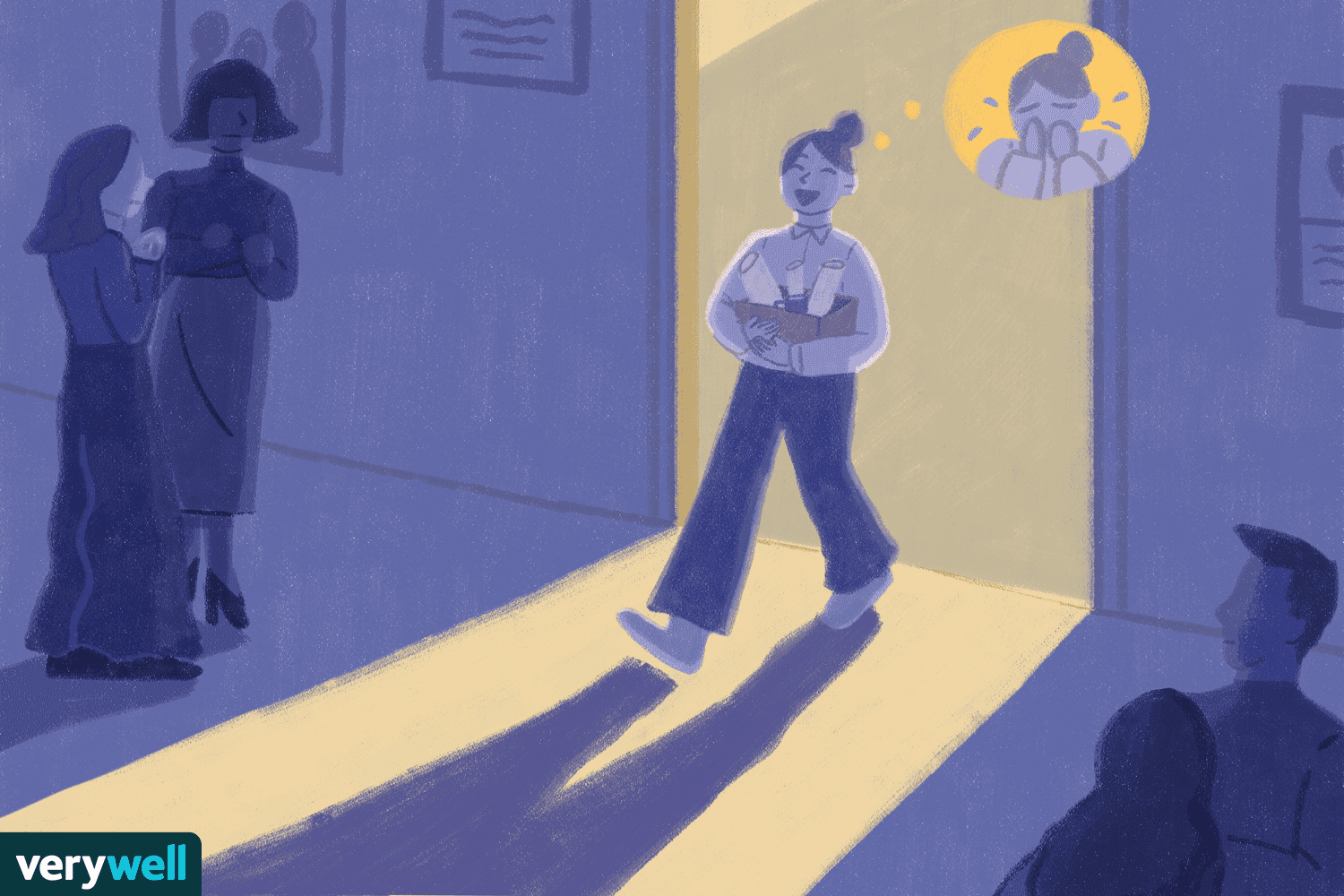
Jisoo’s lips said “Yes,” but her body was screaming.
Verbal: “Yes, I understand.” (Acceptance)
Non-verbal: Weak voice, averted gaze, stiff shoulders, snatching the documents. (Rejection)
‘The Rule of 7-38-55’ proposed by UCLA psychology professor emeritus Albert Mehrabian perfectly explains this situation.
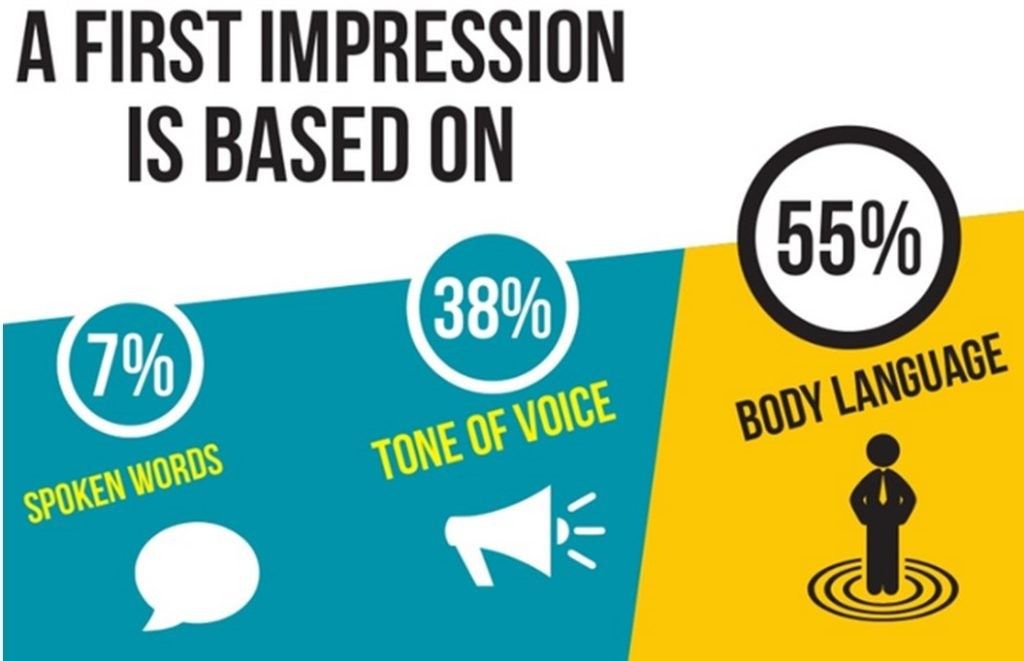
When people judge a person’s likeability or attitude, the content of the speech (verbal) accounts for only 7%.
The remaining 93% is determined by auditory (voice tone 38%) and visual (facial expressions, demeanor 55%) information.
‘The words are only 7%, the rest is determined by attitude and voice.’
Minho’s brain falls into confusion.
His conscious mind heard the 7% “Yes,” but his instinct (amygdala) detected the 93% “No.”
Psychology views this as stress similar to a ‘Double Bind’ situation.
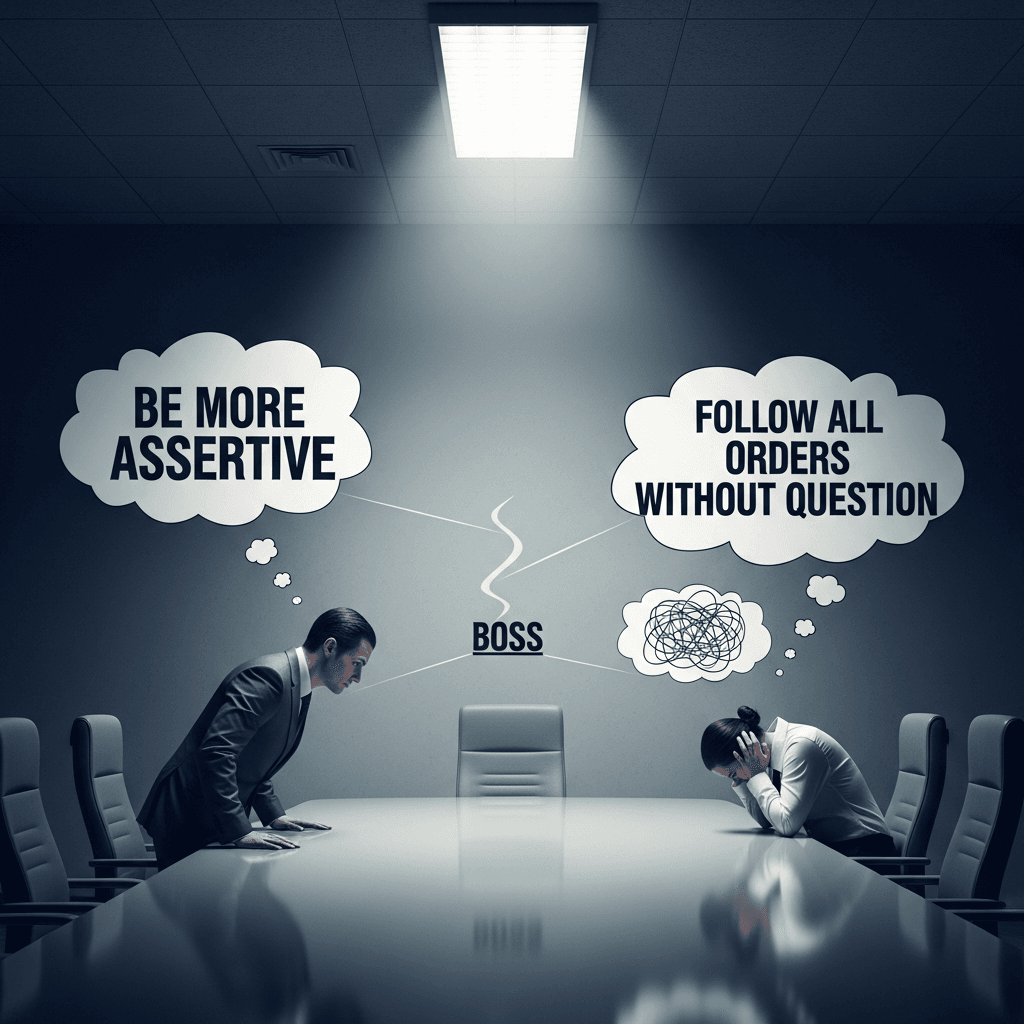
When receiving two contradictory messages simultaneously, the human brain instinctively adopts the ‘more primitive signal (non-verbal)’ as truth for survival.
In other words, Jisoo’s reply sounded to Minho not like “I understand,” but like “I am deceiving you right now, and I terribly dislike your instructions.”
Jisoo’s ‘white lie’ was registered by Minho as a signal of ‘deception.’
This is the fuse for conflict.
2. Invisible Glasses: You’re Writing a Novel Right Now
Minho’s brain, receiving incongruent signals, creates a ‘gap in interpretation.’
“Why on earth are Jisoo’s words and actions different?” To fill this gap, the human brain immediately enters writer mode: ‘Assumption.’
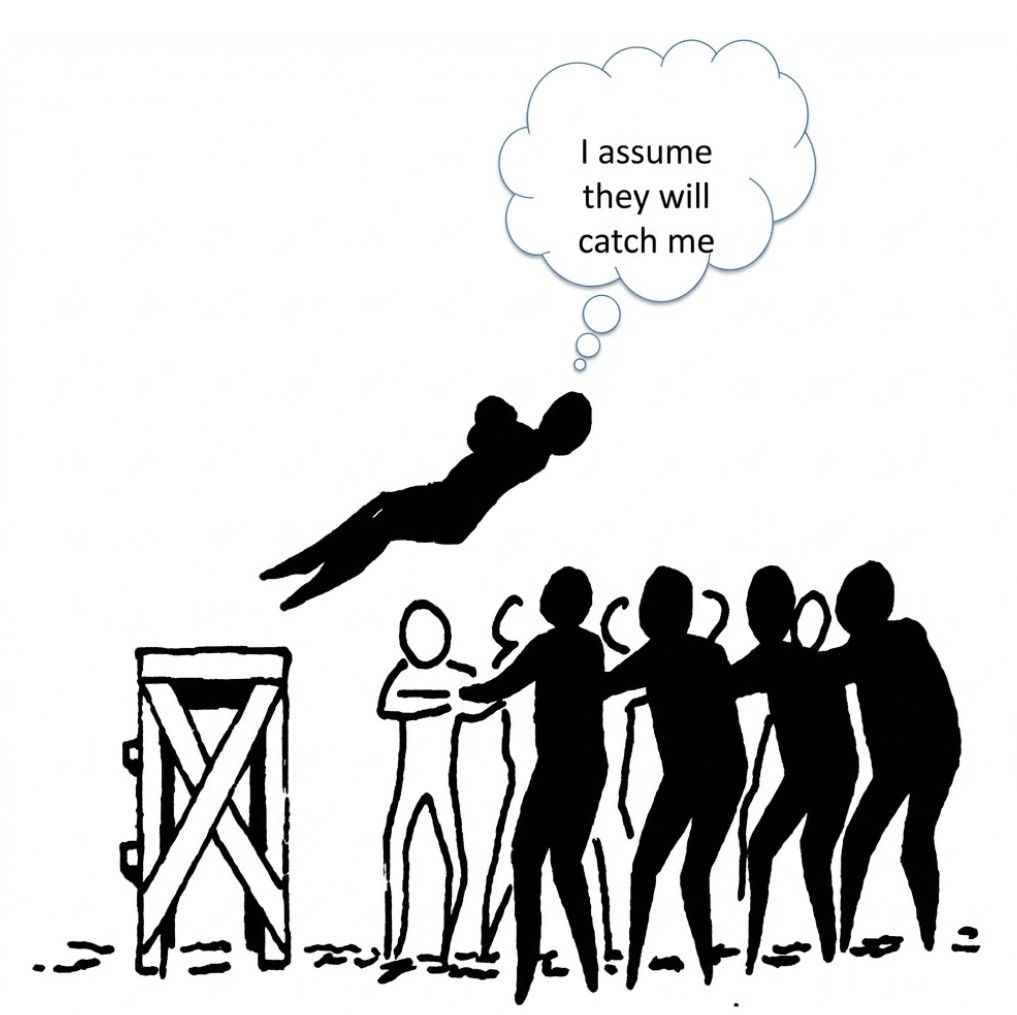
The problem is that our brains prefer sensational dramas over facts.
Here, two fatal psychological errors come into play.
① Fundamental Attribution Error
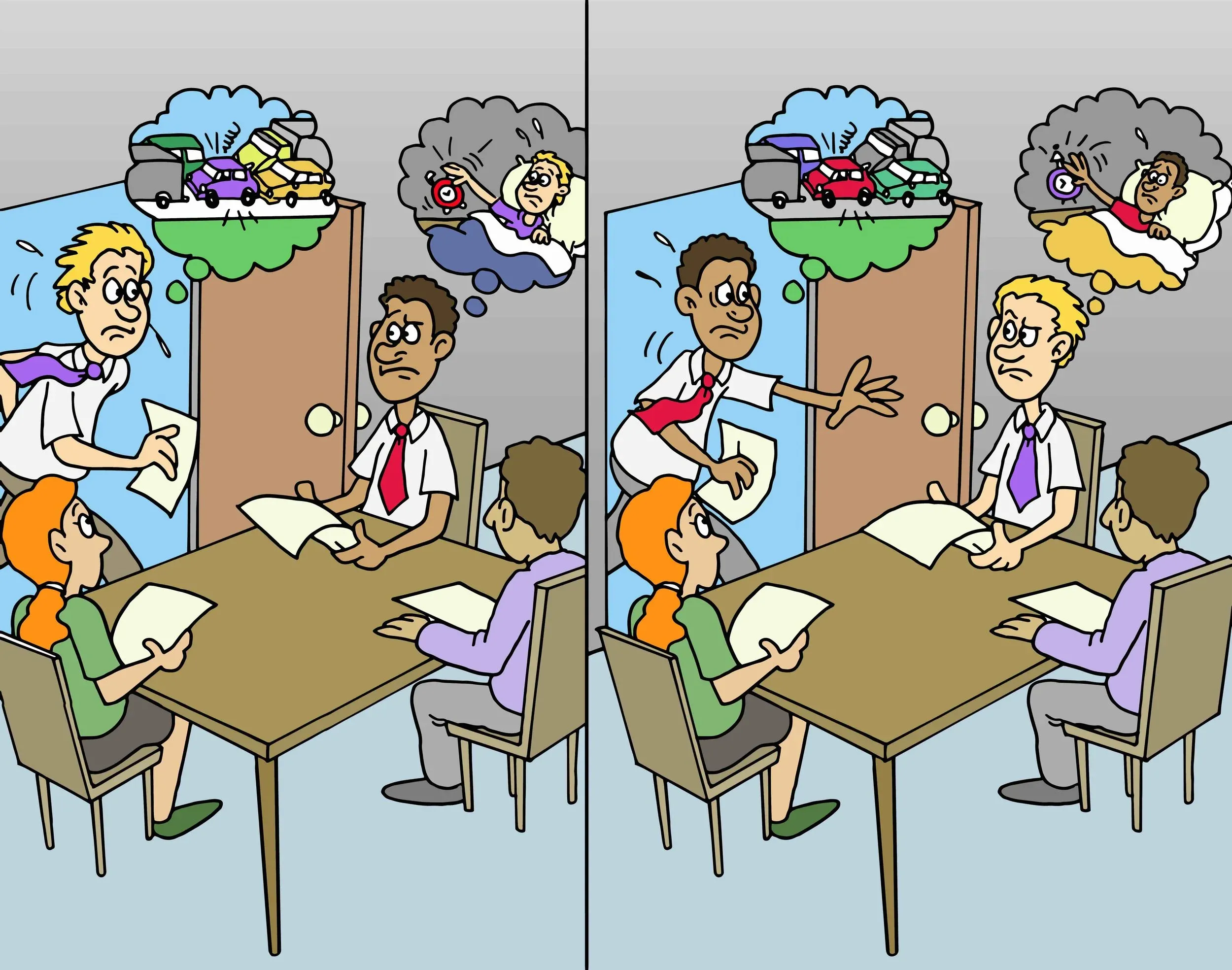
Minho attributes Jisoo’s behavior not to the situation (excessive workload, fatigue) but to her disposition (personality, character).
Rational Interpretation: “Jisoo must be having a hard time because she has too much work right now.”
Minho’s Error: “Jisoo is disrespecting me, her team leader. She’s always been jealous and can’t stand to see me succeed.”
② Psychological Projection

‘Projection,’ a defense mechanism described by Freud, occurs.
In reality, Minho, as a novice team leader, had deep anxiety about ‘whether he could do well.’
But his ego, unwilling to admit this anxiety, throws this emotion onto Jisoo.
Minho’s Unconscious: “Am I not qualified to be a team leader?” (Inner anxiety)
Result of Projection: “Jisoo thinks I’m not qualified to be a team leader!” (Transferred to an external enemy)
Now Minho is wearing ‘colored glasses.’
Even if Jisoo simply sighs out of exhaustion, Minho sees it as ‘a signal of rebellion.’
This is precisely ‘Confirmation Bias.’
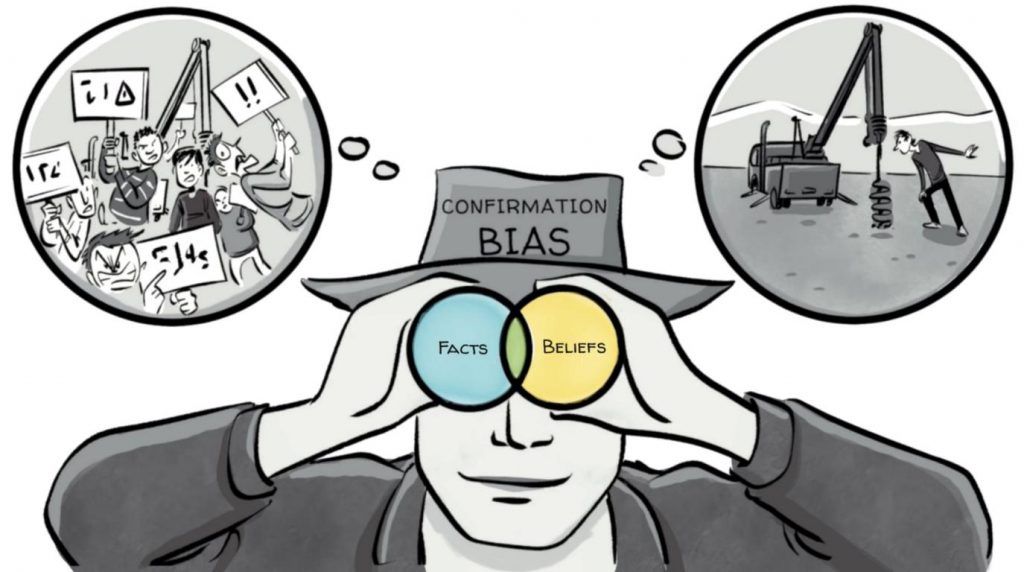
Once labeled an ’enemy,’ every action begins to look like an attack.
3. The Wall Called Silence: Avoidance is Not Peace, It’s a ‘Silent War’
Upset by ominous assumptions, Minho stops talking to Jisoo.
Jisoo, sensing Minho’s cold attitude, also falls silent.
While the two believe they chose ‘silence’ to avoid conflict, psychologically, this is the worst choice.
World-renowned marital therapist Dr. John Gottman identifies ‘Stonewalling,’ or silence, as one of the four factors that destroy relationships.

Silence is not ’neutral.’
It is ‘Passive Aggression,’ constantly sending the unspoken message, **“You are not even worth talking to.”
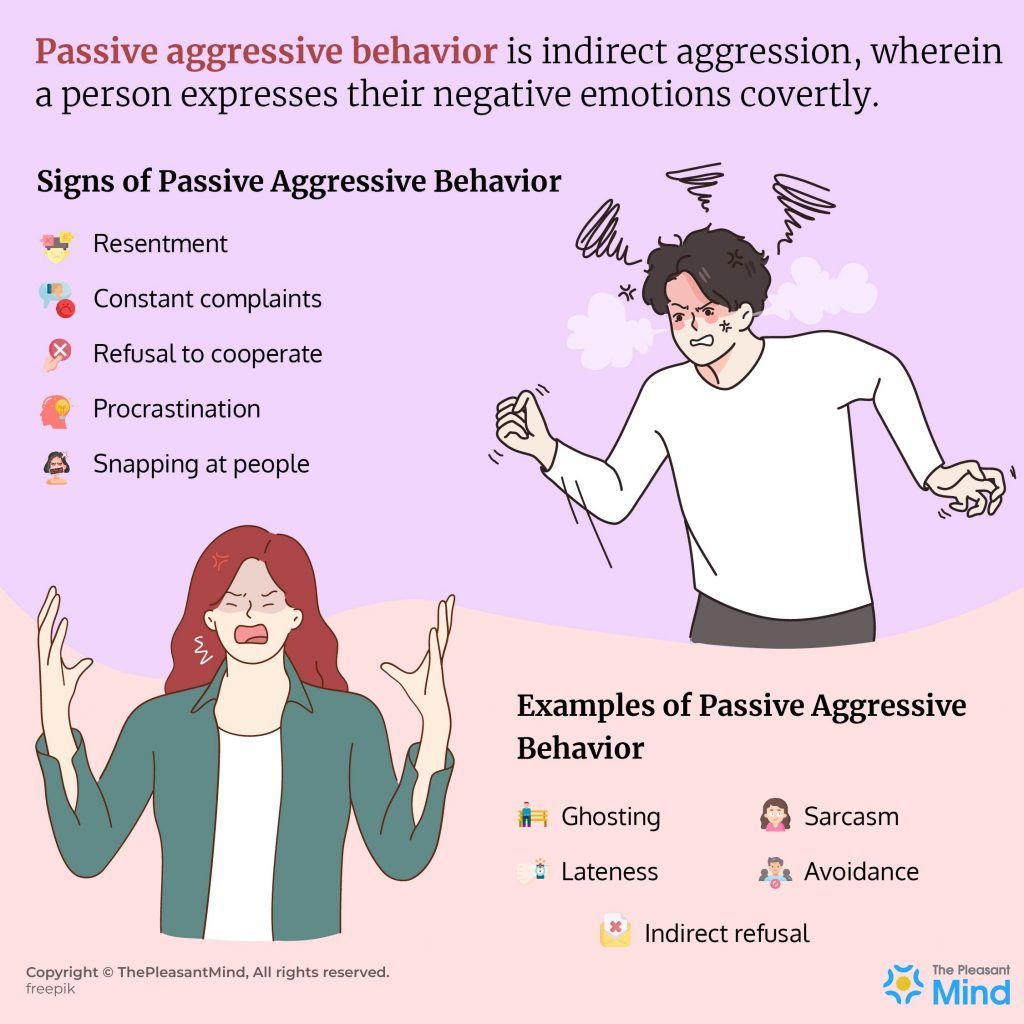
Criticism at least proves there is ‘interest’ in the other person, but silence is like a ‘death sentence’ for the relationship.
The phenomenon of ‘Cognitive Miser’ occurs between Jisoo and Minho.

They shut down the mental energy required to think about and understand each other.
The office atmosphere becomes heavy, and work collaboration devolves into dry notifications exchanged only via email.
They are in the same space but are psychologically further apart than opposite ends of the Earth.
4. Conversation in the Fog: The Violence of “Figure It Out Yourself”
As the silence lengthens, anxiety intensifies.
The project deadline is approaching, and they need to talk, but emotions are hurt.
At this point, people wear the cowardly mask of ‘Ambiguity.’
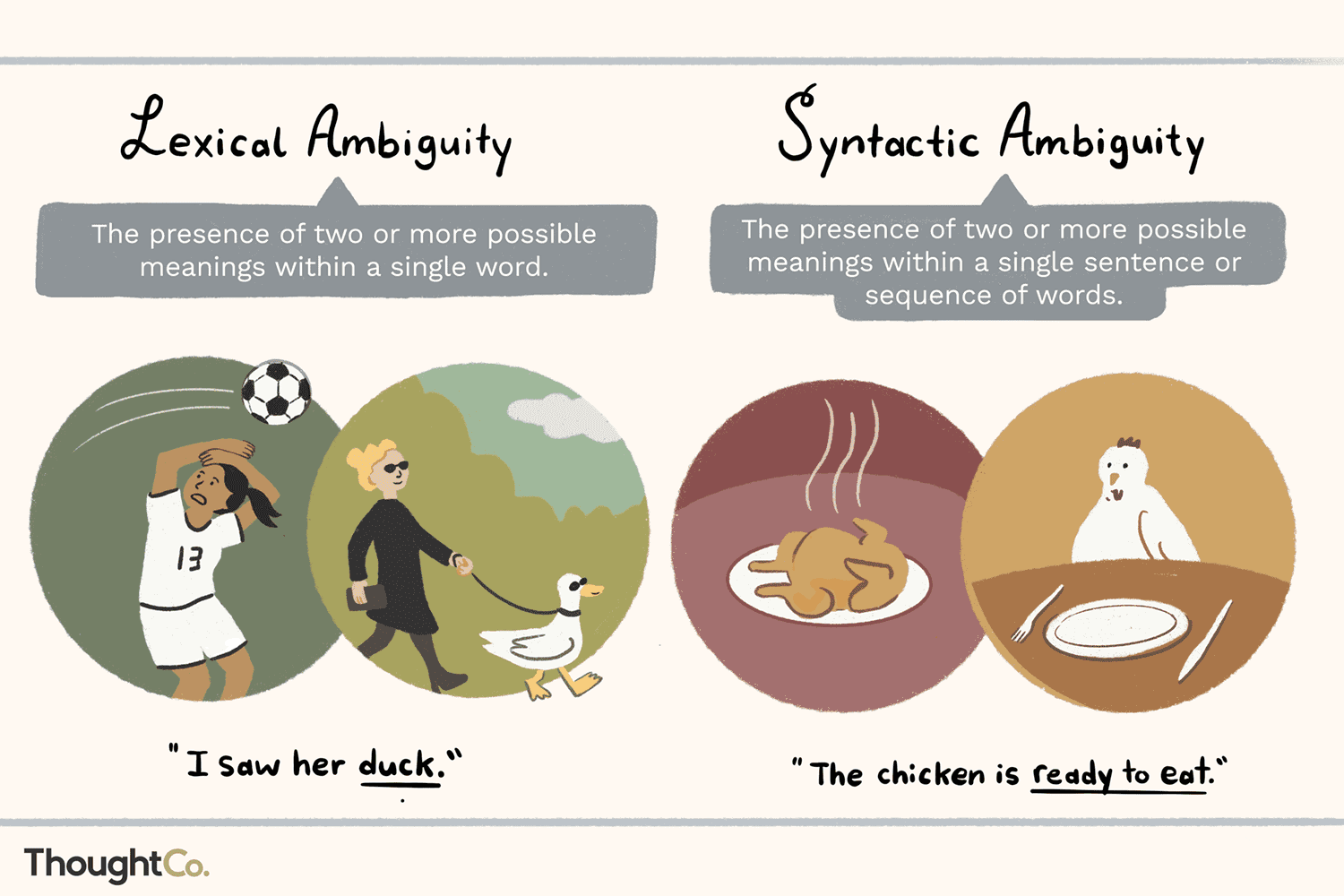
Look at the email Minho sent to Jisoo.
“Jisoo, please handle that matter appropriately based on the situation. I trust your expertise.”
While polite on the surface, this sentence carries toxic undertones.
“Appropriately”: By not providing criteria, it creates an escape route for blame later: “Was that appropriate?”
“I trust your expertise”: It builds a pretext for attack if they fail: “Can’t a professional do even that?”
This is not communication but ‘Blame Shifting.’
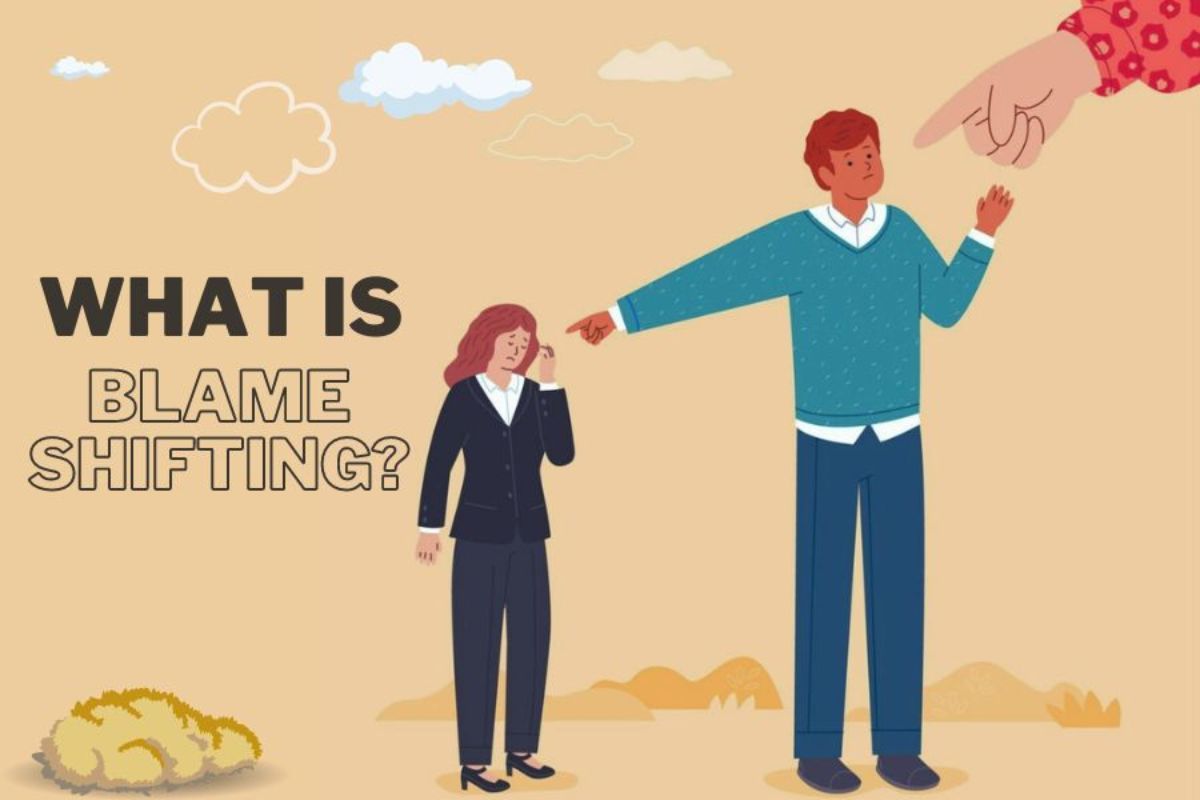
Clear instructions entail clear responsibility, so the anxious Minho utters foggy words.
_Receiving these ambiguous instructions, Jisoo falls again into the swamp of negative ‘assumption’ (Step 2). _“They’re trying to dump the work on me and shift the blame.”
Thus, the vicious cycle of [Incongruence → Assumption → Silence → Ambiguity] is completed.
5. Solution 1: Beyond Pretending to Listen, Calm Your ‘Brain,’ Not Just Your Ears
Is there a way to break down this solid wall?
We need to reverse the system.
The first key lies not in my mouth but in my ears. It’s ‘Active Listening.’
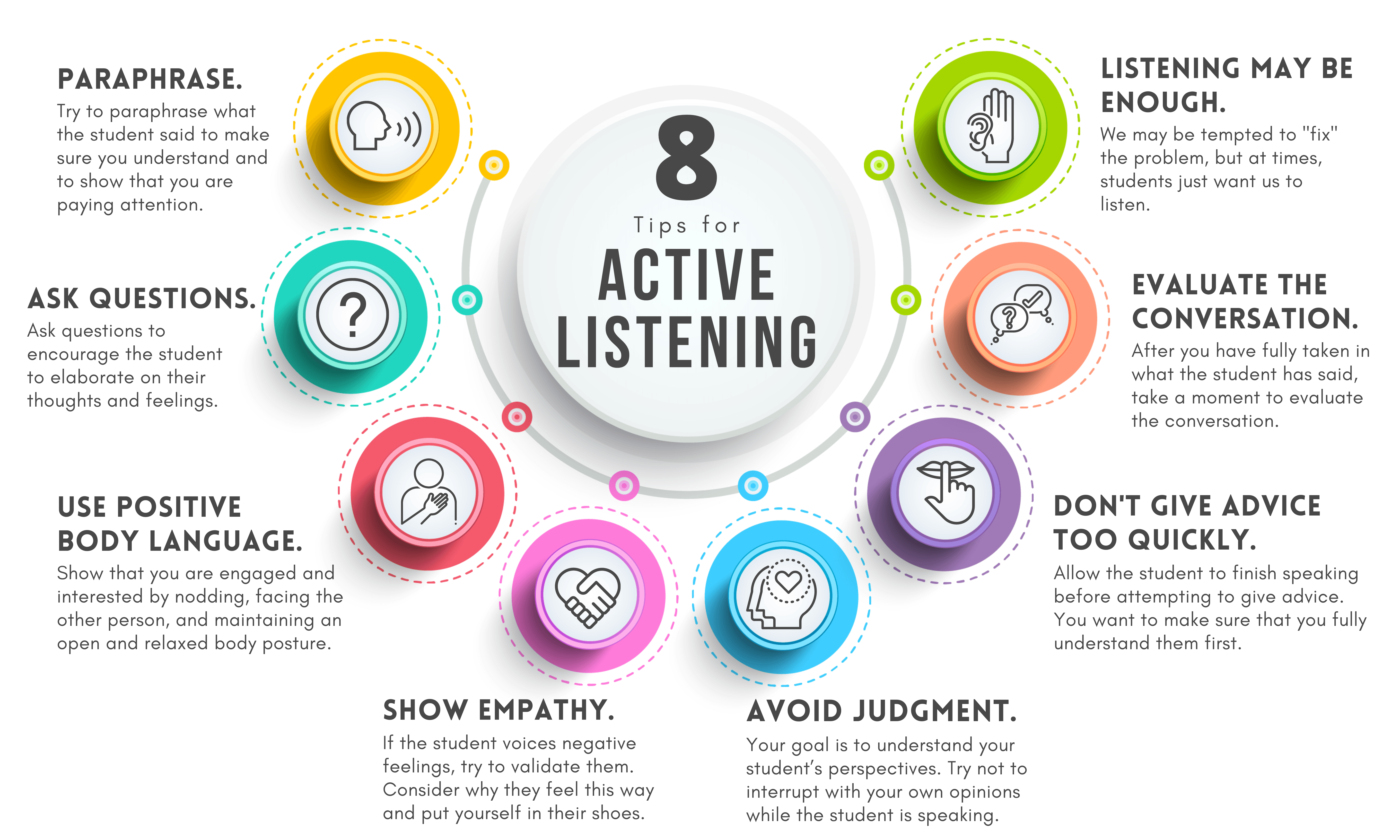
However, true listening is “the process of decoding and reflecting the other person’s emotions.”
What if Minho had asked this at the beginning of the conflict?
“Jisoo, when you agreed to my request earlier, your expression seemed a bit down. Are you feeling burdened or troubled because my request was too much?”
This is the core of active listening advocated by Dr. Thomas Gordon.
Observation: Capture the other person’s non-verbal cues (facial expressions),
Reflection: And name the emotion (burden, trouble) they might be feeling verbally.
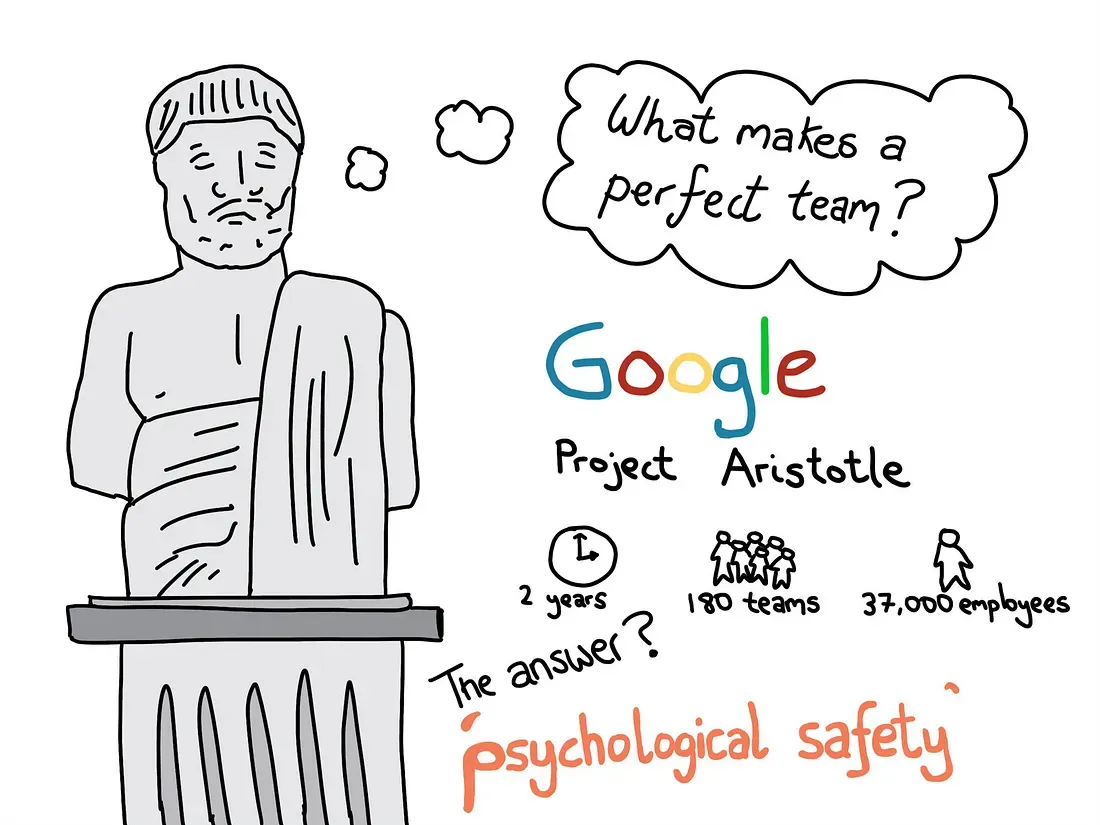
Google’s ‘Project Aristotle’ revealed that psychological safety is the sole commonality among high-performing teams.
Active listening creates precisely this safety.
“My feelings have been understood! And accepted!” The moment this feeling occurs,
the amygdala (alarm system) in Jisoo’s brain turns off, and the prefrontal cortex (rational thinking) turns on.
“Actually… Team Leader. I have three deadlines overlapping right now. I was afraid you’d be disappointed if I refused, so I forced myself to accept it…”
This is the moment misunderstanding turns into truth.
Minho’s delusion (she’s disrespecting me) disappears, and the fact (work overload) is revealed.
6. The Art of Vulnerability: Getting What You Want Without Blame
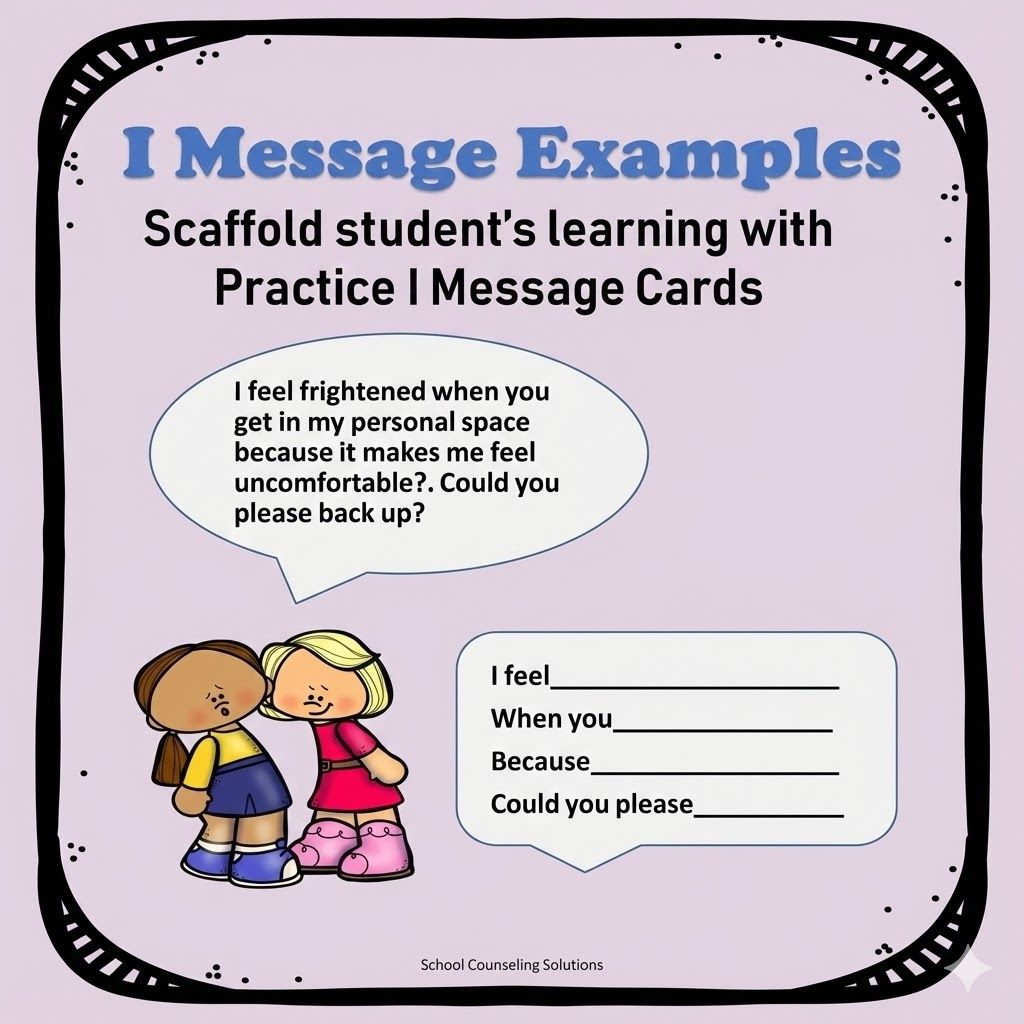
Once the other person’s defenses are lowered through listening, it’s time to convey your own intentions. This requires ‘I-Message.’
Most conflict conversations start with “You.”
“Why is your face like that?”
“You’re always full of complaints.”
This is criticism and evaluation. The other person immediately goes on the defensive.
On the other hand, ‘I-Message’ changes the subject to “I.”
And instead of criticizing the other person, it reveals my ‘Vulnerability.’
As Professor Brené Brown says, revealing vulnerability is not weakness, but the greatest courage.
[Minho’s I-Message Reconstruction]
Behavior (Fact): “When Jisoo sighed and said ‘Yes’ earlier…” (The fact as it is)
Feeling: “I was honestly a bit taken aback and anxious.” (Confessing the primary emotion ‘anxiety’ rather than the secondary emotion ‘anger’)
Impact: “Because I was worried we wouldn’t be able to start the work well as a team.” (A rational reason, not blame)
When I honestly express my feelings instead of blaming, the other person becomes a partner, not an enemy.
The power of this communication style is astonishing.
When Minho confesses, “I was anxious,” Jisoo perceives him not as a ‘dictator to be attacked’ but as a ‘colleague to be helped.’
Since there’s no blame, there’s no need to defend.
“Ah, Team Leader. You felt that way. I apologize. Actually, I was just so exhausted…”
Now, the two transition from ’enemies attacking each other’ to ‘partners solving a problem together.’
The wall becomes a door.
Conflict is Not Proof of a ‘Bad Relationship’ but an Opportunity for ‘Growth’
We dream of relationships without conflict, but the absence of conflict might mean one person is enduring it (silence) or that there’s mutual indifference.
A healthy relationship is not one without conflict, but one where we confirm and connect with each other’s ‘hidden hearts’ through conflict.
The case of Jisoo and Minho is the story of all of us.
We too easily ignore 93% of non-verbal signals (incongruence), judge others arbitrarily (assumption), shut our mouths out of fear (silence), and speak vaguely to avoid responsibility (ambiguity).
But remember the two tools introduced today: ‘Active Listening’ and ‘I-Message.’
An ear that reads the emotions hidden behind the other’s words,
A mouth that honestly shows my fragile emotions.
With these two, any solid wall of miscommunication can be turned into a door of communication.
What if today, you approach the person you’ve been avoiding due to awkwardness and start like this?
“I’ve been thinking about our conversation the other day; it felt like we were a bit out of sync. How were you feeling then?”
This small courage will save your relationship.
References
Scott, G. G. (2025). Smart Mistakes You Didn’t Know You Were Making (Vol. 2). Apple Books.
Mehrabian, A. (1971). Silent Messages: Implicit Communication of Emotions and Attitudes. Wadsworth. (Original source of the 7-38-55 rule)
Gordon, T. (2000). Parent Effectiveness Training. Three Rivers Press. (Foundational theory for Active Listening and I-Message)
Gottman, J. M. (2015). The Seven Principles for Making Marriage Work. Harmony. (Research on stonewalling and the Four Horsemen of the relationship apocalypse)
Brown, B. (2012). Daring Greatly. Avery. (The power of vulnerability)
Heider, F. (1958). The Psychology of Interpersonal Relations. Wiley. (Attribution theory and the fundamental attribution error)