

“I just can’t get through to that person.”
This is the most common phrase heard at after-work drinks, and it’s the biggest culprit driving us to seek psychological counseling.
You, reading this, might have muttered this exact phrase about a colleague just yesterday, or even moments ago before closing your messenger window.
We fight invisible wars every day in the jungle of the workplace.
In meetings, my precious ideas are butchered,
And on work messengers, I get into subtle power struggles over curt, insincere replies.
And how do you feel carrying that stress home?
A spouse’s trivial remark can cause the volcano of suppressed anger to erupt.

“I was just stating the facts,” “Logically, this is the correct way.”
We protest like this.
But did you know?
Ironically, your perfect, cold logic isn’t solving the conflict; it’s pouring fuel on the fire.
Relationship expert Gini Graham Scott points out that
the most fatal mistake we make in relationships with others is ‘mistaking the other person for someone with the same logical framework as oneself.’
They might as well be aliens speaking a different language.
Today, we’ll shift our focus outward.
We will explore the psychological alchemy of navigating the inscrutable planet of ‘other people’ and transforming exhausting ‘war’ into productive ‘collaboration’. We’ll break down the concrete methods from the perspectives of neuroscience and negotiation theory.
I. Disarming Psychological Defenses: The Disaster of “You’re Wrong”
Let’s consider a scenario.
It’s a meeting time between Marketing Team Lead A, who is strong on execution, and Development Lead B, who is cautious and meticulous. Team Lead A proposes a new feature they’ve meticulously prepared. Lead B folds their arms, shakes their head, and says, “That’s technically impossible. And the schedule is too tight right now. The risks are too high.”
So, what happens in Team Lead A’s brain at this moment? Do they simply think, ‘The schedule doesn’t match’? Absolutely not.
The Conflict Switch Revealed by Neuroscience, ‘Amygdala Hijack’
From a neuroscience perspective, the moment someone directly refutes our opinion, our brain perceives it as an equivalent to a physical ‘bodily attack’.
At this point, _the amygdala, the part of the brain responsible for survival instincts and fear, rings a loud alarm, triggering a ‘Fight or Flight’ response_.
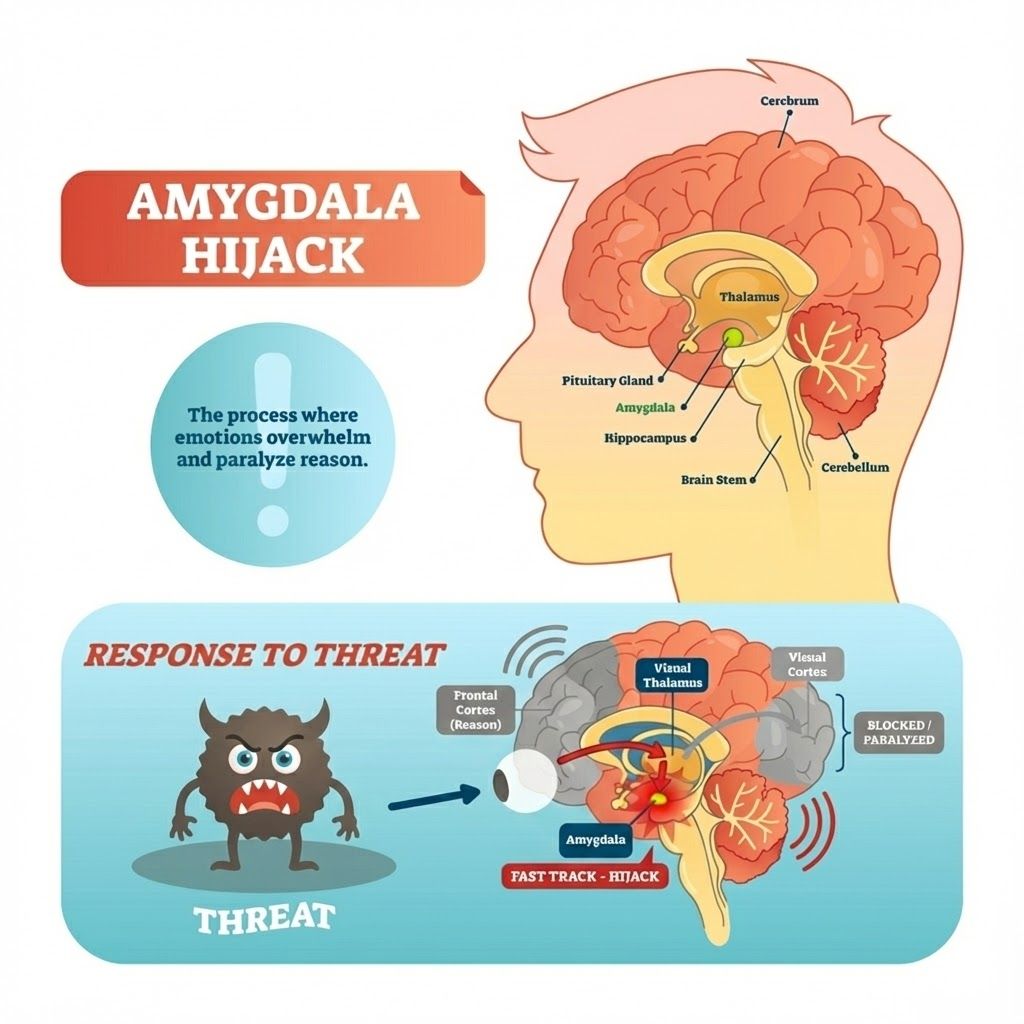
In this state, _the function of the prefrontal cortex, responsible for reason, is paralyzed_.
Psychologist Daniel Goleman named this ‘Amygdala Hijack’.
It means rational thought has been taken hostage by emotion.
Now, Lead B’s words don’t sound like ‘reasonable concerns about the schedule’ to Team Lead A’s ears.
They are distorted into ‘disregard for me,’ ‘a challenge to my authority,’ or ‘an excuse because they don’t want to work.’
The amygdala commands that interpretation. Ultimately, Team Lead A snaps:
“Lead B, you always say no. Don’t you have the will to try? Why are you being so unprofessional?”
This is the _‘Death Spiral’_ of conflict.
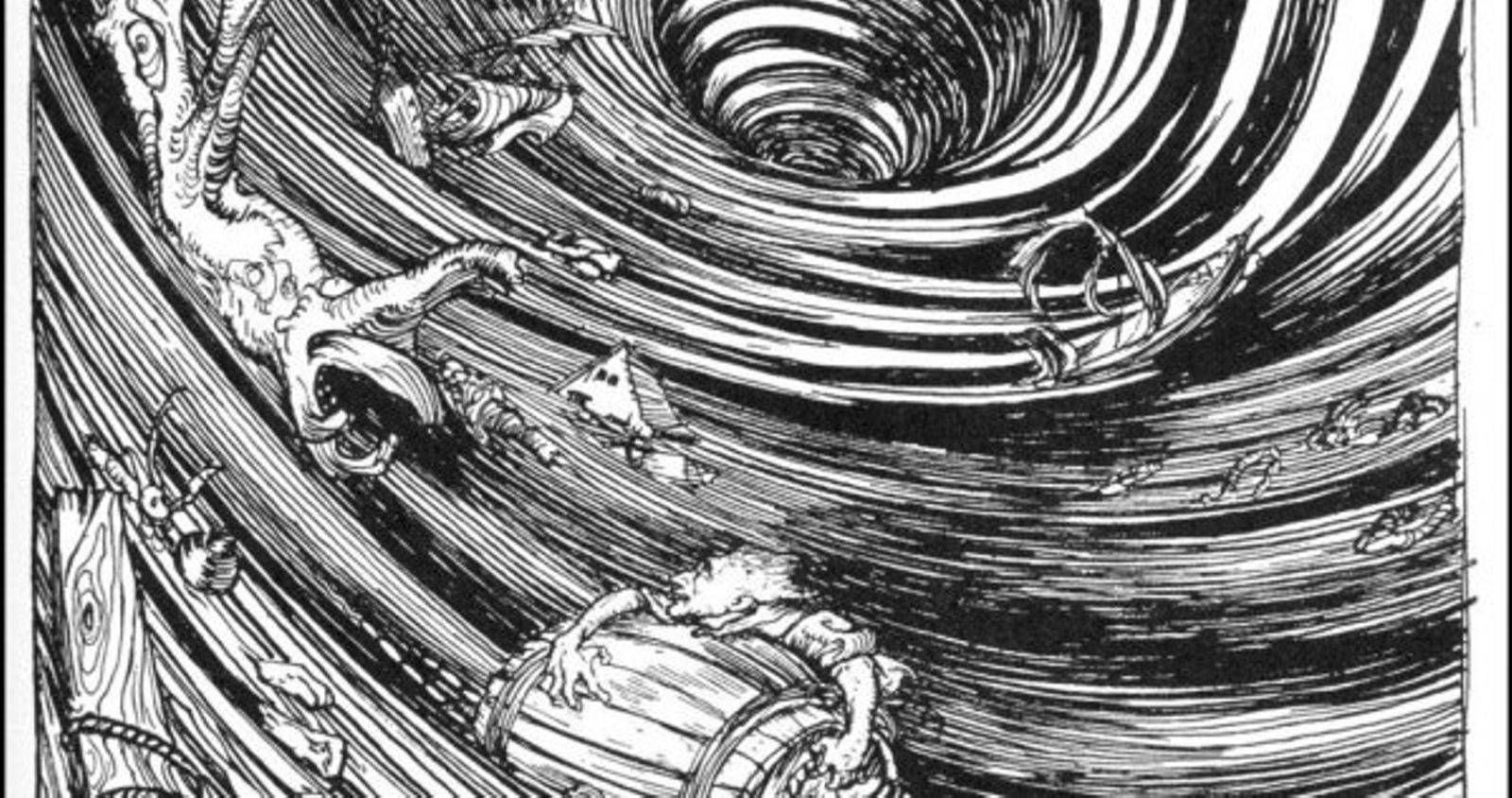
The moment the discussion about facts (Fact) devolves into criticism of the person (Person), resolution becomes distant.
Escape the ‘Right Addiction’
In conflict situations, we instinctively try to prove ‘Who is right?’
Like a judge in a courtroom, we present evidence to dismantle the other person’s logic.
But there is one immutable law in human relationships.
“A person defeated by logic does not concede; they retaliate with emotion.”
When you defeat someone with logic, all you gain is temporary superiority (Ego).
In return, you permanently lose the other person’s voluntary cooperation and trust.
The goal of conflict resolution should be ‘connection,’ not ‘victory.’
To achieve this, you must first let go of your most potent weapon: the conviction that ‘I am right.’
II. The 3-Step Decoding Technique to Read Others’ Minds (The Decoder)
So, what should you do?
In conflict situations, what the other person says is mostly encrypted.
You need to read the real needs (Subtext) hidden behind the sharp words (Text) that are outwardly expressed.
Here are the 3 steps for decoding.
Step 1 [Emotion]: Mirroring Emotions - “I Hear You”
Most people don’t listen to the other person when they fight.
They’re too busy thinking, ‘What should I say next to rebut?’
However, the most powerful button to stop conflict is not persuasion, but ‘validation.’
When the other person expresses anger or frustration,
Instead of confronting the emotional energy head-on, let it flow like a judo technique.
Techniques like ‘Mirroring’ and ‘Labeling’, used by FBI crisis negotiators like Chris Voss when persuading hostage-takers, shine here.
Attacker (Other Person): “What kind of way is this to handle work? You have no sense of responsibility! How many times have I told you?” Bad Reaction (Defense/Counterattack): “Your words are too harsh. Do you know how many overtime hours I’ve worked? I did exactly as you instructed!” (This is the start of war.) Good Reaction (Mirroring/Labeling): “You felt I lacked responsibility (Mirroring). You seem very anxious and upset that this project might fail (Emotional Labeling).”
By naming their emotions (Labeling) and repeating their words back like a mirror (Mirroring), the other person calms down surprisingly quickly.
They feel subconscious relief, thinking, ‘Ah, this person is listening to me,’ or ‘My feelings are valid.’
Only then does the amygdala alarm in the other person’s brain turn off, allowing for rational conversation.
Remember, this isn’t about agreeing with the other person’s opinion, but about ‘accepting’ their emotions as they are.
Step 2 [Reason]: Look Beyond Positions to Needs (Iceberg Analysis)
Once the amygdala’s fire is out, it’s time to move to the realm of reason.
The core theory of the Harvard Negotiation Project is simple:
“Distinguish between Positions and Interests.”
Position: What is outwardly demanded, the surface claim. E.g., “Give me a 10% raise,” “I can’t do this project,” “The deadline is absolutely non-negotiable.”
Interest: The real reason, motivation, or fear hidden behind the demand. E.g., “I want my value recognized,” “I’m afraid of failure,” “I want fair treatment,” “I want to spend weekends with my family.”
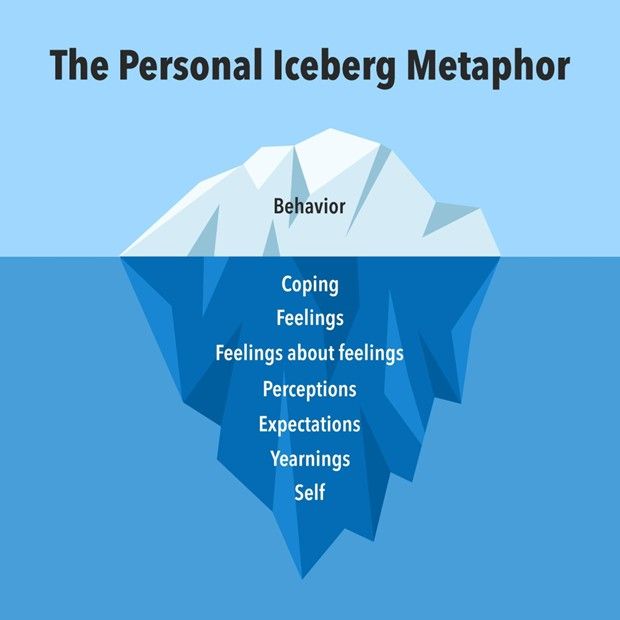
Let’s go back to the example of Team Lead A and Lead B.
Lead B’s Position: “It’s technically impossible.” Lead B’s Interest (Below the iceberg): (Actually) “I want to make it perfect, but I’m afraid of failure because there isn’t enough time,” “I want my expertise to be recognized and to work safely.” Team Lead A will only reach a stalemate if they argue solely with Lead B’s ‘Position’ (“No”).
However, when you address the ‘Interest’ beneath the surface, the situation can change.
“Lead B, I agree with your desire to perfectly implement this feature and provide a stable service without bugs (reading the interest). If we could slightly adjust the schedule or specs to reduce the risk (a proposal reflecting the interest), would it be possible to try?”
Remember: The other person’s ‘No’ is not a rejection of you, but merely a signal that a certain need of theirs is not being met.
Decode that signal.
Step 3 [Intuition]: The Third Alternative (Synergy)
Once you have identified your needs (A) and the other person’s needs (B),
the options should become C (a third alternative), not A or B.
Stephen Covey describes this as “Not my way, not your way, but a better way.”

At this stage, the “What if” questioning technique is useful for opening up possibilities.
“What if we could get more resources from the administrative support team?” “What if we launched only the core features first and postponed the rest to a second phase, could we guarantee quality?”
When you ask questions like these, you invite the other person to be a ‘partner’ in problem-solving, not an adversary.
At this point, conflict is not a mutually destructive war of attrition, but is sublimated into a process of creative problem-solving.
Compromise means both sides lose a little, but a third alternative is true synergy where both sides win.
III. Conflict Management in the Digital Age: Beyond Text Traps
Nowadays, conflicts for the 30s-40s generation of office workers don’t happen face-to-face.
They occur through the cold digital windows of Slack, Teams, and KakaoTalk.
Non-face-to-face communication is convenient, but it has dangerous traps that amplify conflict.
1. Beware of Context Collapse
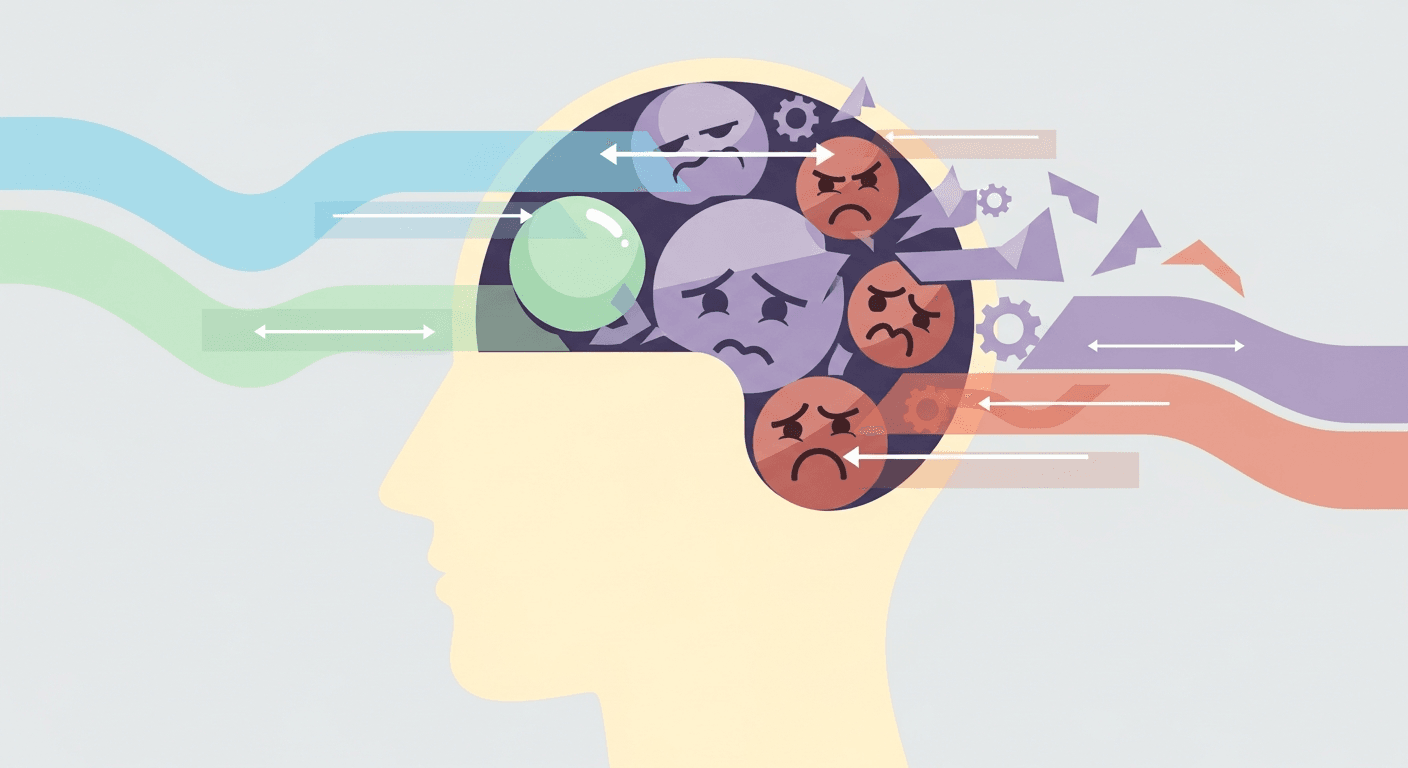
Text lacks facial expressions, tone of voice, intonation, and eye contact.
Therefore, we fill in the gaps in text with our current mood.
If I’m in a bad mood or anxious, my boss’s dry message, “Report received,” might be read as, “You call this a report?” with a sneer.
This is called ‘Negative Interpretation Bias’ in psychology.
\[Solution\] The Law of Channel Switching:
If you feel your emotions are being hurt by text, immediately switch channels.
If misunderstandings occur more than three times via text, you must pick up the phone or meet in person.
Just hearing the tone of voice can melt away 80% of misunderstandings.
2. Dealing with Avoidant Personalities (Ghosting)
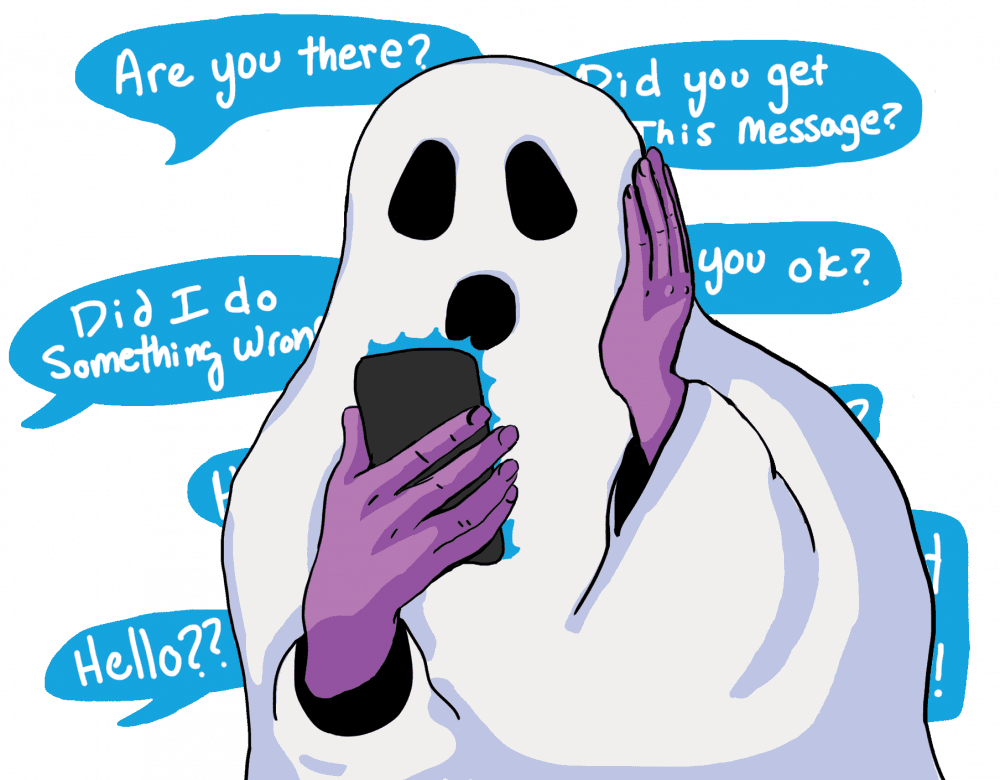
In conflict situations, there are people who shut down or go silent after reading messages? (It’s incredibly frustrating and maddening.)
They are not ignoring you; they are actually hiding because they are so afraid of conflict.
Sending them continuous messages and “Why aren’t you responding?” is an act that pushes them further into their cave.
\[Solution\] Provide Psychological Safety:
Offer them a ‘safe space.’
You don’t have to respond right away. Please feel free to reply whenever you’ve organized your thoughts.
We can resolve this issue well.
When you alleviate the psychological pressure with messages like these, they finally feel at ease and come out of their cave.
Conflict is a Dance.
Have you ever danced the tango?
It takes immense practice and coordination for two people to dance without stepping on each other’s feet.
Conflict is similar.
It is the point where two different universes collide.
While that collision can be noisy and painful, it is only through that process that we can understand the unknown world of others and expand our own world.
Don’t view the person making your life difficult – the rigid boss or the frustrating subordinate – as an ’enemy to be eliminated.’
They are simply ‘partners speaking a different language’ that you have not yet deciphered.
If you clashed with someone today, pause for a moment and ask yourself:
“Do I want to win right now, or do I want to resolve?”
That question will rescue you from the isolated island of anger and lead you to the continent of true connection.