
The moment you scroll through a delivery app for ages, trying to choose a dinner menu, only to end up picking nothing encapsulates the paradox of modern food culture.
While there is more food available than ever before in history, meal times have shrunk, and that void has been filled by snacks, convenience foods, and delivery.
It was reported that the domestic home meal replacement (HMR) market reached approximately 6.8 trillion won last year.
In her book The Way We Eat Now (2019), food writer Bee Wilson delves into the paradox that while diets have globalized in just two generations—making us healthier in some ways and worse off in others (book introduction).
The Korean edition’s review title summarized this same question: The world is getting richer, so why is the dining table getting poorer?
This article overlays that question onto the Korean dining table.
We will explore where the time went, the cost of convenience, and whether eating alone can regain its meaning.
Reading this alongside our Modern Food Culture Trends article, which covers the same topic from different angles, will help clarify the flow.
Where Did Meal Times Disappear in Modern Food Culture?
Meal times haven’t so much disappeared as they have been fragmented. Looking at the table of contents for Chapter 4, ‘Out of time,’ we see sections on the disappearance of lunch breaks, the spread of snacking globally, and eating alone together. The table of contents alone makes it clear that this book views the problem of the dining table as one of time rather than taste.
The term that fills that fragmented time is Snackification. It doesn’t mean eating a few more snacks. It means the framework of three meals a day—breakfast, lunch, and dinner—is blurring. Snacks have moved beyond the space between meals to become meals themselves, and the food industry is launching product strategies targeting this trend.
When a meal changes from ’nutritional intake and rest at a set time’ to ‘fuel to be inserted when needed,’ something is lost: the joy of eating together.
The collective question, “What should we have for dinner?” shrinks into an individual question, “What do I need to eat to survive the next two hours?” This is also where the increase in tables where people don’t eat together begins.
In Korea, I believe the ‘pali-pali’ (hurry-hurry) culture has contributed to this compression. It is clear that the symbols of a quick, solitary meal are convenience store lunch boxes and Home Meal Replacements (HMR).
How Have HMRs, Delivery, and Meal Kits Changed the Korean ‘Honbap’ (Solo Dining) Table?
The cost of convenience is most clearly visible in delivery.
This is because a dual-pricing system, where restaurants charge more for delivery than in-store to withstand high commission fees, has become widespread.
According to a September 2024 report, a McDonald’s Big Mac set cost 7,200 won in-store but 8,500 won on delivery apps—an increase of 1,300 won. The same article notes that a survey of 293 delivery app-listed businesses (as of July 2024) found that app-related costs accounted for about 24% of app revenue. Since the details of the survey entity are not provided in the article, it is safer to treat this as a reference point.
It is a structure where, for the sake of convenience, someone’s margin and the consumer’s wallet shrink.
That is why these days, people are turning toward options where the cost is less visible. That would be Home Meal Replacements (HMR).
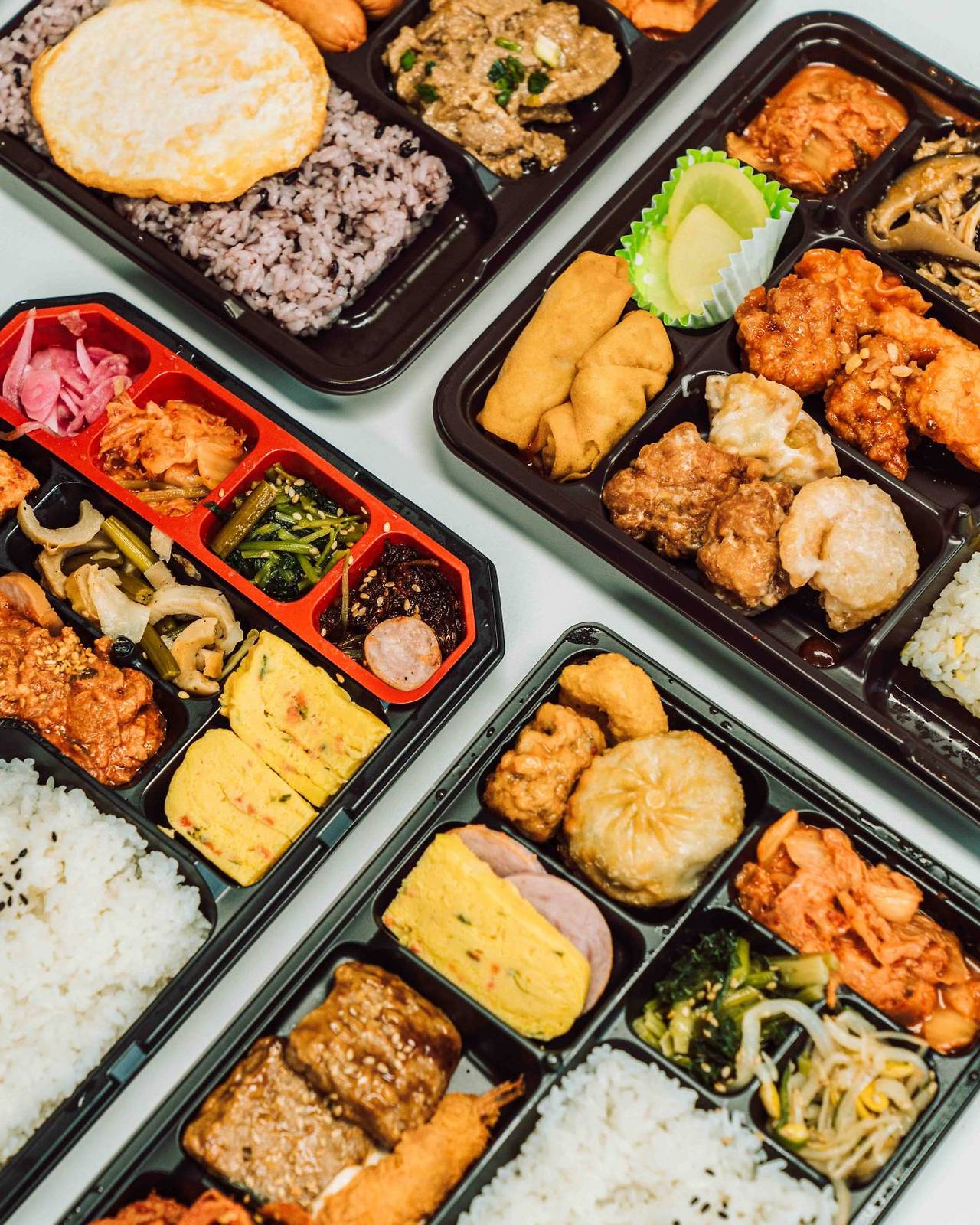
Convenience food has grown alongside the rise in single-person households and the ‘convenience-premium’ (convenience + premium) trend.
The domestic market was about 3.5 trillion won in 2019, according to a December 2020 report. A report from April 2026, citing data from the Korea Rural Economic Institute, projected it would reach about 6.8 trillion won last year and exceed 7 trillion won this year. While it is difficult to calculate a precise multiple due to different reporting times and tracking agencies, the direction—that the market has grown significantly in just over 6 years—is clear.
One category attracting attention recently is RMR (Restaurant Meal Replacement). These are products made to be reheated at home, featuring menus from famous restaurants, and there have even been reports of products from Michelin-starred establishments. These products target the desire for ‘small luxuries’ while remaining convenient.
Meal kits were a compromise between the two. By sending prepped ingredients in precise amounts, you do the cooking while skipping grocery shopping and measuring. However, the same reports indicate that the meal kit market shrank rapidly after COVID-19, and consumers looking for cheaper options shifted to HMRs. It seems the sense of ‘making it with my own hands’ was weaker than price in the end.
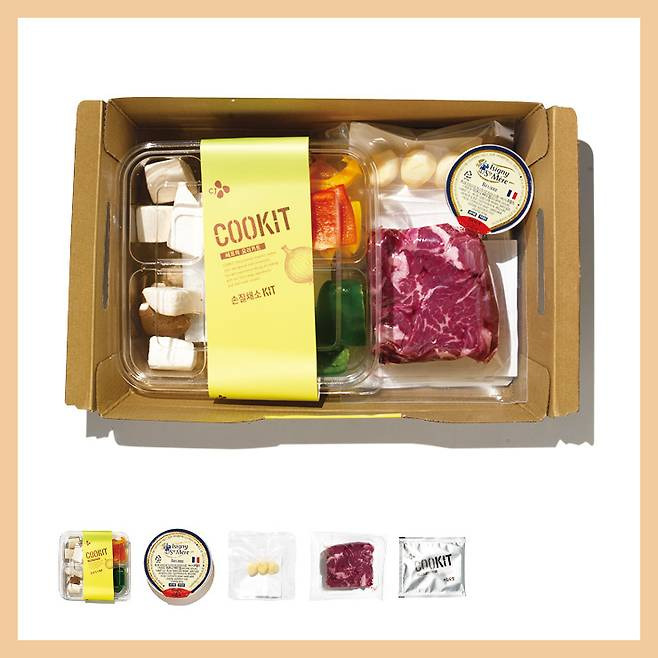
If you place all three side by side, there are three faces of the consumer.
When they want machine-like efficiency, they choose HMR and delivery;
when they miss a chef’s touch, they choose RMR;
and when they need the feeling of having made it themselves, they choose meal kits.
Multiple preferences coexist within one person.
Is ‘Honbap’ Loneliness or Self-Care? The Solitary Gourmet and Ichiran Ramen
Whether solo dining (honbap) is loneliness or self-care is determined not by whether you are alone, but by how you eat.
There is the meal gulped down while being chased by time, and the meal where one fully focuses on oneself.
The cultural symbol of the latter is the Japanese drama ‘The Solitary Gourmet’. The interpretation of reading the time spent facing food without interference from others as comfort can also be found in a Hankyoreh interview. From this perspective, solo dining becomes a form of self-care rather than a marker of loneliness. The article discussing why we have become complicated in front of food also aligns with this point.
Ichiran, the Japanese ramen chain, translated this feeling into physical space.
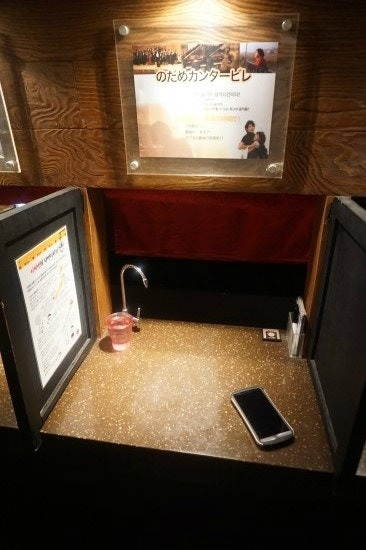
In the partitioned seats that Ichiran calls ‘flavor concentration counters,’ customers do not face staff due to a screen door in the front.
Customers mark their noodle firmness, broth richness, spice level, and toppings on an order sheet and pass it under the partition (based on the Ichiran user guide). The goal of the design is clear: to focus the customer’s attention solely on the bowl of ramen. Here, it becomes evident that the standard for a ‘real meal’ is not the presence of a companion, but the diner’s level of attention. That Wilson’s book includes a section titled ‘Eating alone together’ is in the same vein.
Is Modern Food Culture Converging on a Single Taste? The Mala Tang and Tanghulu Craze
Globalization moves in two seemingly opposing directions simultaneously.
On one hand, foods made with similar ingredients make diets look the same everywhere; on the other, specific foods trend instantly via social media. Mala Tang and Tanghulu are examples of the latter direction.
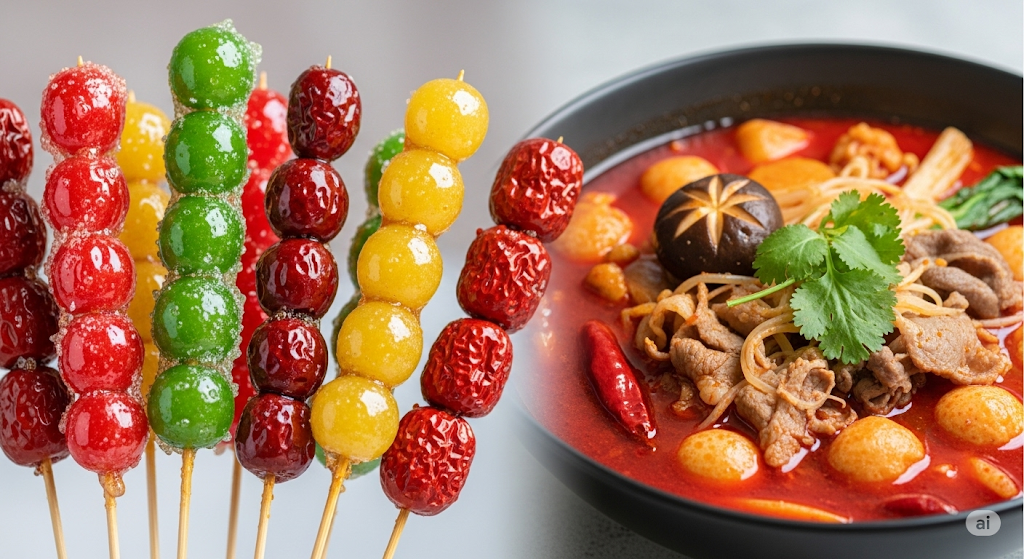
Both foods spread via YouTube and TikTok, centered around Gen Z, and their success factors went beyond just taste.
- Mala Tang allows you to choose your own ingredients and spice level, leaving room to express personal taste.
- The ‘crunchy’ sound of Tanghulu became ASMR content.
- The intense visuals are perfect for Instagram and TikTok.
In this respect, food is an object to be eaten but also an entry ticket to join the conversation.
There are times when the fact that I have eaten what everyone else is talking about becomes as important as the taste itself. Perhaps conversations about the same food are filling the space left by tables where people no longer sit together. However, it is certain that in front of trendy foods, one’s own taste is easily pushed to the background.
What Is the Difference Between Convenient Meals and Conscious Meals in Modern Food Culture?
We can summarize the story so far into two paths. The dividing line is not delivery vs. home cooking, but where your attention is during the meal.
Table 1. The Two Faces of Modern Food Culture, Convenience-Centered vs. Conscious Experience Meals
| Classification | Convenience-Centered Meal | Conscious Experience Meal |
|---|---|---|
| Meal Type | Snackified meal | Proper meal (Full course) |
| Location | On the go / Office desk | Restaurant / Home dining table |
| Companion | Alone (in a hurry) | Alone (leisurely) or together |
| Attention | Simultaneously with screen/work | Focused on food and taste |
| Goal | Save time, satisfy hunger | Pleasure of taste, experience, connection |
This table does not suggest that one side is correct. A lunch box on a busy day is a rational choice; the problem arises when it becomes the default for every meal.
4 Ways to Reclaim a ‘Real Meal’ in the Era of Solo Dining and HMRs
You don’t need to obsessively chase the perfect meal. You can start with four small changes inspired by the content above.
- Set aside a dedicated meal time once a day. This is about repositioning the meal not as a time-consuming chore, but as an activity worth spending time on.
- Choose convenient means according to your purpose. If you treat convenience as a tool—HMR for busy days, RMR or dining out for days you want to be treated, and cooking yourself for days you miss the ‘homemade touch’—convenience won’t become your default setting.
- Ask your own taste buds first before following trends. Even if everyone else is eating it, check if it’s a taste you actually like.
- Even when eating alone, keep your attention in one place. Like Ichiran’s partitions, clearing away screens and work makes a solo meal an act of self-care.
It’s okay to eat alone. Try putting down your smartphone for just one meal this evening. That one meal, focused on taste and aroma, becomes the benchmark for a ‘real meal’.
Note: The market size and price figures in this article are based on cited reports and may vary depending on the research agency and timing. (Last checked: 2026-10-28)
References
- The Way We Eat Now - Society for the Anthropology of Food and Nutrition (Review)
- The Way We Eat Now — Bee Wilson - The Englewood Review of Books
- The Way We Eat Now (Book Intro/Table of Contents)
- [eBook] The Way We Eat Now - Yes24
- Snackification Nation: The Death of the Three-a-Day Meal - Advantage Unified Commerce
- Snackification: The fluid dining culture of the 21st century - KTCHNrebel
- 'Snackification' Movement Growing Stronger Around the World - U.S. Wheat Associates
- Companies Are Snack-ifying - NACS
- The Rise of Snackification for Gen Z - Symrise
- New Normal in Eating, Endemic Food Trends for the Food Industry
- Food Culture Trends Changing... 'Home Cooking' Disappearing - Seoul Economic Daily
- [2022 Food Trend] ② Three meals a day is a thing of the past... HMR trend, crisis of food diversity
- Responsibility Dispute over Delivery App Dual Pricing (2024-09-28)
- Additional Food Costs for Delivery, Growing Controversy over Dual Pricing (2024-09-27)
- Ministry of Agriculture: 'Delivery App Fee Burden Can Be Seen as a Factor in Rising Dining Prices'
- Effects of Delivery Service Introduction on Management Performance of Restaurants after COVID-19
- [Turning COVID Crisis into Opportunity ②] Booming HMR Market
- 'Meal Kits Out, HMR In'... HMR Market Nearing 7 Trillion Won
- Expansion of the HMR Market, an Opportunity for the Seafood Industry
- Era of Single-Person Households, Growing HMR Market... Patent Technology Also Increasing
- [Trend] How to Enjoy Michelin Guide Restaurants at Home?
- Why is Gen Z Open-running for Tanghulu Stores?
- ...Why is Gen Z Enthusiastic about such 'Memes'?
- Why on earth...? Korea's Mala Tang Craze, Unexpected Reactions from Chinese People
- Why did Tanghulu appear at the National Audit? | Policy Magazine Empathy
- 'The Solitary Gourmet's Solo Dining Theory: 'The Joy of Eating Can Comfort People'
- [Opinion] Contemplation on Being Alone, The Solitary Gourmet [General Culture]
- A World with Uncomfortable Feelings... Eating Alone Comfortably Makes Even the Blue Sky Taste Delicious
- Ichiran Ramen Ultimate Guide: A Delicious and Unique Dining Experience
- Ichiran Canal City Hakata Store Renewal Open