
We delve into the hidden truths behind the modern dining table, accustomed to convenience.
- The Reality of Our Dining Table: We explore the paradox of the most abundant yet ironically impoverished diet in history.
- Key Food Culture Trends: Analyzing Korea’s convenience food culture and the global phenomenon of ‘snackification’.
- Autonomous Dining: Consider ways to find your own ‘good meal’ in a complex world.
When you open the refrigerator door and pause to think, it reflects the small choices modern individuals face daily and highlights the great paradox of our food culture. We live in the most abundant era of food in history, yet ironically, our dining tables are often nutritionally impoverished and disconnected from the joy of cooking. People around the world eat similar potato chips and start their mornings with similar cereals. This is the result of industrial food substances known as ultra-processed foods taking over our tables. Lastly, think about the last time you had an ‘ordinary meal.’ What does ‘ordinary meal’ mean in this era?
Chapter 1: Korea’s ‘Ultra’ Convenience Food Culture
Korea exemplifies the changes in modern food culture most succinctly. Technology, demographic shifts, and economic pressures have combined to create a unique and intense culture of convenience food.
The Explosive Growth of Solo Dining Culture and Convenience Food Market
The social foundation of these changes lies in the rapid restructuring of demographics. As of 2021, single-person households in Korea exceeded 40% of the total, and this proportion continues to rise. This is not just a statistic; it reflects a social change that has transformed ’eating alone’ from a minority behavior into a dominant mainstream culture.
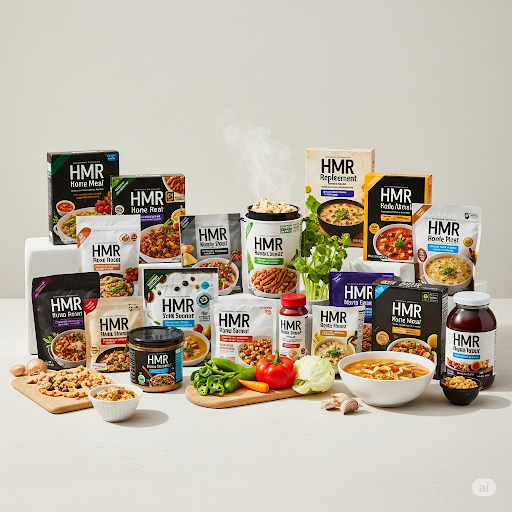
This demographic change has directly led to the explosive growth of the home meal replacement (HMR) market. In 2021, the domestic HMR market size surpassed 5 trillion won, with production increasing by over 562% in just ten years. This shows that society has chosen to outsource the effort of cooking to adapt to new lifestyles.
The Dilemma of Delivery Apps and the Rise of HMR
Initially, delivery apps seemed like a perfect solution for a solo dining nation. However, soaring delivery fees and food prices became a new burden for consumers, ultimately leading to a decrease in the number of delivery app users. Here, an important trend emerges. The growth of the HMR market is not an independent phenomenon but a direct response to the economic limitations of the delivery market. As delivery becomes perceived as an expensive luxury, consumers began seeking alternatives that offer similar convenience at a lower cost, and HMR perfectly filled that gap.
The Evolving Definition of ‘Home-Cooked Meals’
Amid these changes, the very concept of ‘home-cooked meals’ is evolving interestingly. For younger generations, the definition of home-cooked meals now encompasses meals made with instant rice, canned ham, or tuna. This reflects a blurring of the lines between cooking, assembling, and heating. The desire to solve a meal with minimal effort has led to the trend of ‘one-pan recipes’ or ’no-fire recipes’ that do not require knives or fire.
Chapter 2: The ‘Snackification’ of Everything
Expanding our view from Korea to the world, we discover a fundamental restructuring of meal patterns. The traditional structure of three meals a day is breaking down.
The Rise of Snackification and Healthy Snacks
‘Snackification’ refers to the global trend of replacing traditional meals with smaller, more frequent meals, i.e., ‘snacks’. This is not a trivial change but a structural shift in eating habits created by the busy and mobile lifestyles of modern individuals. Particularly among Generation Z and younger generations, there is a clear preference for snack-based meals over sitting down for a meal at set times.
At the heart of this trend lies an interesting paradox. Traditionally, ‘snacks’ were associated with unhealthy junk food, but modern snackification is characterized by a strong demand for health and wellness. Consumers now seek high-protein, plant-based, low-sugar, and whole grain ingredients in snacks, leading to explosive growth in the market for ‘functional snacks’ that promise specific benefits beyond mere calorie provision.
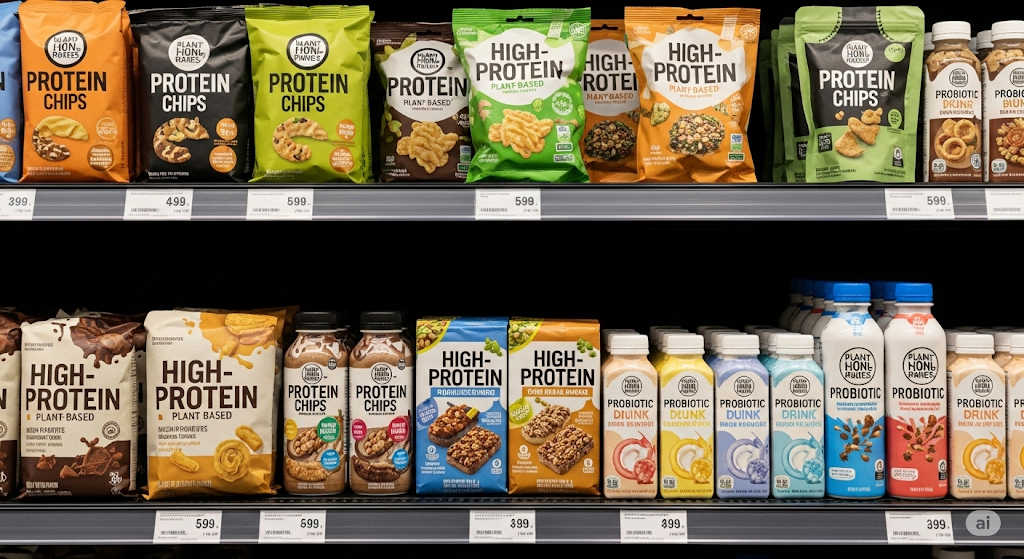
This trend shows that modern snacks are expected to fulfill the nutritional role and satiety of a full meal. The food industry is responding by creating a new category called ‘meal replacement snacks’ that provide satiety and nutrition in convenient forms. In Korea, this trend, reflected in the growing interest in ‘slow-aging diets’, exemplifies how ‘convenience with health considerations’ manifests within the cultural context of Korea.
Chapter 3: The Rediscovery of Meal Kits as a Half-Cooked Compromise
Meal kits occupy an interesting middle ground in modern food culture. They actively embrace convenience while resisting complete alienation from cooking. The global meal kit market is experiencing rapid growth, projected to reach hundreds of billions of dollars by 2030.
Values Beyond Convenience
The success of meal kits cannot be explained solely by the time they save. Consumers derive psychological and practical values beyond that.
- Diversity and Discovery: They provide opportunities to break away from similar menus and encounter new recipes and exotic dishes.
- Health and Control: Made with quantified fresh ingredients, they enable healthy meals.
- Reduction of Food Waste: Ingredients are provided in just the right amounts, reducing food waste.
- Reconstruction of Cooking Experience: By skipping the most cumbersome processes of meal planning and grocery shopping, only the enjoyable processes of cutting, mixing, and cooking remain, allowing for a sense of accomplishment in cooking.
These characteristics suggest that meal kits are not just food but products of the ’experience economy’. The core offering of meal kits is not food itself but the ’experience of successfully making delicious new dishes easily and enjoyably.’
| Trend | Global Phenomenon | Korean Phenomenon |
|---|---|---|
| Ultra-Convenience | Snackification, Grab-and-Go Snacks | HMR and Delivery App Ecosystem |
| Healthy Convenience | Rise of Functional Snacks | ‘Slow-Aging Diet’, Low-Sugar/High-Protein Products |
| Semi-Home-Made | Boom in Meal Kit Market | Growth of Premium Meal Kits like RMR |
| Sustainability | Plant-Based Alternatives, Upcycling Food | Plant-Based ‘Meat Alternatives’, Upcycling Snacks |
Chapter 4: Glocal Table: When a Big Mac is Not Just a Big Mac
McDonald’s, the most powerful symbol of food globalization, paradoxically demonstrates that a ‘globalized diet’ is not uniform.
‘Glocalization’ Strategy
McDonald’s global dominance is based on a ‘glocalization’ strategy that intricately adapts to local tastes, cultures, and religious norms rather than strict uniformity. At the core of this strategy lies in-depth market research to understand local consumer preferences.

A journey through McDonald’s menu vividly illustrates this strategy. In India, they offer ‘McAloo Tikki’, which avoids beef and pork, while in China, they sell ‘Spicy McWings’ reflecting a preference for chicken thigh meat. Japan features the iconic ‘Teriyaki Burger’, and the Middle East showcases the halal-certified ‘McArabia’, demonstrating how local culture and consumer tastes can fundamentally alter the core products of a multibillion-dollar global corporation.
Conclusion
The modern dining table is a complex space created by the tension between convenience, health, globalization, and localization.
- First, ultra-processed foods like HMR, delivery, and functional snacks are constantly evolving to fit the busy lives of modern individuals and are dominating our dining tables.
- Second, even within this massive trend, consumers are asserting their agency by valuing health, seeking to reclaim cooking experiences, and maintaining local tastes.
- Third, understanding these trends allows us to make wiser and more autonomous food choices.
While there may not be a perfect diet, it is essential to understand the hidden stories behind the food before us and to seek a true sense of ‘good meal’ for ourselves.