
Attempts to rewrite ‘my own food story’ within a vast system
- We explore the new face of home cooking that has changed since the pandemic.
- We analyze the personalization and SNS trends behind the craze for mala tang and tanghulu.
- We examine the changing meaning of meals through the contrasting phenomena of solo dining and mukbang.
Today, our food culture is more diverse and complex than ever. Starting the day with homemade sourdough, enjoying mala tang filled with preferred ingredients for lunch, and having a special meal with ready-to-eat meals from Michelin-starred restaurants for dinner is no longer unfamiliar. In this article, we explore how we are eating amidst these massive changes and the new stories that emerge.
1. Rediscovering the Kitchen: New Faces of Home Cooking
Beyond the outdated narrative that cooking skills are declining, today’s ‘home-cooked meals’ are being redefined as a space for creativity, healing, and changing social roles.
Pandemic Kitchen: A Sanctuary of Control and Creation
The home cooking craze that swept the world during the COVID-19 pandemic was not just a trend. It was a meaningful ritual that provided individuals with a sense of control and visible accomplishment amidst extreme uncertainty.
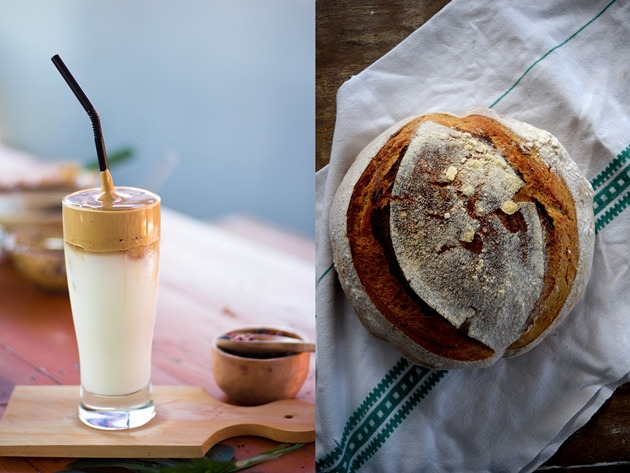
The ‘dalgona coffee’ challenge was a performance that shared a process requiring over 400 stirs, while baking ‘sourdough’ was an expression of a deep psychological desire to find resilience and comfort by nurturing a living entity called a ‘starter’.
Democratization of Recipes and Evolving Home Landscapes
The ‘Baek Jong-won syndrome’ has dramatically lowered the barriers to cooking by transforming expert-centered culinary culture into an everyday activity that anyone can enjoy.
At the same time, the emergence of ‘men who cook at home’ (집요남) shows that kitchens are no longer bound by traditional gender roles. They embrace cooking as a regular household chore with the help of technologies like air fryers and meal kits. This suggests that cooking knowledge is shifting from implicit knowledge inherited from mothers to explicit knowledge learned through apps and subscription services.
2. My Own Bowl: Personalized Food Culture and Global Tastes
Especially among the MZ generation, food has become a key medium for self-expression and identity formation.
The Mala Tang Phenomenon: My Spices, My Story
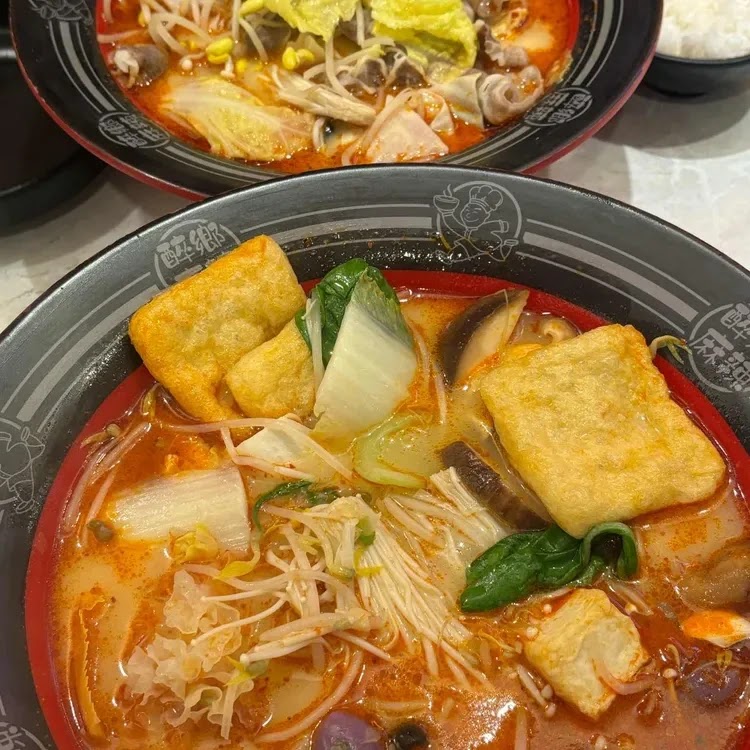
The explosive popularity of mala tang vividly demonstrates the power of personalization. The DIY experience of choosing ingredients and spice levels perfectly aligns with the desires of a generation that values control and self-expression. It offers the joy of creating a unique menu through endless combinations.
SNS Food Cycle: From Tanghulu to Rose Tteokbokki
Social media platforms like TikTok and Instagram are the most powerful engines driving modern food trends. They create fast and intense trend cycles based on visual and auditory stimuli, transforming the act of eating into a performance of showing.
| Trend | Key Appeal | Socio-Cultural Significance |
|---|---|---|
| Mala Tang | Personalization, New Flavors | Self-expression, Sense of Control, Shared Experience |
| Dalgona Coffee | The Process is Entertainment, Challenge | Control, Comfort through Immersion, Global Connection |
| Sourdough | Joy of Mastery, Healing | Resilience, Nurturing Experience, Skill Display |
| Tanghulu | Sensory Experience (ASMR), Visual Appeal | Instant Gratification, Participation in Micro-Trends |
| Rose Tteokbokki | Familiarity + Novelty | Pursuit of Stability, Low-Risk Exploration |
3. Alone, Yet Together: Redefining the Meaning of Meals
The modern dining landscape contains the paradox of intentional ‘solo dining’ for self-care and the virtual community of ‘mukbang’ to alleviate loneliness.
The Joy of Eating Alone: Rediscovering ‘Solo Dining’
I also cherish my time for solo meals. The freedom to focus solely on gourmet experiences, free from social obligations, can be the greatest reward in a busy life. As expressed in the Japanese drama ‘The Lonely Gourmet’, “the act of eating without being disturbed by anyone” may be the best healing equally available to modern people.
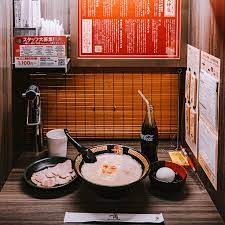
This philosophy is architecturally realized through spaces like Ichiran Ramen’s ‘flavor-focused counter’, which provides a secluded area for concentration on meals.
The Virtual Dinner Table: The Paradox of ‘Mukbang’
‘Mukbang’ serves as a virtual community for those eating alone, but as competition intensifies, it has transformed into shocking spectacles with mountains of food and extreme menus. This can lead to overeating and diminish the satisfaction of normal meals, causing health issues.
4. A Feast of Convenience: Navigating the Industrialized Dining Table
Today’s convenient food culture is provided on a sophisticated system, but behind it lies unseen costs and complexities.
HMR-RMR Spectrum: The Compromise of Modern Individuals
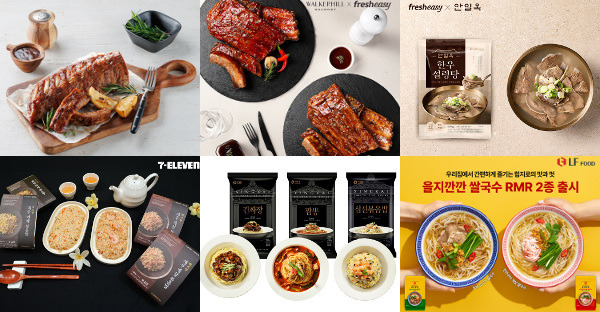
The evolution from simple HMR (home meal replacement) to premium RMR (restaurant meal replacement) reflects consumers’ desires for convenience, quality, and special experiences simultaneously. The rise of RMR, which commercializes famous restaurant menus into meal kits, is a ‘win-win’ strategy that allows people to enjoy high-quality food verified at home.
The Delivery Dilemma: The Cost of Convenience
Delivery apps have transformed the landscape of the dining industry, but high fees lead to consumer dissatisfaction and burdens on small business owners. Yet, our reliance on delivery and convenient meals is not solely for time-saving.
This connects to the psychological concept of ‘decision fatigue’. The long decision-making process starting from ‘What should I eat?’ is essentially an act of outsourcing ‘mental load’. The addictive nature of these services, despite high costs, lies in the powerful value they provide by liberating us from the ‘cognitive burden’ of having to feed ourselves.
Conclusion
The complex trends in modern food culture can ultimately be summarized as a desire to find a better balance between control and convenience, individuality and community.
- The Rise of Personalization: Through foods that reflect our preferences, like mala tang, we are reclaiming control over our meals.
- Redefining Spaces: The pandemic has transformed kitchens into spaces of creation and rest, while mukbang has formed virtual dining communities.
- The Evolution of Convenience: Ready-to-eat meals and delivery apps have evolved beyond just saving time, becoming services that alleviate the mental burden of decision-making.
Alongside the grand narrative written by the global food industry, there exist millions of small, personal stories being written in our kitchens and at our dining tables. What new story do you want to write with your next meal?
References
- Goover Why the Popularity of Mala Tang Continues
- Chosun Ilbo “Why is this happening…?” The Unexpected Reaction of Chinese People to the Korean Mala Tang Craze [23CM]
- Daily Startup News [Trend] How to Enjoy Michelin Guide Restaurants at Home?
- Yes24 [E-book] Thoughts on Meals
- 20s Lab Why is Generation Z Running to Tanghulu Shops?
- Hankyoreh Solo Dining: A Perspective of Freedom, Not Deficiency in ‘The Lonely Gourmet’
- Business of Apps Food Delivery App Revenue and Usage Statistics (2025)
- And many more