
As you sit in front of a bowl of shaved ice in the middle of summer, you might have wondered when people first started eating this dish.
**The history of bingsu began as a luxury for kings and nobles back when ice was a symbol of power. It only became a common snack for the masses after ice-making technology spread. In Korea, it evolved through Patbingsu** into an era of specialty shops like Mealtop and Sulbing.
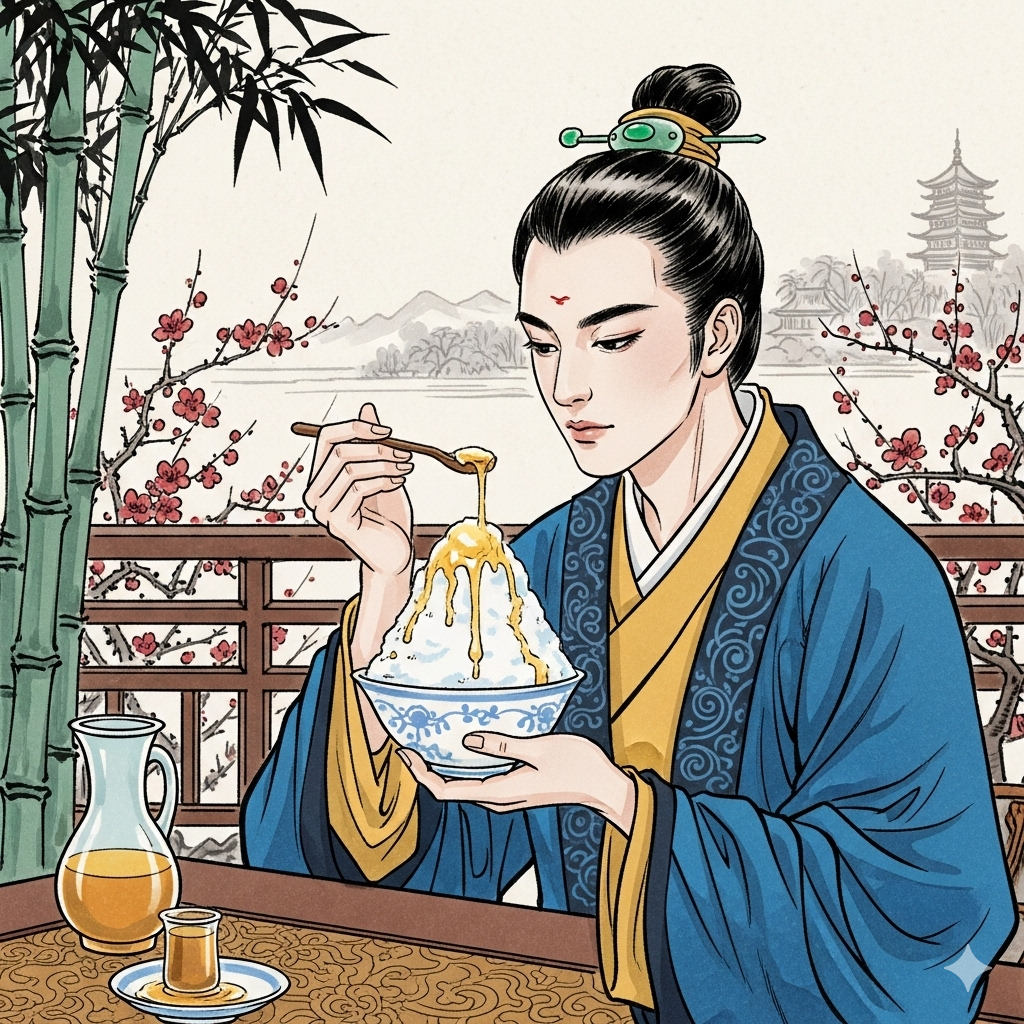
The Origins of Bingsu: When Ice Was Power
China around 3000 B.C. is often cited as the starting point for bingsu.
The story goes that people crushed snow and ice, topping it with honey and fruit juice, though there is no primary record to support this. Similarly, the anecdote about a Roman emperor sending slaves to the mountains to fetch snow to mix with fruit juice is closer to a legend passed down through later generations.
However, there is one scene confirmed by historical records.
In the early 11th century, Sei Shōnagon, a court lady in Japan’s Heian court, listed “elegant things” in her work The Pillow Book (Makura no Sōshi), which included shaved ice with sweet kudzu vine syrup served in a new metal bowl.
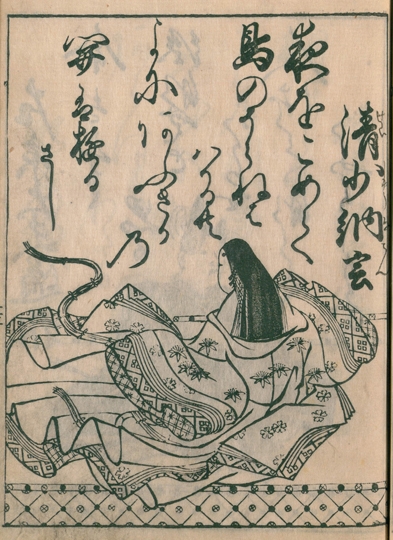
Since storing ice collected in winter until summer required warehouses and labor, summer ice was a status symbol.
Ice Desserts Around the World
Since then, ice desserts have taken different forms in various countries.
- Japanese Kakigori (かき氷): Its roots lie in the shaved ice of Heian aristocrats. Japanese immigrants who moved to Hawaiian sugarcane plantations in the late 19th century brought this culture with them, where it met local fruit syrups to become Hawaii’s Shave Ice.
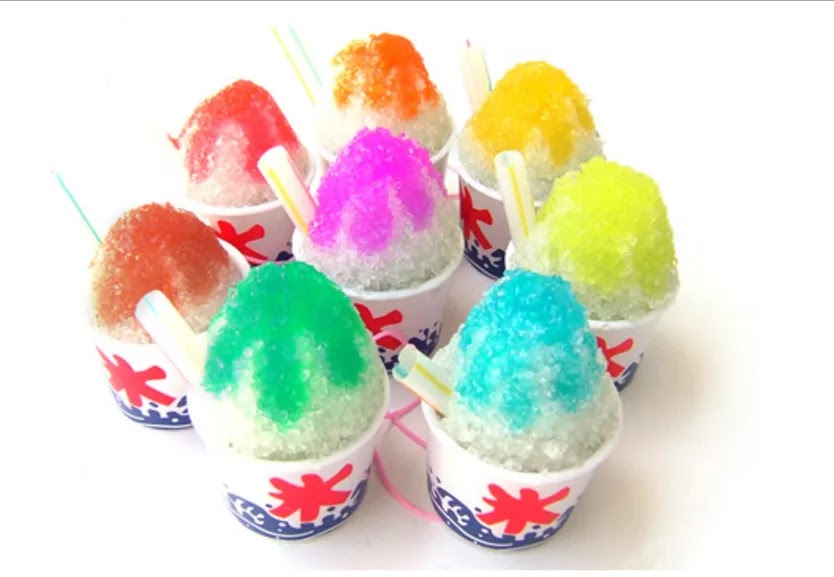
- Taiwanese/Chinese Baobing and Filipino Halo-Halo: These evolved into styles topped with or mixed with various fruits, jellies, and beans.
- Ice desserts moved out of the hands of the elite thanks to technology. With the spread of artificial ice-making and ice-shaving machines in the late 19th century, summer ice became something anyone could buy if they had the money.
The History of Korean Bingsu: From Seokbinggo to Patbingsu
Ice from the Seokbinggo of the Joseon Dynasty
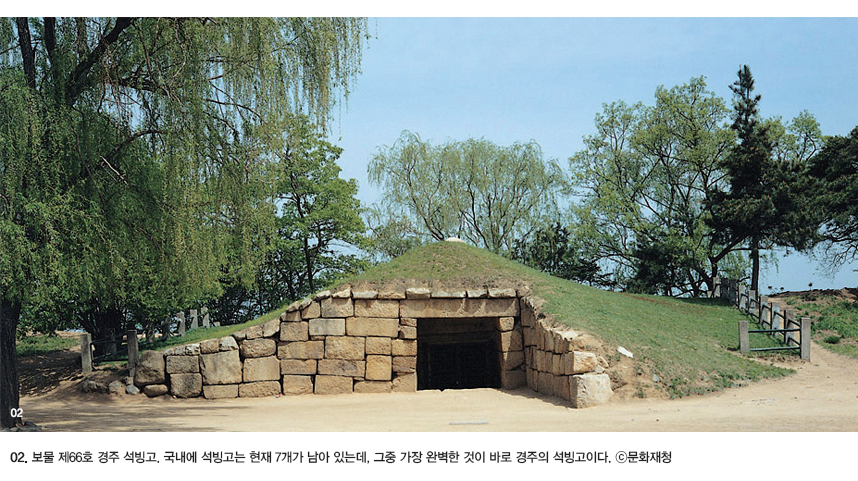
In Joseon, ice harvested from places like the Han River during winter was stored in Seokbinggo (stone ice storage) for summer use. It was used for royal meals and ancestral rites, and sometimes distributed to officials. However, there is no clear record of people making ‘bingsu’ as we know it today; it is more accurate to view it as a precious ingredient used to chill hwachae (flower punch) or other drinks.
The Japanese Colonial Period and the Emergence of Patbingsu
The prototype for the red bean bingsu we think of today is the Japanese Kōri-azuki (氷あずき) introduced during the colonial period. By the 1920s, bingsu shops had become common on the streets of Gyeongseong, and Bang Jeong-hwan, who created Children’s Day, even wrote an essay titled “Bingsu” in the 1929 magazine Byeolgeongon to praise the dish. After the Korean War, ingredients like condensed milk, chocolate syrup, and jelly were added through U.S. military supplies, making the toppings more elaborate.
A Chronology of Modern Korean Bingsu
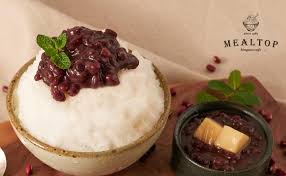
The 1980s: Mealtop, the Standard for Premium Patbingsu
When Mealtop opened at the Apgujeong Hyundai Department Store in 1985, it went against the trend of the time. Instead of bingsu topped with jelly and fruit cocktail, they served finely shaved milk ice topped only with homemade red bean paste and rice cakes (tteok). This minimalist approach elevated patbingsu to a premium dessert, and Mealtop is still called the ‘gold standard of patbingsu’ today.
The 1990s: Fruit Bingsu and Home Ice Shavers
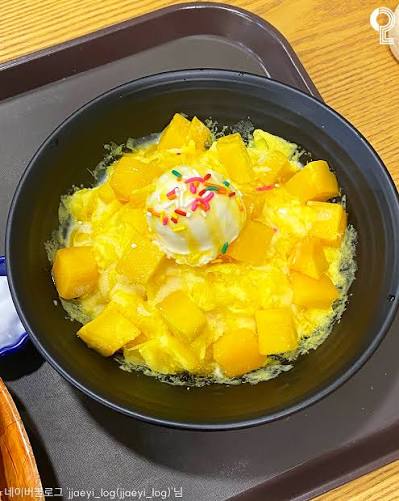
Fruit was the star of the 90s. Strawberry Bingsu from shops like Waffle House near Sookmyung Women’s University gained popularity among the youth, and as home ice shavers became widespread, the scene of people making their own bingsu at home also emerged.
The 2000s: Cafes and Fusion Bingsu
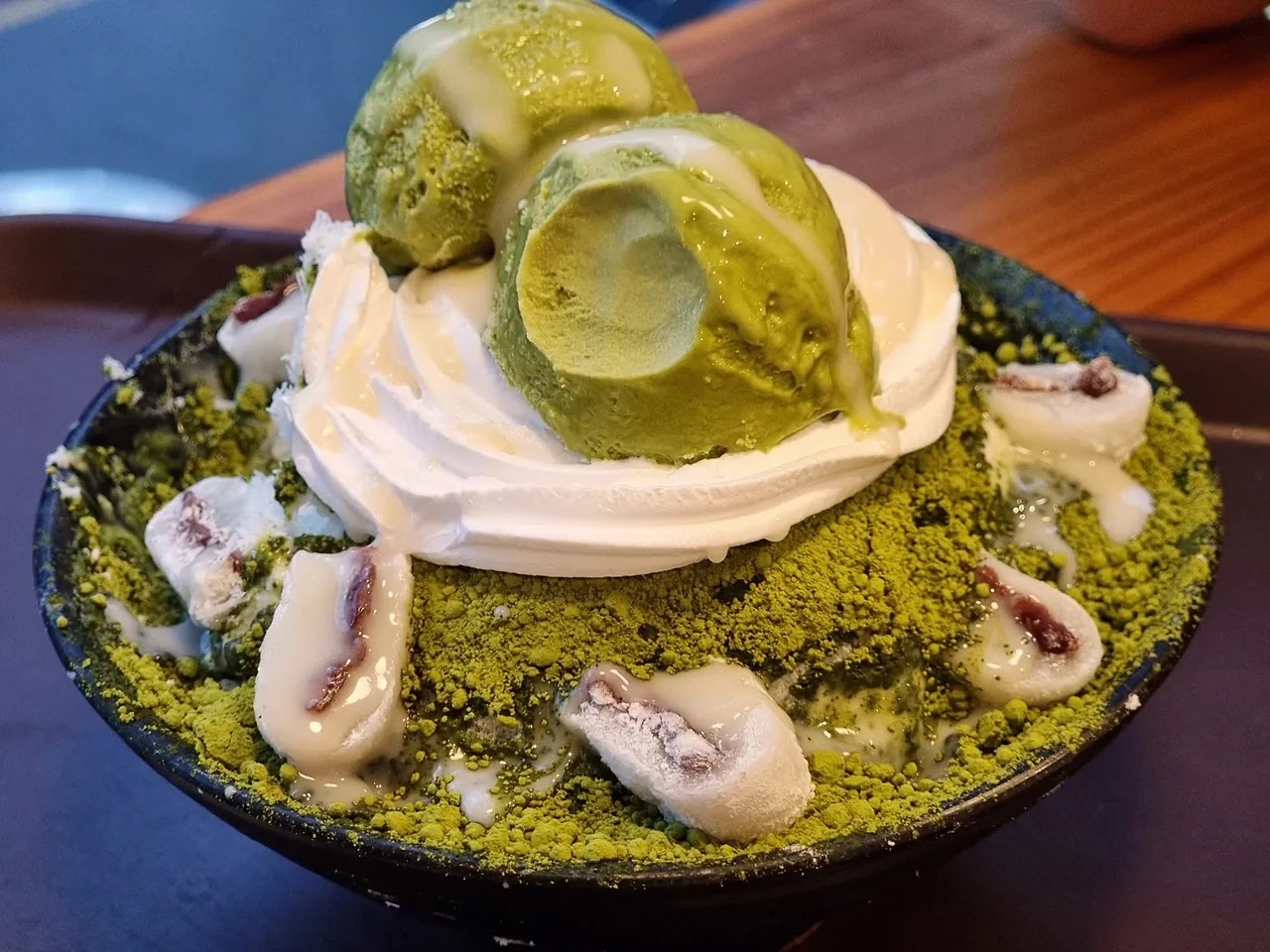
In the 2000s, as the number of cafes grew, Green Tea Bingsu, Coffee Bingsu, and fusion bingsu topped with cheesecake or brownies flooded the market. It became standard for every cafe to offer its own signature bingsu.
2010s to Present: The Era of Sulbing and Specialty Shops
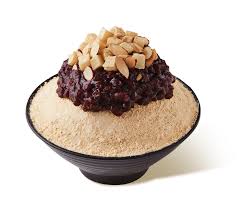
What flipped the script was Sulbing, which started in Busan in 2013. Their Injeolmi Sulbing, which used finely shaved ‘snow-flower ice’ topped with chewy rice cakes and roasted soybean powder instead of red beans, became a nationwide craze. It was a bowl that broke the conventional wisdom that bingsu isn’t bingsu without red beans.
Since then, the spectrum has widened, from shops like Dongbinggo that preserve the traditional red bean flavor to hotel bingsu topped with whole mangoes or melons.
Shaved ice, once a luxury of the imperial court a thousand years ago, has now become a culinary dish that captures the identity of a shop in every bowl.
References
- Sei Shōnagon, *The Pillow Book (Makura no Sōshi)*, Heian Period (early 11th century) — "Shaved ice with sweet syrup" passage
- Encyclopedia of Korean Culture, "Seokbinggo"
- "That's the Taste!" The Person Who Left a Bingsu Review 100 Years Ago
- Where History and Taste Breathe: #HyundaiDepartmentStoreMustVisit, MEALTOP
- Sulbing Brand Introduction (2013 Busan Nampo-dong Branch No. 1)