
A Small History on Your Table
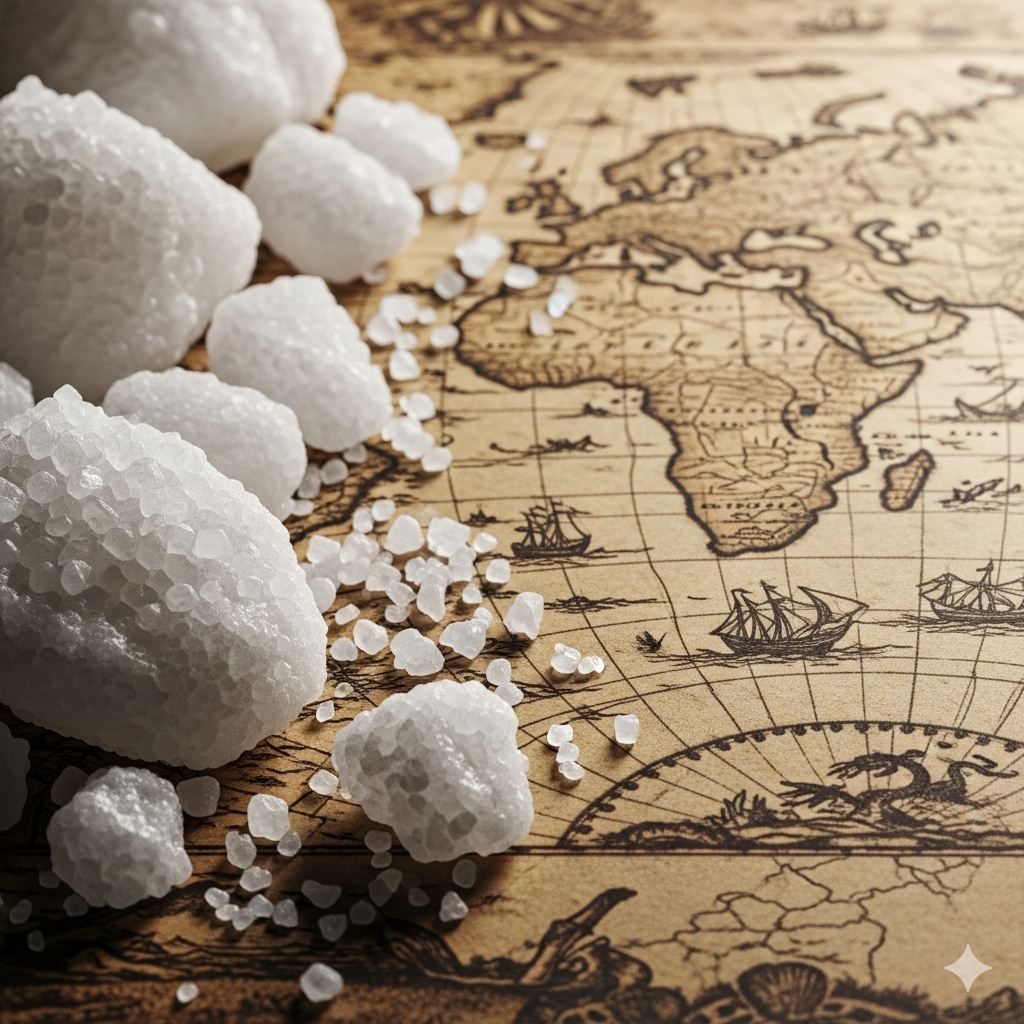
Can you believe that the small white crystals we use every day contain the vast narrative of human civilization? Salt was not just a seasoning; it was a technology for preserving life, a currency for accumulating wealth, and a powerful weapon for building and destroying empires. Today, we will unfold the exciting story of how salt played a leading role in history, from the cradle of humanity’s first civilization to the mighty Roman Empire.
1. The Prelude to Civilization: The White Gem that Holds Life
In the early days when humanity gathered by rivers to take the first steps toward civilization, the biggest challenge was ‘how to preserve food for a long time.’ It was at this time that humanity discovered salt, a miraculous substance, opening the door to settlement and prosperity.
- Egypt: Natron, Weighing the Soul
For the Egyptians, salt was not just a preservative. They considered the special salt, ’natron,’ harvested from the salt lakes of ‘Wadi El Natrun’ west of the Nile, a gift from the gods. Natron, with its powerful dehydrating properties, was essential for removing moisture from the bodies of pharaohs and nobles to create mummies. This belief stemmed from their deep conviction that the body must not decay for the soul to enjoy eternal life in the afterlife. In fact, illustrations from the ancient Egyptian ‘weighing of the heart’ ceremony depict a ‘block of natron’ on the scale alongside the deceased’s heart, reflecting their belief that natron’s purifying power influenced the judgment in the afterlife. Thus, salt was a sacred substance for the Egyptians, promising not just survival but the immortality of the soul.

- Mesopotamia: Abundance and Curse, a Double-Edged Sword
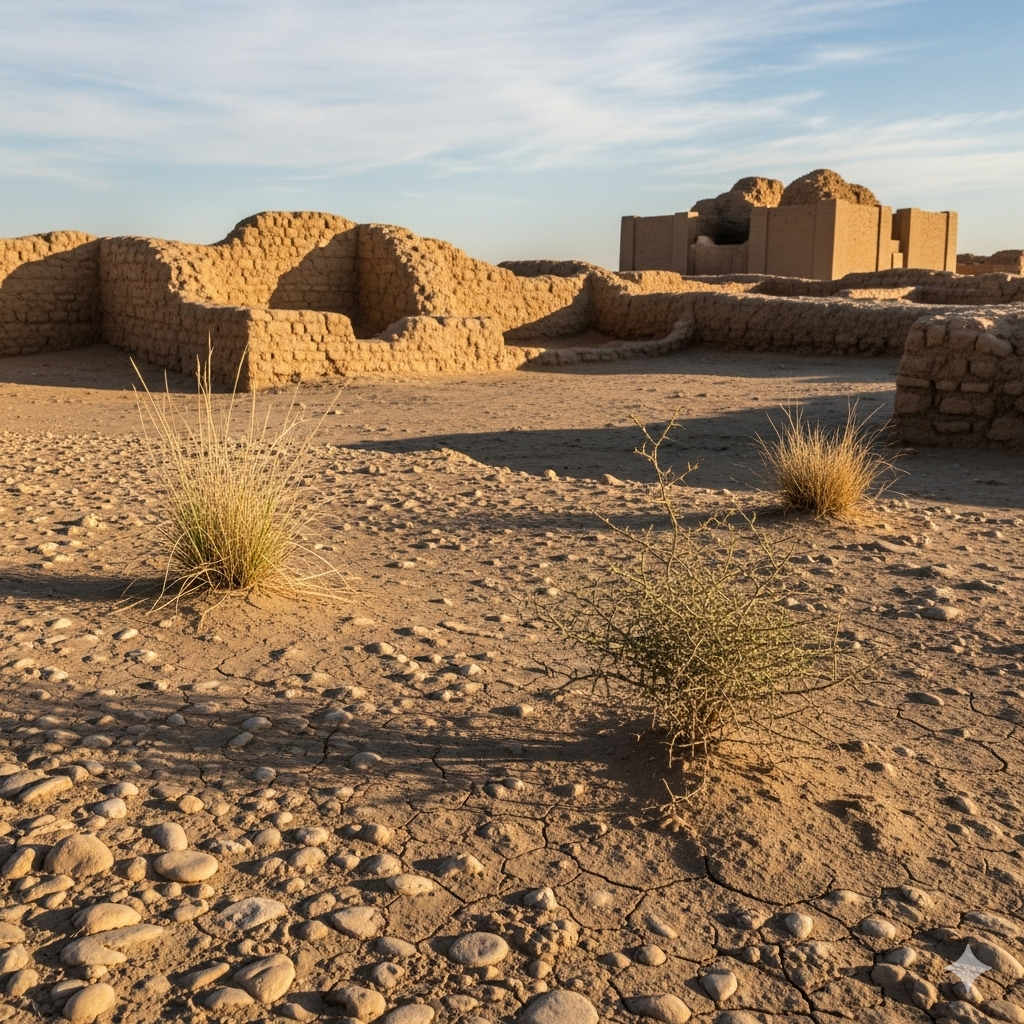
In Mesopotamia, the land between two rivers, salt was at the center of trade. The Sumerians salted fish and agricultural products caught from the Tigris and Euphrates rivers and sold them to those crossing the Syrian desert in leather bags. This allowed them to supply fresh protein deep inland and maintain their great city-states. However, the river water they depended on also contained the seeds of tragedy. Repeated irrigation agriculture left salt from the river water on the land, and as salt accumulated over thousands of years, the once fertile land turned into a white, desolate wasteland. The high salinity levels still measured in the soil near the ruins of the ancient Sumerian city of ‘Ur’ serve as a bitter reminder of salt’s powerful ability to both create and destroy civilizations.
- China: The First ‘Salt War’
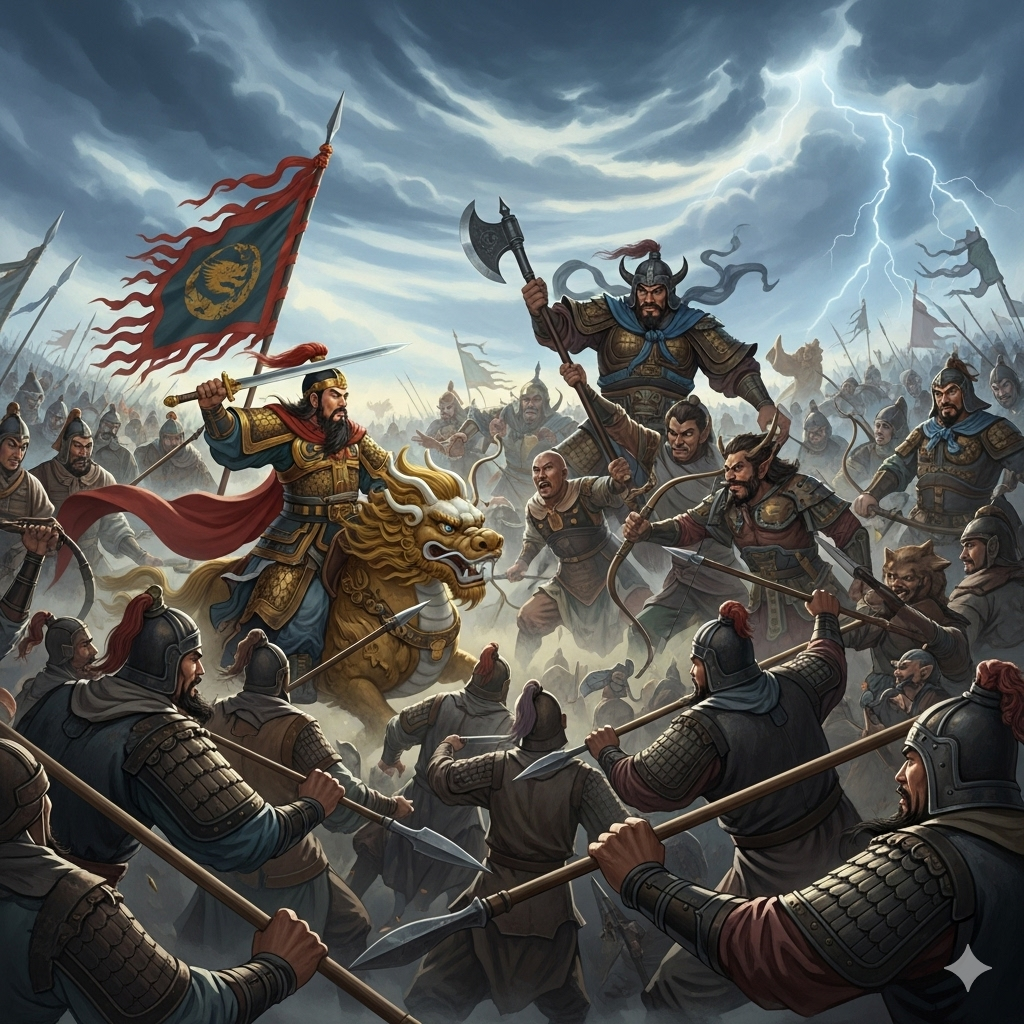
In the Yellow River civilization, salt was an early strategic resource that influenced the rise and fall of nations. There are records of the legendary emperor Huangdi waging the first ‘salt war.’ He clashed with Chiyou over the control of a massive salt lake, ‘Haichi,’ located in present-day Shanxi Province. The rock salt naturally produced in this lake was nearly the only way to obtain salt in the inland regions, so whoever controlled it would hold the power over the central plains.
Prominent Chinese scholar Yi Zhongtian analyzes the war between the Huangdi, Yandi, and Chiyou tribes in his writings, suggesting that the conflict centered around the salt resource, namely Haichi.
Later, Emperor Wu of the Han Dynasty accumulated immense wealth by monopolizing salt and iron, which became the financial backbone for waging long wars against the Xiongnu. Salt was not just a commodity; it was the source of the nation’s finances and military power.
2. The Roman Empire: The Path Paved with Salt, Managing an Empire
While salt was the ‘foundation’ of survival and wealth in early civilizations, it became a massive ‘system’ for organizing, expanding, and maintaining the empire in the Roman Empire.
-
Pride of Soldiers, ‘Salarium’
The term ‘salarium,’ which is the origin of the modern word ‘salary,’ meant more than just pay for Roman soldiers. In a time when the value of currency was unstable, receiving wages in ‘salt,’ which held constant value, was the most reliable means of ensuring soldiers’ survival. For legionnaires fighting against barbarian tribes beyond the borders, salt was a lifeline that replenished the salt lost through sweat and a crucial supply for preserving pork to make pancetta for battle rations. The phrase “I receive salt (Sal) from the empire” was a symbol of pride for Roman soldiers and loyalty to the empire. -
Via Salaria: The First Road to Rome
Via Salaria
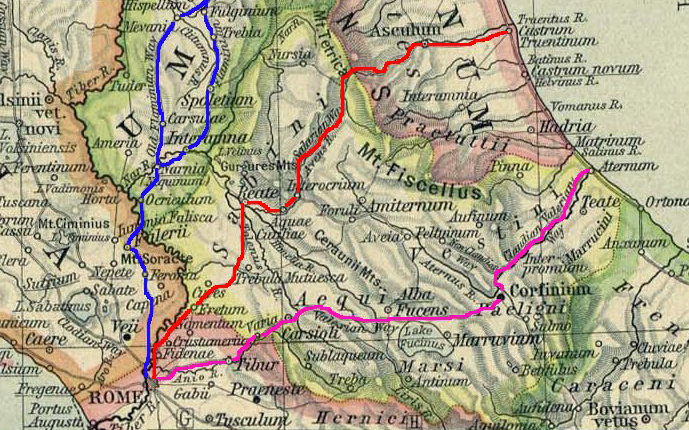
The saying “All roads lead to Rome” began with the ‘Via Salaria,’ or ‘Salt Road.’ This was the first national road established by Rome, connecting the salt-producing regions along the Adriatic coast with the city of Rome, traversing the central Italian peninsula. Not only salt wagons traveled this road, but also silver, grain, and legions moved continuously. Rome drew resources into the heart of the empire through this road and spread military power and culture throughout the empire. Salt created the roads, and those roads became the arteries of the empire. -
Salt Spread Over Carthage, a Legendary Symbol
It is famous that after Rome destroyed its long-time rival Carthage, they spread salt over the entire city to ensure that nothing would grow there again. Although this is widely regarded as an exaggerated legend, the reason this story has remained in people’s minds for so long is that it shows how clearly the Romans recognized the ’life-giving power’ of salt and its opposite, the ‘destructive power that takes all life away.’ Salt was the ultimate symbol of power that could build civilizations or completely erase them.The 'life-giving power' of salt and the opposite 'destructive power that takes all life away

3. The Great Journey of a Roman Salt Merchant
How can we better understand the complex and vast role of salt? Let us find the answer through the special journey of a Roman salt merchant, ‘Gaius Salinator.’
As the blue light of dawn began to color the Tyrrhenian Sea, Gaius was already standing at his salt marsh, Salinae, near the port of Ostia. Breathing in the salty air mixed with the scent of the sea, he looked around at the square salt pans. The dazzling white crystals created by the scorching sun over the past few weeks were his family’s livelihood and his pride.
Today was a very important day for him. He had decided to select the purest salt to offer at the Temple of Jupiter for his son Lucius, who was serving on the Germanic border, and for the victory of the empire. He carefully picked the whitest and largest salt crystals and placed them in a small leather pouch. The rest of the salt was packed into a large sack and loaded onto a cart pulled by a mule. It was all his wealth to sell in the Roman market.
“Father, I heard there are many thieves on the Via Salaria these days; please be careful,” he recalled a line from his son’s letter, but he was not afraid. Before long, his cart became part of a massive procession, mingling with other merchants, pilgrims, and soldiers heading to Rome on leave.
The centurion Marcus, whom he met on the road, glanced at Gaius’s cart and laughed heartily. “Thanks to your white stones, our 9th legion survived last winter. When we were besieged by the Germans, if it weren’t for the salted pork supplied by merchants like you, we would have all starved to death.” Gaius’s heart swelled with pride. For the first time, he realized that his work was not just selling salt but was connected to saving the lives of soldiers like his son, who were protecting the empire beyond the borders.
A few days later, he finally saw the gates of Rome. The customs officer at the market entrance inspected Gaius’s sack of salt with a sharp eye and weighed it. “The salt tax to be paid to the state is twenty denarii.” It was not a small amount, but Gaius silently paid the tax. He vaguely understood that this silver would become the armor for the legion that Marcus spoke of and the stones to repair this road.
After selling all the salt in the market, he took the small pouch of salt he had cherished and headed to the Temple of Jupiter on Capitoline Hill. He reverently sprinkled the white salt on the altar, praying for his son’s fortune and the glory of the empire.
As he descended from the temple and stood overlooking the Forum Romanum, Gaius suddenly realized. How deeply connected his work, which began in a small salt marsh in Ostia, was to the vast world of Rome. His salt had the power to save soldiers’ lives (survival), connect him with others on the Via Salaria (connection), be paid as tax to support the empire (system), and be offered to the gods to pray for everyone’s well-being (culture). He was no longer an ordinary salt merchant. He was a small but essential cog in the great wheel of the empire.
Gaius’s journey illustrates how salt operated within civilization. The salt born from his hands became a medium of trade and communication on the roads of the empire, ultimately becoming part of the vast system of national finances and military power. Through his story, we can intuitively understand how a single substance can lead to the movement of an entire civilization through need and distribution.
History is Closest to Us
Our journey, which began with a small salt crystal, has led to the birth of civilizations, the construction of empires, and the emergence of invisible systems. Salt was not merely a supporting character in history. Sometimes it gave birth to civilizations, sometimes it became the veins of empires, and at other times it became a symbol of destruction that ends everything, standing proudly as a main character.
This evening, when you see the salt on your table, why not pause for a moment and recall the thousands of years of history contained within it? The great narrative of humanity may not only reside in museums or ancient books but might be breathing right in front of us in the most ordinary and familiar places.