posts / Humanities

'Yes, but' to 'Yes, and' — Practical methods to build psychological safety

phoue

20 min read --

📌 Key Summary (A 3-line summary for you)
That one word, “but”… isn’t it scary? It’s not just a conjunction. It’s like a massive wall that blocks organizational innovation. This article probes why giant companies like Blockbuster and Kodak fell apart because of that single “but.” And most importantly, I’ll share practical methods to create psychological safety so people can say, “Yes, and.”

The double-edged sword of “Yes, but…..”

Language is fascinating. It doesn’t just transmit information — it shapes our thoughts and relationships.

Especially the word “Yes, but…” — oh, it’s powerful. It abruptly redirects the flow of conversation.

This small word can chill an otherwise positive atmosphere in an instant and stomp on a nascent idea.

“Nice idea, but…” Have you ever seen anything good come after that? (Probably rarely, if ever.)

Of course, “Yes, but…” isn’t always bad. It’s necessary for critical thinking. It helps us doubt “Is this right?”, find flaws in logic, and discover better paths. It’s a precious tool.

But here’s the problem.

In many cases, “Yes, but…” acts as an unconscious brake that prevents progress. It’s like a red light saying, “Stop! Up to there.”

What is the psychology hidden behind this “Yes, but…”?

How can this simple word trigger deep fears in our brains and determine the fate of ideas, teams, and even entire organizations?

Part 1: Why are we designed to say “No”?

We don’t resist change simply because we’re stubborn. Behind that resistance is a deeply ingrained, invisible psychological structure in our brains and minds that almost reflexively makes us shout “No.”

Chapter 1: The gravity of familiarity, the ‘status quo bias’

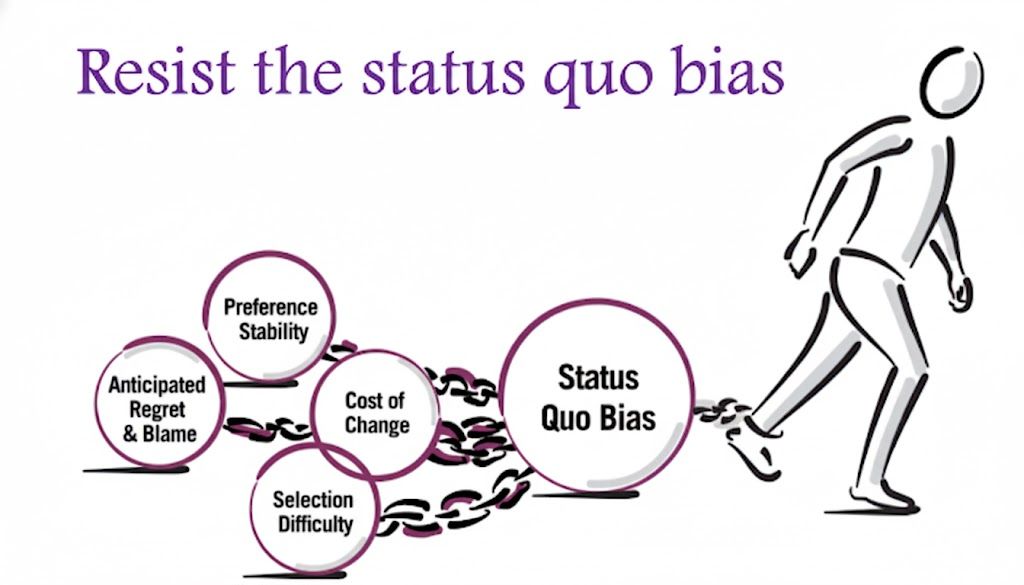
Our dislike of change isn’t just stubbornness. Honestly, it’s instinct.

resist Status quo bia

It’s called the ‘status quo bias’, which basically means “don’t stir up trouble.” If we’re not in immediate danger, we prefer to stay as we are. It’s so powerful that even when we know the current state isn’t optimal, we refuse change simply because it’s familiar.

Why is that? There are three main reasons.

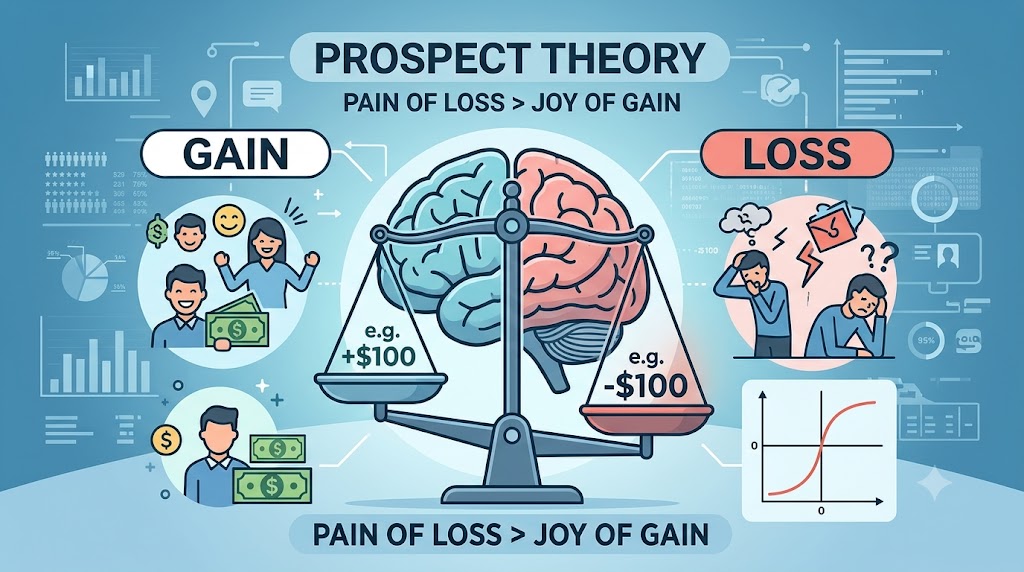
  • Loss Aversion: People feel the pain of losing 100,000 won twice as strongly as the pleasure of gaining 100,000 won. Change means giving up what we currently have. So the brain sounds an alarm: “No! I don’t want to lose!”
    Loss Aversion
    Loss Aversion
  • Cognitive Ease (Mental Laziness): The brain is lazier than we think. Sticking to familiar paths is easy; trying something new requires considerable mental effort. It’s an instinct to conserve energy.
    Cognitive Ease 인지적 편안함
    Cognitive Ease 인지적 편안함
  • Endowment Effect (Preference for what’s mine): Strangely, we overvalue what we already have or are familiar with.
    Endowment Effect
    Endowment Effect

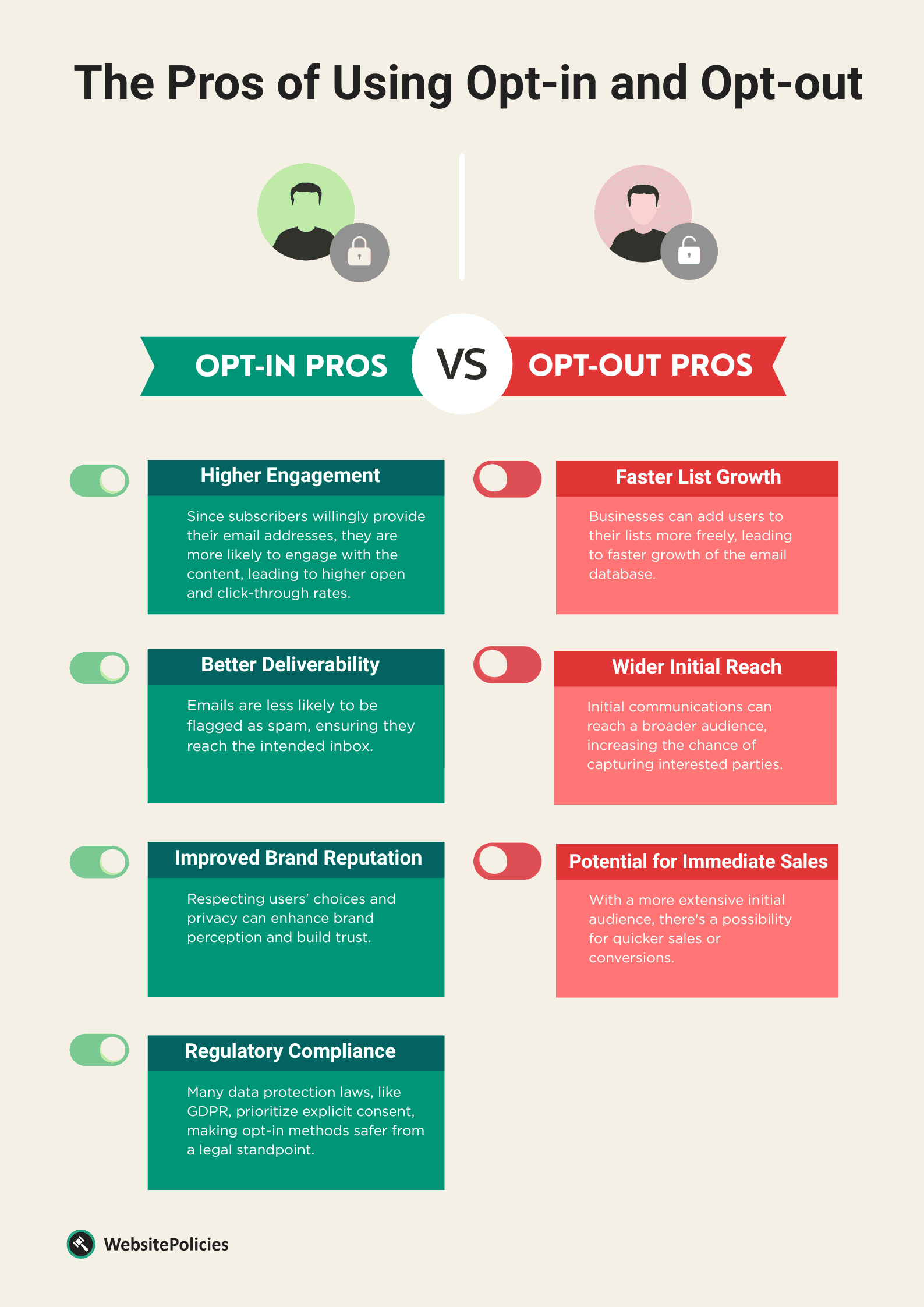
This phenomenon is everywhere. A classic example is organ donation consent rates. If the form says “only check if you do NOT want to donate” (opt-out), most people leave it as is. If it says “check if you DO want to donate” (opt-in), consent rates drop significantly. Huge difference.

The same applies when ordering at Subway. Asking “Which vegetables would you like?” (opt-in) versus “Are there any vegetables you don’t want?” (opt-out) yields very different results. The latter leads to much more vegetables being added because “all of them” becomes the default.

opt in vs opt out
opt in vs opt out

Chapter 2: Ears that hear only what they want, ‘confirmation bias’

This is terrifying too. ‘Confirmation bias’ is basically the desire to be told “I was right.”

Confirmation bias 확정 편향

We don’t seek the truth; we seek evidence that our beliefs are correct. Information that agrees with us is received with “See?” while information that contradicts us is dismissed as “That’s wrong.”

Why? Because if my belief is attacked, I feel anxiety. I get stressed. Hearing “You’re right” is incredibly comforting.

When this becomes extreme, there’s no hope. People hang out only with those who think like them and watch the same news channels they always have. They refuse to listen to opposing views. Social media algorithms exacerbate this — the so-called ‘filter bubble’, showing only the world you want to see.

보고싶은 세상만 보기, 확증 편향의 대표적인 예

This has led to terrible outcomes. The 1941 attack on Pearl Harbor is one example. The U.S. Pacific Fleet commander was trapped by the belief “Japan wouldn’t attack Pearl Harbor.” Washington kept sending warnings of danger, but he ignored them, because the warnings didn’t fit his belief.

There’s also a tragic case in our country: Yoon Seong-yeo, who spent 20 years wrongfully imprisoned after being framed as the suspect in the Hwaseong serial murders. Investigators fixed on the frame “this person is the culprit” and fitted all evidence to that narrative, ignoring exculpatory proof. That is all due to confirmation bias.

Chapter 3: “Danger!” — the brain’s alarm, ‘defense mechanisms’

Now, about the brain. Resistance to change has psychological roots, but fundamentally it’s… no, to be precise, it’s a survival instinct.

Deep in our brain is the ‘amygdala’ — a kind of smoke detector. For millions of years it has evolved to protect us from real dangers like “roar! a tiger!” When it senses danger, stress hormones flood out and we switch to “Fight-or-Flight” mode.

But here’s the problem: this primitive detector responds the same way to abstract threats like ‘a new idea or way of working’ or ‘criticism of my expertise.’

변화를 위협으로 간주하는 편도체
변화를 위협으로 간주하는 편도체

When someone in an organization says “Let’s change everything!”, people’s brains sound an alarm: “Danger! My position is at risk!” The amygdala gets activated.

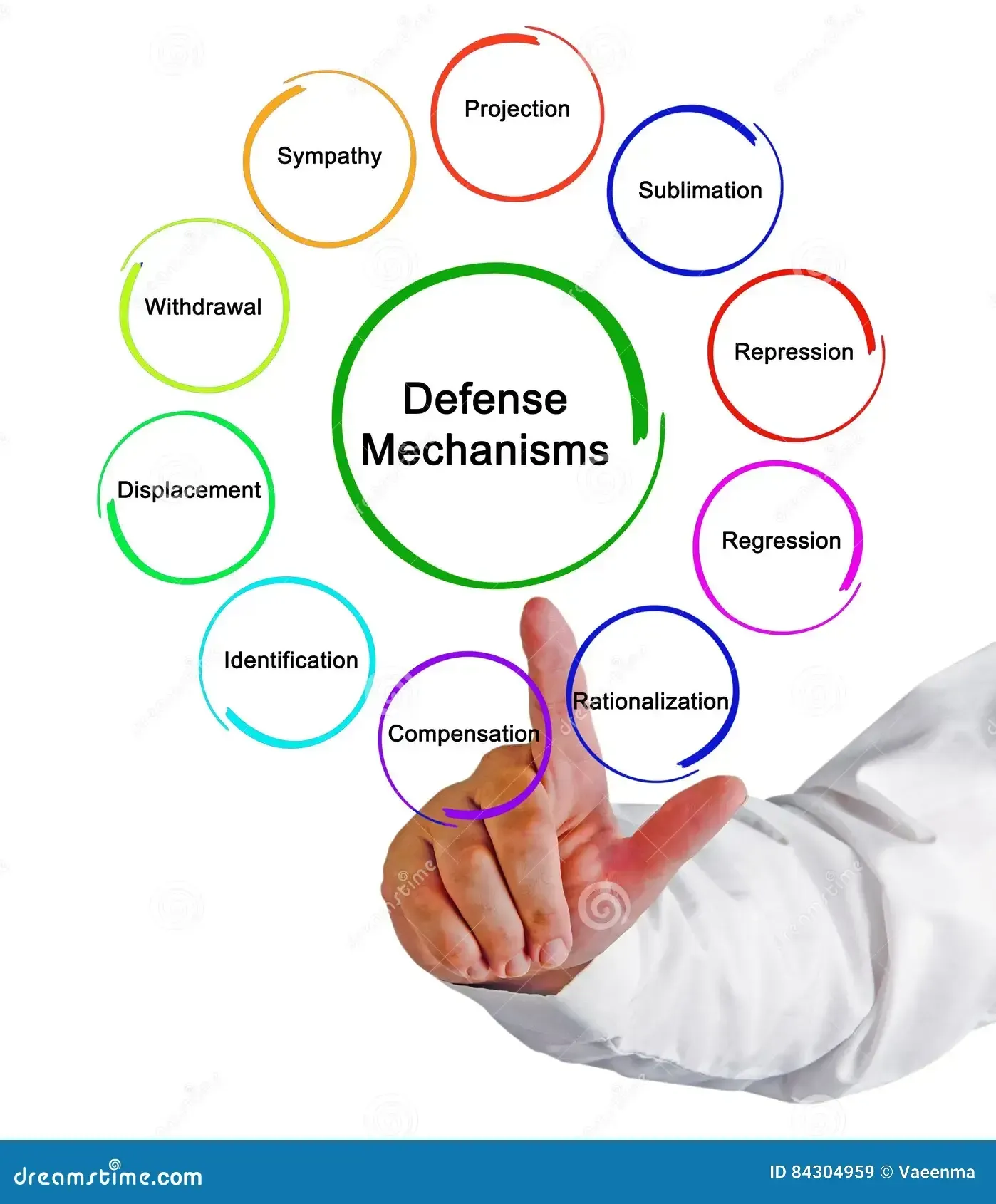
Feeling anxious and stressed, we unconsciously activate ‘defense mechanisms’. These are not rational choices — they are reflexive responses.

Defense Mechanism
Defense Mechanism

  • Denial: “No, that technology won’t affect our industry.” (Refusing to accept reality)
  • Rationalization: “New system? Fine. But if we implement it now, training costs will be too high and the cure worse than the disease.” (Attaching seemingly plausible reasons)
  • Projection: “I’m fine, but customers will hate this change.” (Blaming others for one’s own anxiety)

Do you know what the final verbal expression of all these complex psychobiological processes is?

That single phrase.

“Yes, the idea is good. But…

Part 2: The cost of that single “but” — a record of stagnation and failure

So what tragedies has this psychological resistance produced in reality? You probably know the names.

Chapter 4: “Yes, but we have offline stores” (Blockbuster)

Blockbuster 인지편향의 완벽한 교본

It was the year 2000. Blockbuster, the king of video rental, was visited by the founders of a scrappy startup called Netflix. “Buy us for $50 million.”

Blockbuster CEO John Antioco? He scoffed. “Pfft.”

Ten years later, Blockbuster filed for bankruptcy protection. Netflix? It became the Netflix we know.

This is a textbook case of cognitive bias.

First, status quo bias. Blockbuster had thousands of offline stores and its main revenue came from “late fees.” That was pure gold. Accepting Netflix’s subscription model meant giving up the golden goose. The immediate loss was obvious (loss aversion), so they chose to avoid certain present losses over uncertain future gains.

Second, confirmation bias. The CEO labeled the dot-com craze a “bubble.” Netflix was just another bubble to him. He ignored data pointing to Netflix’s potential and sought only evidence to confirm, “See? I told you it’s a bubble.” Tragic.

Chapter 5: “Yes, but we’re a film company” (Kodak)

If Blockbuster failed to see external innovation, Kodak — which filed for bankruptcy in 2012 — did something even more baffling: it buried innovation it created internally.

Believe it or not? The first digital camera in the world was invented in 1975 by Kodak engineer Steve Sasson. When he showed a prototype to management, the reaction was cold. An executive reportedly said, “Cute. But don’t tell anyone about this.”

…utterly absurd.

코닥의 직원이 만든 세계 최초의 디지털 카메라( 코닥은 자신이 발명한 ‘디지털’이라는 미래를 스스로 외면하였습니다. )

Kodak management was so entrenched in their identity as a seller of film and photo paper that their “but” was: “Yes, digital technology is interesting. But we are a film company. This technology will cannibalize our core business.”

They denied the threat that digital cameras would replace film and rationalized the technology away as “poor image quality.” They literally destroyed their own future by ignoring what they invented — a strikingly paradoxical case.

Chapter 6: “Yes, but we’re #1 in market share” (Nokia)

In the mid-2000s, Nokia reigned as the king of mobile phones with over 40% global market share. They weren’t lacking in innovation. Nokia had shown the ‘Communicator’ in 1996 — arguably the first smartphone — and had internally developed touchscreen technology long before the iPhone.

So why did they fail?

INSEAD researchers later conducted in-depth interviews with 76 former executives and found the root cause of the collapse was not a lack of technology but ‘organizational fear.’

Organizational Fear 조직적인 두려움

It’s terrifying when you think about it. Mid-level managers and engineers clearly recognized serious limitations of their main OS, Symbian, compared to Apple’s iOS. But they were extremely afraid to report this bad news to top management. “Why are you only saying negative stuff? Are you incompetent?” They feared such reactions. The organization was paralyzed by fear.

Top management, meanwhile, was completely disconnected from the reality on the ground. They felt pressure to promise rosy futures to investors and feared admitting inconvenient truths. This was a collective denial defense mechanism at the organizational level. Nokia’s “But we’re #1” claim was simply a shield of fear to protect short-term performance and pride.

Chapter 7: “Yes, but we’re a copier company” (Xerox PARC)

The Xerox story is legendary.

In the 1970s, Xerox worried about overreliance on copier business and founded the Palo Alto Research Center (PARC). PARC exceeded expectations and invented nearly every core technology that launched the personal computing era: the first personal computer concepts, graphical user interfaces (GUI), the mouse, Ethernet networking… their list of inventions is astonishing.

But Xerox utterly failed to commercialize the future it invented. Why? Because of a failure of imagination — corporate-level confirmation bias.

Xerox executives viewed the world only through the lens of “copiers.” Their identity was firmly fixed as a ‘document duplication solutions company.’ A personal computer didn’t fit their familiar business model or identity. “What does that have to do with our copier business?”

When a young Steve Jobs visited PARC in 1979 and saw the GUI, he immediately sensed it would transform computing. Jobs took what Xerox left unused and created the Apple Macintosh. Xerox’s confirmation bias — “But we’re a copier company” — handed a chance to change technological history to a competitor.

Chapter 8: A parallel in science — resistance around continental drift theory

“Surely science, which should be most rational, is different.” …Nope.

In 1915, German meteorologist Alfred Wegener proposed the revolutionary theory of continental drift. He presented extensive evidence: coastlines of continents fitting like puzzle pieces, identical fossil types found on different continents, etc.

대륙이동설의 증거로 제시된 동물 화석 분포

Mainstream geologists at the time fiercely criticized Wegener’s theory. Their rebuttal used the classic “but” logic: “Your evidence is interesting. But — can you explain the force (mechanism) that could move these massive continents?”.

This was also the result of deep-seated confirmation bias in the scientific community. Scientists clung to the existing paradigm that underpinned decades of work and reputation, seized upon the single weakness in Wegener’s theory, and dismissed the whole idea. Additionally, Wegener being a meteorologist rather than a geologist made them even more defensive. (“Who’s this outsider?”)

Decades later, seafloor exploration revealed evidence such as seafloor spreading and mantle convection, leading to the revival of his idea as plate tectonics — the foundation of modern geology. Wegener’s case clearly shows the paradox that expertise and success can be the biggest barriers to adopting a new paradigm.

Part 3: From ‘But’ to ‘And’ — Building a fear-free organization (Practical)

Having understood the psychological roots of resistance and witnessed the record of failures it caused, we must move from diagnosis to prescription. How do we dismantle the “but” wall embedded in organizational minds and create a culture where ideas flow freely with “and”?

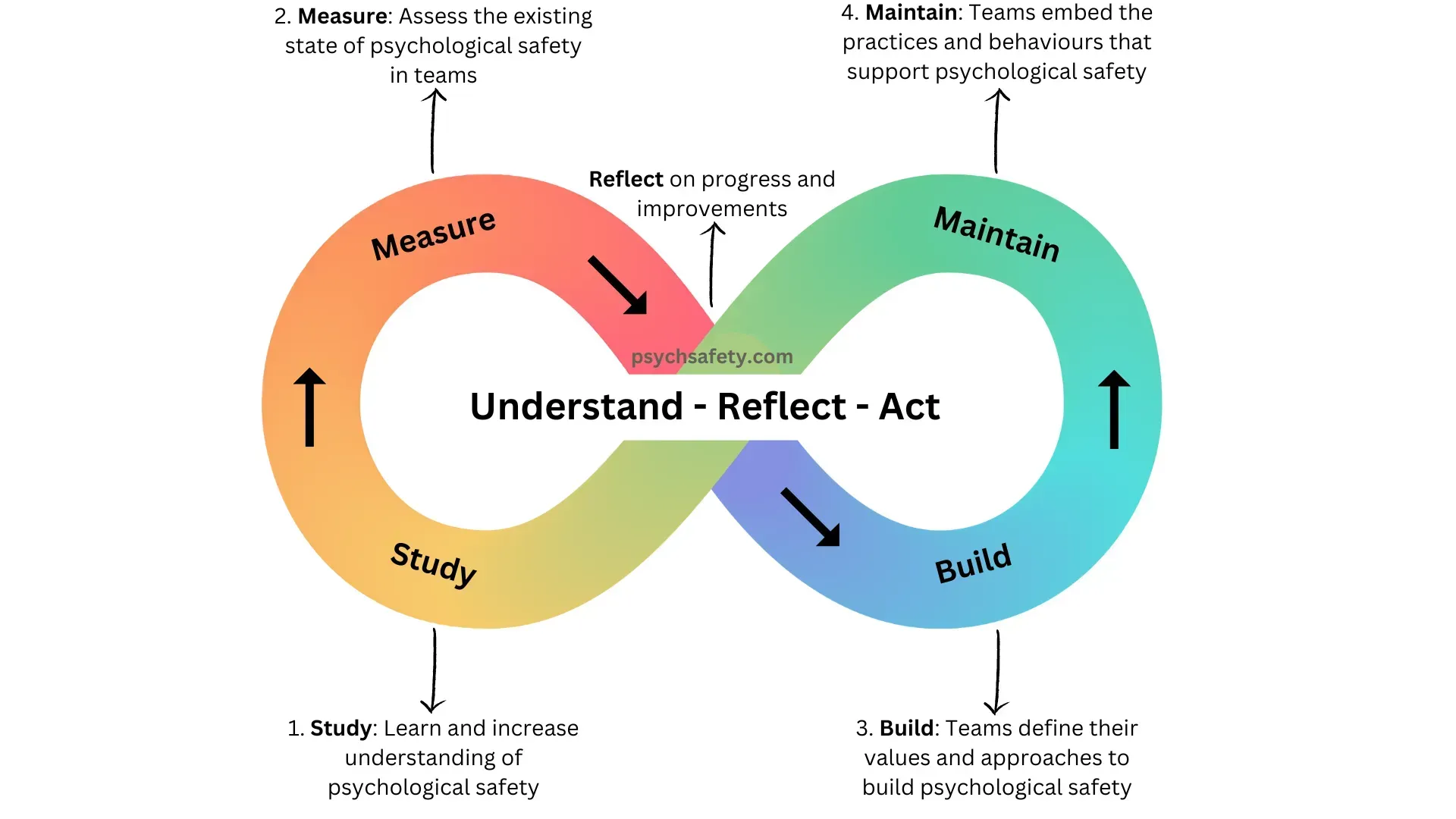
Chapter 9: The foundation of everything — psychological safety

Diagnosis is done. We need a prescription. How do we tear down this exhausting “but” wall?

The answer is one thing: ‘Psychological Safety.’

This concept, established by Amy Edmondson of Harvard Business School, is defined as “a shared belief that team members will not be punished or humiliated for speaking up with ideas, questions, concerns, or mistakes.”

This must not be misunderstood. It’s not “be nice to each other” or “let’s avoid conflict.” Quite the opposite. Psychological safety enables people to give and receive painful feedback like “I disagree with that” honestly and constructively because there is mutual trust.

Why is this important? It links directly to the brain discussed in Part 1, Chapter 3. When people feel psychologically safe, the amygdala’s threat detection quiets down and the prefrontal cortex — responsible for higher-order thinking, creativity, and problem-solving — activates. The mind starts working smarter!

Google’s years-long “Aristotle Project” analyzing high-performing teams found that psychological safety was by far the single most important factor — more important than members’ skills or personalities.

Psychological safety is an essential operating system for organizations to survive and grow in an era of uncertainty.

Psychological Safety 불확실성 시대에 생존하고 성장하기 위한 필수 운영체계

Photo: Teams with high psychological safety freely exchange opinions and share mistakes.

Chapter 10: The leader’s practical code — 5 pillars of psychological safety

How can leaders install this operating system of psychological safety in their organizations? A leader’s role is crucial. Here are five concrete actions leaders can start doing immediately.

  1. Reframe work as a problem of ’learning’ rather than ’execution’
    Instead of saying, “We’re experts in this field and must execute flawlessly without mistakes,” declare, “This project is unprecedented and highly uncertain. We will learn together as we find answers.” When leaders first acknowledge uncertainty, team members won’t fear asking questions or taking risks.
  2. Admit your vulnerabilities and mistakes first
    Psychological safety starts with the leader. When a leader honestly says, “I don’t know this part and need help” or “I made a mistake; let’s fix it this way,” team members learn that admitting mistakes is part of the process, not a punishment. Show yourself as a learning leader, not a perfect one.
  3. Practice destructive curiosity (Ask questions!)
    Instead of commanding and receiving reports in meetings, please ask questions. Especially powerful, open questions like “Why do you think so?”, “Are there perspectives we’re missing?”, “What do you see as the biggest weakness of this idea?” communicate strongly to team members that “your thinking matters.”
  4. Analyze failures, don’t blame them
    A leader’s first response to bad news or failure determines the culture. The moment you ask, “Who is to blame?” everything ends. Everyone shuts up. Instead, ask “What led to this result?” Reframe failure from individual incompetence to a system flaw or new learning data. Where blame disappears, honest reporting begins.
  5. Actively solicit and reward dissenting opinions
    Pay attention to the minority who remain silent. Intentionally appoint a devil’s advocate in meetings or explicitly say, “I’d like to hear from anyone who disagrees with me.” And publicly reward those who courageously offer a different view with “Thank you for that sharp insight.”

Chapter 11: The engine of creativity — how Pixar’s Braintrust works

A best illustration of how creativity runs on top of psychological safety is Pixar’s ‘Braintrust.’ In Braintrust meetings, peers — directors and writers — gather to give honest, constructive feedback on films in early production stages.

pixar braintrust
pixar braintrust

How does it work so effectively while being ruthlessly honest? The core principles are:

pixar의 braintrust의 핵심 내용

  • Candor, Not Command:
    Braintrust members have the right to advise but not the right to command. The receiving director listens to all feedback, but the final decision and responsibility for what to accept rests entirely with them. By separating feedback from authority, directors don’t take a defensive stance and can be open to ideas.
  • Shared purpose:
    Everyone at the meeting shares a single goal: to make the film better. Feedback is not a personal attack but a contribution to the collective success of the work.
  • A culture that accepts failure as part of the process:
    Pixar shares the philosophy, “All our movies suck at first.” Failure is not something to avoid but a necessary stage in making great films.

Pixar’s Braintrust shows that psychological safety isn’t just an abstract culture but can be institutionalized as a core organizational capability through clear principles and systems.

Chapter 12: Redesigning the organizational mind — the magic language that turns ‘but’ into ‘and’

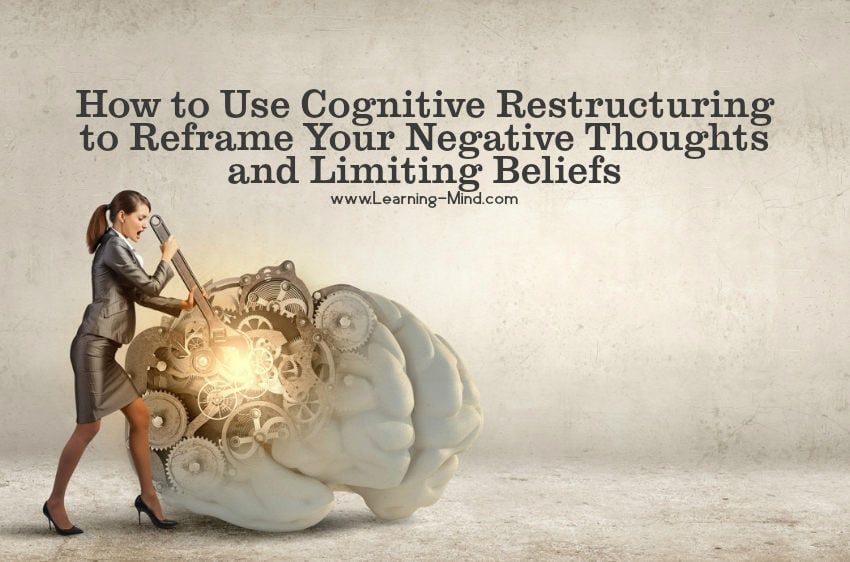
Having painted the big picture of culture, we must create change in everyday micro-conversations. Here, the cognitive-behavioral therapy (CBT) technique of ‘cognitive reframing’ is a powerful, practical tool leaders can use.

cognitive reframing
cognitive reframing

CBT’s basic principle is that it’s not an event itself but our “thoughts and interpretations” about the event that determine our emotions and behaviors. A leader’s role is to recognize the negative thought pattern that starts with “but…” when a new idea is presented, and help team members challenge that thought and shift to a constructive, “and…” perspective.

  • “Yes, but we don’t have the resources.” (Conversation-stopping objection)
    → “Yes, I agree we currently lack resources. And what is the smallest experiment we can run within our existing resources to test this idea?” (Acknowledge the problem and seek solutions)
  • “Yes, but that’s too risky.”
    → “Yes, there are risk factors. And what can we do right now to reduce and manage those risks?” (Acknowledge risk and explore mitigation)

This ‘Yes, and’ approach actually originated from improv theaters like Chicago’s Second City. The first rule of improv is “Never deny your partner’s offer (No ‘Buts’); accept it (Yes) and add your idea to it (And).”

When this principle enters organizational culture, criticism becomes the beginning of constructive problem solving rather than condemnation.

Feature ‘But’ culture (Organizations of fear) ‘And’ culture (Fear-free organizations)
Core emotion Fear of failure, anxiety Psychological safety, trust
Flow of information Information hoarding, hiding bad news Transparent sharing, honest feedback
Response to failure Finding someone to blame, criticism Treated as learning opportunity, open discussion
Decision-making style Status quo bias, confirmation bias Data-driven, embracing diverse perspectives
Common conversational pattern “Yes, but…” “Yes, and…”
Representative cases Blockbuster, Kodak, Nokia Pixar Braintrust, Google

Conclusion: Beyond “Yes, but…..”

We started from a single conjunction, “but,” and explored the psychological structures of resistance deeply embedded in human minds. Status quo bias’s strong inertia, confirmation bias’s echo chamber, and the brain’s primitive threat system combine to build a solid barrier against innovation.

The collapses of giants like Blockbuster, Kodak, and Nokia vividly demonstrate the destructive power of this invisible wall.

But this is not a chronicle of despair. Understanding the mechanisms of resistance is the first step to overcoming them. Amy Edmondson’s psychological safety offers a fundamental solution to transform a culture of fear into one of trust, and Pixar’s Braintrust is living proof of how that can unleash collective intelligence into a remarkable creative engine.

Ultimately, large-scale organizational change doesn’t happen on a leader’s desk; it happens in every conversation in meeting rooms. The specific leader behaviors outlined in Chapter 10 and the cognitive reframing techniques in Chapter 12 can turn the critical but isolating language of “Yes, but” into the receptive and developmental language of “Yes, and,” producing a butterfly effect that redesigns the organization’s entire mindset.

I’m convinced the future belongs not to organizations with the best ideas, but to those with the psychological capability to speak, nurture, and execute those ideas without fear.


🚀 Appendix: “Yes, but…” practice workshop scenario (30 minutes)

To put theory into practice, here is a simple 30-minute workshop scenario teams can run immediately. It’s designed to let participants experience the power of “Yes, and” firsthand and train the habit of turning critical thinking into constructive idea development.

1. Goal:

  • Experience how “Yes, but…” blocks conversation and drains energy.
  • Learn the creative process of accepting and expanding ideas instead of shutting them down.
  • Increase the team’s psychological safety and creative confidence.

2. Materials:

  • One facilitator
  • Participants (groups of 4–6)
  • Whiteboard or post-its for writing ideas

3. Scenario steps:

  • Step 1: ‘Yes, but…’ round (10 minutes)
    • Process: The facilitator presents a simple prompt like “A clever idea for our team’s next-quarter workshop” or “A million-won marketing idea to attract new customers.”
    • Rule: The first person offers an idea (e.g., “Let’s hold a yacht workshop in Jeju Island”). The next person must start with “Yes, but…” and present a problem or opposing view (e.g., “Yes, but the budget is too high”). The next person again replies with “Yes, but…” to the previous comment (e.g., “Yes, but budget is an issue, and scheduling is hard too”).
    • Debriefing: After about 5 minutes, ask participants how they felt. Typical feedback: “It drained energy,” “My idea was rejected,” “I don’t want to speak anymore,” “The idea didn’t advance at all.”
  • Step 2: ‘Yes, and’ round (15 minutes)
    • Process: Start again with the same prompt.
    • Rule: The first person offers an idea (e.g., “Let’s hold a yacht workshop in Jeju Island”). The next person must start with “Yes, and…”, accept the idea, and add their own (e.g., “Yes, and we can have a team-building fishing competition on the yacht”). The next person continues with “Yes, and…” (e.g., “Yes, and we can cook the fish we catch together for a dinner contest”). No matter how unrealistic an idea seems, accept and build on it.
    • Debriefing: After about 10 minutes, ask about feelings and how the idea evolved. Typical feedback: “Exciting,” “Ideas became richer,” “Seemed feasible,” “Fun,” “Felt like contributing to others’ ideas.”
  • Step 3: Synthesis and application (5 minutes)
    • Process: The facilitator summarizes the stark differences between the two rounds. “Yes, but…” kills ideas and drains energy; “Yes, and” accepts incomplete ideas and develops them into collective intelligence.
    • Conclusion: The leader encourages practice: “Like today’s workshop, when you want to say ‘Yes, but…’ in actual meetings, pause and try to use ‘and’ and add a way to address the issue.” Close by urging commitment to practice.
References 1. Korean Pragmatics (Scribd) 2. Research topics in pragmatics (KOCW) 3. Language acquisition and pragmatics (ELSOK) 4. Status quo bias (Yonhap Infomax) 5. Cases of irrational decision-making and three causes (Korea Industrial Technology Association) 6. Status quo bias (Wikipedia) 7. [Behavioral Economics] Status quo bias (Education & Culture Institute) 8. Status quo bias (Encyclopedia of Social Welfare Terms) 9. [Introduction to Behavioral Economics] Status quo bias cases and uses (Professor Joo Jae-woo) 10. Why do many people dislike change? - status quo bias (YouTube) 11. Status quo bias cases and uses (Design Marketing Lab) 12. About confirmation bias (MacArthur School) 13. Confirmation bias (Education & Culture Institute) 14. Overcoming confirmation bias: the path to objective thinking (General Library) 15. Confirmation bias (Namu Wiki) 16. “I only see what I think is right”… 'Confirmation Bias' fuels a hateful society (Dong-A Ilbo) 17. Confirmation bias (Wikipedia) 18. Why defense mechanisms exist from an evolutionary psychology perspective (PudPud) 19. Why do I keep defending? Reasons for defensive psychology and defense mechanisms (YouTube) 20. Defense mechanism (Wikipedia) 21. Defense mechanism (Namu Wiki) 22. Ego defense mechanisms (adaptive mechanisms, Defence Mechanism) (Education & Culture Institute) 23. Laughed off at a sale of 60 billion won; now worth 700 trillion… What ruined them (Asia Economy) 24. [Gwak Byung-sun Column] The moment of decision: the future of companies that couldn’t decide (Open News) 25. Blockbuster vs Netflix divergent fates (YouTube Shorts) 26. Why a once-thriving giant collapsed in one blow (YouTube) 27. Lessons on brand strategy from Nokia’s failure (WiseBizLab) 28. Details::KBI Tube (Korea Financial Training Institute) 29. [Jemin Forum] CEO leadership lessons from Nokia & LG smartphone collapses (Jemin News) 30. Nokia collapse — what’s the real reason? (Dong-A Business Review) 31. Four traps of technology development (LG Business Research Institute) 32. Continental drift (Korea Science Space Youth Corps) 33. "Wegener: Seer of Continental Drift" (Editverse) 34. Alfred Wegener’s continental drift theory (Popcorn Planet) 35. Research on theory choice processes revealed in Wegener’s continental drift case (Seoul National University Philosophy Dept.) 36. Surprising evidence of continental drift revealed in "The Origin of Continents and Oceans" (Top Class) 37. Three ways to build psychological safety at work (Se-hee Park’s Blog) 38. Creating a fear-free organizational culture (Tech42) 39. The secret of high-performing teams: psychological safety (New HRD) 40. Active safety communication starts with psychological safety (Safety Information) 41. [HBR] Research on workplace psychological safety (translated) (Medium) 42. Why Psychological Safety Is the Hidden Engine Behind Innovation (Harvard Business Publishing) 43. The secret to transforming organizations, the power of 'psychological safety'! (Clap Blog) 44. [Lee Do-kyung Column] How psychological safety drives organizational innovation and growth (Korean Media Startup News) 45. How to think like Pixar (From A) 46. Pixar’s Braintrust (Romantic Dreamer - Tistory) 47. [Pul-in Insight] Four feedback methods behind Toy Story (JoongAng Ilbo) 48. Collective creativity and collaboration — why can’t we be like Pixar? (LG Business Research Institute) 49. Cognitive Behavioral Therapy (Wikipedia) 50. Cognitive Behavioral Therapy - Concept Map (ConceptMap.ai) Sort by: 51. What is cognitive behavioral therapy? (Mind Love CBT Center) 52. Cognitive reframing - Cognitive Restructuring (SSKim - Tistory) 53. Pragmatics (Namu Wiki) 54. The psychology of organizational resistance (Ridibooks) 55. Psychological safety — can it be a problem if it’s overdone? (Harvard Business Review Korea)
#How to Build Psychological Safety#'Yes, and' Conversation Method#Why People Resist Innovation#Causes of Kodak's Blockbuster Failure#Creating a Fearless Organization#Overcoming the Status Quo Bias#Examples of Confirmation Bias#Pixar Braintrust Culture#Amy Edmondson's Psychological Safety#Change Management Leadership

Recommended for You

Why Logical People Always Fail in Relationships: Escaping Winning Addiction with a 3-Step Solution

Why Logical People Always Fail in Relationships: Escaping Winning Addiction with a 3-Step Solution

19 min read
Turning Emotions into Strategy: Mastering the 5-Step Law of Conflict Resolution

Turning Emotions into Strategy: Mastering the 5-Step Law of Conflict Resolution

10 min read
It's Not Always Best to Endure: 5 Rational Languages to Master the Situation

It's Not Always Best to Endure: 5 Rational Languages to Master the Situation

10 min read

Advertisement

Comments