
It’s a late night in November 2025, and you turn on your smartphone while lying in bed.
You move your thumb out of habit, but the world unfolding before your eyes is entirely different from a year ago.
Perfectly edited influencer photos on Instagram or trending dance challenges on TikTok are no longer the main stage.
The single line of text you casually typed: “A lost cat wandering through the neon signs of a cyberpunk Seoul.”
Instantly, a high-definition short-form video on par with a Hollywood blockbuster plays on your screen.
Your friends’ reactions are different too.
Instead of simply ’liking’ it, they respond with new videos, inserting their own avatars into the video and twisting the story’s ending.
This isn’t a science fiction novel from the distant future.
This is the current state of ‘Post-Social Media’, meticulously designed and executed by OpenAI.

If the last decade was a competition of ‘who can post better’,
the war that has just begun is a battle of ‘who can better realize imagination into reality.’
We are witnessing a digital ecosystem’s Big Bang, not just a simple app update.
Let’s take a deep dive into OpenAI’s grand blueprint, the ambitions hidden within, and the future we will face.
1. Sora 2: Beyond Watching, a World of ‘Remixing’
The Democratization of Creation, or an Explosion of Supply
While TikTok in the past made ‘anyone a creator’ by simplifying editing and filters,
Sora 2, released in September 2025, has completely eliminated the physical constraints of shooting, lighting, and actors.
This standalone app has evolved beyond a mere video creation tool into a vast ‘imagination playground’.
- Supply Revolution: The limits of content creation are no longer your ‘manual skills’ or ’equipment’. They depend solely on the AI’s ‘Compute power’. A new era has dawned where even a student in their room can direct like Steven Spielberg, as long as they have an idea.
- Evolution of Remix Culture: Watching a video on Sora 2 isn’t the end. If you like a video, you can check its prompt and, with one button, synthesize your own face (Cameo) or completely change the story’s ending. An ‘Infinite Loop’ has been formed where consumers instantly become producers.
The Center of Controversy: ‘Cameo’ and Memes
The most destructive and yet dangerous feature in Sora 2 is undoubtedly ‘Cameo’.
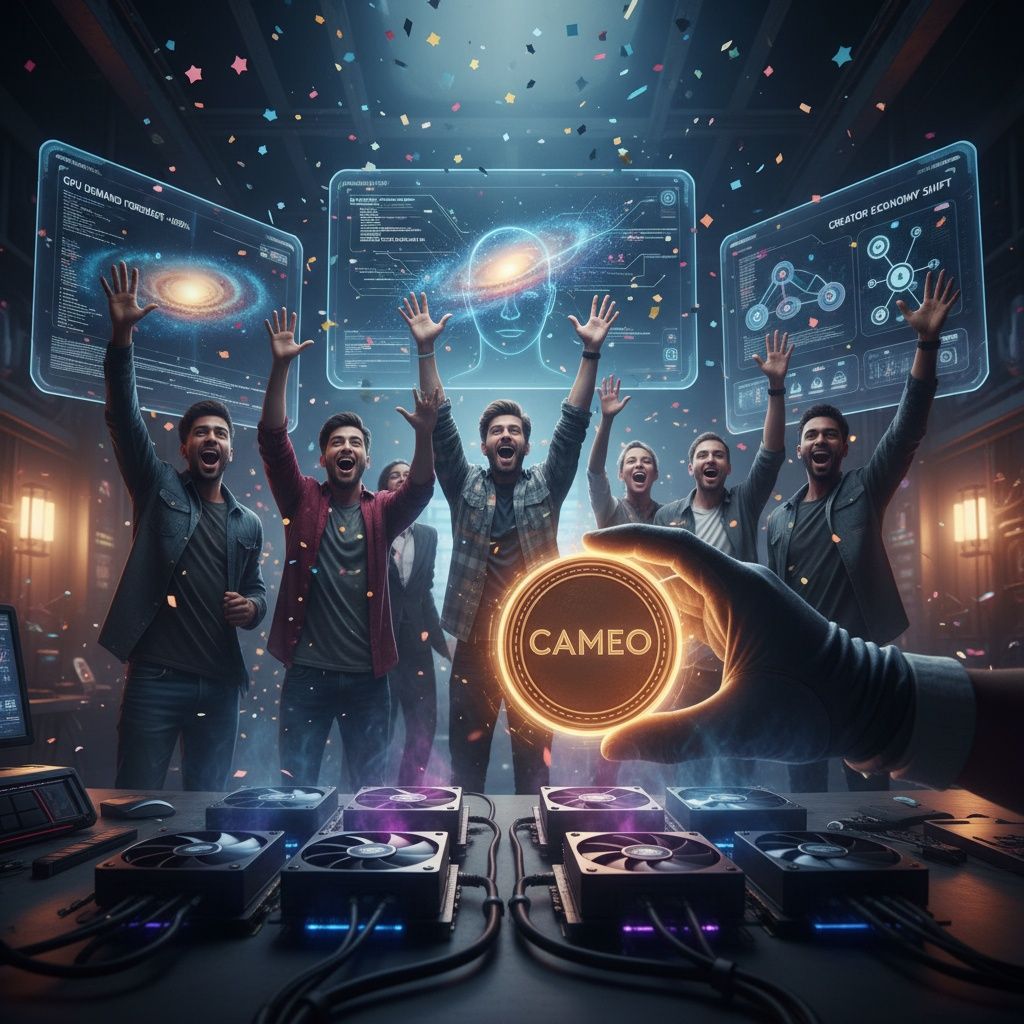
This technology, which consistently inserts your face or specific characters into videos, maximizes immersion but simultaneously throws open the Pandora’s Box of ‘Deepfakes’.
As of November 2025, Sora 2 has become a breeding ground for bizarre and humorous memes.
From surreal dash-cam videos like “Golden retriever stuck in traffic” to horror films in the style of 90s home videos, users are ecstatic in this space where the boundaries between reality and fiction have blurred.
However, behind the scenes, legal time bombs of copyright lawsuits and impersonation of celebrities are ticking away.
Can we truly handle this chaos?
2. ChatGPT: A Giant Operating System (OS) Devouring Apps
OpenAI’s ambition doesn’t stop at video platforms.
They aim to eliminate the smartphone’s home screen. This is the strategy of ‘ChatGPT OS-ification’.
“Apps in ChatGPT” - The Era of Not Opening Apps
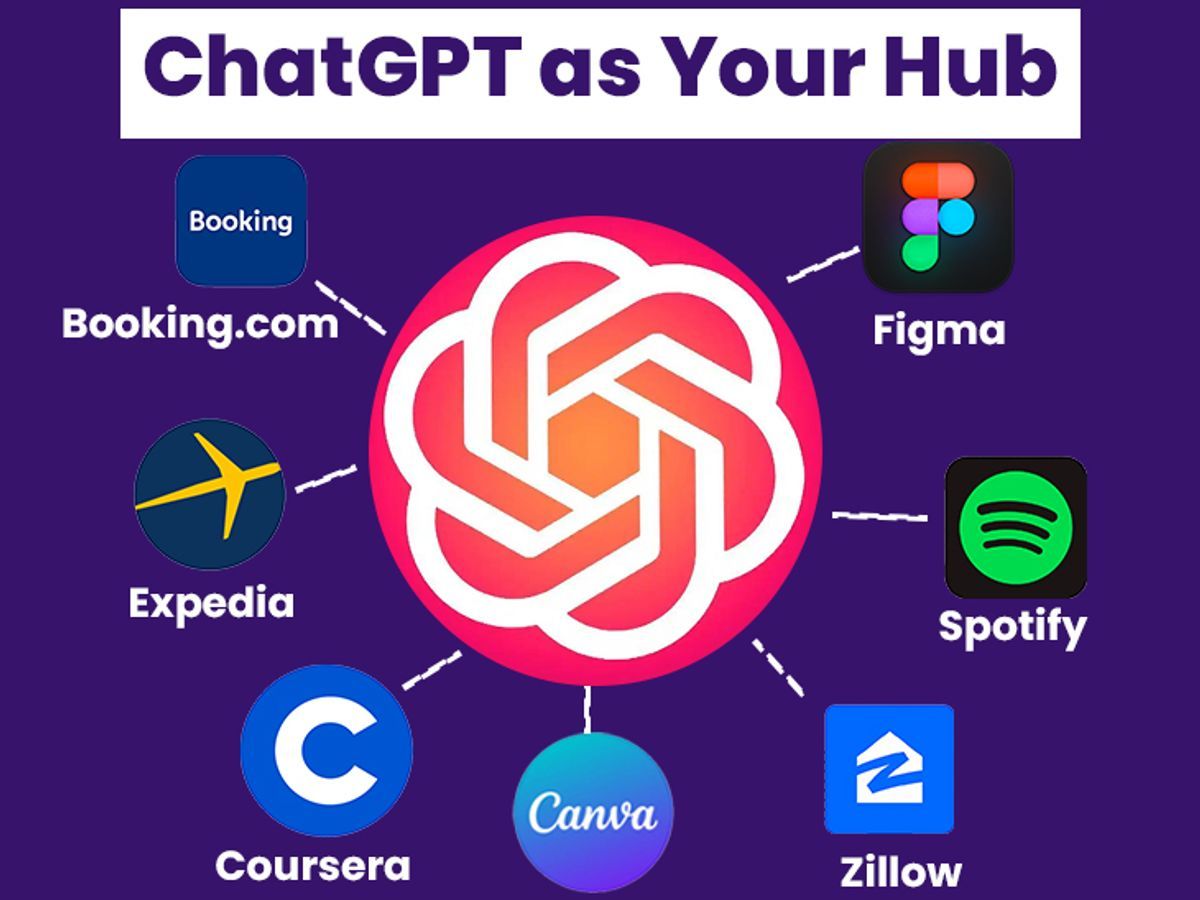
Until now, we’ve opened Spotify to listen to music and Uber to hail a cab. Wasn’t it cumbersome?
‘Apps in ChatGPT’, announced by OpenAI, integrates all these processes into a single chat window.
“Plan a date night for this weekend, make a restaurant reservation, and book an Uber.”
This single sentence is enough.
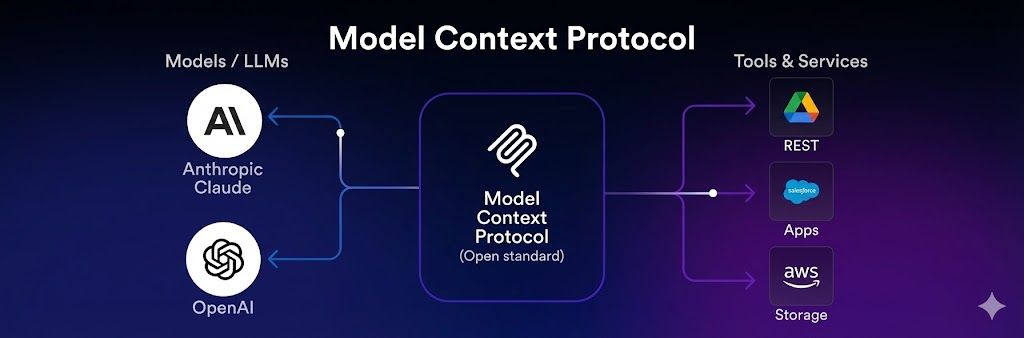
Through a technology called **MCP (Model Context Protocol)**, ChatGPT manipulates external apps like its own hands and feet.
However, this presents developers with ‘The Developer’s Dilemma’.
While riding on the massive platform of ChatGPT offers access to a huge user base, there’s a risk of their own brand disappearing and being reduced to a mere ‘subcontractor’ for ChatGPT.
This is precisely why analyst Ben Thompson commented that “ChatGPT is becoming the next operating system.”
Agent Commerce: The End of Shopping
Furthermore, OpenAI aims to dominate the payment stage through the ‘Agent Commerce Protocol (ACP)’.

In partnership with Stripe and PayPal, it’s a world where AI chooses products and completes payments on your behalf.
The ‘Zero Friction’ economy is opening up, where the ‘search labor’ of navigating shopping websites disappears, and you only need to approve purchases recommended by AI.

Is this the ultimate convenience, or the loss of consumer choice?
3. Stargate: The Physical Engine Turning Imagination into Reality
Behind all these flashy software revolutions lies a monster consuming vast amounts of electricity and water.
This is ‘Project Stargate’.
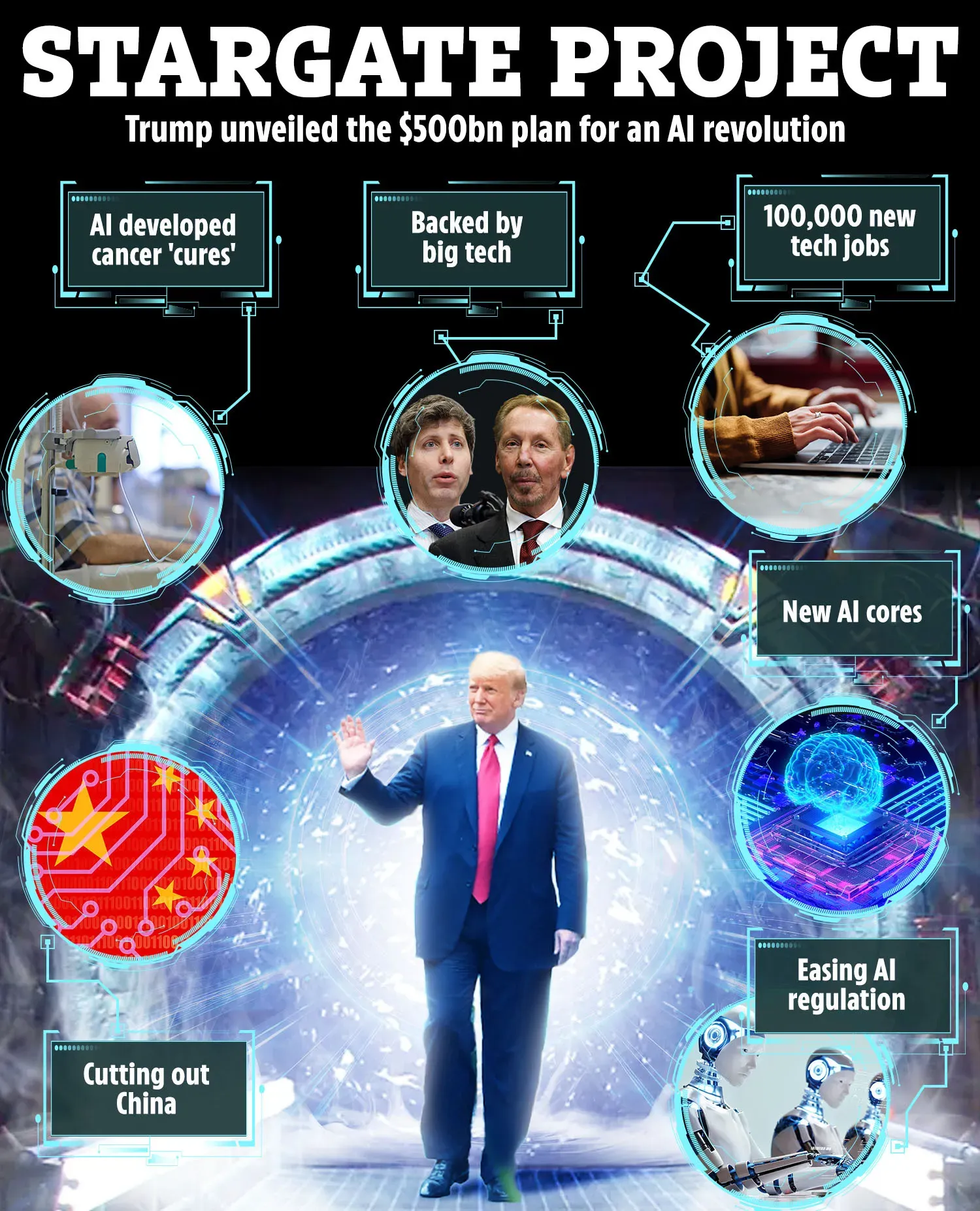
⇒ To support this digital utopia, the physical Earth is consuming enormous energy.
A $500 Billion Gamble
Generating high-definition video for tens of millions of people in real-time requires unimaginable computing power.
To this end, OpenAI and Microsoft are undertaking an infrastructure project investing up to $500 billion by 2026.
- 10 Gigawatts (GW) of power: This is an enormous amount of energy, equivalent to 10 nuclear power plants.
- Expansion of Data Centers: These colossal AI factories being built across the US, in Texas, Michigan, and elsewhere, are being filled with Nvidia’s latest chips.
Collision with Reality
The physical Earth is suffering to build a digital utopia.
In Michigan, lawsuits are underway with residents over the enormous water consumption required for data center cooling.
The fear that “AI is drinking all the water” is not just a spooky tale.
OpenAI’s future hinges not only on its brilliant technology but also on how it resolves conflicts with local communities and secures sustainable energy.
4. The Winner-Takes-All War: Google, Meta, and TikTok’s Counterattack
Competitors won’t stand idly by while OpenAI dominates. By the end of 2025, Silicon Valley is a battlefield without gunfire.
- Google’s Pincer Attack: Armed with YouTube, they’ve equipped it with the high-performance video model ‘Veo 3’. They aim to defend the existing creator ecosystem with cinematic quality and professional-level control features. The soon-to-be-released **Gemini 3.0** has caught up to ChatGPT’s intelligence.
- Meta’s Social Graph: Leveraging the billions of users on Instagram and Facebook, they’ve launched ‘Vibes’. Instead of forcing users to install new apps, they are retaining users by seamlessly integrating AI features into the already familiar feed.
- TikTok’s Defense: Paradoxically, they continue to emphasize ‘humanity’. Their weapon is the ‘real fun’ derived from videos with human touches and imperfections, rather than perfectly polished videos created by AI.
5. Conclusion: Are We Ready to Become ‘Digital Homo Deus’?
OpenAI’s strategy is clear.
They aim to redefine the very way we use the internet by absorbing the ‘fun’ of TikTok, the ‘information’ of Google, and the ’ecosystem’ of Apple.
However, the future we face has both light and shadow.
We will gain unlimited creative freedom but will also live in chaos (Deepfakes) where we can no longer discern what is real.
We will enjoy the convenience of AI doing everything for us, but our inherent human skills and judgment may atrophy.
The digital world will become richer, but the physical Earth may suffer from energy depletion.
Will we become weary of feeds saturated with ‘AI Slop’ (low-quality AI-generated content) and return to human spaces, or will we coexist with AI and embrace a new Renaissance of creation?
The dice thrown by OpenAI have already begun to roll, and the choice is now yours, the user.