
Last night, I realized I had run out of baby wipes and opened Naver first. I have plenty of accumulated points and it’s a product from a seller I’ve bookmarked, so I pressed the payment button without much thought—only to see that the expected delivery date was the day after tomorrow. I ended up canceling the order and opening the Coupang app. By 7:00 AM the next morning, the box was sitting at my door.
Even though I know Naver is much more generous with points and offers better membership benefits, I end up switching to Coupang for urgent items. It seems I’m not the only one. Looking into recent related articles, it’s clear that even within Naver, this problem is being viewed quite seriously. Not just as a minor observation, but to the level of deciding to overhaul a strategy they’ve maintained for over 20 years.
Coupang and Naver were building different things from the start
The delivery gap between the two companies stems from the fact that they started their businesses in completely different ways. Coupang was a company that bought products directly and stocked them as inventory, while Naver was a platform connecting sellers with logistics companies. Whether you hold the physical goods in your hand or just host a link—this single difference explains almost all of the current gap.
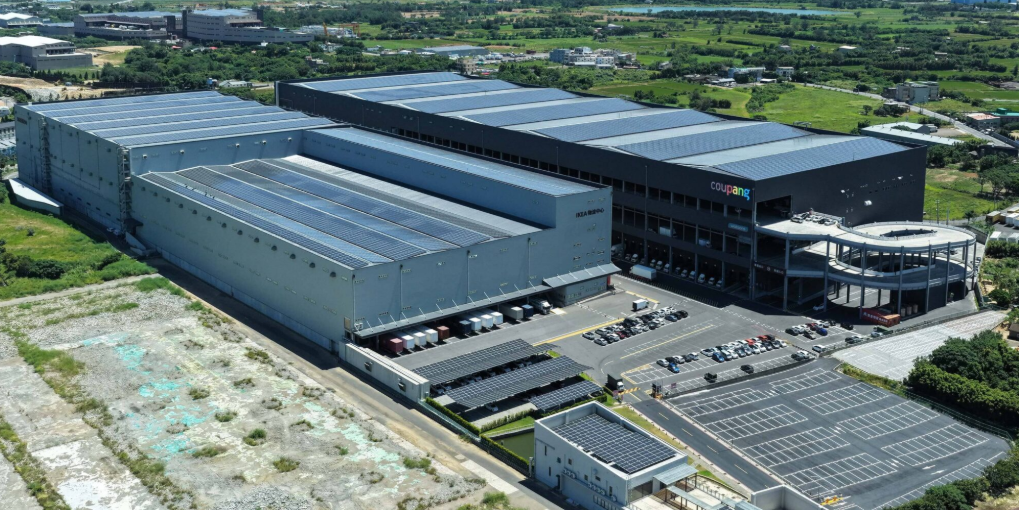
Coupang poured money into this structure. Industry estimates suggest they have invested approximately 10 trillion won to date, building 9 large-scale logistics centers and 227 small delivery outposts (camps) nationwide. By securing inventory in logistics centers in advance, they can maintain almost zero error in meeting order deadlines (11 PM–Midnight) and delivering by 7 AM the next day.
Naver’s structure is different. It’s a multi-stage network where sellers each choose their own logistics provider, and those providers then outsource to parcel delivery companies. Although they partnered with CJ Logistics in 2020 to create the ‘Naver Fulfillment Alliance (NFA),’ it was difficult to unify delivery times because each seller had different intake times and each logistics company had different processes. What was surprising here is that Naver wasn’t unaware of this. They knew, yet they maintained this structure for nearly 25 years since launching their shopping service in 2001.
Why did Naver’s first card, ‘Arrival Guarantee,’ fail to gain traction?
In 2022, Naver introduced ‘Arrival Guarantee’ to eliminate delivery uncertainty, but the response fell short of expectations. The problem was the structure, which relied entirely on external fulfillment centers without their own infrastructure. With outsourcing fees and third-party margins stacking up, the per-parcel cost rose to 4,000–5,000 won, and sellers began to leave one by one as they couldn’t withstand the loss in price competitiveness.
Naver has never disclosed exactly which stage adds the most margin, so from here on, it’s a bit of estimation. The cost likely ballooned due to a combination of logistics center rent, outsourcing fees, and final-mile delivery costs. For sellers, the reason didn’t matter; the result was the same. A vicious cycle where delivery cost burdens eroded margins, leading to departures, which reduced coverage, which in turn made the service less reliable.
Only after changing the name did the numbers begin to move
Naver eventually rebranded to ‘N-Delivery’ and tackled the unit price first. Once they lowered the cost from the 4,000–5,000 won range to the 3,000 won range (similar to standard parcel delivery), the numbers finally started to move. According to the Q2 earnings call in early August, CEO Choi Soo-yeon stated that as of June, the transaction volume for Smart Store N-Delivery increased by 76% year-on-year, accounting for over 20% of total transactions. The goal for the end of the year is 25%.
Direct contract volume with sellers has also increased more than fourfold compared to the previous year, with plans to raise this to over half by year-end. The logic is that as direct contracts increase, logistics operation standards become unified, making it easier to manage costs and delivery quality. On the membership side, after strengthening free shipping and return benefits, purchase frequency increased by 29%, and N-Delivery transactions now account for over 70% of membership users’ activity. Starting in October, they will also open membership-exclusive return centers and dawn delivery.
But why now, and why specifically dawn delivery?
They could have been satisfied with the stabilization of N-Delivery, but there seem to be three main calculations behind Naver’s push into direct logistics investment and dawn delivery.
First is lock-in. While consumers love Naver’s generous points and family-shared memberships, they buy urgent consumables or breakfast ingredients from Coupang. If they can combine the habit of using Naver for benefits and Coupang for urgent delivery into just one, dawn delivery service, the reason to toggle between two apps disappears.
Second is Coupang’s instability. From June to November 2025, there was an incident where a former developer continued to access Coupang’s systems using an unrevoked access key. This breach, revealed in December, leaked the information of over 33.7 million members, and the Personal Information Protection Commission imposed a fine of 624.68 billion won this past June. In its wake, Coupang reported an operating loss of 835 billion won in Q2 alone—the largest quarterly loss since its listing. There are also reports that active customers decreased by nearly 700,000.
Reading this, I felt a bit bitter. It’s not new that a competitor’s security incident is read as an ‘opportunity’ by another company, but seeing it confirmed in numbers felt strange. However, since there are signs that customers who left are returning to Coupang because they have nowhere else to go, we’ll have to wait and see how long this gap remains open. The Personal Information Protection Commission’s investigation isn’t fully concluded yet, either.
Third is data. Logistics automation know-how and customer-inventory matching data are considered key assets in e-commerce these days. In a structure that relies entirely on outsourcing, this data doesn’t accumulate within Naver. The decision is based on the judgment that they must bring logistics technology into the platform through direct investment to survive in the long term.
It’s easier said than done; the real mountain starts now
Last July, reports surfaced that Naver is reviewing plans to secure logistics hubs south and north of the Han River. They are considering both buying new sites to build or acquiring/long-term leasing existing logistics centers. Since this would be the first time they have their own logistics centers since launching in 2001, the description of it being a strategy revision after 25 years doesn’t seem like an exaggeration.
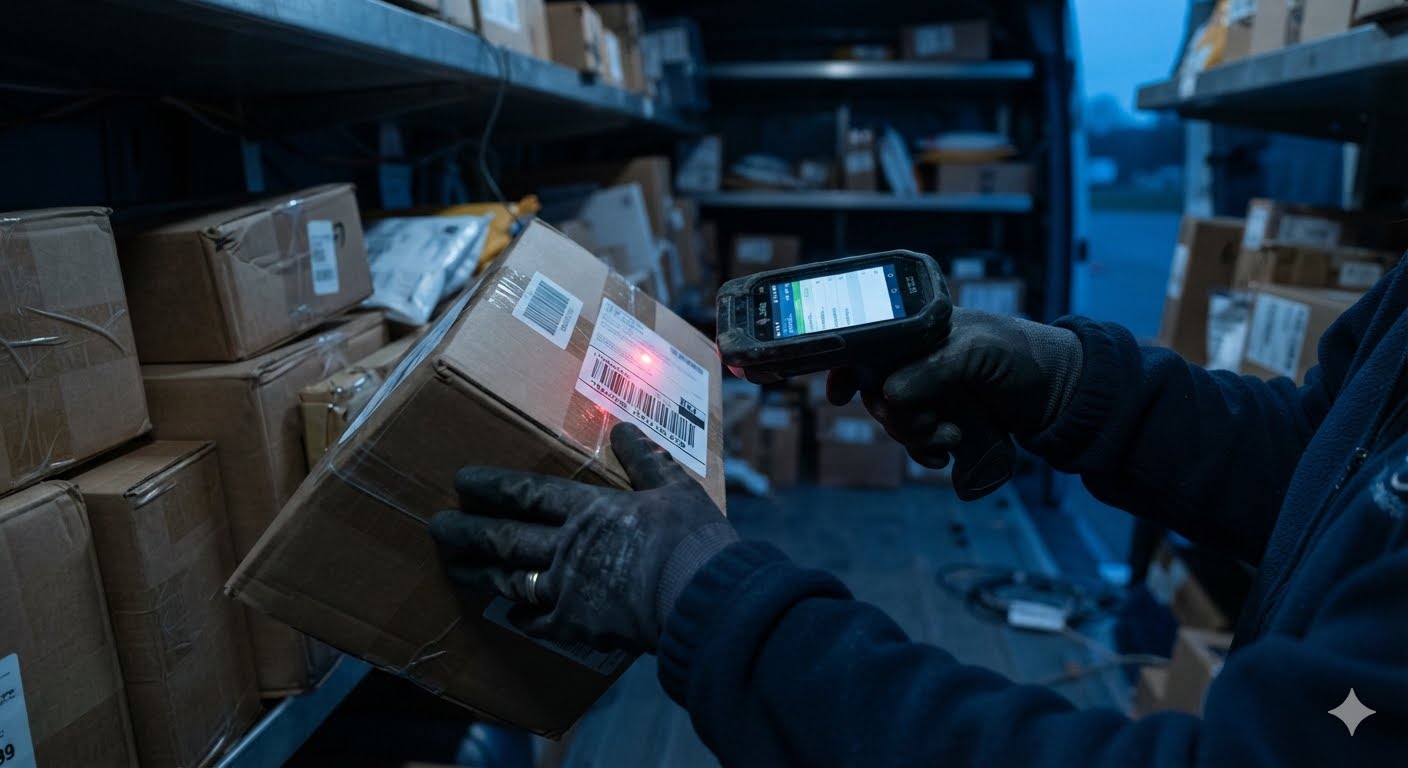
However, the company remains cautious. They state that nothing is confirmed and they are reviewing various options. Notably, the plan to directly hire delivery drivers is not on their list of considerations. It seems more likely they will move toward a hybrid model that continues to coordinate with logistics companies rather than a model that takes on both people and warehouses nationwide like Coupang. The fact that it is realistically almost impossible to secure large-scale sites within Seoul is one of the reasons why the weight is on acquisition/leasing rather than new construction.
It doesn’t end with just having hubs. Currently, N-Delivery has a much smaller number of items available for dawn delivery than Coupang. To make the lock-in truly effective, they need to drastically increase SKUs, not only for fresh food but also for store supplies that small business owners need urgently. Furthermore, since the speed consumers want has moved beyond next-morning delivery to quick commerce—receiving items within an hour of ordering—they will also need to prepare an instant delivery system based on urban micro-fulfillment centers (MFC) to avoid falling behind in the next round.
How many logistics centers Naver will actually secure and in what way is not yet decided. The company isn’t saying anything beyond ‘under review.’ However, the very fact that they have started tinkering with something they hadn’t touched for 25 years is likely a hint as to where this market is heading. As for what will be sitting at my door at dawn this time next year, I don’t know yet either.
References
- Internal Strategy Report, [Strategy Report] Comparison of Coupang vs. Naver Delivery Models and Dawn Delivery Promotion Strategy, 2026.08
- News Tomato, Commerce Leading Naver's Performance, Strengthening Membership Ecosystem in the Second Half, 2026.08
- Byline Network, What Naver Has Done Well, What It Wants to Do Well, and What It Wants to Excel At, 2026.08.07
- Ajou Economic Daily, [Conf Call] Naver to Introduce Membership-Exclusive Return Center in October… N-Delivery Growth Accelerates, 2026.08.07
- Bloter, Naver Activates Two-Track Growth Strategy for 'AI Services & Factory', 2026.08
- Money Today, [Conf Call] Naver 'Starting Return Center & Dawn Delivery in October… Membership Exclusive', 2026.08.07
- Electronic Times, Naver Applies AI to Search, Commerce, and Payment… Strengthening 'Full Funnel' Monetization, 2026.08
- MBC, Coupang Inc Reports 835 Billion Won Operating Loss Due to Data Breach Fine, 2026.08.05
- Seoul Shinmun, Coupang, 835 Billion Won Deficit in Q2… 'Reflecting Personal Data Breach Fine', 2026.08.05
- Alpha Biz, [On-site] Impact of 33.7 Million Personal Data Breach?… Coupang Loses 700,000 Customers, Biggest Deficit in 4 Years, 2026.05
- Security News, [2025 Security Incident & Issue Review-13] 33.7 Million Personal Data Breach Exposes Coupang's True Face, 2025.12.29
- i-Boss, Why is Naver Reviewing Logistics Centers After 25 Years?, 2026.07.15
- Korea Economic Daily, Naver Enters Independent Logistics Business… We Do Direct Delivery Too, 2026.07.06
- Newsis, Amidst Coupang-led Delivery War, Is Naver Also Building Logistics Centers?… 'Direct Delivery Not Confirmed', 2026.07.07
- Bloter, Naver Boosting Commerce… Speeding Up 'Coupang Chase' Through Direct Logistics Investment, 2026.07.08