
The Center of the Fastest Change in the World
Shall I tell you a story? There was a frog living in a very large pot. At first, the water temperature was just right. However, someone began to slowly heat the pot from below, so subtly that the frog did not notice. The frog swam around in the warming water, enjoying its comfort, but ultimately realized too late that it was being boiled.
The digitalization happening in China today is very similar to this story. While people enjoy the rapidly changing world in the warm water of convenience, a new order is growing behind the scenes that we could not have imagined. Today, we will share stories about this hot digital experiment taking place in the vast pot known as China.

The Invisible Conductor: Digitalization of Politics
The Eye that Records Everything: The Social Credit System
Let’s imagine a day in the life of Mr. Wang, who lives in China. He wakes up in the morning, checks the news on his smartphone, and passes through a facial recognition gate when taking the subway. He pays for lunch using a QR code and receives items ordered from an online shopping mall in the evening. What if every single action he takes is being recorded and stacked up on an invisible scoreboard called the ‘social credit score’?
The National Report Card: How the Social Credit System Works
This massive system, which the Chinese government began building in 2014 with the goal of creating a ’trustworthy society’, is akin to giving a ‘report card’ to every citizen and business. Government agencies, financial companies, and internet firms gather individual data to assign scores, rewarding or punishing based on those scores.
- Where does the data come from?: Data is collected from financial transaction records, traffic violations, public utility payment histories, court rulings, and even online shopping lists or social media activities. Just being caught jaywalking on CCTV can result in a score deduction.
- Rewards and Penalties: Exemplary behaviors such as repaying loans on time, volunteering, and donating blood earn additional points. Conversely, failing to repay borrowed money, violating traffic laws, causing disturbances in public places, or spreading information deemed ‘harmful’ by the government can lead to score deductions.
Two Faces: The ‘Red List’ and ‘Black List’
Scores assigned in this manner can divide a person’s life into extremes.
- The Angel’s Face: Privileges of the ‘Red List’: Those who score high and make it onto the ‘Red List’ receive VIP treatment throughout society. They can easily obtain loans at low interest rates from banks and enjoy priority in hospital services and public services. They may even be exempt from deposits when renting bicycles or have favorable conditions in finding a good partner.
- The Devil’s Face: Shackles of the ‘Black List’: Conversely, those who score low and end up on the ‘Black List’ face significant restrictions in daily life. They may be banned from purchasing high-speed train or airplane tickets, losing their freedom of movement, and finding good jobs or sending their children to good schools becomes difficult. In some regions, their identities may be publicly disclosed, branding them as ‘credit defaulters’.

This is China’s ‘social credit system’. Initially started to assess the reliability of financial transactions, it now evaluates traffic violations, public misconduct, and even online comments. A high score makes loan approvals easier and hospital appointments more convenient, allowing one to enjoy the benefits of being a ‘good citizen’. Conversely, a low score can block airplane ticket purchases or hinder a child’s admission to a good school, leading to social disadvantages.
The government claims this system helps enhance trust in society and maintain order. Indeed, there have been positive effects such as a reduction in tax evasion and a decrease in credit defaults. However, the fact that all of one’s actions are being evaluated without their knowledge, and that these evaluations can bind their life, evokes the image of a ‘digital Big Brother’ for many. This is why there are chilling critiques suggesting that George Orwell’s novel 1984 has become a reality.
A Smart Government, But…
Digitalization in China has deeply permeated government administrative services. Now, instead of visiting government offices with complex paperwork, Chinese citizens can handle most of their administrative needs with a single smartphone app. The ‘digital government’ maximizes administrative efficiency and plays a significant role in reducing bureaucratic corruption.
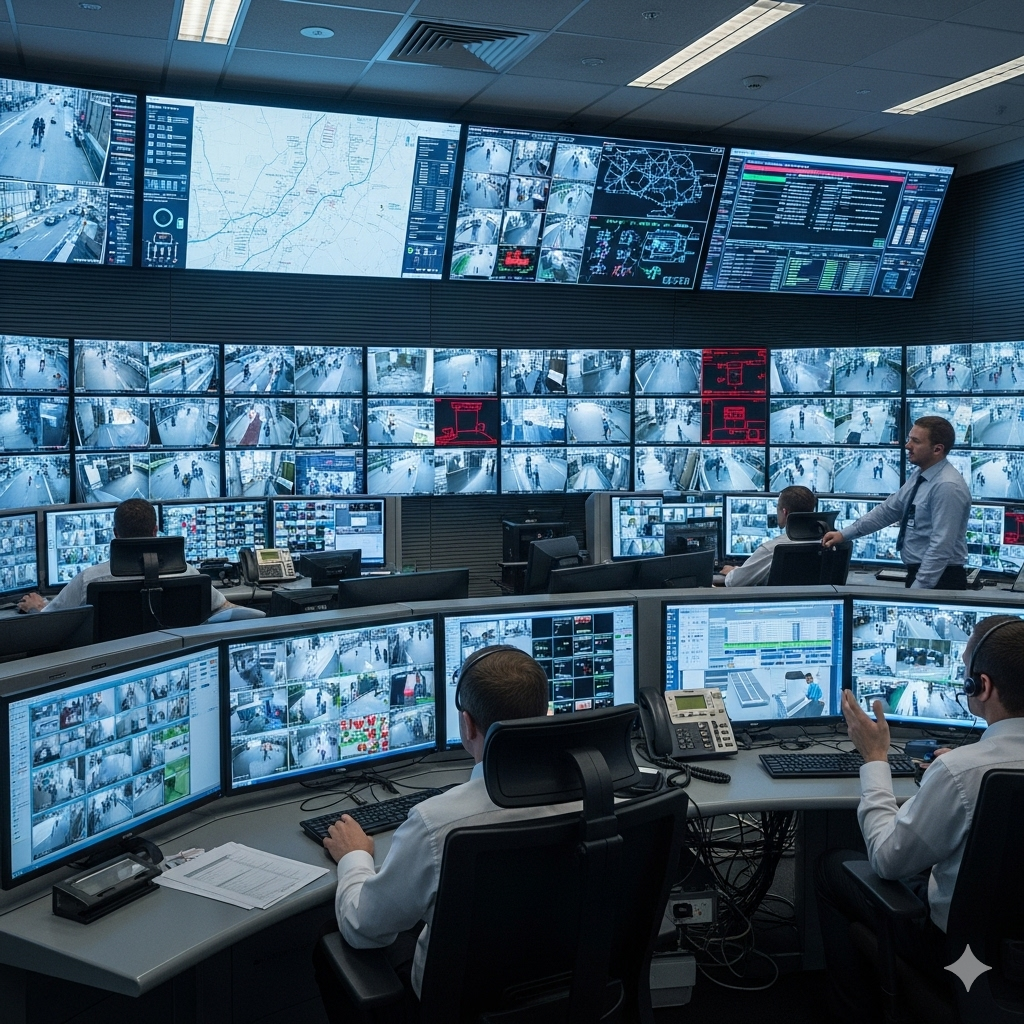
However, behind this smart government lies a vast surveillance network known as ‘Tianwang’ (Sky Net) and ‘Xueliang’ (Snow Bright Project). Hundreds of millions of CCTV cameras equipped with facial recognition technology monitor every corner of cities and rural areas in real-time, identifying criminals and promoting social stability. While there are positive aspects of crime prevention, the fact that the state has a powerful control mechanism to observe every move of its citizens raises many questions from the perspective of a democratic society.
Changing the Landscape of Life: Digitalization of Society
A Cashless Society: Just One Smartphone is Enough!
Have you ever traveled to China? You may have easily seen someone using a smartphone QR code instead of cash to buy a skewer from a street vendor. China has already become the world’s largest mobile payment market. Alipay and WeChat Pay have established themselves as ’lifestyle platforms’ that go beyond simple payment methods, enabling bill payments, hospital reservations, and investments.
These changes have made life remarkably convenient for people. There’s no longer a need to carry a heavy wallet, and all financial transaction records are managed transparently. However, not everyone enjoys this convenience. The elderly, who may not be familiar with smartphone usage, and the impoverished, who have difficulty accessing digital devices, face the issue of ‘digital divide’ and are being marginalized in this massive trend.

Experimenting with Future Cities: Smart Cities
The Chinese government is making massive investments to build ‘smart cities’ by mobilizing artificial intelligence, 5G, and Internet of Things (IoT) technologies. In smart cities, AI analyzes traffic flow in real-time to control traffic lights, drones deliver goods, and remote medical systems monitor patients’ health. Major cities like Shanghai, Beijing, and Shenzhen are gradually adopting these futuristic urban features.
However, the advanced infrastructure of smart cities also means a tighter surveillance network. As all city data is concentrated and analyzed in central servers, the risk of infringing on individual privacy increases. There is a precarious balancing act between the ideal of a convenient and safe city and the reality of a fully controlled society.

The Awakening of the Dragon: Digitalization of the Economy
The Giant that Swallows the World: E-commerce and the Digital Economy
Have you heard of ‘Singles’ Day’ (光棍节)? Originally ‘Single’s Day’ on November 11, it has now become the world’s largest online shopping festival led by Alibaba. The transaction volume generated in just one day is beyond imagination and symbolically showcases the explosive growth of China’s digital economy.
As of 2023, the scale of China’s digital economy has reached approximately 54 trillion yuan (about 10 trillion USD), accounting for over 40% of its GDP. This signifies that the activation of online shopping is not just a trend, but that the digitalization of traditional agriculture, manufacturing, and services is rapidly progressing. Through big data analysis, crop yields are predicted, and robots in factories are connected to smartphones to enhance production efficiency, transforming the entire industry.
A New Currency Challenging the Dollar: Digital Yuan
One of the areas China is focusing on is the introduction of the ‘Digital Yuan (e-CNY)’. The digital yuan is a legal digital currency directly issued by the People’s Bank of China. While existing platforms like Alipay and WeChat Pay facilitate ‘payments’ through private companies, the digital yuan represents ‘money’ itself, holding the same value as cash.
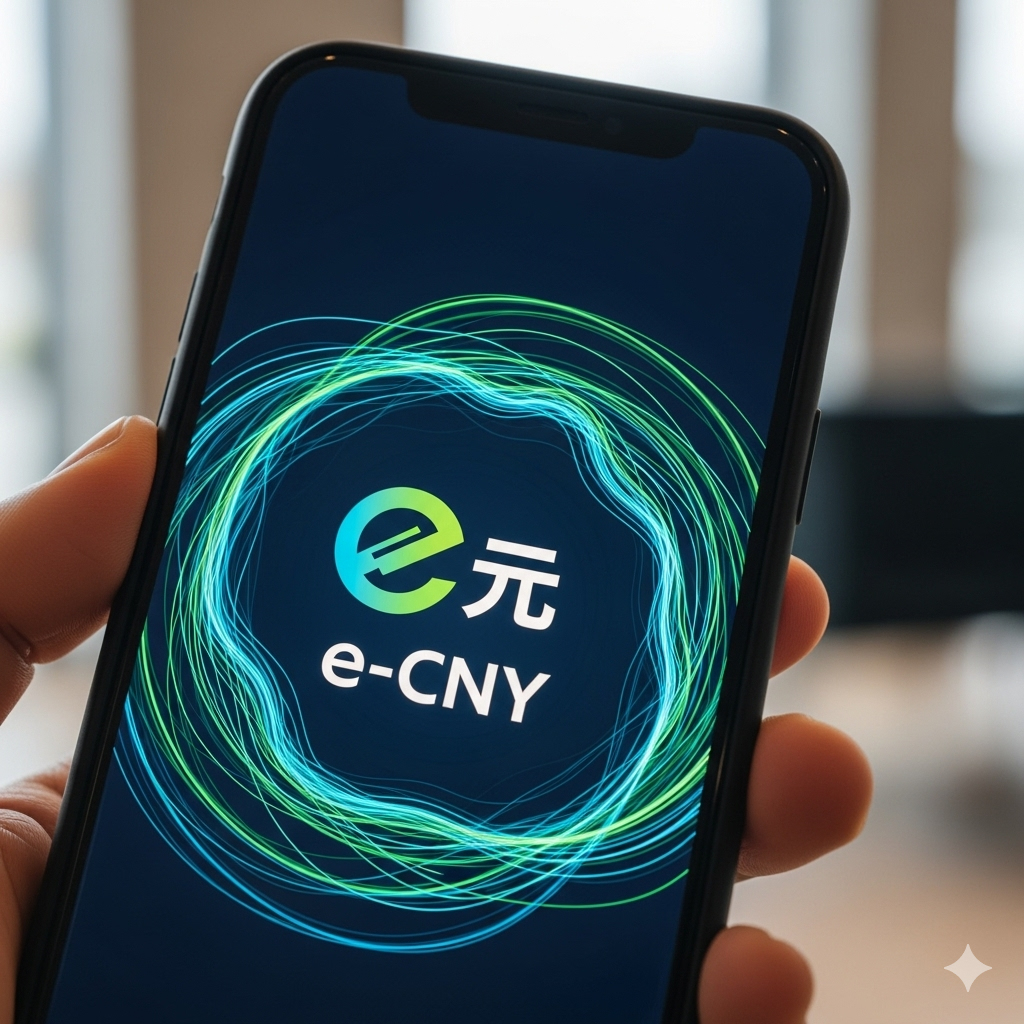
The government explains that the digital yuan will enhance transaction transparency and help prevent financial crimes like money laundering. Additionally, it serves as a key tool in the ‘de-dollarization’ strategy aimed at expanding the yuan’s influence in the international financial market dominated by the dollar.
However, the fact that all transaction records remain with the central bank means that an individual’s economic activities can be perfectly monitored by the state. This raises concerns that when combined with the previously mentioned social credit system, control over individuals could become much stronger.
The Awakened AI Dragon: Big Data and the Rise of AI
The most powerful and frightening entity created by China’s digital grand experiment is artificial intelligence (AI). Just as a sleeping dragon awakens and breathes fire, China’s AI technology is growing rapidly and astonishing the world.
Endless Fuel: Big Data and the Will of the State
Just as a great chef needs fresh and abundant ingredients to create the best dishes, vast amounts of data are essential to develop excellent AI. At this point, China holds an overwhelming advantage that no other country can match.
- A Sea of Data Generated by 1.4 Billion People: Over 1.4 billion people generate unimaginable amounts of data daily as they make payments, search, and watch videos on their smartphones. This data becomes an infinite ‘fuel’ for training Chinese AI.
- State-led Data Highway: While Western countries impose strict rules on data collection and usage for privacy protection (like GDPR), the Chinese government has prioritized AI development as a national agenda and actively encouraged data utilization. This has paved the way for companies to freely use data to develop AI technologies. Of course, this comes at the cost of weakening individual privacy, but the speed of AI technological advancement has reached astonishing levels.
As a result, China has secured world-class technology in areas such as facial recognition and voice recognition, establishing itself as a powerhouse of AI with numerous AI unicorn companies (startups valued at over 1 trillion won).

New Rules of Future Warfare: ‘Intelligent Warfare’
The real reason China is heavily investing in AI development is not just for economic gain. Beyond that lies a grand ambition to seize hegemony in future warfare. The name of the future war envisioned by the Chinese military is ‘Intelligent Warfare (智能化战争)’.
This signifies a new paradigm where AI determines the outcome of wars, surpassing the mechanized and information age.
- The Emergence of AI Commanders: While human commanders analyze vast amounts of information and make decisions, AI commanders can analyze all battlefield data in real-time, suggesting optimal attack routes and strategies in an instant. They gain a ‘decision-making advantage’ that surpasses human judgment speed.
- Drone Swarms Attacking Like Bees: Thousands or tens of thousands of drones controlled by AI swarm together in the air, sea, and land to neutralize enemy defense systems, making ‘drone swarm’ attacks a reality.
- Invisible Battlefields: AI also plays a crucial role in cyberspace and electronic warfare. It can paralyze enemy communication networks and spread false information, becoming an invisible sword that leads to victory in wars without gunfire.
China aims to surpass the United States in this ‘intelligent warfare’ by mobilizing its strengths in data and state-led development capabilities. This could signify the beginning of a massive change that goes beyond a mere arms race, fundamentally altering the concept of warfare itself.

Light and Shadow: The Two Sides of a Coin
Now, we have explored China’s vast digital laboratory together. Let’s wrap up by comparing the light and shadow brought about by this experiment at a glance.
| Advantages (Light) | Disadvantages (Shadow) |
|---|---|
| Remarkable Economic Growth: The digital economy and AI industry have become new growth engines for China, creating immense wealth. | The End of Privacy: The state-led surveillance system seriously threatens individual freedom and privacy. |
| Increased Convenience in Life: Mobile payments and digital government have revolutionized daily life, making it remarkably convenient. | Enhanced Social Control: The social credit system can become a powerful tool for evaluating and controlling citizens based on scores. |
| Improved Social Efficiency: Smart cities and digital administration contribute to solving urban issues like traffic, safety, and welfare. | Deepening Digital Divide: Those unfamiliar with new technologies risk being marginalized from society. |
| Acceleration of Technological Advancement: Vast data and government support have led to remarkable advancements in cutting-edge technologies like AI. | Data Monopoly and Bias: The data monopoly by large platform companies and the government could lead to another form of inequality. |
| Increased Transparency: With all transactions recorded digitally, there are effects of preventing corruption and financial crimes. | Heightened Military Tensions: Preparing for ‘intelligent warfare’ using AI technology could provoke a new arms race and conflicts in the international community. |

China’s digitalization is an unprecedented social experiment in human history. Whether the outcome will be a convenient and efficient utopia or a fully controlled dystopia is something no one can definitively conclude yet. What is clear is that the water in the pot is getting hotter, and the waves of change will not be confined to China alone. This is why we must continue to observe this grand experiment.