
Should you use the same oil for deep-frying pork cutlets as you do for drizzling over buckwheat noodles?
Choose your cooking oil based on the cooking temperature. For frying and stir-frying, which reach temperatures around 170°C, use refined oils like canola or sunflower oil. For dressings and salads, use extra virgin olive oil, perilla oil, or sesame oil.
Cooking Oil Selection Table at a Glance
First, here is the summary table. Please note that smoke points for the same type of oil can vary by dozens of degrees depending on the level of refinement and freshness, so the values below are common approximations.
| Oil | Smoke Point (Approx.) | Suitable Cooking | Storage |
|---|---|---|---|
| Avocado Oil (Refined) | ~270°C | High & Low Heat | Room temp, dark place |
| Sunflower Oil (Refined) | ~230–250°C | Frying, Stir-frying | Room temp, dark place |
| Canola Oil | ~230°C | Frying, Pan-frying, Dressing (High in Omega-3) | Room temp, dark place |
| Soybean Oil (Refined) | ~230°C | Frying, Stir-frying | Room temp, dark place |
| Grapeseed Oil | ~210–220°C | Stir-frying, Pan-frying | Room temp, dark place |
| Extra Virgin Olive Oil | ~160–190°C | Salad, Dressing, Light stir-frying | Room temp, dark place |
| Perilla Oil | Below ~170°C | Dressing, Finishing (Very high in Omega-3) | Refrigerate |
| Sesame Oil | ~160°C | Dressing, Finishing | Room temp, dark place |
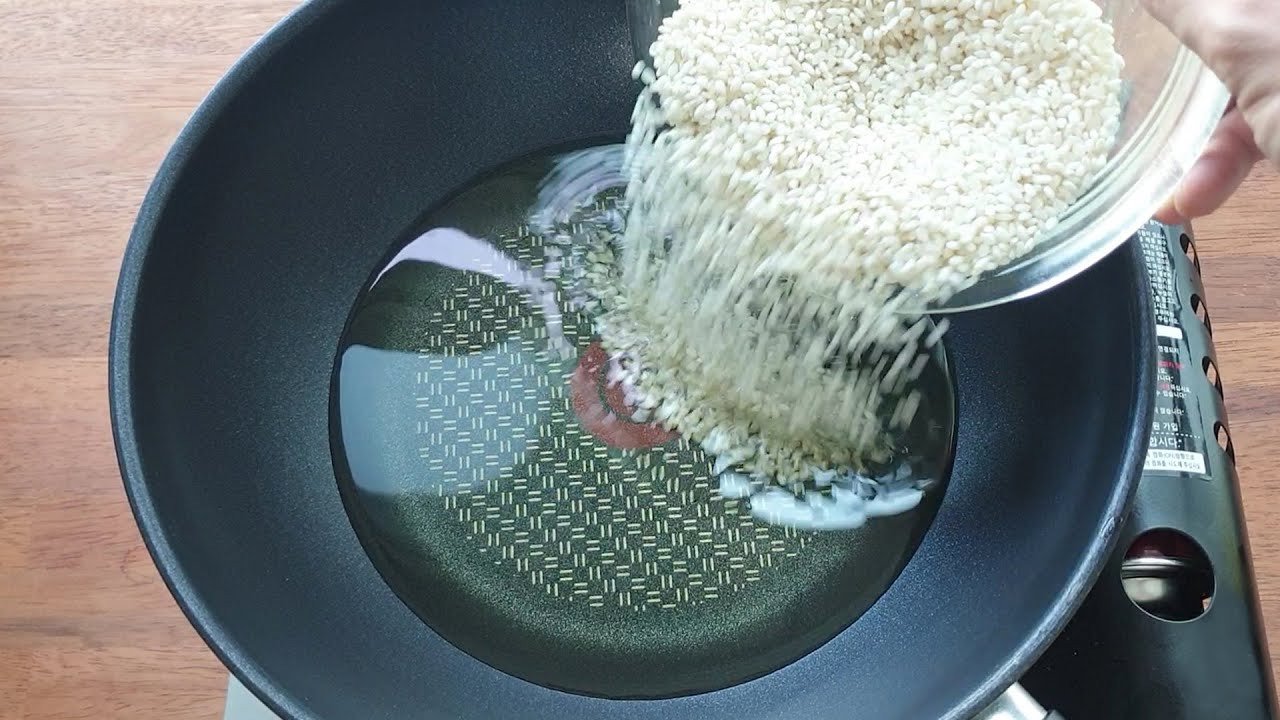
Smoke Point: The Temperature Limit of Oil
The smoke point is the temperature at which oil begins to emit smoke when heated. If you exceed this point, the oil quickly oxidizes and breaks down, which can produce polycyclic aromatic hydrocarbons like aldehydes or benzopyrene. The flavor becomes bitter, and the nutritional value is compromised.** If you see smoke rising from the pan, lower the heat and start ventilating immediately.**
Ultimately, choosing an oil boils down to the question: “How hot does this dish get?”
Frying & Stir-frying: Refined Oils with High Smoke Points
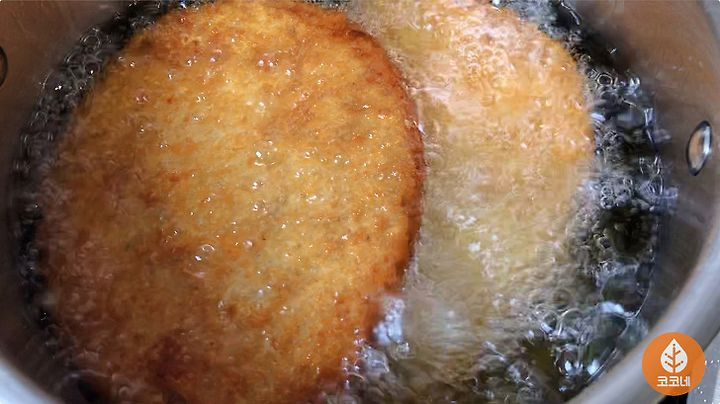
Since frying involves prolonged heating with fluctuating oil temperatures, you need an oil with a safety margin for the smoke point.
Pork cutlets are typically fried at 160–170°C; canola or soybean oil can easily withstand this temperature, ensuring the meat is cooked through while the breading turns golden and crispy.
- Avocado Oil: Refined versions have one of the highest smoke points among common cooking oils. Unrefined versions are much lower, so check the label.
- Sunflower Oil: Its mild flavor makes it versatile for any dish.
- Canola Oil: Its clean taste makes it widely used for frying and pan-frying.
- Soybean/Grapeseed Oil: These are the most common oils for high-heat cooking. Grapeseed oil has a relatively lower smoke point, making it better for stir-frying or pan-frying than for long-duration deep-frying.
Soy, corn, and rapeseed (canola) are common genetically modified (GMO) crops. If you are concerned, look for the ‘Non-GMO’ label when purchasing.
Dressings & Salads: Oils for Flavor
Some oils are best used without heat. Extra virgin olive oil retains its grassy notes, making it perfect for salads and dressings, while perilla and sesame oils are essential for finishing Korean dishes.
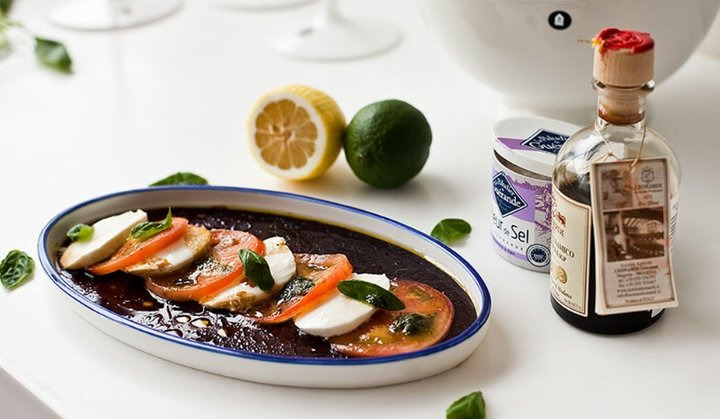
For Caprese salad topped with tomatoes, fresh mozzarella, and basil, a final drizzle of extra virgin olive oil rounds out the flavors. Since it isn’t heated, there’s no need to worry about the smoke point.
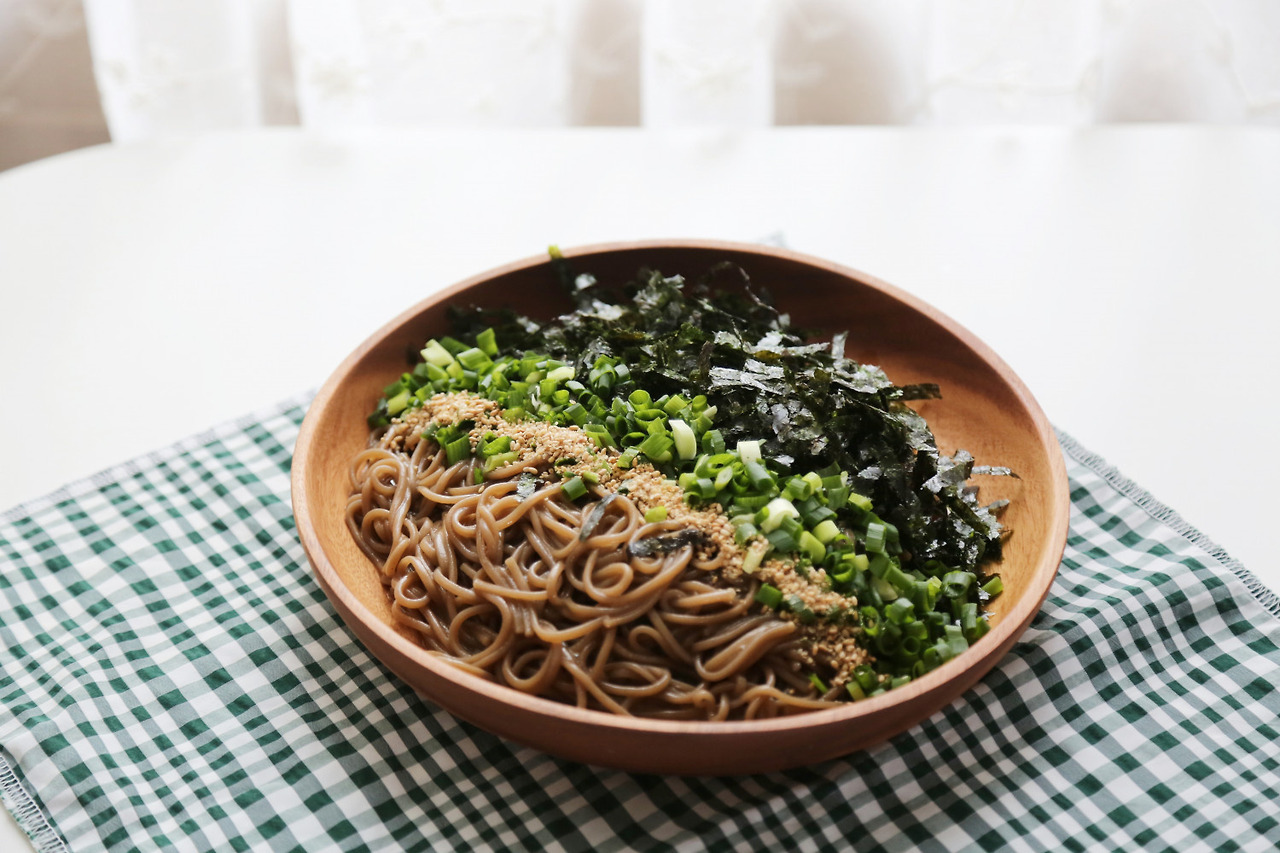
In perilla oil buckwheat noodles, the aroma of the oil poured over the noodles is half the flavor. Perilla oil contains about 60% Omega-3 (alpha-linolenic acid), the highest among plant-based oils. However, it oxidizes quickly, so it is better to drizzle it on after turning off the heat rather than using it for stir-frying.
Omega-6 and Omega-3: The Ratio Matters
Omega-3 helps suppress inflammation, while an excess of Omega-6 can potentially promote it.
Both are necessary, but the ratio is key. Recommended ratios vary by organization. The FAO/WHO expert report (1994) suggested an Omega-6 to Omega-3 ratio of 5:1 to 10:1, while some researchers recommend 4:1 or lower. While some analyses suggest Western diets reach 15:1 to 20:1 (Simopoulos, 2002), the relationship between this imbalance and chronic inflammation is still under study.
A realistic approach is to slightly reduce the use of corn and soybean oil and increase the intake of perilla oil, canola oil, and oily fish. It is also important not to over-rely on oil as a health supplement. Just like the discussion on the benefits of Cheonggukjang, one must distinguish between what is scientifically confirmed and what is not.
Storage: Avoid Light, Heat, and Air
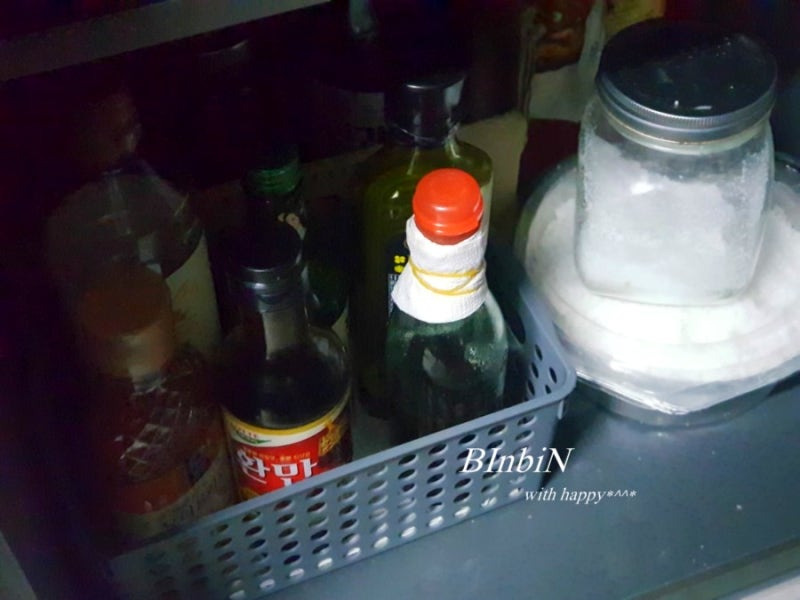
Even high-quality oil can spoil quickly if stored improperly. Remember the three enemies: light, heat, and air.
- Avoid the area next to the stove: A cool, dark cupboard is better.
- Close the lid tightly: Exposure to air is the primary cause of oxidation.
- Refrigerate perilla oil: Because of its high Omega-3 content, it oxidizes rapidly; keep it refrigerated and use it quickly.
- Reuse frying oil only once or twice: You can reuse it if you strain out the debris, but the smoke point decreases with each use.
Checklist Before Choosing
- Is it for frying/stir-frying or salads/dressings?
- For high-heat cooking, is the smoke point above 220°C?
- Do you want a neutral oil to let the ingredients shine (canola, grapeseed) or an aromatic one to add flavor (olive, perilla)?
- Are you incorporating oils high in Omega-3 into your diet?
- Does the oil require refrigeration, like perilla oil?
As processed and convenience foods become more common, it has become harder to track how much and what kind of oil we consume. You can continue reading about this trend in Modern Food Culture Trends.
Notice: This article provides general health information and does not replace individual diagnosis or medical treatment. If you have symptoms or are taking medication, please consult your doctor or pharmacist.
References
- Kendall Reagan Nutrition Center (Colorado State University), Cooking with Fats and Oils: Can they withstand the heat?
- Simopoulos AP, The importance of the ratio of omega-6/omega-3 essential fatty acids, Biomedicine & Pharmacotherapy (2002)
- Experts' recommendations on fats and oils in human nutrition
- Seoul National University Center for Health Knowledge, [Secret Recipe] Various types and uses of cooking oil... What is the correct way to use them for cooking?
- Samsung Medical Center, The Truth About Omega-3 and Omega-6
- Health Chosun, If you're burdened by taking Omega-3 supplements, try these oils
- Semie Kitchen, How to use cooking oil based on smoke point
- Onnuri Store, Types and characteristics of cooking oil