
On the most honest teacher in the world, ‘Experience’, between knowledge understood in the mind and realizations gained through physical encounters.
- Understand the fundamental difference between knowledge and hands-on experience.
- Learn how pain, failure, and loss serve as the foundation for growth.
- Discover the wisdom of life in the trivial experiences of daily life.
Have you ever felt the urge to say, “You haven’t experienced it, so you wouldn’t understand” when someone comforts you by saying, “That must have been really tough”? Even knowing it’s a well-meaning comfort, the moment you feel the gap between that statement and the reality you’ve gone through, you encounter the most honest teacher, ‘Experience’. As the saying goes, “Nothing is as convincing as direct experience”, there exists a profound chasm that can never be bridged between knowledge understood in the mind and realizations gained through the body.
Novelist Kim Hong-shin encapsulated this truth in a short poem:
You understand when you’ve been hungry, that rice is heaven.
You understand when you’ve been exhausted from thirst, that water is life.
You understand when you’ve been in pain, that health is an immense fortune.
This article is an attempt to travel through the classrooms named ’experience’. From the clumsy learning of falling and breaking, to the moments when my biases are shattered through others’ lives, and the paradox where unwanted pain gifts wisdom in life. Why do we only truly understand after experiencing such pain?
The Limits of Knowledge: Learning Through Experience When Mind and Body Are Disconnected
The first subject we learn in the school of ’experience’ is likely ‘intellectual humility’. Through absurd moments where theoretical knowledge and physical actions are disconnected, we come to realize that the rational ‘me’ is not the sole owner of my body.
Bicycles: A Rite of Passage for Everyone
In childhood, learning to ride a two-wheeled bicycle, the advice from adults, “Just turn the handlebars towards the direction you’re falling!” is perfect theory. However, to the child on the bicycle, that advice is unheard. All their nerves are focused on ‘balancing’, and all they hear is the loud beating of their heart.
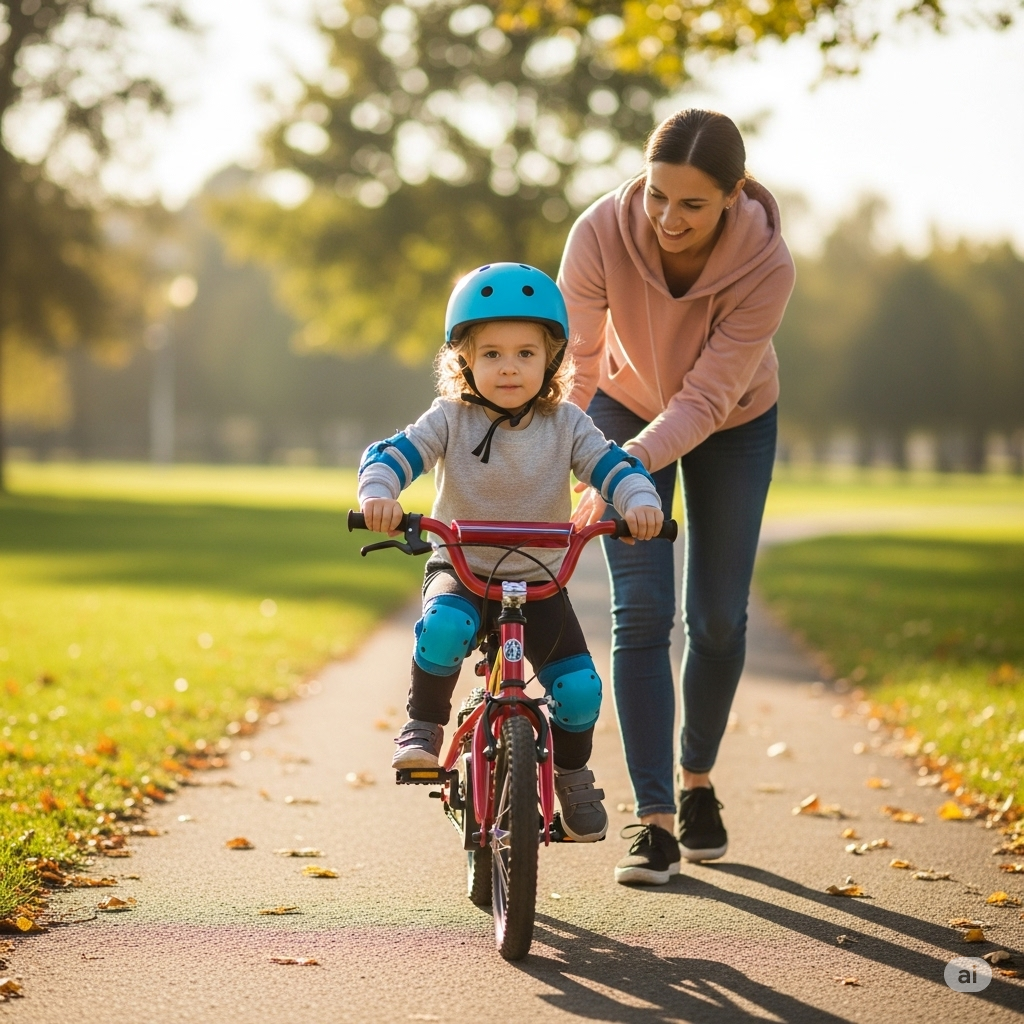
The real battle is the inner fear of ‘What if I fall?’ and the fear of others’ gazes. After falling dozens of times and enduring the pain of scraped knees, a miracle happens when, at some point, I unknowingly start pedaling forward. That ‘Aha!’ realization is not the result of understanding in the mind. It is sensory wisdom acquired through the body, learned through countless failures.
The Silent Instrument: The Frustration of Learning Music
After hearing a wonderful performance and deciding to buy an instrument, reality is harsh. Even after learning to read sheet music and memorizing finger positions, beautiful sounds do not emerge. The difficulty of self-study lies in the challenge of identifying one’s own problems. I have no way of knowing if my bow angle is off or if my fingers are applying the wrong pressure on the chords.
Eventually, I realize that brilliant performances are built on the endless repetition of tedious basic practice. My mind desires fast pieces, but my body demands rigorous training. Enduring this gap is the first step in building the muscle of patience.
Fear of Water: Overcoming Instinctive Fears Through Experience
For someone with a trauma related to water, the advice “Relax your body and you will float” is useless. Fear cannot be controlled by reason. Professional instructors prescribe gradual experiences instead of words. They teach breathing techniques in shallow water and help the body feel that it floats when air fills the lungs.
The moment I realize that I won’t sink in deep water, I gain the assurance that “I won’t die,” and fear transforms into freedom. This change is not a logical conclusion, but rather the result of an emotional victory gained from confronting and overcoming fear.
Breaking Prejudices: Experiencing the World Through Others’ Perspectives
If acquiring physical skills teaches humility about ‘myself’, learning about others and the world breaks down my ignorance and prejudices. The moment I step into their shoes and take a step forward, our mental map is completely redrawn. If learning to ride a bicycle is a process of fighting the inner fears of ‘myself’, the experiences I will discuss from now on are training to form a connection with the external world of ‘others’.
Culture Shock: When Travel Redraws Your Map
Before traveling, we often hold vague prejudices about our destinations, such as ‘Southeast Asia will be dangerous’ or ‘French people will be unfriendly’. However, the moment we set foot on that land and enter their daily lives, these shallow prejudices shatter.

In the chaos of the streets of Vietnam, I discover an invisible order among the throngs of motorcycles, and through greetings at paid public restrooms in France, I come to understand their cultural logic. These experiences open a window to understand the world more broadly and deeply, breaking free from the arrogance that ‘my culture’ is the world’s standard.
Service Jobs: Forced Empathy Training
Before experiencing the struggles hidden behind the phrase “The customer is king”, it is hard to imagine. The reality of receiving hundreds of calls a day and managing all kinds of emotions requires immense ’emotional labor’.

Only those who have gritted their teeth and uttered the words “Thank you, customer” understand that weight. This experience teaches us how painful the effort of ‘putting oneself in another’s shoes’ can be. And those who have gone through this training will never treat service workers carelessly again.
First Love: Learning About Love Through Loss
Our first love is not as romantic as in the movies. It is often clumsy, anxious, and painful. Women learn that “the one who loves more loses in a relationship”, while men realize that “being too good can backfire”. Such wisdom is gained only after paying the expensive tuition of the pain of breakup.
First love teaches us more about ourselves than about others. It confronts us with our own obsessions, jealousy, and selfishness, and helps us realize what we truly want in a relationship. Because it ends in failure, it becomes a clearer first textbook of love in my life.
Paradoxical Growth: Valuable Experiences from Pain and Loss
Some lessons in life are not ones we choose to learn. Through the pain, loss, and responsibilities that come unexpectedly, we gain the deepest and most essential wisdom. Trials refine and grow our souls.
Health: Realizing What We Only See After Losing
“You understand when you’ve been in pain, that health is an immense fortune.” We often forget how miraculous the acts of breathing and walking are. We learn the happiness of breathing only after experiencing a stuffy nose, and we realize how great a blessing a day without pain is only after suffering.
Helen Keller asks in her book, “If you could see the world for just three days, would you be using your eyes properly?” It’s a reminder that because we can always see, we often fail to notice what is truly precious. The experience of losing something shakes our value system and makes us grateful for the very fact that we are alive at this moment.
Parenting: Losing Myself to Find a Greater Self
Becoming a parent is not just an act of unilaterally ‘giving’ love. It is the most rigorous and wondrous growth program in the world, where you grow yourself while raising a child. The first lesson learned is that ‘I am no longer the main character of my life’.
In this process, I confront my own selfishness and impatience while realizing that I am capable of loving someone unconditionally and enduring endlessly. Parenting is a process of losing myself while paradoxically finding a self that is infinitely larger and deeper than before.
Marathon: Life Lessons from 42.195km
Challenging a full marathon is akin to experiencing a compressed journey of life in its entirety. The immense pain of the ‘wall’ that comes at the 30km mark can only be understood by those who have run it.
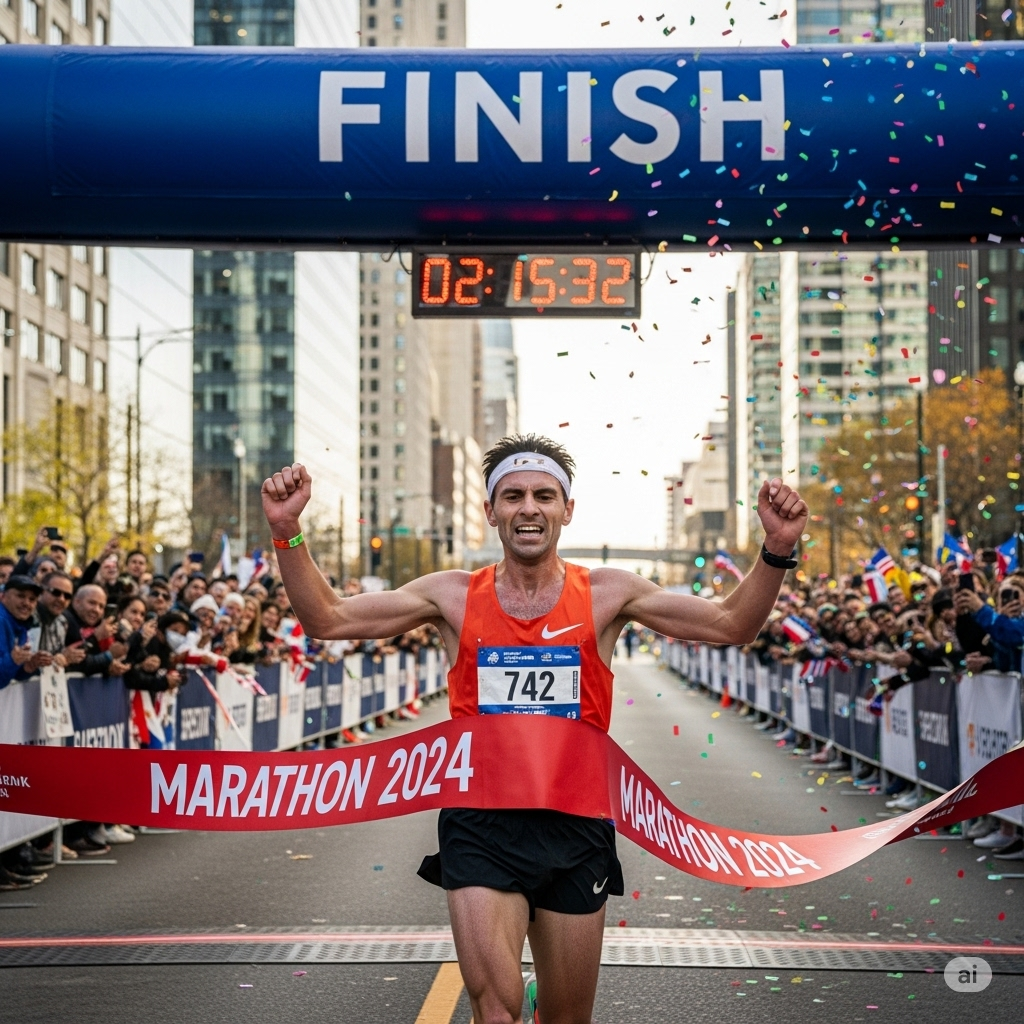
Marathons teach us important life wisdom such as pace management, the struggle against the temptation to give up, and the realization that the goal is not to be first but to ‘finish’. This painful experience engraves humility and perseverance into our bodies.
Small Realizations: Learning the Difference Between Expectations and Reality
Not every experience needs to be grand. Sometimes, small disappointments that pleasantly betray our expectations provide the fun and wisdom of life.
The Betrayal of Online Shopping
The dress that looked chic on the model feels like a potato sack when I wear it, and the ‘cute oversized fit’ turns out to be just ’loose fit’. The absurdity when the mint-colored hat on screen appears to be ‘greenish brown’.
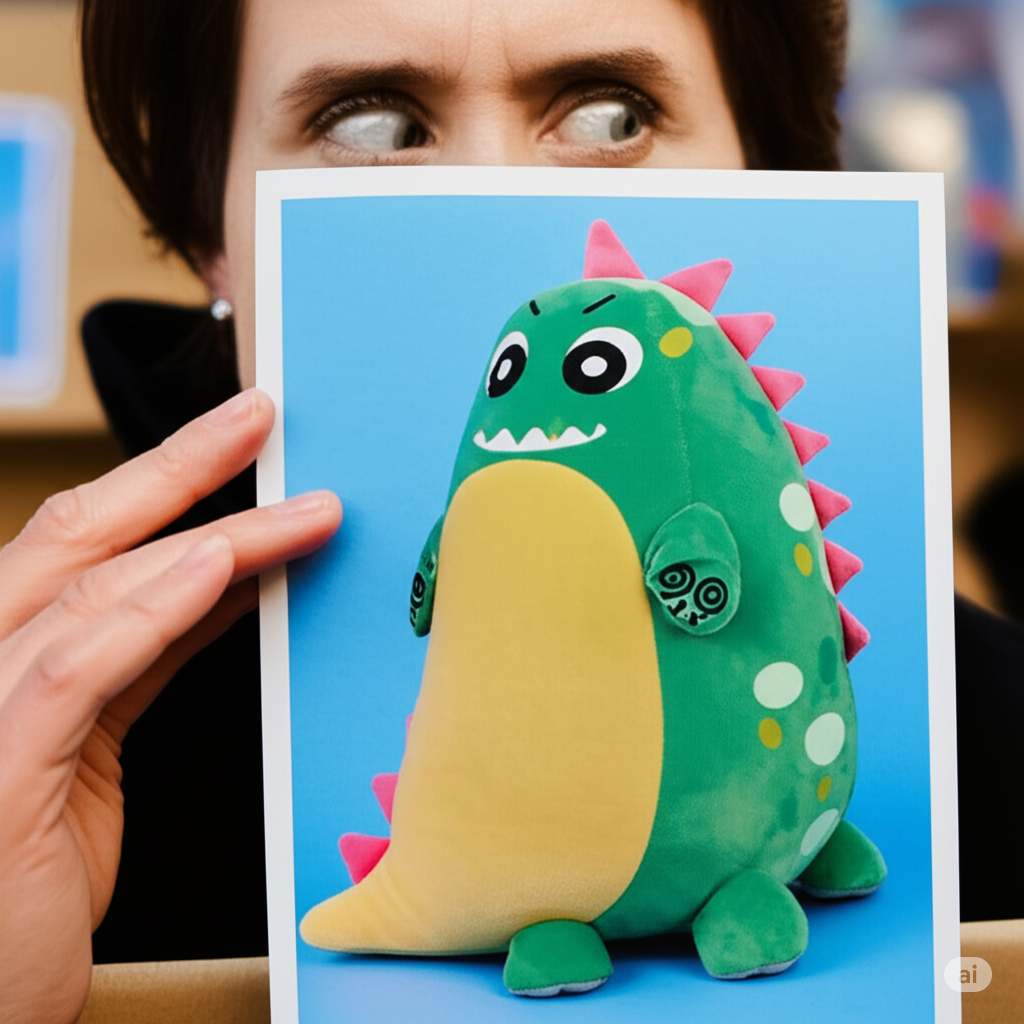
Through these experiences, we learn the wisdom of shopping: “Don’t trust the colors on the monitor” and “Check the detailed measurements”, training ourselves to understand the reality beyond curated images.
The Scam of Movie Trailers
Deceived by a flashy two-minute trailer, I expect a ’life-changing movie’, only to realize that the most exciting part of the film was in the trailer itself. This experience teaches us a healthy skepticism that distinguishes marketing from reality.
Knowledge vs Experience: Things That Cannot Be Learned from Books
The countless experiences we go through in life grow us like a university curriculum.
| Lessons That Cannot Be Learned from Books | Experiences That Teach Them |
|---|---|
| Intellectual Humility | Learning to ride a bicycle, play an instrument, swim |
| True Empathy | Working in service jobs, cross-cultural travel |
| The Pain of Growth | First love and breakup |
| The Value of Daily Life | Experiencing pain, imagining loss |
| Devoted Love and Patience | Raising children |
| Pace Management and Perseverance | Completing a marathon |
| The Difference Between Expectations and Reality | Online shopping, movie trailers |
Conclusion
From riding a bicycle to completing a marathon, we have traversed countless experiences in the journey of life. All these experiences are a textbook that only ‘I’ can write.
-
Key Summary
- True learning comes from experience, not theory.
- Confronting others, pain, and failure breaks down prejudices and helps us grow deeper.
- Every experience in life is a process of writing the textbook of ‘me’, realizing that I am the subject of my life.
Perhaps all these experiences we go through are life’s way of gently nudging us to realize, before the last moment comes, that I was the sole owner of my life. What chapters are in your textbook? What unique ’experiences’ have given you realizations that you could never learn from books?
Please share your story in the comments below. Our journeys may differ, but when we share the lessons learned along the way, we will feel a little less lonely.
References
- You Understand When You Experience It, Kim Hong-shin Brunch
- You Understand When You Experience It - Novelist Kim Hong-shin Daum Cafe
- Kim Hong-shin Quotes: You Understand When You Experience It YouTube
- How to Ride a Bicycle Without Ever Falling YouTube
- A Complete Guide to Learning to Ride a Bicycle for Adults Brunch
- Reasons You Shouldn’t Self-Study the Violin (String Instrument) YouTube
- Overcoming Fear of Water with Free Diving - Review of Night Class Brunch
- Tips for Overcoming Fear of Water from a Former Olympic Swimming National Team Member Soomgo
- [Dr. Seok Tae-moon’s VINA Prism] (3) The Cultural Code of Motorcycles Needs Evolution Inside Vina
- “Call Center/Customer Center Work Experience” Three Years of Call Center (Customer Center) Work Experience Tistory
- If a Man Has His ‘First Love’, a Woman Has Her ‘Devoted Man’ Chosun Biz
- Helen Keller Namu Wiki
- A Nurse Mom’s Diary of Raising Three Kids YouPaper
- Marathon Brunch
- Reasons Your Shopping Fails OhMyNews