
The Struggle Between Health and Convenience in Modern Eating
Introduction: The Dilemma of Modern Dining – The Dinner Table at a Crossroads
At 7 PM, after a tiring day at work, fresh vegetables in your fridge catch your eye. You know you should cook something healthy, but those vegetables feel like a silent pressure. At the same time, your smartphone tempts you with the promise of a warm and satisfying meal delivered within 30 minutes. This daily trivial battle encapsulates the great paradox of modern eating.
We live in an era of abundant food and nutritional knowledge like never before, yet paradoxically, our relationship with food is filled with anxiety, confusion, and guilt. We find ourselves in a bizarre situation where ‘overeating and nutrient deficiency’ coexist. This is not merely a matter of individual will; it is a systemic outcome of how food production, sale, and consumption have fundamentally changed in just a few generations.
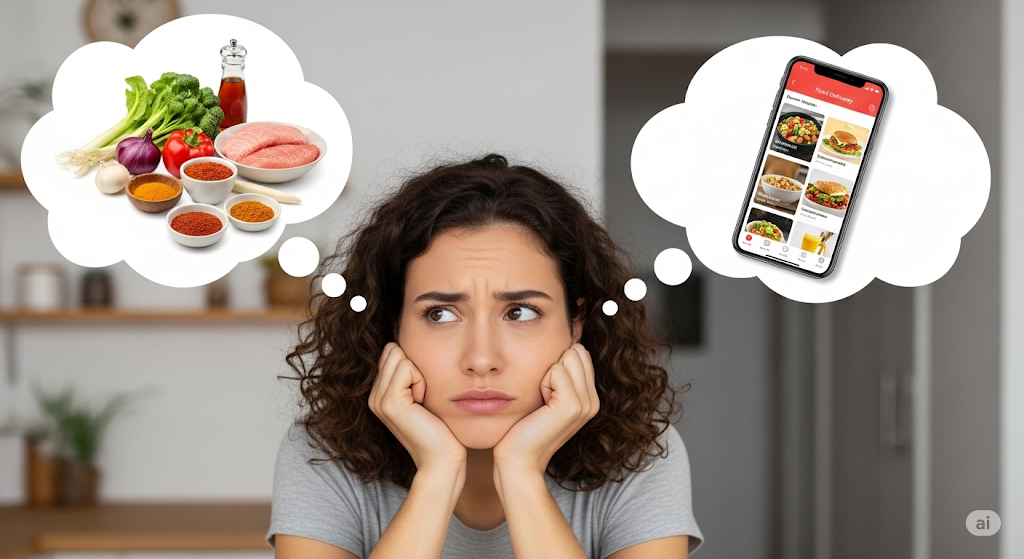
This article aims to explore how we have come to eat as we do today, focusing on the two enormous forces that dominate the modern dining table: ‘convenience’ and ‘control’. First, we will examine how the obsession with saving time has encroached on our meal times and birthed a new food culture. Next, we will analyze passionate counter-movements seeking to reclaim control over food through domestic and international examples. Finally, we will shed light on the environmental costs hidden behind the choices we often overlook and seek clues on how to achieve a more balanced and enjoyable meal amidst this complex dilemma.
***
Part 1: An Era of ‘No Time’ – How Convenience Conquered the Dining Table
The most powerful theme in modern society is ’efficiency’. This zeitgeist has pushed traditional, leisurely meals aside and placed ‘convenience’ on the throne of the modern diet. A culture that prioritizes productivity has fundamentally altered what and how we eat.
The Disappearance of Meal Times and the Rise of ‘Hustle Food’
The first key to understanding the modern dining table is ’time’. The collective obsession with not wasting time has eroded the unique time set aside for meals. Lunchtime is getting shorter, and meals are increasingly seen as a bothersome task to be squeezed between more ‘productive’ activities. The so-called ‘Hustle Culture’ has given rise to a preference for food that is quick, portable, and can be consumed with minimal effort.
This trend has been further accelerated by a decline in cooking skills and confidence at home. Many feel they lack the time or energy to cook after a long day, leading them to opt for convenient delivery or packaged foods due to the burden and lack of experience associated with cooking.
Global Case Study: ‘Snackification’, The Disintegration of Meals
One of the most representative phenomena born from this zeitgeist is ‘Snackification’. This refers to the global trend of replacing traditional three meals a day with smaller, more frequent snack-like meals. This is particularly pronounced among busy millennials and Gen Z.
According to a survey in the U.S., half of American consumers snack more than three times a day, and the snack market revenue in 2023 reached $181 billion, an 11% increase from the previous year. Among millennials, 48% snack at work, and 34% do so in their cars, indicating that meals have infiltrated daily life beyond specific times and spaces.
This change reflects a social phenomenon that goes beyond mere dietary habits. It signifies a transformation from communal rituals of gathering at set times for meals to individual, functional acts of refueling that fit into personal schedules. While family meals once strengthened social bonds, Snackification fragments the concept of meals towards maximizing individual productivity, perfectly aligning with the demands of ‘Hustle Culture’.
The Compromise of ‘Better Choices’: The Rapid Growth of Fast Casual
While everyone wants to save time, interest in health is at an all-time high. At the intersection of these contradictory desires, a massive market for ‘Fast Casual’ restaurants has emerged. Fast Casual presents a perfect compromise between the unhealthy perception of fast food and the time-consuming, costly nature of casual dining.
The growth of this market has been explosive. By 2024, the global Fast Casual market is projected to reach $179.19 billion**, with steady growth expected. In particular, the U.S. market is anticipated to grow by **$84.5 billion between 2025 and 2029. At the center of this growth are millennials and Gen Z, who desire fresh, high-quality menus that can be customized to their tastes.
Case Study: Sweetgreen and the ‘Health Halo Effect’
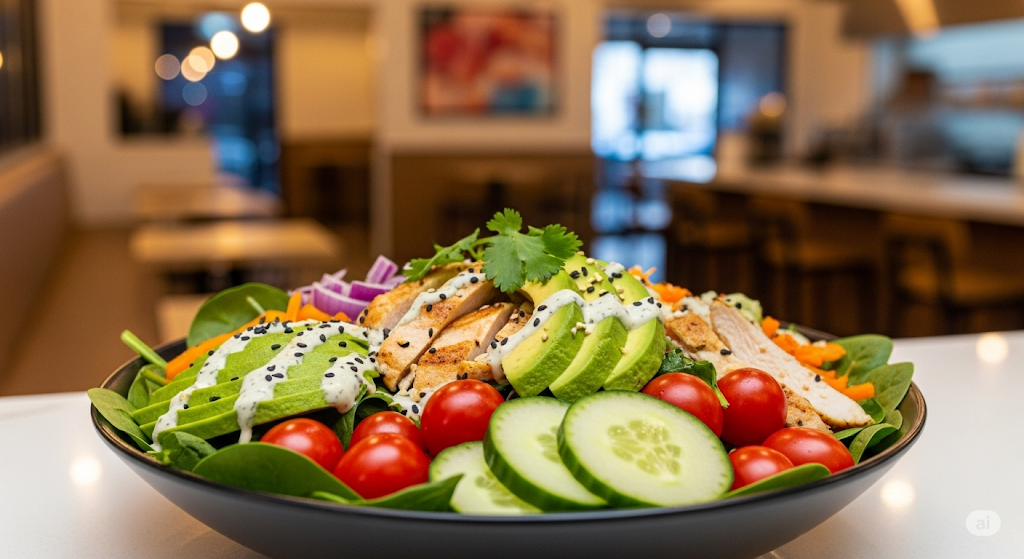
The success story of Fast Casual is best exemplified by the American salad chain ‘Sweetgreen’. Sweetgreen has positioned itself not just as a salad vendor but as a ‘farm-to-table’ lifestyle brand that emphasizes fresh ingredients and sustainability. Consumers feel satisfied that they are making healthy and conscious choices when dining at Sweetgreen.
However, there is a sophisticated trap hidden within. Fast Casual brands skillfully leverage the ‘Health Halo Effect’ to create a strong ‘healthy image’ that may not align with actual nutritional content. Consumers flock to Fast Casual believing it to be healthier than fast food, but the reality may differ. According to one nutritionist’s analysis, some popular menu items at Sweetgreen exceed 1,000mg of sodium (nearly half of the recommended daily intake for adults) and have calories exceeding 640kcal, which is far from low.
At this point, ‘customization’ shines, allowing consumers to create their own menus. This not only satisfies diverse consumer preferences but also subtly shifts the responsibility for making healthy meals onto the consumer. The restaurant merely provides healthy ‘options’, while the ultimate responsibility for the final product rests entirely with the consumer. They must navigate choices among high-calorie and high-sodium ingredients like dressings, cheeses, and various toppings. Ultimately, consumers may feel they made a healthy choice, but they might end up consuming meals with nutritional profiles similar to traditional fast food.
***
Part 2: The Beginning of the Counterattack – Reclaiming Control Over Our Dining Tables
In reaction to a food culture dominated by convenience, powerful movements are emerging worldwide aimed at reclaiming control over food. This trend represents a conscious effort for individuals to take charge of what they eat, how they prepare it, and how it affects their bodies.
The Korean Solution: The ‘Healthy Pleasure’ Revolution
In Korea, a unique cultural phenomenon called ‘Healthy Pleasure’ is spreading, particularly among the MZ generation. This term, a blend of ‘Healthy’ and ‘Pleasure’, signifies a new lifestyle that seeks health in a joyful and sustainable manner, rather than through painful and strict self-discipline. The neologism ‘Eodahaengda’, meaning “Let’s be happy while dieting anyway”, encapsulates the core philosophy of this trend.
Phenomenon 1: The Explosive Growth of ‘Low-Spec’ Foods
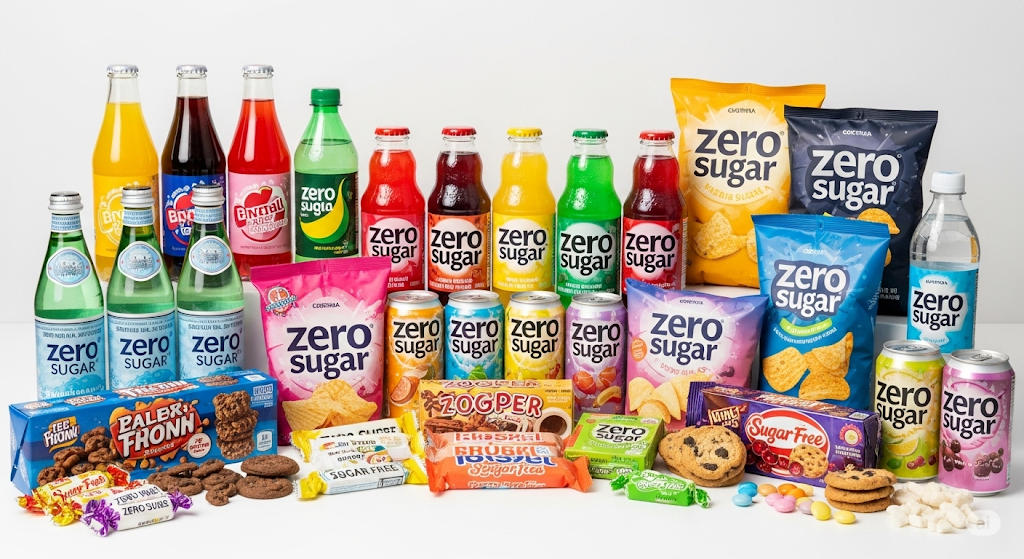
The Healthy Pleasure trend has brought about significant changes in the food market. In particular, the market for ‘Zero Sugar’ and ‘Low-Spec’ products, which reduce or eliminate sugar, sodium, and calories, has exploded. The domestic zero-sugar soft drink market grew from approximately 92.4 billion won in 2020 to about 368.3 billion won in 2022, nearly quadrupling in just two years. Some statistics suggest that by 2023, it could reach around 600 billion won, more than tripling in three years. This trend has spread beyond beverages to snacks, ice cream, jelly, and even alcoholic beverages like soju. Lotte Chilsung Beverage’s ‘Saero’ soju and Lotte Wellfood’s ‘ZERO’ brand have recorded sales in the hundreds of billions of won, reshaping the market. Even traditional products like ‘Yakult’ have launched sugar-free versions to join this trend.
Phenomenon 2: Enjoyable Exercise and Mental Health Management
Healthy Pleasure is not limited to food. Exercise is also transforming from a ‘must-do obligation’ into ’enjoyable play’. Using apps to share workout records like a game or sharing achievements with the ’#Ounwan’ (Today’s workout completed) hashtag on social media are representative of this culture. Additionally, with the growing importance of mental health, activities like meditation and ‘fire gazing’ have become integral parts of Healthy Pleasure.
The Paradox of Healthy Pleasure: Chemicals Instead of Sugar?
However, the Healthy Pleasure movement, which began with the pursuit of healthy and sustainable habits, has inadvertently created a massive demand for ultra-processed foods reliant on artificial sweeteners. This has led to a paradoxical situation that generates new health dilemmas and consumer confusion.
The essence of Healthy Pleasure is to maintain taste while caring for health, yet the most common solution offered by the food industry is ‘Zero Sugar’ products that use non-sugar sweeteners (NSS) like aspartame and sucralose. This is where it collides head-on with global health debates. The World Health Organization (WHO) has issued guidelines recommending against the use of non-sugar sweeteners for weight control, warning of potential risks that could increase the risk of type 2 diabetes and cardiovascular diseases in the long term. In contrast, regulatory agencies in Korea, including the Ministry of Food and Drug Safety, maintain that consumption within the acceptable daily intake (ADI) is safe. Amidst this conflicting information, consumers are experiencing confusion, with concerns that a trend initiated for health could lead to increased intake of potentially harmful ingredients.
Global Strategy: The Rise and Reality of Meal Prep
As a global strategy to reclaim control against the pressures of nutrition, budget, and time in modern life, ‘Meal Prep’ has emerged. This involves preparing meals for the week in advance as a preventive measure against impulsive and convenient choices.
Korea’s ‘Meal Prep Generation’ and ‘Lunchflation’
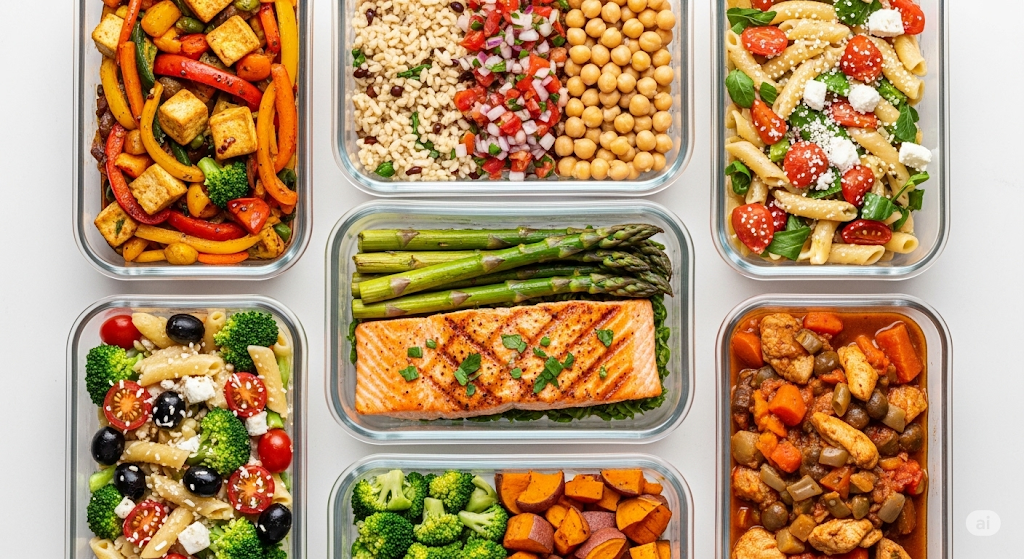
In Korea, the rising cost of lunch, dubbed ‘Lunchflation’, has led to a rapid increase in the ‘Meal Prep Generation’ among office workers seeking healthier, customized meals. Social media and online communities have become platforms for sharing practical information, including aesthetically pleasing lunchbox photos, container recommendations, and meal plans.
Global Reality: ‘Food Prison’ and Burnout
However, there exists a significant gap between the idealized images portrayed on social media and actual experiences. Voices expressing frustrations about Meal Prep are rising in global online communities like Reddit. Many find it monotonous and depressing to eat the same food repeatedly for days, likening it to being trapped in a ‘food prison’.
Moreover, the entire process of planning, shopping, cooking for hours, and dealing with a mountain of dishes can become an overwhelming burden, leading to ‘Meal Prep Burnout’. This process can feel especially daunting for those with busy schedules, small kitchens, or difficulty maintaining focus. Even well-prepared meals can lose quality over time, with rice turning into a sticky mass and meat becoming tough.
This phenomenon arises because Meal Prep attempts to apply industrial efficiency principles—mass production, standardization, and time optimization—to cooking, which is inherently a personal and creative act. While Meal Prep may seem like an efficient way to solve the daily dilemma of ‘What should I eat for dinner?’, it removes the joy, spontaneity, and sensory pleasure of meals. Five containers of chicken breast and rice may optimize time, but they strip away the diversity and small rituals of cooking. It reduces food to mere ‘fuel’ rather than a source of enjoyment. Experiences of burnout from Meal Prep can be seen as a natural outcome of this inhumane approach.
***
Part 3: The Invisible Bill – The Hidden Costs of Our Choices
The pursuit of convenience and the effort to reclaim control may seem like opposing paths, but they converge unexpectedly at the point of mass consumption of single-use packaging, which we have been ignoring as an environmental cost.
The Plastic Container Problem
Whether it’s fast-casual salads delivered, convenience store meals picked up, or carefully prepared Meal Prep lunchboxes, the common denominator is that most of these foods are contained in single-use plastic containers. In fact, containers and packaging account for a significant portion of municipal waste, with a total of 82.2 million tons generated in the U.S. alone in 2018, making up 28.1% of total municipal waste.
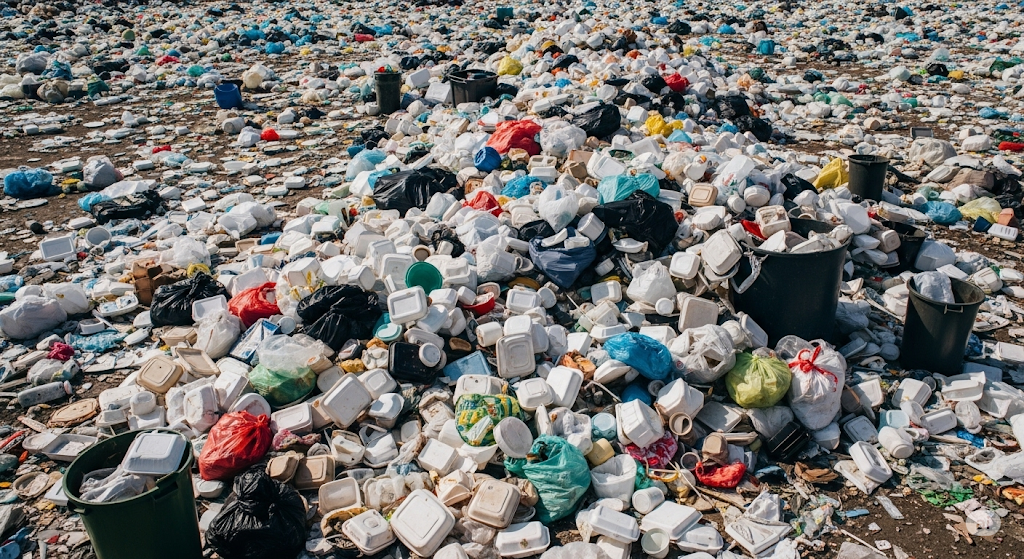
The Lifecycle of Plastic Containers
- Production: Most plastics are made from fossil fuels like oil or natural gas. The extraction of raw materials and the processing into plastic consume vast amounts of energy and are a major cause of greenhouse gas emissions.
- Disposal: Plastics do not decompose naturally. Discarded plastics remain in landfills for hundreds of years or flow into rivers and oceans, polluting ecosystems. Globally, the recycling rate for plastics is only 9%, leaving most as waste.
- Microplastics: Plastics discarded in the environment break down over time into ‘microplastics’. These tiny particles contaminate soil and water, threatening marine life and ultimately accumulating in the human food chain.
- Health Issues: Research has shown that heating plastic containers can leach chemicals like PFAS (per- and polyfluoroalkyl substances) or bisphenol into food, raising concerns about potential health threats.
The modern meal dilemma presents us with flawed choices of convenience and control. In reality, both paths lead to unsustainable outcomes, namely a significant increase in single-use plastic waste. Those who order delivery seek convenience, while those who engage in Meal Prep seek control, yet both end up filling their refrigerators with plastic containers. This common outcome suggests that merely changing ‘what we eat’ is not enough; we must also consider ‘what we eat it from’. This extends the discussion beyond individual health issues to a collective environmental concern, clearly illustrating how consumer choices connect to global policy debates.
A Small Spark for Systemic Change
Fortunately, as awareness of these issues grows, movements for systemic change that go beyond individual burdens are also emerging.
- International Response: The European Union (EU) is implementing strong regulations through the ‘Single-Use Plastics Directive (SUPD), banning the sale of plastic utensils, straws, and mandating the use of recycled plastics in beverage bottles.
- U.S. Movements: In the U.S., the ‘Break Free From Plastic Pollution Act’ has been proposed at the federal level, and various states are introducing their own regulatory measures, reflecting increased political and social interest. This shows that the issue of plastic waste can no longer be solved solely by individual efforts; it is a challenge that society as a whole must address.
***
Conclusion: Creating Your Own ‘Good Enough’ Meal
We constantly grapple between the powerful allure of convenience and a deep yearning for health and control. Modern solutions like Fast Casual, Healthy Pleasure foods, and Meal Prep, designed to resolve this dilemma, come with distinct advantages but also significant costs.
Comparative Analysis of Modern Meal Solutions
To provide a clear overview of the complex analysis covered in this report, the pros and cons of each solution are summarized as follows. This table can serve as a useful tool for readers to reflect on which advantages they wish to embrace and which drawbacks they are willing to accept in their lifestyles.
| Solution | Key Advantages | Hidden Costs and Drawbacks |
|---|---|---|
| Fast Casual (Convenience with Health Consideration) |
Fresh ingredients, customization, speed | High cost, potentially high sodium/calories, packaging waste |
| ‘Healthy Pleasure’ Foods (Enjoyable Health Management) |
Guilt-free enjoyment, taste-focused, wellness-oriented | Dependence on ultra-processed foods, artificial sweetener debate, relatively high prices |
| Meal Prep (Control Over Health, Time, and Budget) |
Cost savings, precise nutritional management, time efficiency | High initial effort, monotony and burnout (‘Food Prison’), plastic waste |
Beyond Perfectionism
Our anxiety may stem from an obsession with finding a single ‘perfect’ solution. The goal should not be perfection but rather flexibility and self-understanding.
- Applying the 80/20 Rule: As a mindset for sustainable eating, the ‘80/20 rule’ can be proposed. Spend 80% of your time focusing on meals based on nutritious whole foods, while the remaining 20% allows for flexible enjoyment of desired foods without guilt. This acknowledges the realities of life where there are occasions to celebrate, cravings for specific foods, and days when cooking feels impossible.
- Mindful & Intuitive Eating: Instead of adhering to external rules, we can reconnect with our body’s inherent wisdom through ‘Mindful Eating’ and ‘Intuitive Eating’. These approaches encourage slowing down during meals, savoring food, and listening to true hunger and fullness signals. This stands in stark contrast to the unconscious and hurried eating promoted by convenience culture.
The true path to a healthy relationship with food does not lie in strict meal planning or chasing new trends. It is about building a flexible and conscious approach within our own lives. Seeking a ‘good enough’ meal that satisfies both body and mind in the complex and beautiful life of modernity is the task set before us.