
The Science, Risks, and Truth Hidden in a Painkiller
- Understand the scientific principles behind why painkillers respond to emotional pain.
- Discover the unexpected effects of Tylenol on emotions, empathy, and judgment.
- Avoid the risk of fatal liver damage and seek healthier alternatives.
“I take Tylenol when I’m feeling down…”
Have you ever whispered this to yourself late at night, alone in your room or amidst a noisy crowd? Is the phenomenon of seeking Tylenol when you’re heartbroken merely a mood issue, or is there scientific evidence behind it? This article begins with that question and embarks on a journey to uncover the truth hidden in painkillers and real solutions.
The Brain Cannot Distinguish Between Physical Pain and Emotional Pain
For a long time, the expression “my heart is broken” was considered a mere metaphor. However, scientists have hypothesized that the brain processes social pain, such as rejection and heartbreak, in the same way it processes physical pain, leading to astonishing discoveries.
Measuring Hurt Feelings: The First Evidence
In 2010, a research team from the University of Kentucky had one group take 1,000mg of acetaminophen (the active ingredient in Tylenol) daily, while another group took a placebo for three weeks.
As a result, the group taking acetaminophen reported a noticeable reduction in social pain experienced in daily life over time. This was the first strong behavioral evidence that painkillers could alleviate emotional pain.
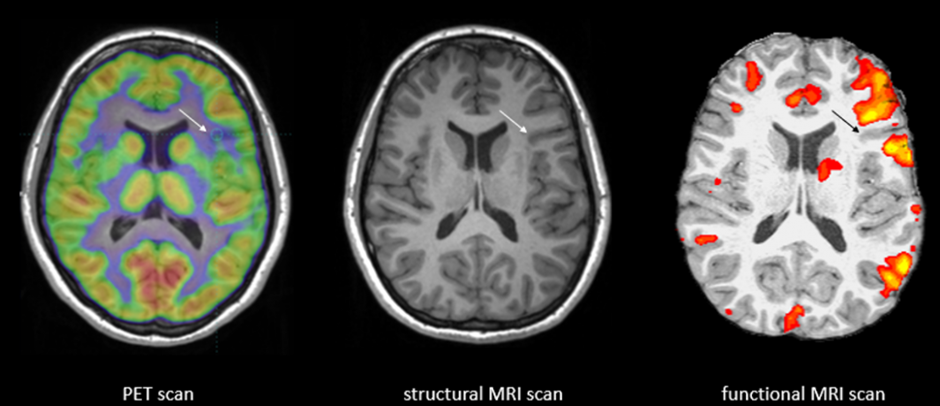
Brain Responses Observed via fMRI: The Pain Alarm System
Furthermore, the research team had participants play a computer game (‘Cyberball’) that induced feelings of exclusion while inside an fMRI machine.
Those who took the placebo showed strong activation in specific brain areas, namely the dorsal anterior cingulate cortex (dACC) and the anterior insula. These areas are part of the ‘pain matrix’ that responds when physical pain is felt.
However, the brains of those taking acetaminophen were significantly quieter in the same situation. This indicates that the painkiller effectively blocked signals of ’emotional pain’ from social rejection. This finding proves that the phrase “my heart hurts” is as real as a broken bone, representing a biological event detected by the brain.
The Cost of Dulling: The Effects of Tylenol on Emotions
While the effect of alleviating emotional pain is appealing, it comes with unexpected costs. The mechanism that dulls pain can act like a ‘blunt instrument’ that reduces the volume of all emotions.
The First Shadow: Dulling Positive Emotions
According to research from Ohio State University, individuals taking acetaminophen reported feeling less joy not only when viewing unpleasant images but also when viewing pleasant images (e.g., cute baby kittens). In other words, instead of merely dulling the gray of sadness, it also fades the yellow of joy.

The Second Shadow: Numbness of Empathy
The same research team found in a follow-up study that acetaminophen also diminished the ability to empathize with others’ pain. Participants who took the drug rated the physical and mental suffering of others as less severe. This suggests that taking Tylenol after an argument with a partner may lessen your own emotional pain, but it could also dull your ability to understand how much the other person is hurting, potentially worsening the relationship.
The Third Shadow: Reckless Courage
A 2020 study found that acetaminophen increased risk-taking behavior. Participants who took the drug in a computer game tended to take greater risks. This is because the medication suppresses healthy emotional signals like ‘anxiety’ or ‘fear’ regarding danger. Similar to how alcohol can impair judgment and lead to reckless behavior, painkillers can disable emotional safety mechanisms.
The Greatest Risk: Silent Liver Damage
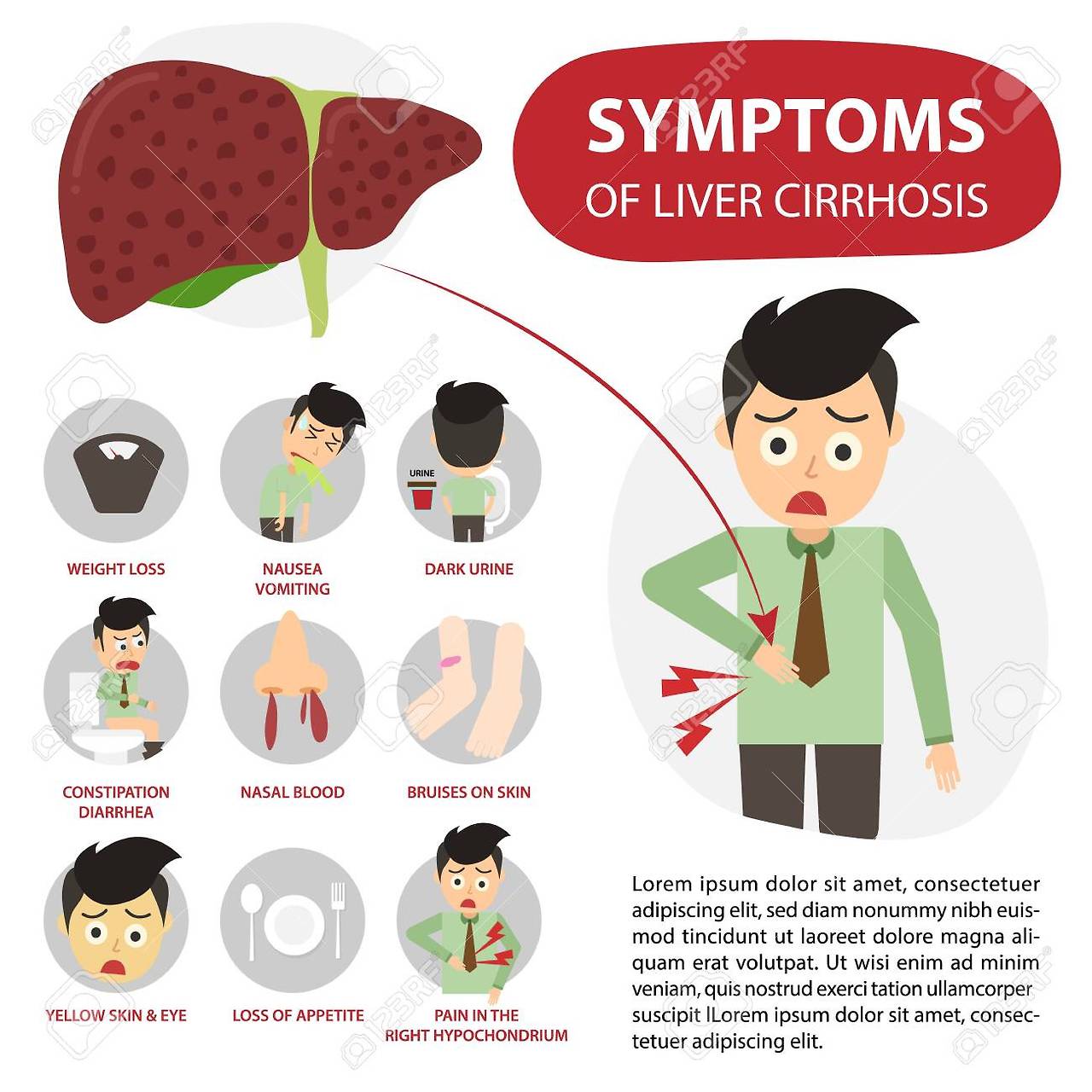
Far more serious than psychological effects is hepatotoxicity. This is a clear and deadly physical risk.
How Does Liver Damage Occur?
When we take acetaminophen, most of it is safely processed in the liver, but a tiny amount is converted into a toxic substance called ‘NAPQI.’ Normally, our liver’s ‘glutathione’ antioxidant immediately removes NAPQI.
However, if taken in excess of the recommended dosage, glutathione becomes depleted, and the remaining NAPQI begins to destroy liver cells. This is acute liver damage, which can be severe enough to lead to death.
The Worst Combination: Alcohol and Tylenol
Alcohol depletes glutathione while simultaneously promoting the production of NAPQI. Therefore, taking Tylenol after drinking to relieve a hangover is an extremely dangerous act akin to handing poison to your liver.
The Trap of Unintentional Overdose
Acetaminophen is found not only in Tylenol but also in numerous cold medications and other pain relievers. If you take Tylenol for a headache and then take a cold medicine for cold symptoms, you may unknowingly exceed the maximum daily limit (4,000mg).
| Product | Single Dose | Max in 24 Hrs |
|---|---|---|
| Tylenol 500mg | 1-2 tablets | 8 tablets (4,000mg) or less |
| Tylenol 8-Hour ER 650mg | 1-2 tablets | 6 tablets (3,900mg) or less |
| Cold Medications/Other Pain Relievers | Check product instructions | Total of all products 4,000mg or less |
Alternatives: A Real Toolbox for a Hurt Heart
So what should we do? Tylenol is just the wrong tool, and there are much safer and more effective ways to care for your heart.

Step-by-Step Guide: What to Do When You’re Heartbroken
- Acknowledge Your Emotions: Don’t view the sadness, depression, or anxiety you feel as a problem to eliminate; accept them as signals from your heart.
- Try Safe Alternatives: Engage in light walks or exercise to shift your mood and promote endorphin release.
- Check Your Thought Patterns: Identify what negative ‘automatic thoughts’ are troubling you and practice questioning whether they are truly factual.
- Consult a Professional: If the pain persists, don’t hesitate to seek help from a psychiatrist or psychologist. This is the bravest action you can take to address the issue. Personally, I learned to actively manage my problems rather than avoid them by seeking professional help during tough times.
Conclusion
The impulse to seek Tylenol when you’re heartbroken can be understood from a neuroscience perspective, but it is by no means a safe or sustainable solution.
-
Key Summary
- The brain processes social pain similarly to physical pain. This is why Tylenol appears to have a temporary effect.
- The cost of temporary effects is high. Tylenol dulls positive emotions and empathy, clouds judgment, and carries the risk of fatal liver damage.
- Real solutions exist. Psychotherapy, regular exercise, and professional help are proven methods to address the underlying issues of the heart without side effects.
Your painful emotions are not flaws to be eliminated but important data to be listened to. Instead of silencing the fire alarm, make the wise choice to find and resolve the source of the fire.