
Searching for the Lost ‘Real Meal’
- Diagnosing the issues hidden behind the abundance of modern food culture.
- Analyzing the latest food culture trends such as delivery, convenience foods, and viral foods.
- Proposing specific methods to regain the joy of ‘real meals’ in our daily lives.
Introduction: The Paradox on Our Dining Table
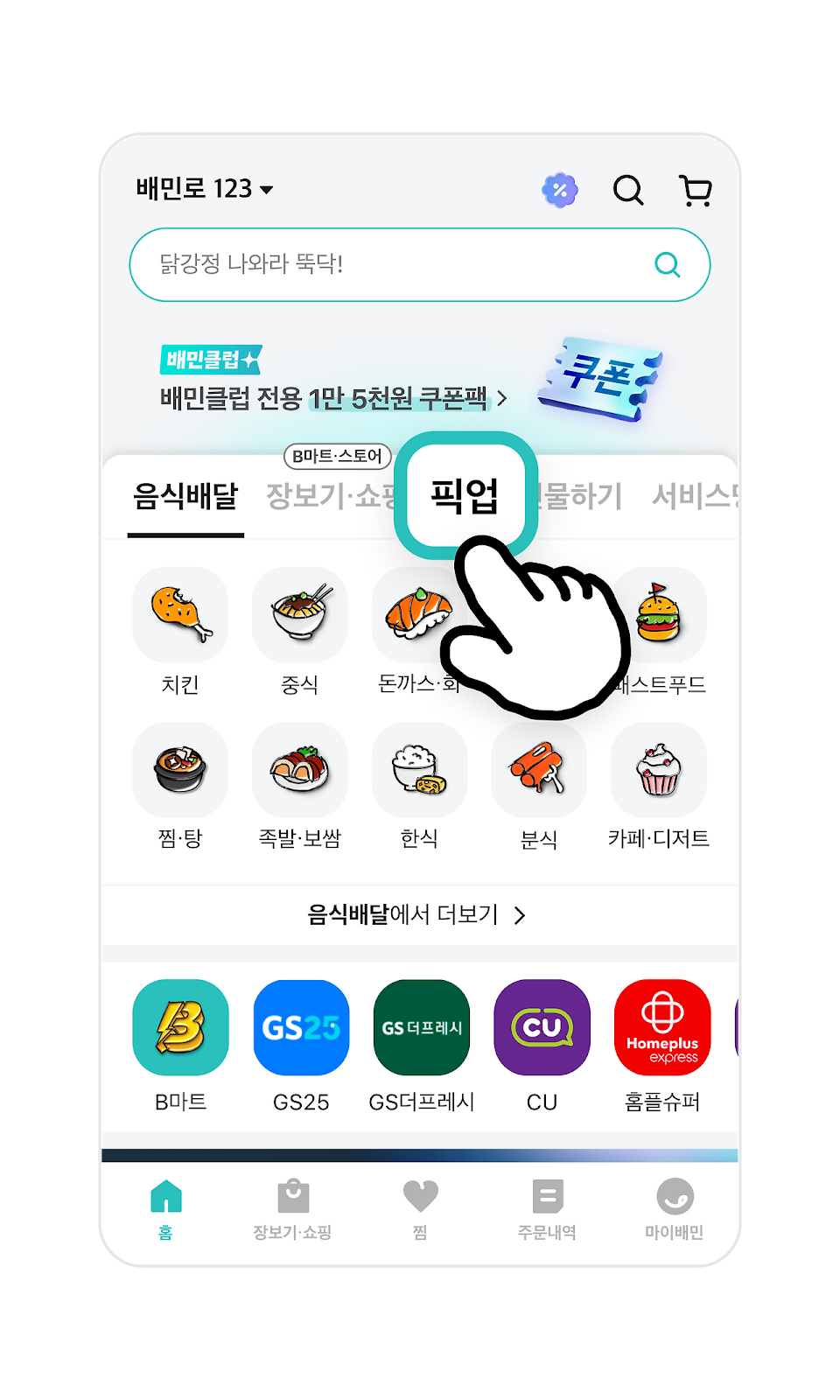
Late in the evening, I lean back on the sofa and turn on my smartphone. As I tap one of the countless delivery app icons, a new universe unfolds before my eyes. From Korean, Chinese, Japanese, and Western cuisines to exotic dishes from the other side of the globe, anything can be delivered to my doorstep with just a few taps.
The choices seem infinite, but as I scroll down, a strange emptiness settles in my heart. In this era of abundance, why do we often lose our way when it comes to meals?
This is the huge paradox faced by modern food culture. We live in an age where we can choose more food than ever before, yet we may be having poorer meals than ever. While the world has undoubtedly become wealthier, our daily dining tables are becoming increasingly impoverished. There is a global phenomenon of ‘overfed malnutrition,’ where calories are excessive but essential nutrients are lacking.
This situation raises fundamental questions for us:
- How did we come to drink beverages ’like water’ without guilt?
- Why are the dinner menus of billions of people around the world becoming increasingly similar?
- Why has humanity’s mealtime become the shortest in history?
This article is a journey to find answers to these questions. We will look behind the illusion of infinite choices to uncover the true nature of our meals and explore ways to reclaim the meaning of ‘real meals’ through specific domestic and international examples.
The Time Thief at the Dining Table: Where Have Our Meals Gone?
In the past, we had guaranteed meal times. Especially lunchtime was a sacred time when anyone, rich or poor, could step away from work and enjoy a moment of leisure.
However, today many workplaces have posters stating “45 minutes is the new hour,” and lunchtime has transformed into a time for shopping, exercising, or catching up on work. A collective obsession with not wasting time is robbing us of our meal times.
The ‘Snackification’ of the West: Snacks Becoming Meals
This lack of time has created a massive trend in the West known as ‘Snackification.’ This is not just a trend of eating more snacks; it signifies a fundamental change where the traditional meal structure of breakfast-lunch-dinner is collapsing. Snacks are no longer just something to quell hunger ‘between meals’; they are becoming meals themselves.
The food industry has not missed this change. They advertise that cereal can be eaten like a snack and are even producing ‘functional snacks’ that blur the lines between food and supplements. From gummies containing ashwagandha for stress relief to collagen popcorn for skin beauty, snacks are evolving into tools that perform specific ‘functions’ beyond mere taste.
As the concept of meals shifts from ’nutritional intake and rest at set times’ to ‘functional fuel consumed whenever needed,’ we are losing another important meaning of meals: the joy of togetherness and social bonding. The common question of ‘What should we eat for dinner?’ has transformed into an individual question of ‘What should I consume to last the next two hours?’
Korea’s ‘Quick Quick’ and ‘Solo Dining’: The Aesthetics of Convenience Store Lunch Boxes
Korea’s ‘quick quick’ culture is the perfect soil for accelerating the shortening of meal times. The increase in preference for meals that can be eaten ‘quickly alone’ following COVID-19 is a testament to this.
A symbolic result of this culture is the explosive growth of convenience store lunch boxes and home meal replacements (HMR). A well-prepared meal packed in plastic containers that can be ready in just a few minutes in the microwave has become the most efficient solution for time-strapped modern Koreans.
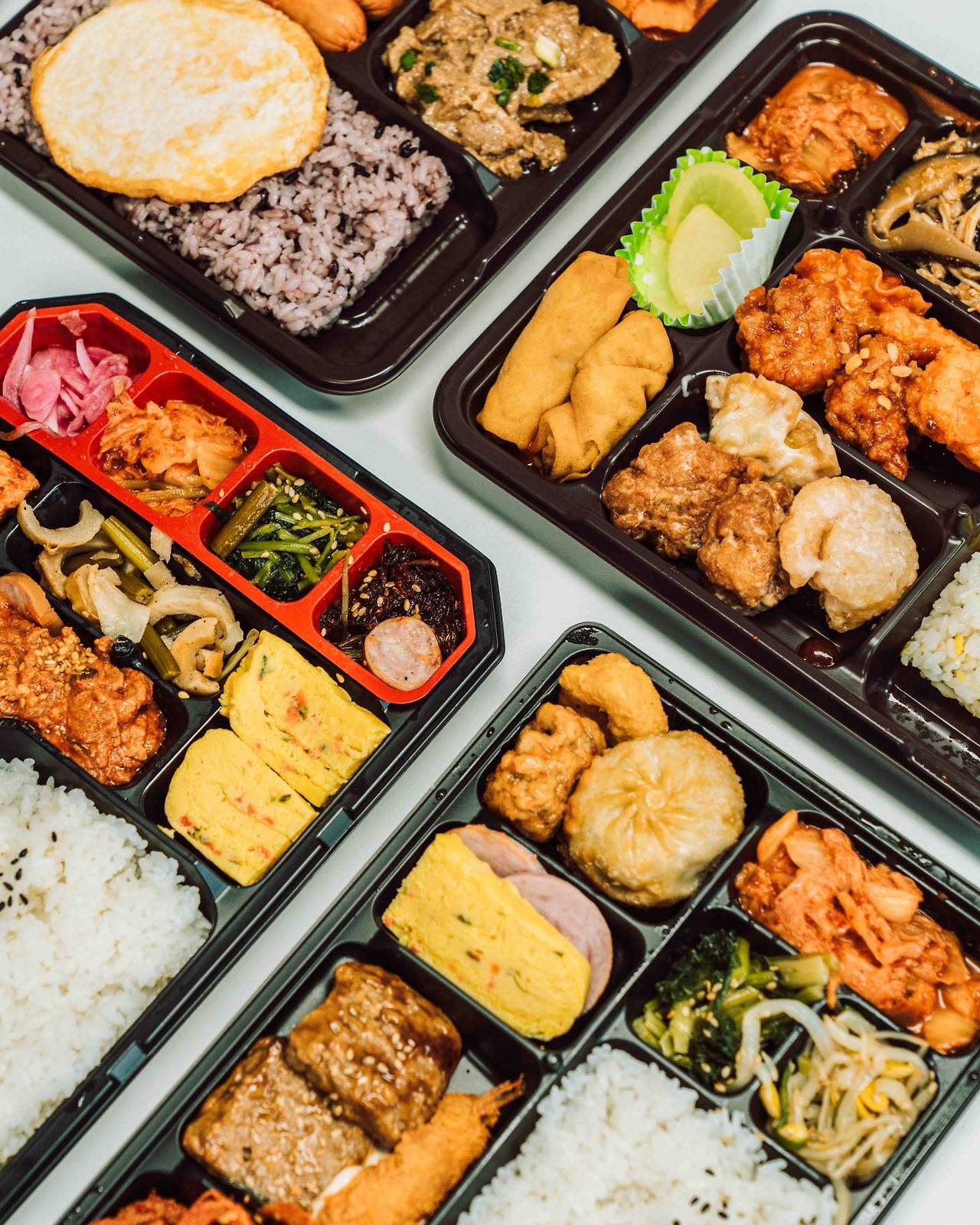
However, behind this convenience lies a concern for nutritional imbalance. The easy foods chosen due to a lack of time for a ‘proper meal’ paradoxically threaten our health.
The Temptation of Convenience: The Triad of Delivery, Convenience Foods, and Meal Kits
Traditional cooking and dining out are now being rapidly replaced by three powerful contenders armed with ‘convenience’: delivery apps, home meal replacements (HMR), and meal kits.
The Global Giant of Delivery Apps and Its Shadow
The online food delivery market has grown to a size of hundreds of billions of dollars globally. However, this convenience comes at a cost. In the Korean market, fierce competition among platforms has led to high commission fees, resulting in a vicious cycle where restaurants charge more for delivery orders than in-store prices, creating a ‘double pricing system.’
The Explosion and Evolution of Home Meal Replacements (HMR): Michelin Star Meals at Our Dining Tables
The Korean home meal replacement (HMR) market is explosively growing towards a scale of 7 trillion won, fueled by the increase in single-person households and the ‘convenience premium’ trend.
The hottest trend in the market is RMR (Restaurant Meal Replacement), products that allow people to enjoy dishes from famous restaurants at home. The launch of RMR from Michelin-starred restaurants is at the pinnacle of this trend. This strategy precisely taps into the complex desires of modern individuals who want convenience while not wanting to miss out on a ‘small luxury’ for a special culinary experience.
The Promise of Meal Kits: A Shortcut to ‘Real Cooking’
For those who think, ‘I still want to cook myself,’ meal kits are the solution. Meal kits deliver all the necessary ingredients prepped to the right quantities along with a recipe.
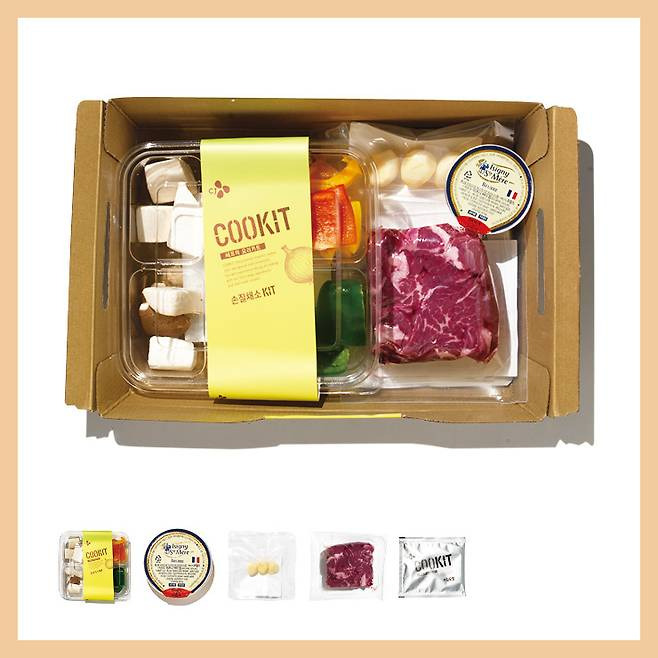
The flow from HMR to RMR and then to meal kits reflects the ‘multifaceted’ nature of modern consumers. Sometimes we want the efficient convenience of machines (HMR, delivery), sometimes we desire the quality of chef-made meals (RMR), and at other times we want to feel the virtue of a healthy homemaker cooking (meal kits).
Global Tastes: Are We All Eating the Same Thing?
Globalization has brought two opposing phenomena to our dining tables: the ‘uniformity’ of diets and the explosive trends of specific foods, known as ‘fragmentation.’ As the concept of the ‘Global Standard Diet’ suggests, ultra-processed foods worldwide are made from a few core ingredients, leading to a homogenization of diets.
Korea’s Viral Foods: The Phenomenon of Malatang and Tanghulu
In stark contrast to this uniformity, social media creates explosive food trends. The malatang and tanghulu craze in Korea is a prime example. These two foods have spread rapidly, especially among Generation Z, through YouTube and TikTok.
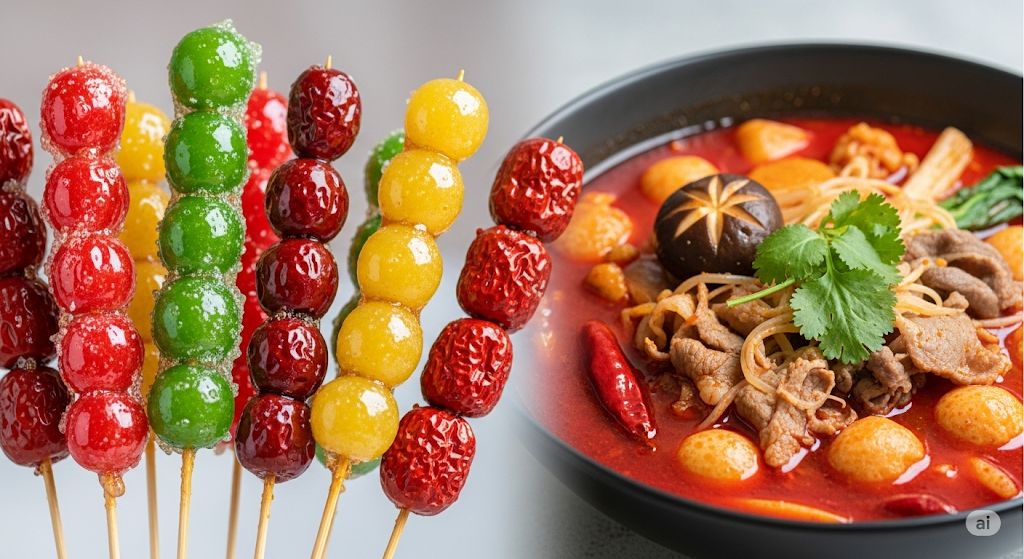
The secret to their success goes beyond taste.
- Extreme Personalization: Malatang allows individuals to choose their ingredients and spice levels, showcasing their unique preferences.
- Maximization of Sensory Experience: The ‘crunch’ sound of tanghulu is consumed as ASMR content.
- Visual Shareability: The striking visuals are optimized for sharing on Instagram and TikTok.
Trends like malatang and tanghulu are not just culinary trends; they serve as a stage for performing identity in the digital age and a cultural code. The value of food as a ’ticket’ to participate in the current cultural conversation becomes more important than its intrinsic value.
The Art of Eating Alone: Rediscovering ‘Solitary Gastronomy’
Now, let’s discuss how we can regain joy amidst the complexities of modern food culture. The clue lies in ’eating alone.’ Eating alone has two faces: one is a pitiful meal eaten hurriedly due to time constraints, and the other is an intentional and fulfilling meal enjoyed in solitude.
The Philosophy of the Solitary Gourmet
The cultural symbol that best represents the second type of solitary dining is the Japanese drama ‘Solitary Gourmet.’ The core philosophy of this work is that the act of facing food without interruption from others is the greatest ‘healing’ and ‘reward’ given to modern individuals. This approach elevates eating alone from a symbol of loneliness to an act of freedom and self-care.
Ichiran Ramen: Architecture for Eating Alone
A place that perfectly embodies the philosophy of ‘Solitary Gourmet’ through spatial design is the Japanese ramen chain ‘Ichiran.’
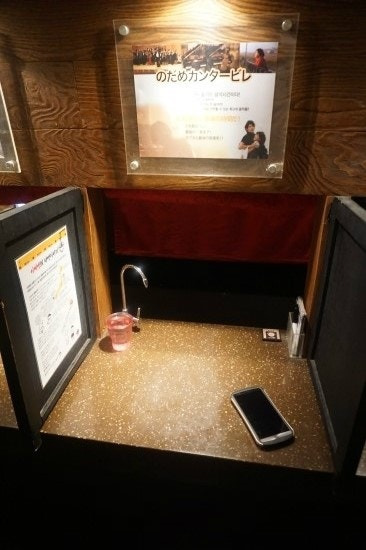
Here, the ’taste-focused seats’ with partitions, minimized staff interaction, and a perfect personalization system are designed to allow guests to concentrate solely on the taste of ramen. This redefines meals as important and singular events worth the time and attention. It reminds us that ‘real meals’ are determined not by the presence of others but by the full attention of the person eating.
Comparison: Convenient Meals vs. Conscious Meals
Our dining tables have now become a battleground of great conflict. To visualize this complex situation, let’s summarize:
Table 1: The Two Faces of Modern Meals: Pursuit of Convenience vs. Conscious Experience
| Category | Convenience-Centered Meals | Conscious Experience Meals |
|---|---|---|
| Meal Type | Snackified Meals | Proper Meals (Full Course) |
| Location | On the Go / Office Desk | Restaurant / Home Table |
| Companion | Alone (Hastily) | Alone (Leisurely) or Together |
| Goal | Time Saving, Satisfying Hunger | Enjoyment of Flavor, Experience, Communication |
Checklist: How to Reclaim Your ‘Real Meal’
So how can we move a little closer to meals that offer conscious experiences? Instead of obsessively pursuing the perfect meal, we can start small changes through ‘mindfulness about meals.’
- Reflect on What You Drink. Are you drinking sugary beverages ’like water’? Just thinking about the impact of what we consume mindlessly can initiate small changes.
- Set Aside Time for Meals. Reconsider cooking and eating not as a bothersome task that ’takes away time’ but as a precious activity that ‘is worth the time.’
- Trust Your Senses. Instead of following the latest trends or strict dietary rules, listen to what your body and taste buds truly want. The food your body genuinely craves may be the best superfood.
- Enjoy Your ‘Outdated Taste.’ Consistently enjoying the foods you truly love, regardless of what others say, can become a quiet pleasure that helps you find your center in a noisy world.
Conclusion
Modern food culture carries the shadow of time scarcity, nutritional imbalance, and social disconnection behind its glamorous facade of abundant choices.
-
Key Points:
- The Paradox of Abundance: While choices have increased, the quality of meals has declined.
- The Exchange of Time and Experience: In saving time, we choose ‘snackification’ and ‘convenience foods,’ losing the experiential value of meals.
- The Importance of Conscious Meals: Even ’eating alone’ can become an act of healing and self-care if enjoyed consciously.
Next Action Suggestion (CTA): How about trying to practice one of the items on the checklist for just one meal tonight? Put your smartphone down for a moment and take time to focus solely on the taste and aroma of your food. That one regained ‘real meal’ could be a small seed that transforms your weary daily life.