
The Ghost of Inflation: Past, Present, and Future
- The specific causes of the ‘perfect storm’ inflation that hit the 2020s
- The potential risks of massive government debt on future price stability
- How new economic variables like de-globalization and AI will change the future of inflation
Dissecting the Inflation Storm of the 2020s: What Hit Us?
In 2021 and 2022, we all shared a similar experience. Every week, we were shocked by soaring grocery prices and sighed as we watched the numbers on gas station price boards rise frighteningly. The word inflation has transformed from a concept in economics textbooks to a painful reality threatening all our wallets.
Where did this massive wave of inflation come from? Was it a one-time event caused by the pandemic, or is it the prologue to a new economic era? To answer this question, we must look beyond simple supply chain issues or government spending. We need to understand how massive structural changes like de-globalization, green transition, and the rise of artificial intelligence (AI) are rewriting the rules of inflation for the next decade.
The Perfect Storm: When Supply Chains Broke and Demand Exploded
Before 2020, the global economy operated on tightly connected global supply chains under the banner of ‘Just-in-Time’ production. However, COVID-19 shattered this sophisticated system in an instant.
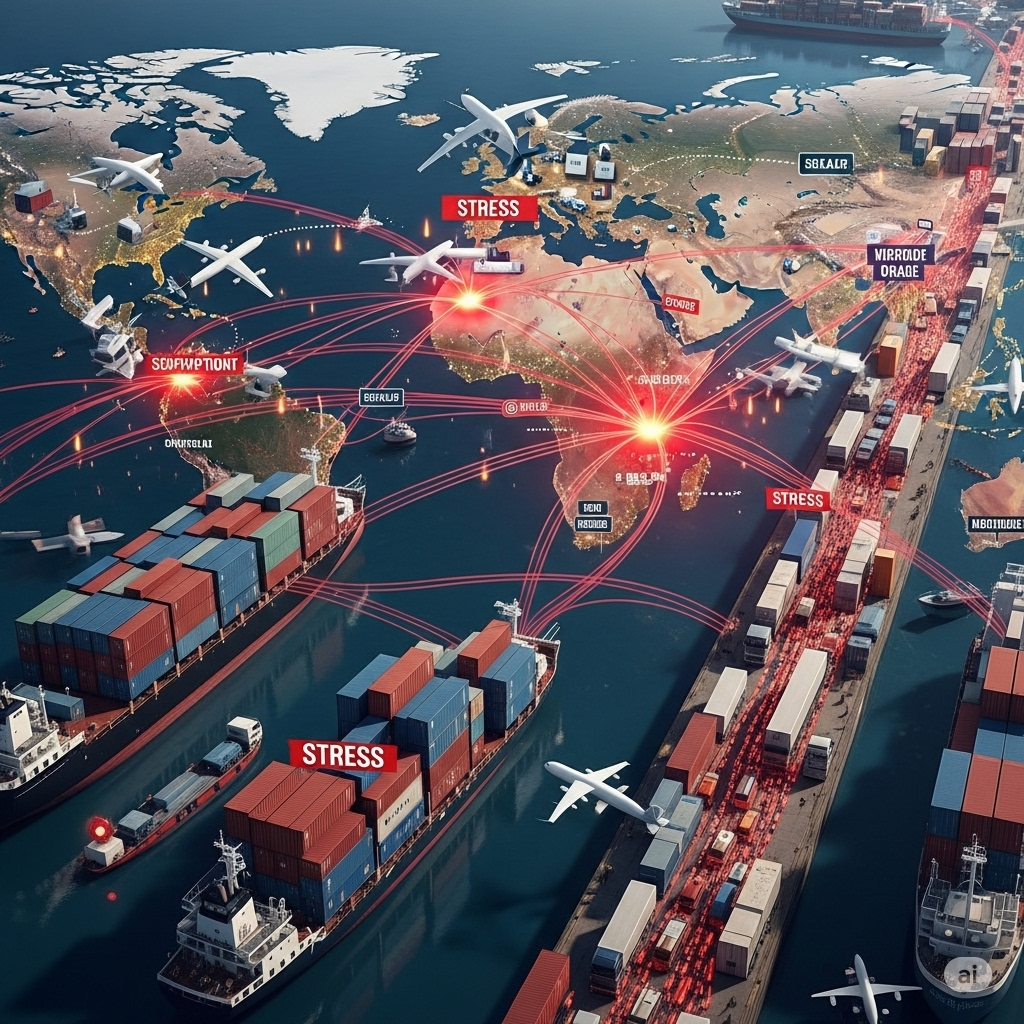
Supply Shock – The Collapse of a Fragile System
The lockdowns caused by the pandemic triggered a chain reaction of collapses. Factories in Asia closed, there was a shortage of shipping containers, and countless cargo ships had to wait indefinitely outside major ports. The most dramatic example of this phenomenon was semiconductors.
A shortage of semiconductor chips, worth just a few dollars, halted operations at car factories worldwide, leading to a shortage of new cars and skyrocketing used car prices. The price surge of this single item significantly contributed to the overall consumer price index. It was a global phenomenon affecting everything from home appliances to construction materials.
The Fire Hose of Demand – Money in Pockets, No Place to Spend
While supply was paralyzed, governments around the world, especially the U.S., provided direct cash payments to households through massive fiscal stimulus to prevent an economic depression.
The problem was that people had few places to spend this money. With service consumption like travel and dining restricted, the enormous liquidity surged into a narrow channel of ‘durable goods.’ This created a textbook scenario of ’too much money chasing too few goods’, directly colliding with the broken supply chains.
The Energy Variable – From Sparks to a Massive Flame
As the initial supply-demand shock peaked, Russia’s invasion of Ukraine in early 2022 ignited a global energy crisis. Soaring oil and natural gas prices raised costs for manufacturing and transportation, even affecting fertilizer production and leading to rising food prices.
Why Did the Word ‘Transitory’ Become the Most Expensive Word of 2021?
Initially, central banks, particularly the Federal Reserve, diagnosed this surge in inflation as ’transitory.’ Their economic models, shaped by decades of low inflation, predicted that supply chains would soon recover.
However, by the end of 2021, as it became clear that inflation was much more persistent than expected, one of the most dramatic policy shifts in modern economic history began. The Fed started to raise interest rates at the fastest pace in 40 years, with the benchmark rate soaring from near 0% to over 5% almost overnight. This was a decision made to prevent high inflation expectations from taking root in the economy, even at the risk of a recession.
The Government’s Bill: Is National Debt a Next-Generation Inflation Time Bomb?
While the fiscal response to COVID-19 was essential to prevent a deeper crisis, it left governments with a massive debt bill.
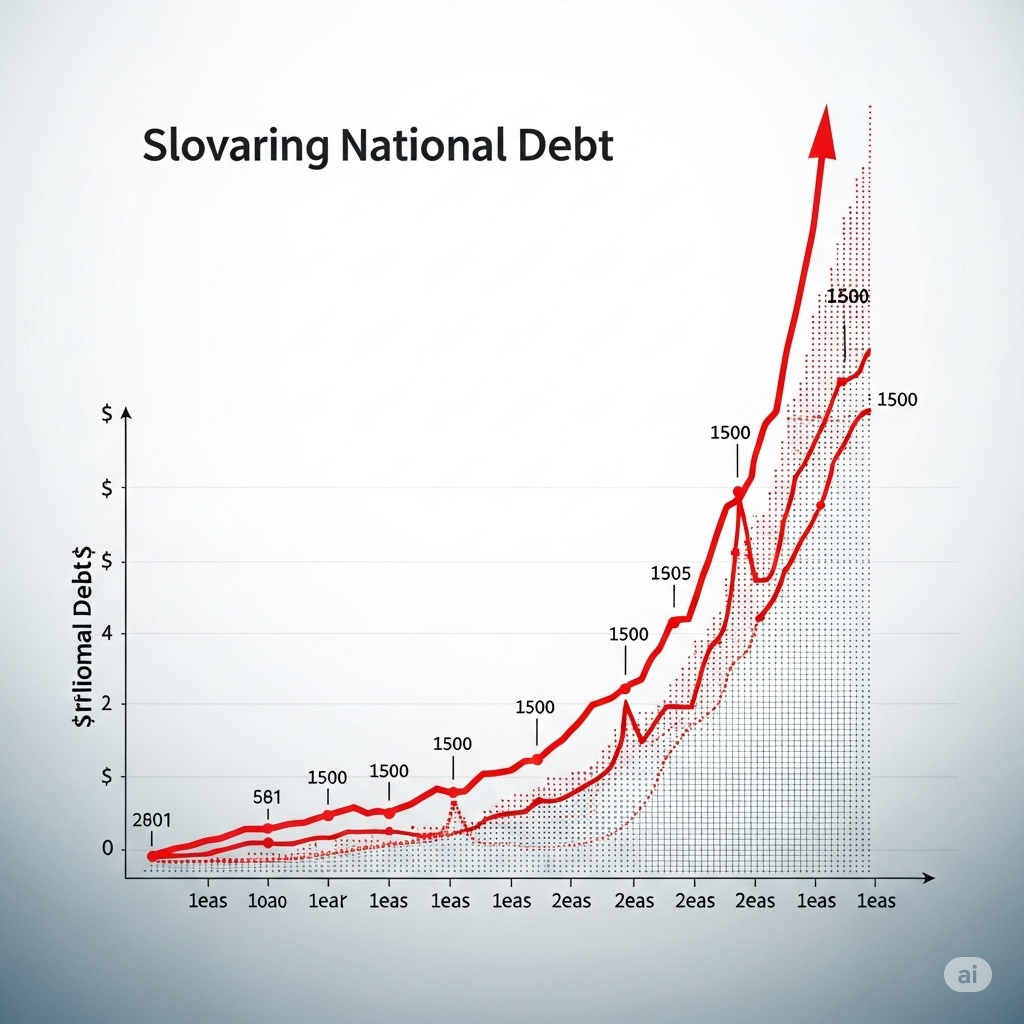
The Scale of the Problem: A Mountain of Global Debt
The U.S. implemented a stimulus package amounting to about $5.1 trillion, which is 23% of its GDP before the pandemic. South Korea’s national debt is projected to rise from less than 700 trillion won before the pandemic to 1,175 trillion won by 2024. This is a systemic phenomenon across major economies.
Change in General Government Total Debt as a Percentage of GDP
| Country | 2019 | 2024/2025 (Projection) |
|---|---|---|
| South Korea | ~38% | ~54.5% |
| United States | ~108% | ~120% |
| Japan | ~235% | Over 250% |
| Germany | ~59% | ~65% |
The Risk of ‘Fiscal Dominance’: When Central Banks Become Subservient to Treasuries
‘Fiscal Dominance’ refers to a situation where central banks are pressured to keep interest rates low to manage the government’s massive debt. This is akin to an individual who has too much credit card debt and must continue to take out low-interest loans to make interest payments. The central bank becomes tied to the role of ‘interest manager’ for the government rather than being an inflation fighter.
If raising interest rates to combat inflation significantly increases interest payment burdens and creates budget holes, central banks will face tremendous political pressure to abandon their core mission of price stability. The mere perception that central banks are no longer independent can destabilize inflation expectations, making price control even more challenging.
Spotlight: South Korea’s Dilemma – Caught in a Bind
South Korea faces a unique and acute version of this policy conflict. The Bank of Korea must worry not only about government debt but also about record levels of household debt deeply intertwined with the real estate market.
If the Bank of Korea aggressively raises interest rates to combat inflation, it risks triggering a chain of household bankruptcies and a collapse of the real estate market. Conversely, if it keeps rates low to protect borrowers, it risks allowing inflation to spiral out of control. This dilemma is similarly seen in other advanced countries like Canada and Australia, but South Korea’s unique real estate financing structure, such as the jeonse system, adds to its complexity.
The Frontlines of a New Economy: Growth, Technology, and the Future of Prices
The End of an Era? From ‘Stable Period’ to ‘High Volatility’
For the past 30 years, the global economy enjoyed stable prices thanks to strong disinflationary pressures from globalization and technological advancements. However, these forces are now weakening or reversing, creating structural inflationary pressures.
- ‘Slowbalisation’ and Protectionism: Geopolitical tensions are causing companies to prioritize security over costs, which inherently leads to inflation.
- Demographic Changes: Aging populations in developed countries and a slowdown in labor supply in emerging markets exert upward pressure on wages.
- Decarbonization: The green energy transition is essential but is likely to cause inflation due to massive investments and rising energy costs in the medium term.
The Paradox of AI: Savior of Inflation or New Villain?
Will AI be the Hero of Disinflation?
AI has the potential to dramatically enhance productivity across the economy. This is a typical formula for non-inflationary growth. Additionally, for many digital services, the marginal cost of AI models is nearly zero, which can drive down prices for a wide range of services.
Will AI be the Villain of Inflation?
However, AI is incredibly energy-intensive. Training large language models and operating data centers consume vast amounts of power. This surge in power demand is already straining power grids and could become a new and powerful source of cost-push inflation that raises electricity bills for everyone.
Lessons from the ‘Lost Decade’: What Japan Teaches Us
While the world worries about inflation, Japan reminds us of the opposite problem: the fear of the black hole of deflation. Japan’s key lesson is that once deflationary expectations take hold, it becomes extremely difficult to break free from entrenched low prices and slow growth.
Recently, Japan has experienced inflation consistently exceeding its 2% target for the first time in decades, but it remains uncertain whether this marks a true escape from a deflationary mindset.
Conclusion
We have arrived at a changed landscape characterized by high government debt and new structural forces after navigating the ‘perfect storm’ of the 2020s from a world of predictable low inflation.
Key Takeaways
- Inflation in the 2020s was a ‘perfect storm’ resulting from supply chain breakdowns, demand surges due to fiscal stimulus, and an energy crisis.
- Surging government debt poses a risk of ‘fiscal dominance’ that threatens the independence of central banks and complicates price stability.
- Future prices will be determined by a tug-of-war between structural inflationary pressures like de-globalization and green transition and powerful deflationary technologies like AI.
It is now time to ask a more insightful question than “Will inflation come?” “What kind of inflation will hit which sectors?” and “How will policymakers navigate the new conflicts of high debt and technological upheaval?” Understanding this complex interplay will be the new core competency needed to navigate our financial lives over the next decade.
(Related article: Timing of interest rate hikes, investment strategies to protect my assets)
References
- The World Economic Forum Inflation’s paradigm shift, explained
- Allianz Global Investors Inflation: beyond transitory
- Rabobank The impact of the energy transition on EU inflation
- International Monetary Fund (IMF) AI’s Promise for the Global Economy
- Utility Dive US electricity prices rise again as AI, onshoring may mean decades of power demand growth: BofA
- Federal Reserve Bank of Cleveland The Impacts of Supply Chain Disruptions on Inflation
- Bureau of Labor Statistics What caused inflation to spike after 2020?
- U.S. Bank How Do Supply Chain Disruptions Contribute to Inflation?
- Oracle Supply Chain and Inflation: Issues and Impacts
- Peterson Institute for International Economics Fiscal policy and the pandemic-era surge in US inflation: Lessons for the future
- International Monetary Fund (IMF) World Economic Outlook, October 2024; Chapter 2: The Great Tightening: Insights from the Recent Inflation Episode