"Why am I the only one falling behind?" Psychological ways to escape the swamp of comparison
phoue
•14 min read•--
Salieri Syndrome
Do you remember the final scene of the movie <Amadeus>? The aged, frail Salieri shouts, “Forgive me, Mozart! I am the one who killed you!” It was truly chilling.
This is not mere jealousy. It is the weight of the disease called ‘comparison’ that gnawed at a person’s soul for a lifetime. Actually, calling it a ‘disease’ fits perfectly. He was the era’s top court composer — objectively a very successful person… yet before the mirror of the genius Mozart, he felt like an utterly pathetic failure.
This is the very essence of the ‘Salieri Syndrome’, the disease of comparison. It’s not a trivial habit; it’s a mental poison that can make even a successful life feel like failure. Comparison, when fixated on the negative side, becomes a ‘mental mistake’ that breeds despair — a poison.
So in this article, I’ll dig into how this pernicious comparison sickens us in modern society, from its psychological roots to diagnosis, and present a clear, evidence-based path to liberation from that invisible scale.
1. Comparison arising from an anxious self
Many scholars note that comparison itself is a good way to recognize differences, but people often make the ‘mistake’ of focusing only on the negative aspects after comparing themselves to others, and thus suffer. That’s an important starting point.
But why do we fall into this mistake so easily even when we know better?
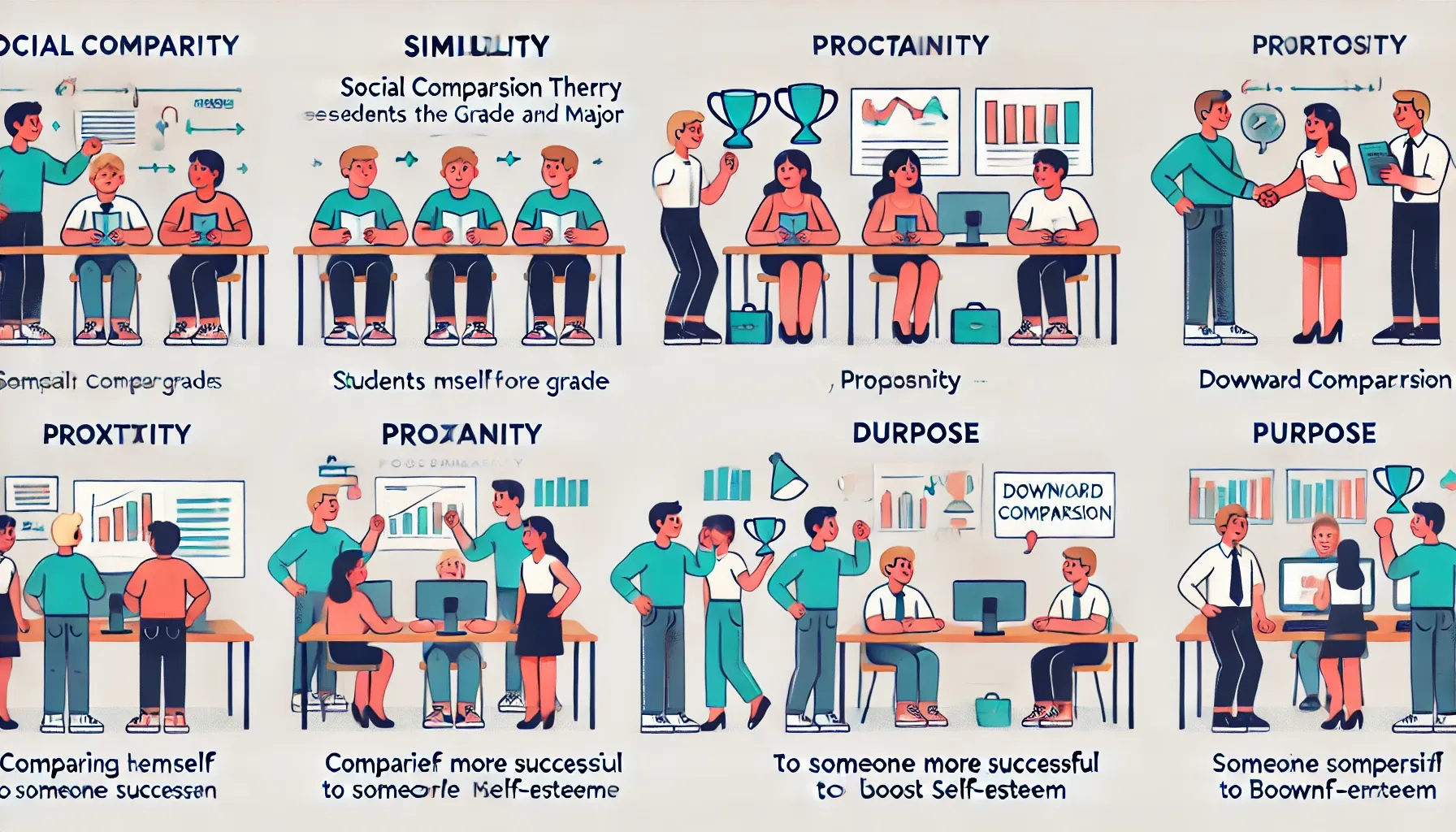
An algorithm built into humans: Social Comparison Theory
Leon Festinger’s ‘Social Comparison Theory’
Here’s the thing: comparison is instinctual. In 1954, social psychologist Leon Festinger proposed ‘Social Comparison Theory.’ What that means is that we compare ourselves to others not because we are weak, but because there is a fundamental desire to accurately evaluate our abilities and opinions and reduce uncertainty. We define ourselves through others as a mirror and locate our place in the world through that reflection. Makes sense, right?
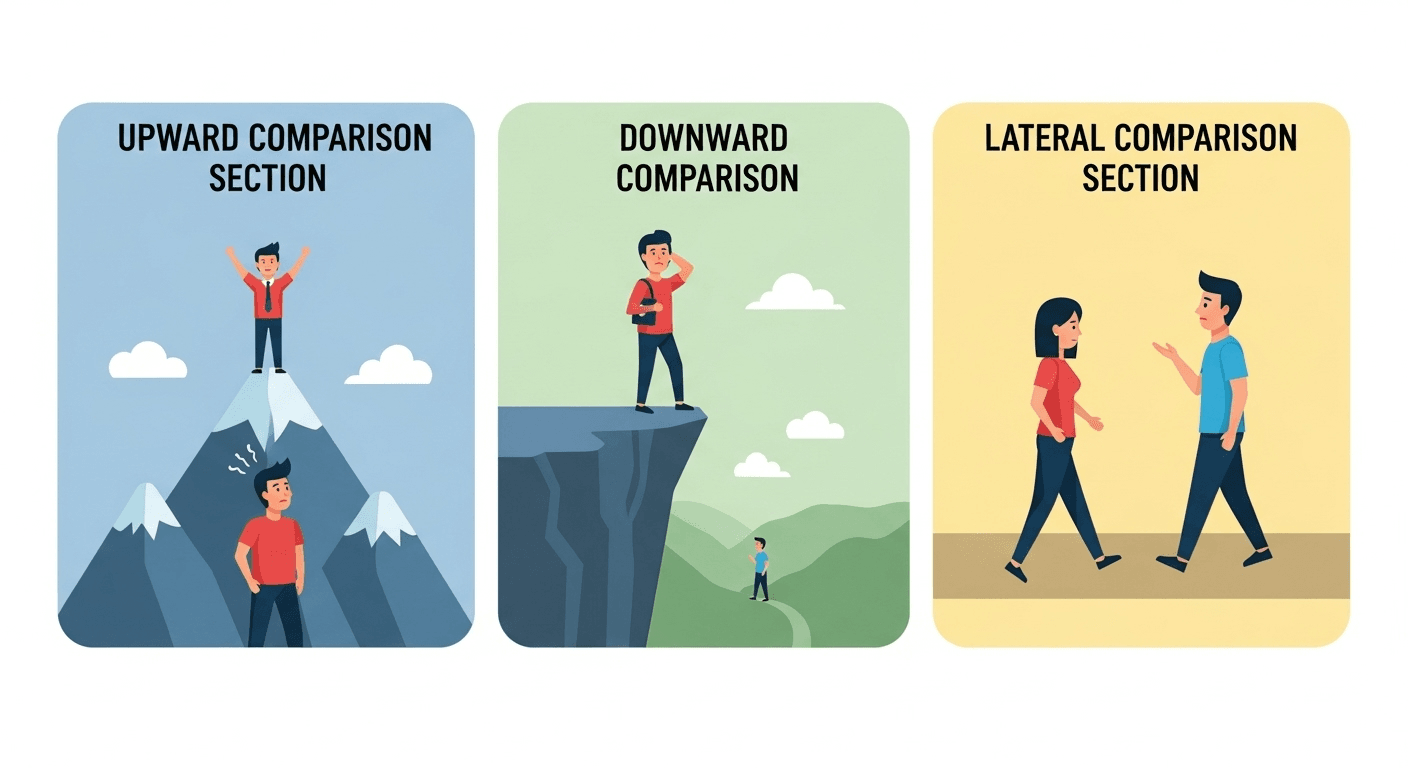
Three directions of gaze: upward, downward, and lateral comparison
According to Festinger’s theory, our gaze goes in three directions.
Upward Comparison: Comparing to someone perceived as better than us. Seeing an influencer’s perfect vacation photos or a classmate’s promotion… is it motivating? No — honestly, most of the time it breeds jealousy, inadequacy, and lower self-esteem.
Downward Comparison: Comparing to someone in a worse situation than us. Like feeling relieved about your own stress after hearing a friend got fired… it may sound mean, but it can temporarily boost self-esteem.
Lateral Comparison: Comparing with peers of similar level. This brings a sense of stability or healthy competition. Three directions of social comparison theory
An unstable foundation: when comparison becomes poison
The problem arises when this fundamental comparison instinct meets an “unstable self.” There’s something called Social Rank Theory, which sounds complex, but simply put: people with high social anxiety tend to see others not as collaborators but as competitors. They become overly sensitive to their own rank.
Social Rank Theory
People whose self-concept is unclear and who lack internal standards rely excessively on external criteria to evaluate their worth. For such people, upward comparison is no longer reference material for growth. It becomes a cold verdict that confirms their inferiority and fuels anxiety and helplessness.
In other words, the ‘act’ of comparison is not the disease — the root of the disease is the ‘unstable self’ that processes the comparison results. The real ‘mistake’ we make is not the act of looking at others, but allowing their positions to measure our value.
Therefore, merely trying to stop comparing is insufficient. The fundamental solution is to build an internally solid self that doesn’t waver from comparison results. Truly.
2. Comparison imposed by a third party
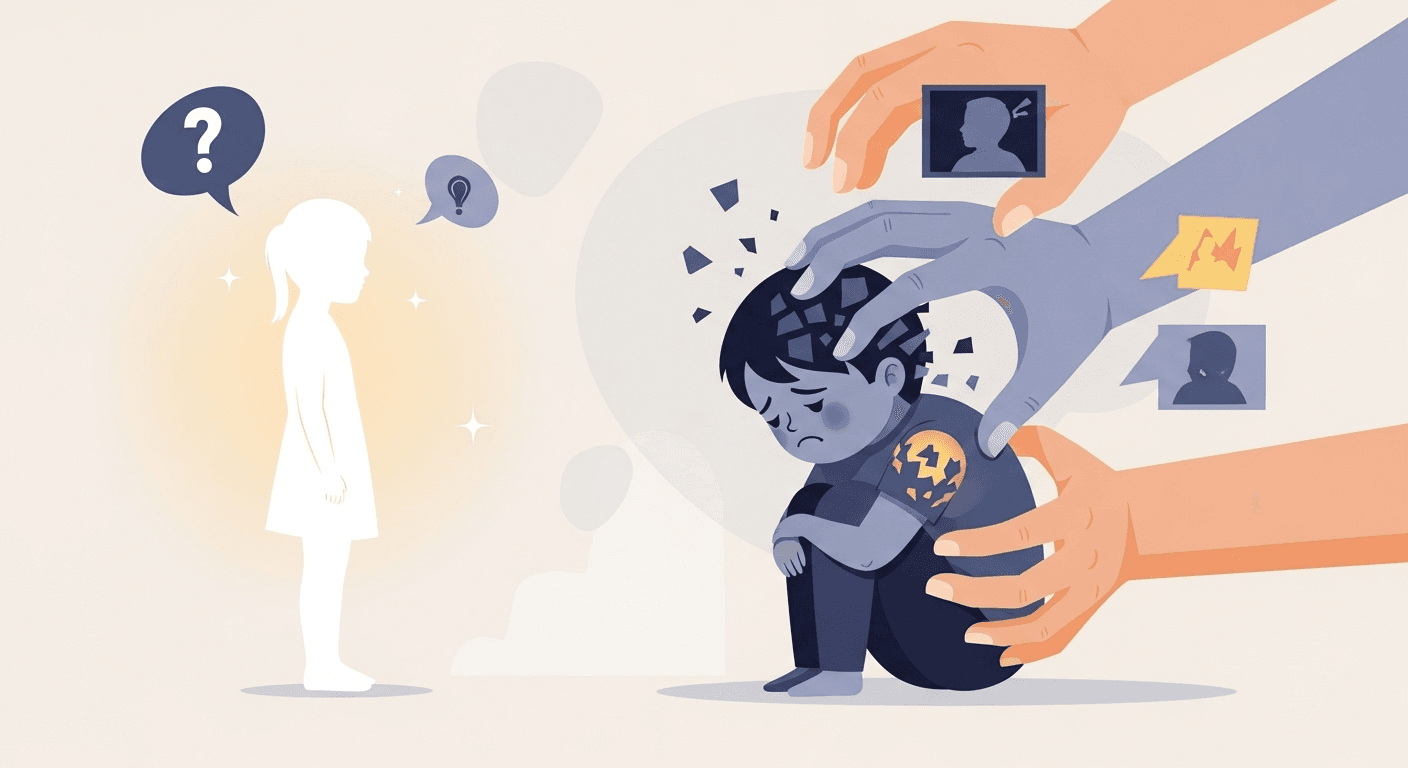
Although we sometimes hold the scale of comparison ourselves, there are times when others forcibly place it onto our lives. I think this is the worst. Particularly, third-party comparisons experienced in childhood leave lifelong scars.
The first other: the ‘Mom’s friend’s child’ effect
In Korean society there’s a powerful cultural concept of the ‘mom’s friend’s son/daughter’ — ’eomchinha’ — which is a classic example of third-party comparison. “The kid next door is top of the class,” they say. Ugh…
What message does this send to a child? It conveys the cruel message that ‘your worth is conditional and determined by comparative advantage over others.’ This causes chronic stress and helplessness, can be a cause of adolescent depression, and turns the parent-child relationship — which should be a source of unconditional support — into a performance evaluation arena. It shakes the foundation of the relationship and creates emotional disconnection.
“Eomchinha” effect
The modern Panopticon: social media as a global ’eomchinha’
Nowadays that ’eomchinha’ has expanded globally because of social media.
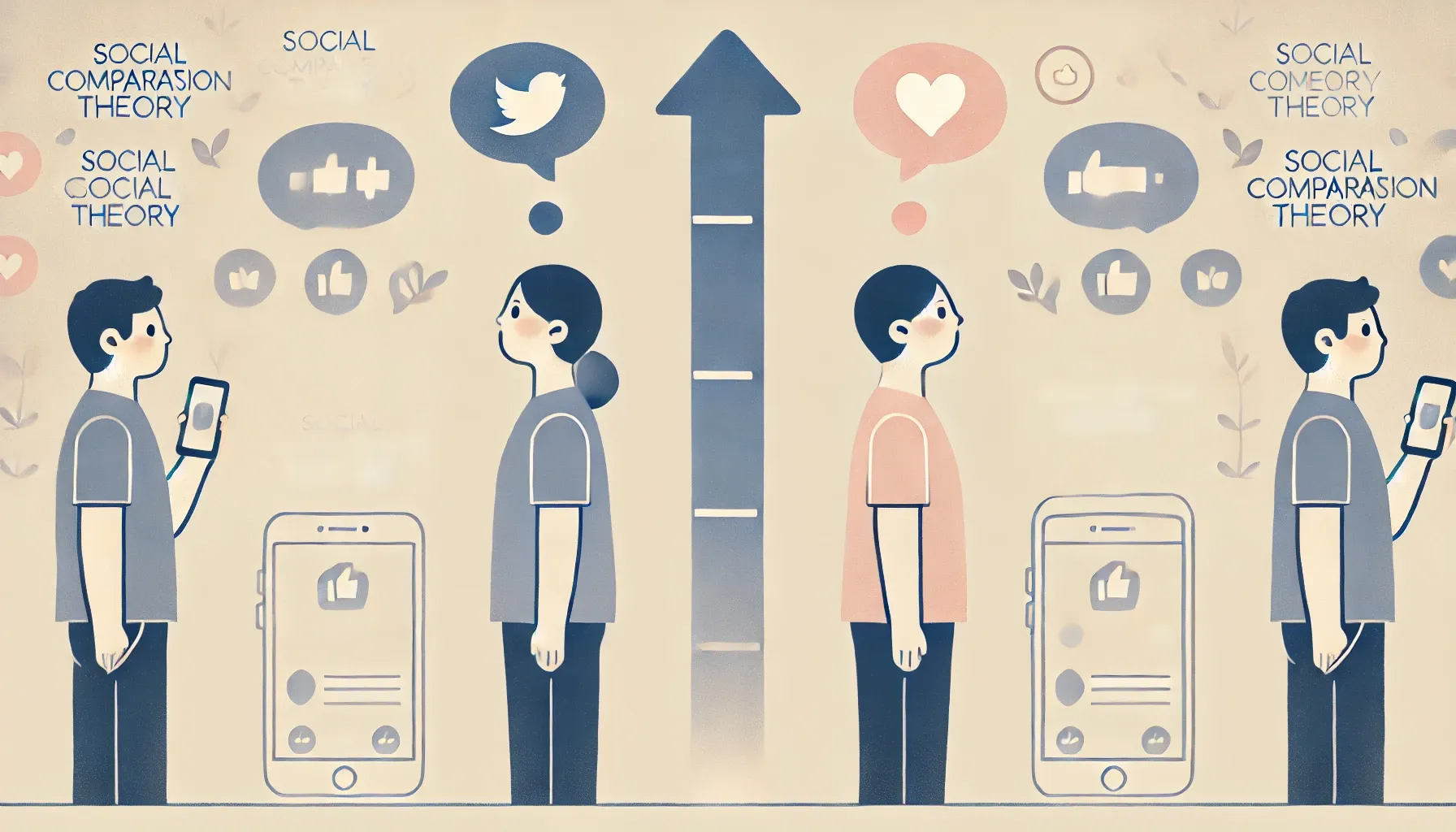
Everyone’s feed is a perfectly staged sequence of ‘highlight reels.’ We are no longer comparing ourselves to the kid next door but constantly comparing ourselves to the successes, wealth, and happiness exhibited by thousands of ‘friends’ and influencers.
Fear Of Missing Out
Before long, you can fall into chronic feelings of inadequacy and the ‘fear of missing out (FOMO)’. There’s even talk of ‘caffeine depression’ named after the initials of KakaoStory, Facebook, Instagram. Sheesh…
Third-party comparison is doubly dangerous for our minds. First, the comparison itself deals a direct blow to self-esteem. Second, it teaches the harmful mindset that ‘my value is determined by rank competition.’ The comparison framework injected by parents in childhood becomes internalized and turns into a lifelong habit of putting oneself on others’ scales even as an adult. That whisper in our heads saying “You are not enough” — might it have started from someone else’s voice? It’s a sad thought.
3. How much are you affected by comparison?
Not everyone is affected by comparison equally. Some people remain unmoved by others’ success, while others crumble from even small comparisons. This difference comes from a personality trait called the ‘Social Comparison Orientation (SCO)’.
‘Social Comparison Orientation (SCO)’
Diagnose your comparison disease: Social Comparison Orientation self-test
Want to gauge your tendency? Here are 10 items based on the Iowa-Netherlands Comparison Orientation Measure (INCOM). Rate how much you agree on a scale from 1 (strongly disagree) to 5 (strongly agree).
I often wonder how other people live.
In social situations, I frequently compare how well I am doing relative to others.
If I did something well, I want to know how well others did.
I always like comparing other people’s behavior with my own.
I always like comparing other people’s opinions with my own.
I am not very interested in what happens in other people’s lives. (reverse-scored)
I am not the type of person who often compares myself to others. (reverse-scored)
I pay a lot of attention to comparing how I do things with how others do them.
I often wonder how my opinions differ from other people’s opinions.
I never compare myself to others. (reverse-scored)
(For items 6, 7, and 10, reverse the scoring: 5→1, 4→2, etc., then calculate the total score.)
Understanding your Social Comparison Orientation
Okay, you calculated your score, right? (Don’t forget reverse scoring!)
Use your total to understand your tendency with the table below. It’s not just a simple score — it will help you understand your patterns of behavior and emotion.
Trait
High Social Comparison Orientation (High SCO)
Low Social Comparison Orientation (Low SCO)
Self-evaluation
Heavily depends on external standards and others’ achievements to judge self-worth.
Relies more on internal standards, past self, and personal values.
Emotional response
Prone to jealousy, regret, low self-esteem, and anxiety especially during upward comparison.
Less emotionally stirred by others’ successes or failures; more stable.
Decision-making
High uncertainty. Tends to check what others are doing or thinking before making choices.
More confident in one’s opinions and choices.
Focus of attention
Focused on external things like others’ status, possessions, achievements.
Focused on internal things like personal growth, goals, experiences.
Vulnerability
More negatively affected by comparison pressure from social media and advertising.
More resilient to social pressure and curated online realities.
Getting a high score isn’t a reason to despair! It’s just important to notice, “Ah, I have this tendency.” Recognizing your tendency clearly is the most important driving force for change.
4. Accepting reality as it is
The journey out of the disease of comparison begins with ‘accepting reality as it is.’ But that does not mean passively admitting your shortcomings.
On the contrary, it means actively recognizing that the ‘reality’ we use as comparison — other people’s lives — are actually well-edited illusions. The first step is, please, stop comparing your ‘behind-the-scenes’ to someone else’s ‘highlight reel.’
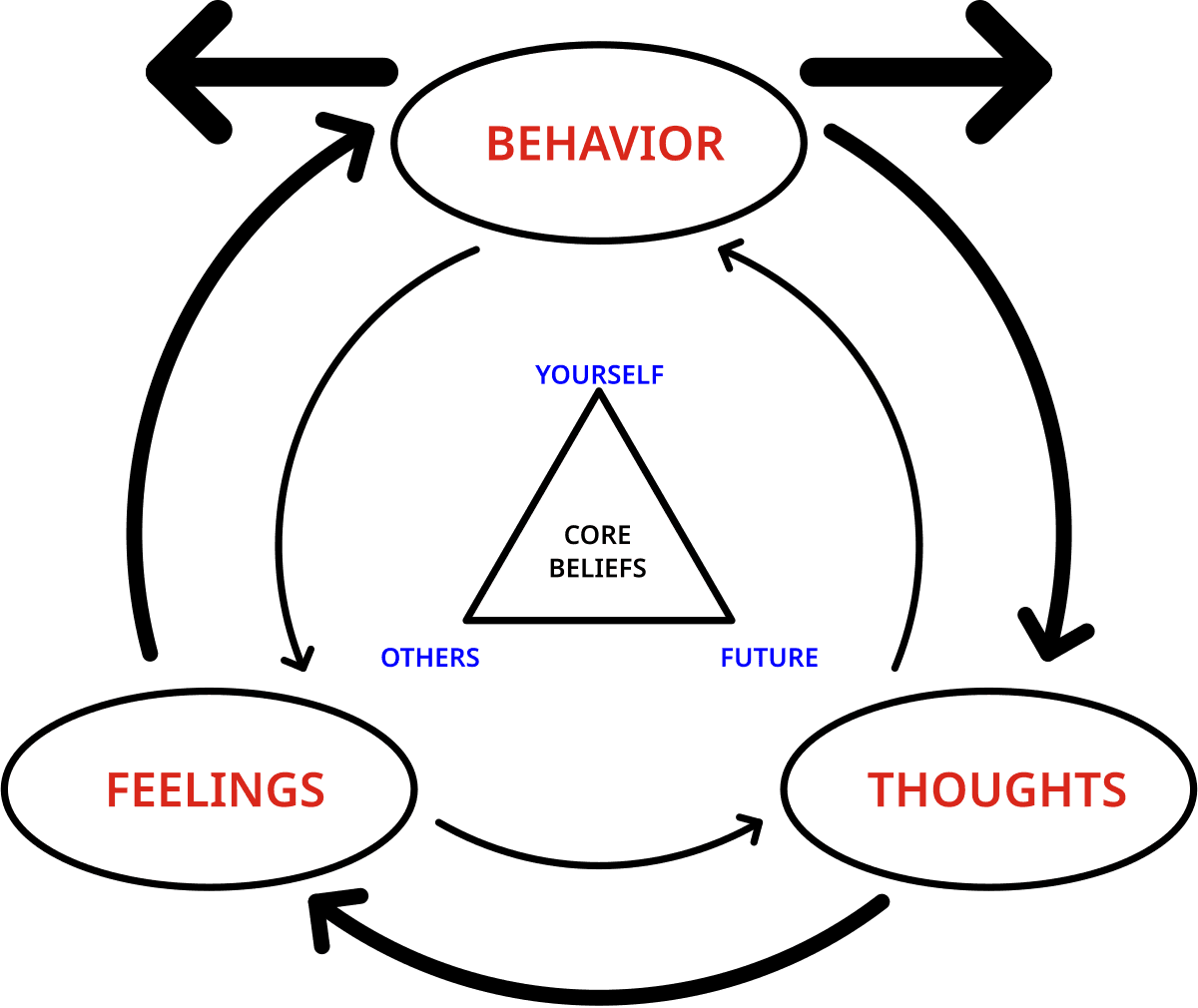
Cognitive restructuring: become the detective of your own mind
Cognitive Behavioral Therapy (CBT) offers a powerful set of tools to challenge the automatic negative thought patterns that cause the pain of comparison. A method I often use: when the feeling of comparison surges, interrogate your thoughts with the following questions.
Check the evidence: “Wait. What concrete evidence supports my thought that I’m ‘falling behind’? Am I comparing my worst moments to their best?”
Find alternative explanations: “Is there another way to interpret this situation? What unseen struggles might they be facing?”
Stop catastrophic thinking: “If they are more successful than me in this area, what’s the worst that could happen? Am I going to die because of it?”
Think goal-oriented: “Is this comparison helping me reach my goals, or is it just making me miserable?”
Cognitive Behavioral Therapy (CBT)
Change the rules of the game: the power of intrinsic motivation
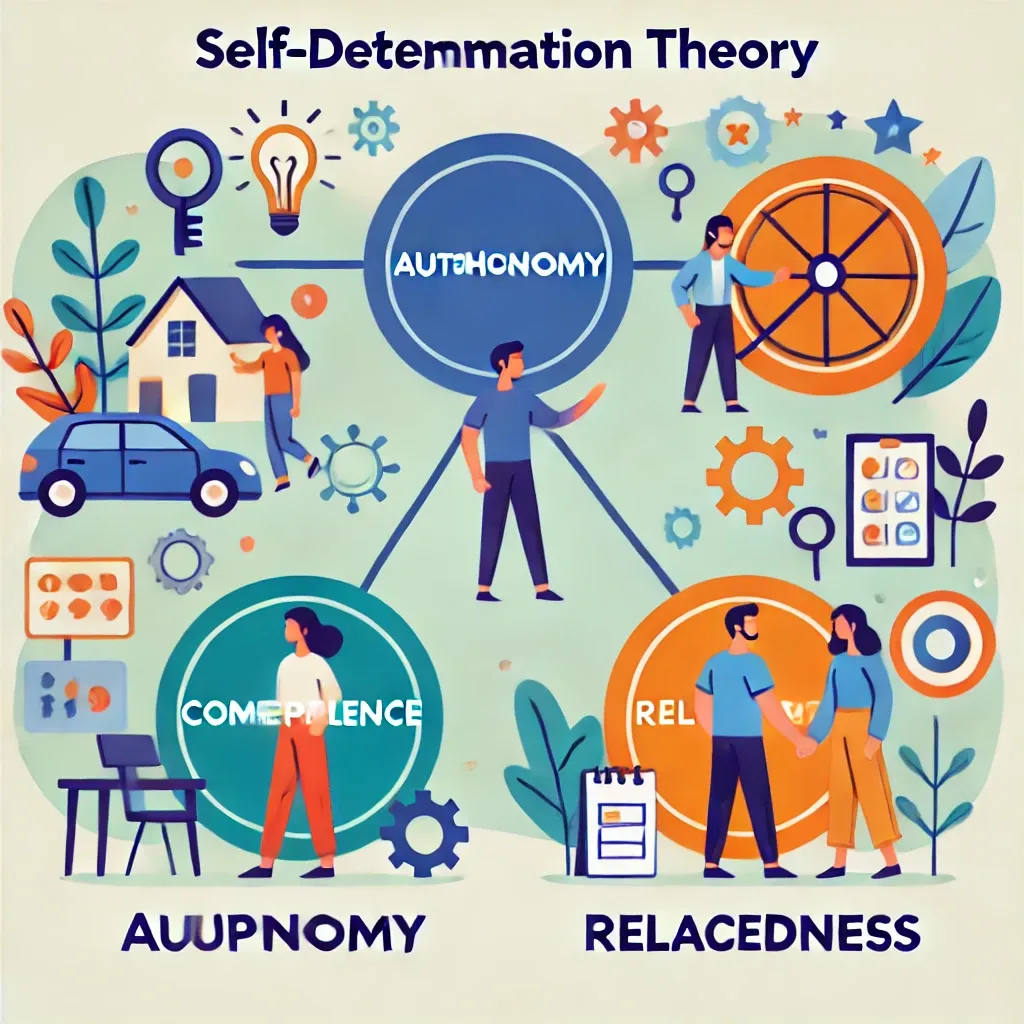
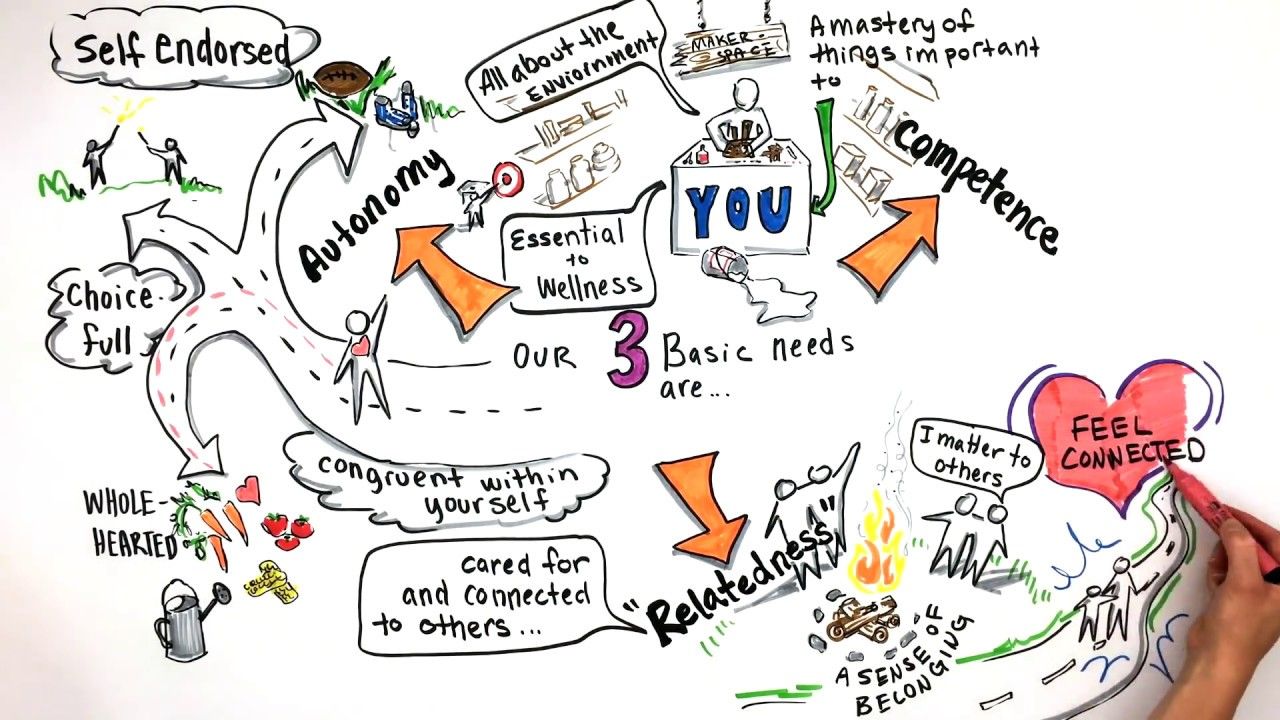
Beyond these immediate coping strategies, fundamental change requires redefining the nature of the goals we pursue — changing the game’s rules. Self-Determination Theory categorizes goals into two types.
Self-Determination Theory
Extrinsic Goals: Goals based on external recognition or rewards such as wealth, fame, appearance, and social status. These inherently provoke comparison and erode happiness.
Intrinsic Goals: Goals that bring satisfaction from the activity itself, like personal growth, contributing to the community, and forming meaningful relationships. These are deeply personal and increase well-being.
The ultimate meaning of ‘accepting reality’ is to step away from a reality defined by extrinsic values and choose and create a new reality based on intrinsic values. In that reality, only yesterday’s you is your competitor.
Thus, solutions to comparison disease work on multiple levels. CBT techniques are immediate prescriptions for managing the painful thoughts (symptoms) caused by comparison, while shifting life toward intrinsic goals reduces the factors that trigger comparison — a fundamental therapy. Effective healing happens when you learn to think differently and simultaneously practice living differently.
5. For you, who has the disease of comparison
Beyond theoretical understanding, you need concrete practices to fight comparison in daily life. Here are three layered defense systems to build mental immunity against the habit of comparison.
Practice 1: The antidote for emotions — Self-compassion
Self-Determination Theory
Psychologist Kristin Neff says ‘self-compassion’ is the most direct antidote to the shame and self-criticism that follow upward comparison. Self-compassion consists of three components.
Self-Kindness: When you fail or feel lacking, instead of insulting yourself “You idiot!”, treat yourself warmly like a good friend: “It’s okay, that can happen.”
Common Humanity: Recognize that suffering and imperfection are not just your problem (‘Why am I the only one like this?’) but a universal human experience (‘Everyone goes through this; it’s part of being human’).
Mindfulness: Notice and observe painful emotions without being overwhelmed or over-identifying with them — “Ah, my heart hurts because of comparison right now.”
When comparison makes you miserable, pause and practice a ‘self-compassion break.’ Place a gentle hand over your chest and say: “Ah, my heart hurts now” (awareness), “Feeling inadequate is part of being human” (common humanity), “In this moment, I will allow myself kindness” (self-kindness). It really, really works.
Practice 2: Rewiring neural circuits — Gratitude journaling
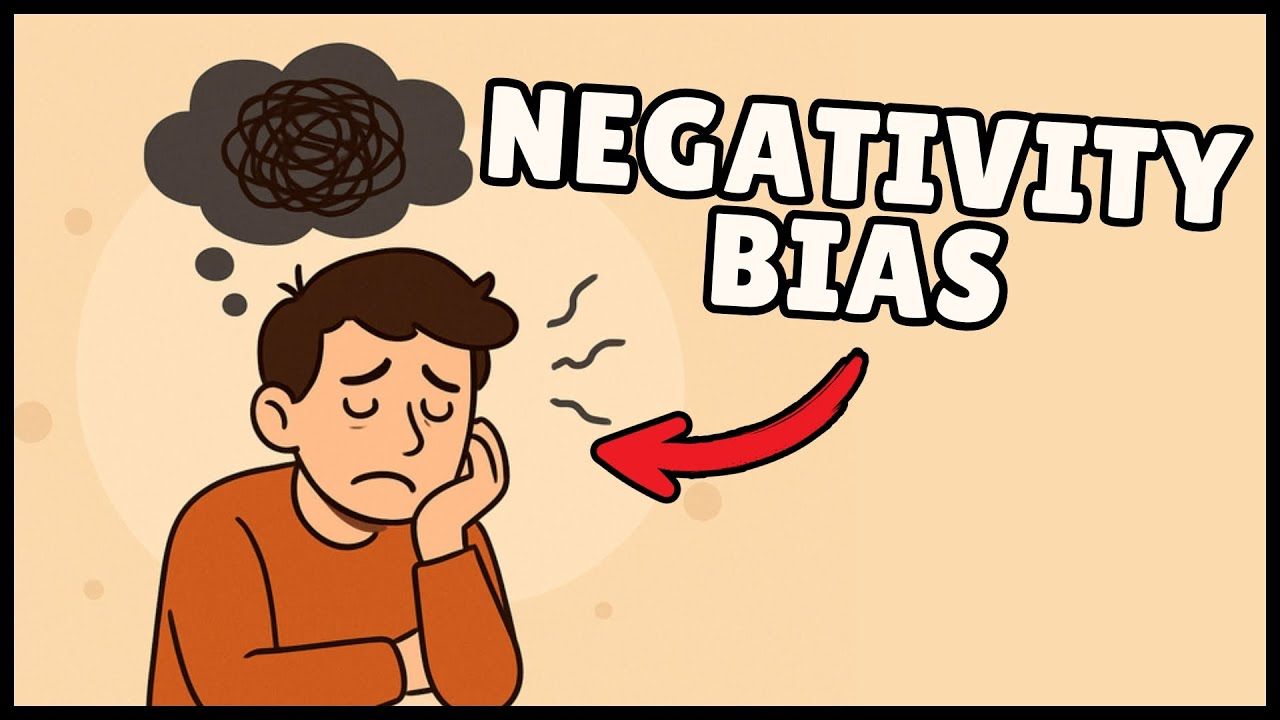
Our brains evolved to respond more strongly to negative information than positive for survival. This is called the ’negativity bias.’
Negativity Bias
A gratitude journal is a practice that consciously goes against this brain default and trains neural circuits to focus on what we have. Research shows that consistent gratitude journaling reduces negative emotions, lowers stress hormone secretion, and improves overall well-being. It’s a powerful practice that converts the sense of ’lack’ central to comparison into a sense of ‘abundance.’
How to practice? Each night before bed, write 3–5 specific things you were grateful for that day. Rather than vague items like “family,” write specific moments such as “my partner made me a warm coffee this morning.” Adding why you’re grateful deepens the feeling of gratitude.
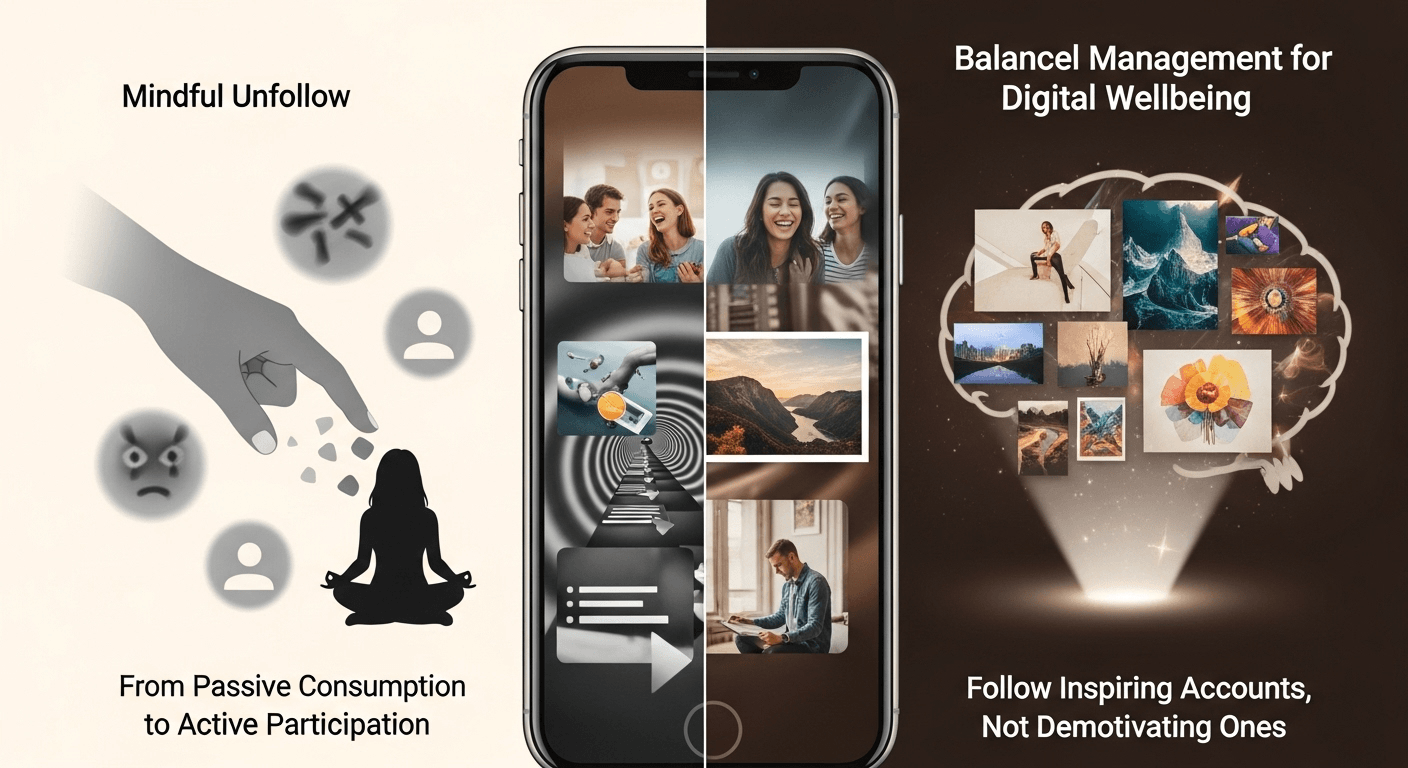
Practice 3: Environmental detox — Manage your digital world
Frankly, the biggest modern source of comparison is social media. Therefore, consciously managing your digital environment is an essential mental health practice.
Mindful unfollowing: Unfollow or mute accounts that continually make you feel inadequate or deprived, and regard this not as negative behavior but as essential ‘mental hygiene.’
Move from passive consumption to active participation: Instead of mindlessly scrolling strangers’ highlight reels, use social media for purposeful activities like engaging with real friends or learning new skills.
Follow accounts that inspire, not shrink you: Actively seek and follow accounts that align with your intrinsic goals and values and genuinely provide learning and inspiration.
Manage your digital world
Conclusion: Write your own score
We began with the story of Salieri suffering from lifelong jealousy of Mozart.
But do you know? The historical truth differs from that dramatic tale. The real Mozart and Salieri respected each other as colleagues and even collaborated on a cantata. The depiction of them as fated rivals and enemies was a ‘fictional narrative’ created by later generations long after their deaths.
I think this is the most powerful metaphor for comparison disease.
Just as the catastrophic rivalry that destroyed Salieri was actually a ‘fiction,’ the ‘perfect lives’ of others that cause us agony are mostly fabrications. The pain comes from believing those fictions are truth.
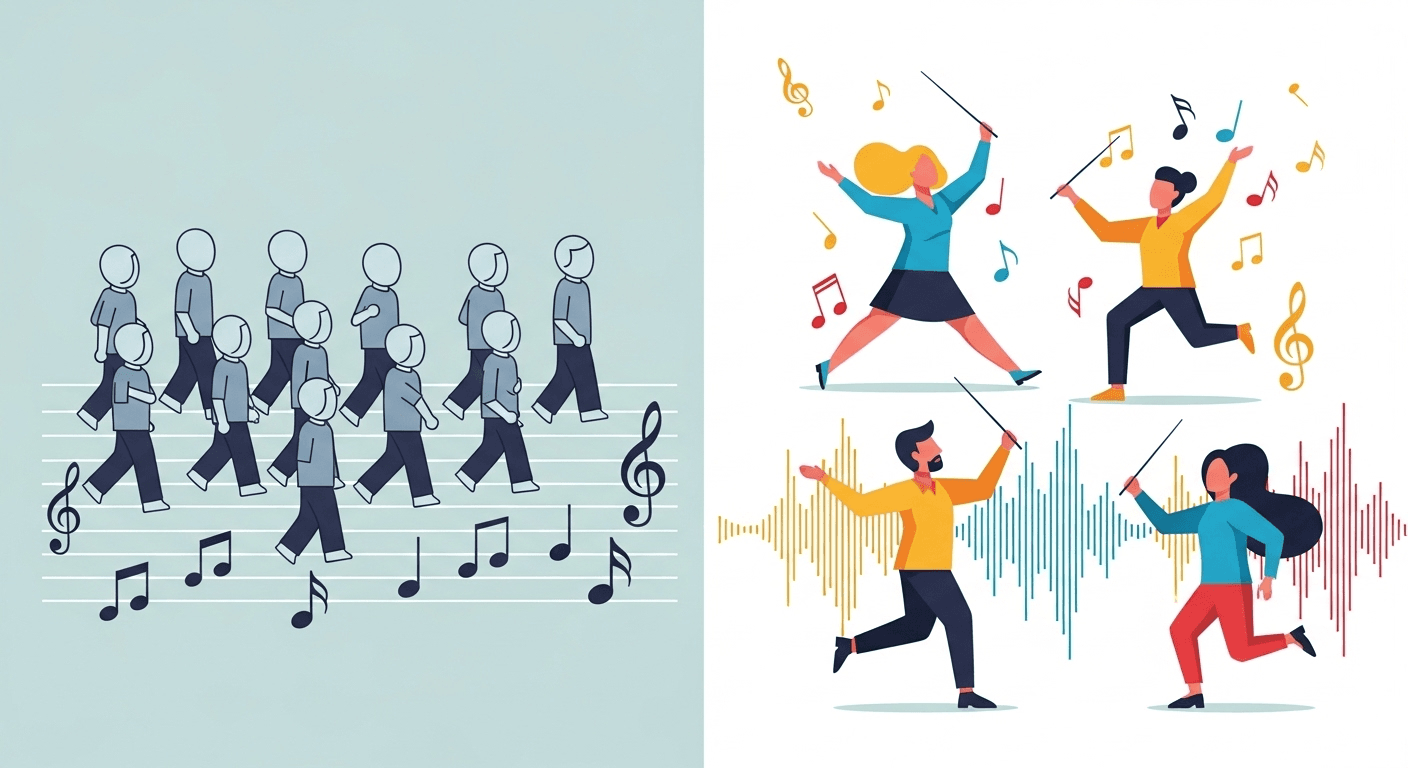
Life played to the fictional score of comparison vs. conducting your own unique piece
Now it’s time to choose.
Will you play your life to the fictional score of comparison written by society, parents, or social media algorithms and suffer?
Or will you take the baton of your life into your own hands and compose your own unique piece, even if it contains dissonance and clumsy parts?
When you break the scales of others and write your own score, you can finally escape the pain of comparison and play the truly fulfilling melody of your life.
References
Mozart VS Salieri (Post and People)
Smart Mistakes You Didn’t Know You Were Making (Arthur Freeman, Rose Dwalf | Aladin)
[eBook] Smart Mistakes You Didn’t Know You Were Making (Arthur Freeman | Apple Books - Yes24)
Social Comparison Theory (Wikiwand)
Leon Festinger (Wikipedia)
Social comparison theory (Wikipedia)
Social Comparison Theory (Wikipedia)
The Impact of Social Comparison on Mental Health (Grand Rising Behavioral Health)
Social Comparison Theory in Psychology (Verywell Mind)
Examining social anxiety and dual aspects of social comparison orientation: the moderating role of self-evaluation of social skills (Frontiers)
The relationship between social comparison orientation and subjective well-being: The moderated mediation effect of self-concept clarity and public self-consciousness* (OAK)
‘Eomchinha, eomchinddal … the violence hidden in those words’ [How to counsel my child] (The SCoop)
The society compared to ’eomchinha’ and ’eomchinddal’ (Health Kyunghyang)
Born a penguin but pressured to become a giraffe by parents — children who are frequently compared (Psychiatry Newspaper)
[Paper] The effect of parent-child communication on the formation of children’s self-esteem (ScienceOn)
[Naeoe Shinmun] Does parents’ anxiety determine a daughter’s life? (Naeoe Newspaper)
The impact of upward comparison experiences on social media on depression (OAK Jeju University)
Understanding social comparison on social media (The Jed Foundation)
The effect of college students’ social comparison orientation on SNS addiction mediated by self-esteem (Journal of Community Nursing)
Development and validation of the Korean version of the BeMaS Envy Scale (BeMaS Envy Scale)
[Paper] Intention to discontinue SNS use from the perspective of social comparison theory (KISTI)
Cognitive behavioral techniques: tools for reconstructing thought patterns (FocusBox)
Subtechniques of CBT (Knowledge Repository Tistory)
Self-Determination Theory (Wikipedia)
The relationship between intrinsic/extrinsic life goals, basic psychological needs, and well-being in elementary students (OAK National Repository)
2D. Learning motivation (Namuwiki)
Be kind to yourself: the power of self-compassion | Self-development (Harvard Business Review)
Validation study of the Korean version of the Self-Compassion Scale for adult women living in communities (Self-Compassion.org)
[Mental Health Column May] Self-compassion and solidarity (Asan Medical Center)
Scientific effects of gratitude journaling — why gratitude changes life (Mabo Blog)
The surprising benefits of ‘being grateful’ and how it’s helpful (HiDoc)
Does writing a gratitude journal really change things? Experience and science (Mr. Self-Care)
Scientific effects of gratitude journals and writing methods (Meta Research Institute CEO Choi Sang-yu - YouTube)
Don’t write a gratitude journal if you don’t know why you’re writing it (Distancing)
Considering how the movie Amadeus portrayed it, what was the relationship between Mozart and Salieri, and is it likely Salieri really murdered Mozart? (Reddit r/classicalmusic)
Mozart and Salieri were “friends, not rivals” (Hankook Ilbo)