
The Two Peaks Before You
As an old captain who has navigated the sea of investments for a long time, I always see two massive mountains before me.

The first mountain is a very steep and rugged peak called ‘The Path to Becoming Wealthy’. All the cameras in the world shine on those who climb this mountain. The stories of young geniuses who became millionaires overnight and heroes who wrote myths through bold challenges excite our hearts and make us dream the sweet dream of ‘I can be like that too!’
However, I have long gazed at the second mountain beside it, which is higher and harder to climb. This mountain is called ‘The Path to Staying Wealthy’. It is not glamorous. Even if you reach the summit, no one may applaud you. Rather, it demands endless patience and humility, and it may be a bit of a boring and lonely road.
Isn’t it strange? Countless people conquer the first mountain and shed tears of joy, but those who reach the summit of the second mountain are truly few and far between. Why is that? Because ‘becoming wealthy’ and ‘staying wealthy’ require completely different skills and mindsets. The former is a sprint, while the latter is like an endless marathon.
This story is a long conversation about that second mountain, ‘How to Stay Wealthy.’ I cannot give you a secret map to become a sudden millionaire. Instead, I want to share realistic wisdom on how to protect, grow, and ultimately become the master of the wealth you have carefully built over your lifetime, living a free life.
Chapter 1: The Most Powerful and Boring Magic, Compound Interest
Warren Buffett famously said, “Compound interest is like rolling a snowball.” Isn’t it wonderful to imagine a small snowball rolling down a hill and growing huge? But we often forget how big that snowball can get and how ‘boring’ the process can be.
The Miracle of 1 Won, Our Illusion
Here’s a very interesting proposition. You can choose one of the two:
- Option A: Receive 1 billion won in cash right now.
- Option B: Receive 1 won today and double the amount received the previous day every day for 30 days.
Most people would probably choose 1 billion won without hesitation. They might think, how could I ever accumulate 1 billion starting from 1 won? But the result completely betrays our imagination.

- Day 10: Just 512 won
- Day 20: About 520,000 won
- Day 30: About 5.37 billion won
Can you believe it? That insignificant 1 won became over 5.37 billion in just one month. What’s even more surprising is that most of the total amount was created in the last few days. This is the magic of compound interest. Our brains are accustomed to steady accumulation, but compound interest replicates itself and increases explosively, making it intuitively difficult to understand.
The Real Secret of Warren Buffett
People call Warren Buffett a ‘genius of investing’ and wonder about his secrets, but the real secret behind his wealth might be very simple. It’s simply ’time.’

He started investing in his teens and has not left the market for over 80 years. More than 95% of his wealth has reportedly grown after the age of 65. If he had started like everyone else in his 30s and retired in his 60s, we would not remember his name.
This tells us a very important fact. The key to successful investing is not ’the highest return,’ but rather ‘surviving in the market long enough to give compound interest time to work.’
Why Can’t We Roll the Snowball?
The theory is perfect, but why can’t we enjoy the benefits of compound interest in reality?
- Impatience: We can’t wait 30 days and want 5.3 billion in just 3 days. We can’t endure the slow initial growth and search for more thrilling methods.
- Frequent Trading: We want to sell as soon as the stock price rises a little, and we panic and throw it away as soon as it drops a bit. This is like stopping the magic spell ourselves. It’s like constantly stopping a rolling snowball.
- The Illusion of ‘One Big Win’: We risk everything in dangerous places, falling for the whisper of “This time is different.” It’s a dangerous gamble that throws a well-rolling snowball off a cliff.
If you want to experience the true magic of compound interest, you must learn to endure ‘waiting’ and ‘boredom.’ If you have bought good assets, just live your daily life quietly. Even while you sleep, your money will be compounding itself and creating a huge snowball.
Chapter 2: The Path to Staying Wealthy, The Great Skill of Survival
There may be thousands of ways to become wealthy in the world. But there is only one way to stay wealthy: ’not going broke.’ This does not simply mean not losing money in a passive sense. It means having an active survival strategy that ensures you survive any storm and never miss the opportunity for the snowball of compound interest to keep rolling.
The Tragedy of Genius: The Lesson of Jesse Livermore
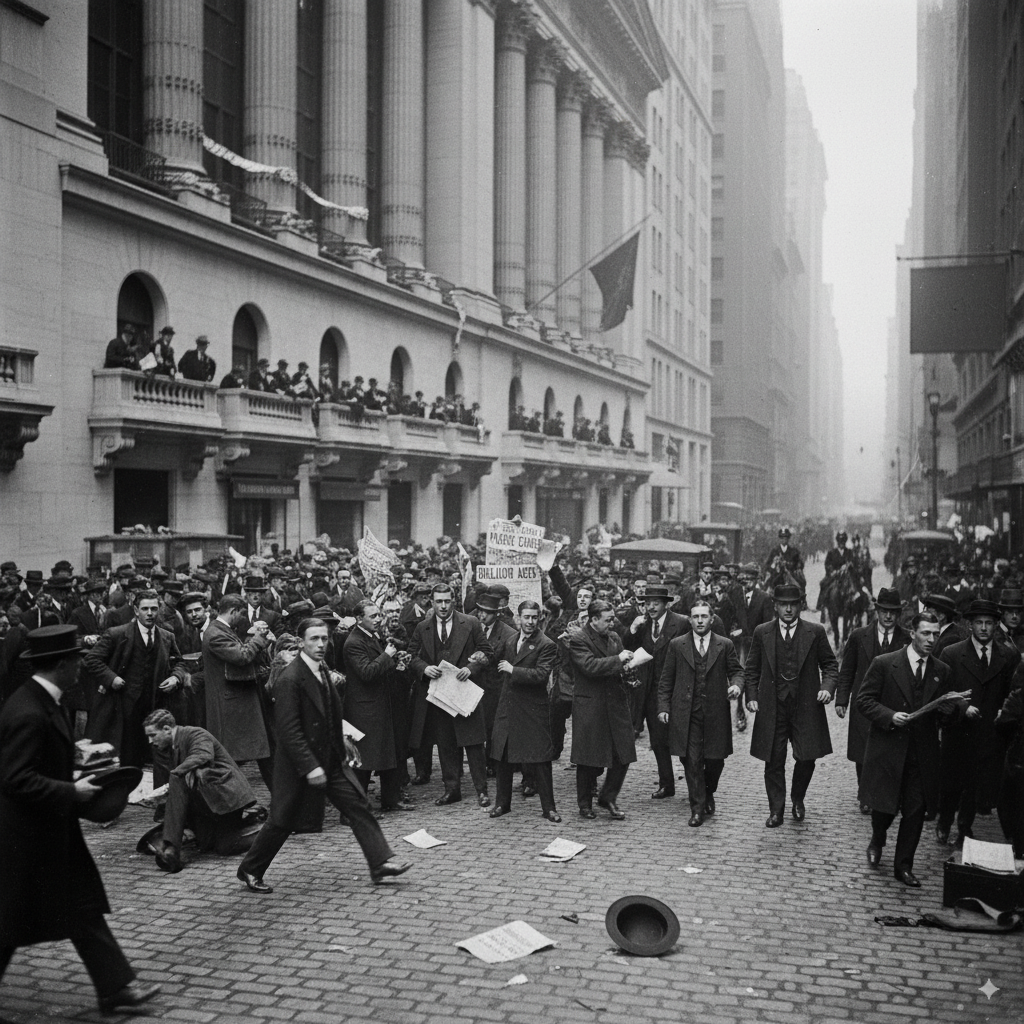
In the early 20th century, there was a legendary genius trader named Jesse Livermore on Wall Street. He predicted the Great Depression of 1929 and made a fortune. However, his end was tragic. He lost all the money he made and ended his life with a gun.
What led this genius to ruin? It was ’leverage (debt)’ and ‘hubris.’ He always bet everything, and with just one failure, he lost it all. He knew how to become wealthy but did not know how to stay wealthy.
No matter how many times you make a 50% return in a row, if you lose 100% in the last one, everything becomes zero. Survival always comes before returns.
The Secret of Unshakable Comfort
So how can we survive? We need the wisdom to create a ‘buffer zone’ that can withstand unexpected misfortunes.
- Hold Cash: When the market is gripped by fear, cash is king. It’s a magical ticket that allows you to buy good assets at bargain prices and a lifeline that prevents you from selling valuable assets at low prices when you find yourself in a tough situation.
- Diversify Your Eggs: No matter how certain it seems, don’t put everything in one place. A well-diversified portfolio is the best shield against sleepless nights.
- Be Humble: No one knows the future. Always keep the possibility that you could be wrong open and prepare for the worst. The belief that “I will never go broke” is the most dangerous.
The path to staying wealthy is not a thrilling adventure. Rather, it is a path that is boringly calm. Instead of dreaming of becoming a sudden millionaire, the wisdom of choosing to sleep peacefully at night is the essence of the skill of staying wealthy.
Chapter 3: The End of Arrogant Geniuses Who Try to Fight the Market
“This time is different.” They say there’s no phrase more dangerous in the world of investing. The human instinct to want to predict the future can sometimes lead us to ruin.
Smart Fools: The Lesson of LTCM
In 1994, Wall Street was excited about the hedge fund Long-Term Capital Management (LTCM), created by a ‘dream team’ that included Nobel Prize-winning economists. They analyzed the market with sophisticated mathematical models that no one could replicate and recorded astonishing returns of over 40% annually.

They believed their model was perfect and claimed the probability of a significant loss was “virtually zero.” However, in 1998, an unexpected event—the Russian debt default (a black swan)—occurred, and their perfect model collapsed in an instant. They were on the brink of bankruptcy within weeks, threatening the entire global financial system.
Even the smartest people in history were powerless in the face of the market’s unpredictability. The cost of arrogance in thinking you can beat the market was too great.
How to Dance with the Capricious Friend, ‘Mr. Market’
Investment sage Benjamin Graham compared the market to ‘Mr. Market,’ a bipolar patient. Some days he is incredibly happy and urges you to buy stocks at ridiculous prices, while on other days he is in despair, wanting to sell stocks at rock-bottom prices.
What we need to do is not get swept away by his moods but take advantage of his offers only when they are favorable to us. However, most people engage in emotional battles, laughing and crying along with him.
Instead of trying to beat the market, make the market’s whims work in your favor.
- Regular Investment (Dollar-Cost Averaging): By investing steadily every month, you will naturally buy less when prices are high and more when prices are low, thus lowering your average purchase price.
- Rebalancing: Regularly adjust your asset allocation. If stocks rise too much, sell some to buy bonds. This is a wise strategy that naturally leads you to sell high and buy low.
When you stop the arrogant challenge of trying to beat the market and adopt the humble posture of a surfer riding the market’s waves, you can finally reach your destination.
Chapter 4: A Map of Wealth for the Four Seasons of Life
Managing money is not a sprint; it is a long journey that continues from birth to death. Just as the scenery changes with the seasons of life, our wealth strategies must also change.
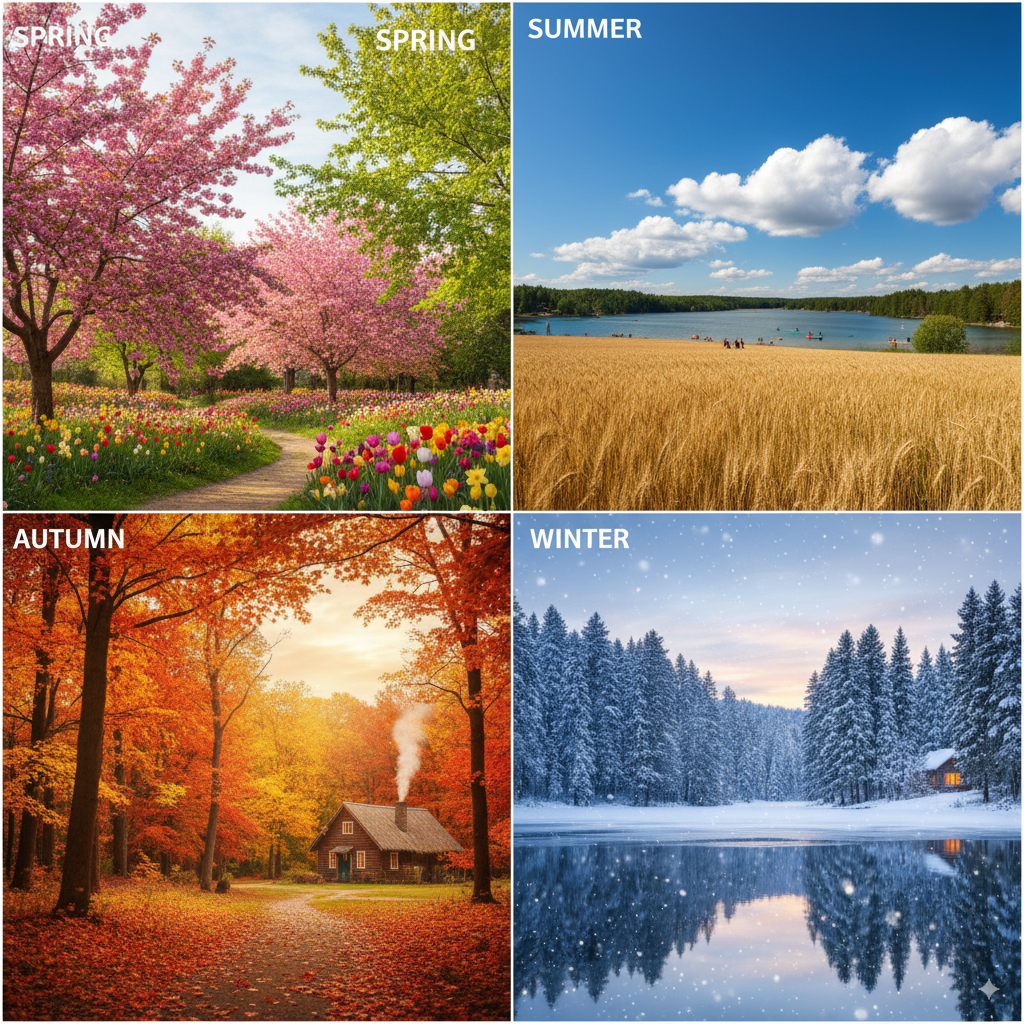
Stage 1: 20s (Sowing Period) - The Most Powerful Weapon, Time 🌱
In your 20s, you may have little money, but you possess the most powerful weapon: ’time.’
- Best Investment: It’s ‘yourself.’ Increasing your value (income) is the best financial strategy.
- Strategy: Don’t be afraid of failure; invest aggressively. Develop the habit of consistently putting a portion of your salary into ETFs that invest in quality companies worldwide.
- Biggest Enemies: ‘Bad Debt’ and ‘Spending Habits.’ Always remember ‘save first, spend later.’
Stage 2: 30-40s (Growth Period) - Growing Trees Amidst Temptations 🌳
This is a time of significant life events, such as increasing income and starting a family.
- Core Task: Start seriously growing your seed money and set specific goals like ‘buying a home’ and ‘children’s education.’
- Strategy: Continue to focus on growth but gradually increase the proportion of stable assets (60-70% in stocks).
- Number One Risk: ‘Lifestyle Inflation.’ If you increase your spending as your income rises, you will forever live as a slave to money. Use the increased income to raise your savings/investment ratio.
Stage 3: 50-60s (Harvest Period) - Wisdom of Preservation and Reaping 🍂
This is the time when retirement is approaching. Now, ‘preserving and spending’ is more important than ’earning.’
- Core Task: Focus on safely preserving your assets and creating cash flow for retirement.
- Strategy: Reduce the proportion of risky assets (below 40%) and increase the proportion of income-generating assets like dividend stocks or rental properties.
- Biggest Risks: ‘Children’s Risks’ and ‘Financial Scams.’ Retirement funds should never be compromised under any circumstances.
Stage 4: 70s and Beyond (Mature Period) - Time for Sharing and Dignity ❄️
This is the time to enjoy the fruits of a lifetime of effort and live a peaceful life.
- Core Task: Maintain a dignified life within a planned budget and prepare for a beautiful conclusion.
- Withdrawal Strategy: Refer to the ‘4% Rule’ to withdraw about 4% of your retirement funds annually for living expenses to manage your assets so they do not deplete too quickly.
- Beautiful Conclusion: You need the wisdom to prepare in advance how to share the wealth you have accumulated throughout your life, reflecting your philosophy.
What Does Your ‘Wealth’ Look Like?
We have traveled together on the two mountains of ‘The Path to Becoming Wealthy’ and ‘The Path to Staying Wealthy.’ Ultimately, the question we face at the end of all this is:
“What does money mean to you, and what kind of life do you want to live through money?”
For some, wealth may be a symbol of success, while for others, it may be the freedom to spend time with loved ones. For someone else, it could be a tool to change the world.
At the summit of ‘The Path to Staying Wealthy,’ it is not just money that accumulates. There, you will find ‘peace of mind’ gained after long patience, ‘self-discipline’ that has overcome numerous temptations, and ‘wisdom’ that humbly accepts the future.
Now it’s time to establish your own ‘principles of wealth.’ Draw your own map according to the life you desire in your heart. And walk that path quietly and steadily.
At the end of that path, you will encounter true abundance that cannot be expressed in numbers. I envision you as the master of your money, fully enjoying the greatest gift of money: ‘freedom.’