
Hello, everyone! How many apps have you opened today? Ordering coffee through Coupang Eats, scrolling through YouTube Shorts on your way to work, and checking friends’ updates on Instagram Reels have become our everyday routine. But have you ever thought about the fact that all of this is like a play happening on a grand stage called ‘platforms’? Today, using the book ‘Reality Shock’ as a guide, we will explore what kind of future this massive flow dominating our lives will create as we turn to its last chapter.
First Stage: The ‘Platform Economy’ That Rules Without Ownership
The story begins with the ‘platform economy’. In the past, creating a car required a massive factory, and picking up passengers needed a taxi company. But what about now? The world’s largest transportation company, Uber, owns not a single car, and the world’s largest accommodation provider, Airbnb, has no properties of its own.
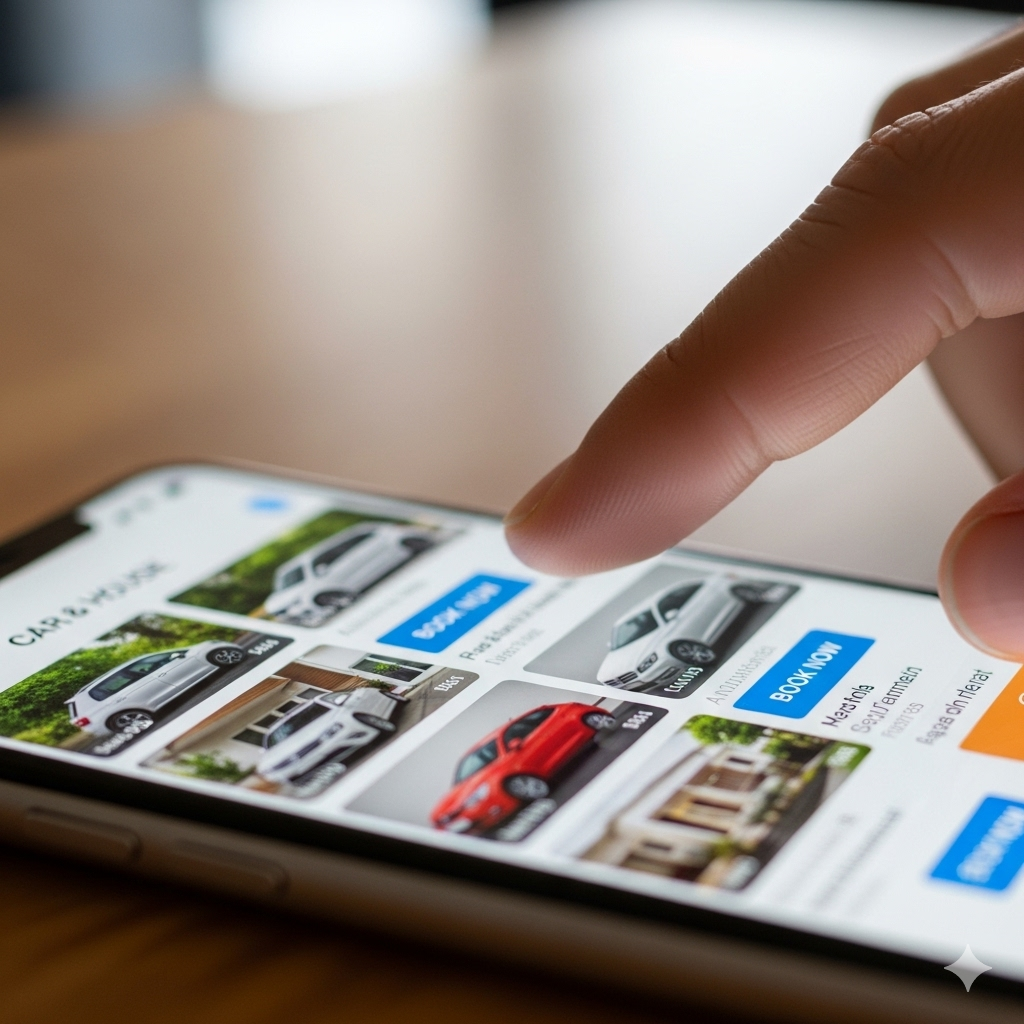
This is the magic of platforms. Instead of ‘products’ like cars or houses, they provide a marketplace, or platform, that connects drivers with passengers and homeowners with travelers. They generate enormous profits by taking commissions on all transactions that occur within it. YouTube operates similarly. It doesn’t create a single video itself but provides a stage for creators worldwide to upload videos and sells viewers’ time to advertisers. In this way, platforms have become a new power that ‘rules’ the entire market without ‘owning’ anything.
Second Stage: The ‘Emotional Economy’ Traded Through ‘Subscriptions’ and ‘Sponsorships’
With the glamorous stage of platforms set, a new product has emerged: our ’emotions’. While celebrities were once distant objects of admiration, today’s influencers penetrate deeply into their subscribers’ daily lives, selling intimacy.
Let’s recall the ‘back advertising controversy’ that once stirred South Korea. Many subscribers felt betrayed when famous YouTubers introduced products by saying, “I bought this with my own money,” only to find out it was an advertisement. This is because we were not watching their product reviews; we were consuming the emotions of ‘sincerity’ and ’trust’ they displayed. Additionally, Twitch’s ‘donations’ sent to game streamers and 1:1 paid messages shared with idols on the fan community platform ‘Bubble’ clearly show how emotions like sadness, joy, and comfort can be directly converted into monetary value. We are willingly opening our wallets to their emotional labor.
Third Stage: ‘Data Streams’ That Know Me Better Than I Know Myself
So, how do platforms accurately penetrate our emotions and convert them into money? The secret lies in ‘real-time data streams’, or algorithms. Every action we take while on a platform becomes data, serving as learning material for a massive AI.
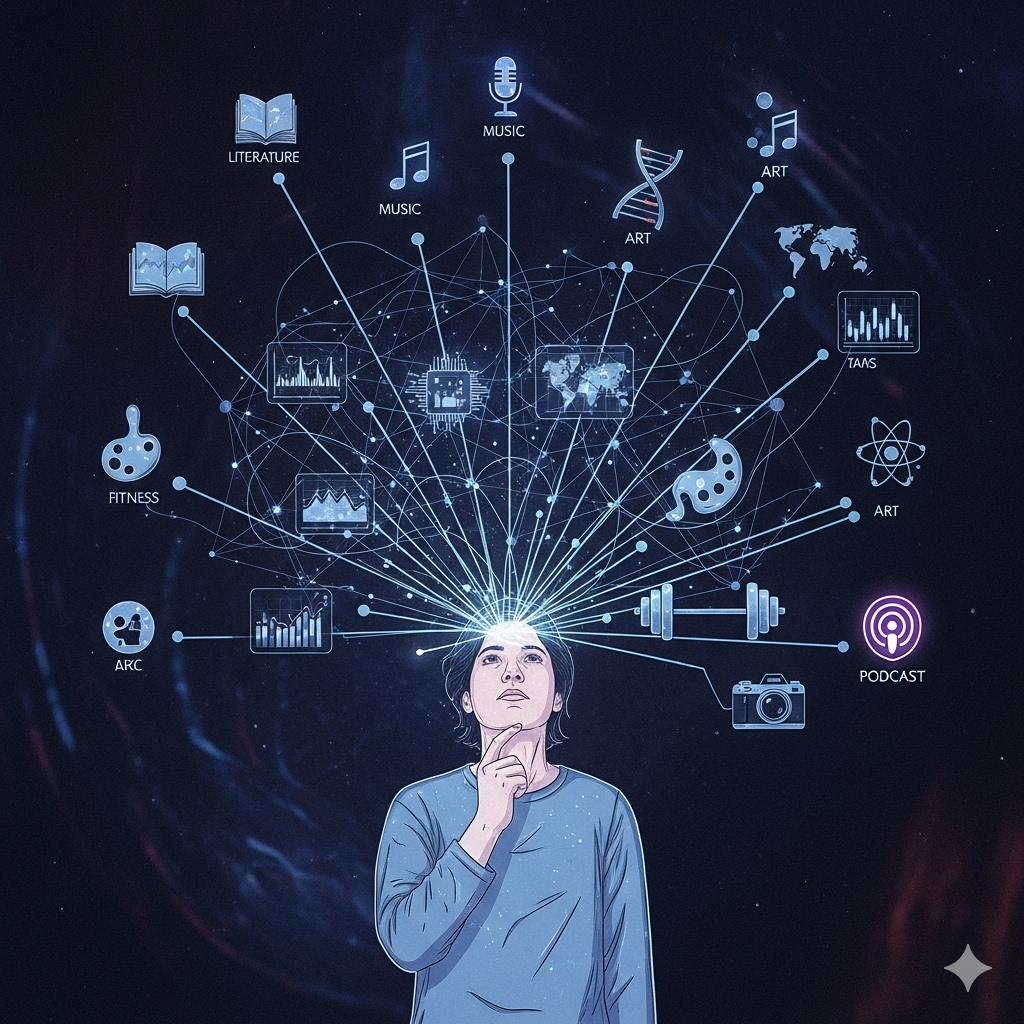
TikTok’s ‘recommended’ feed is a prime example. If you watch a dog video for three seconds longer or finish a specific dance challenge video, TikTok’s algorithm learns this immediately. The next moment, your feed is filled with cute dog videos and new dance challenges. Instagram’s ‘Explore’ tab works similarly. If you’ve recently searched for camping gear, your feed will soon be cluttered with camping site recommendations, outdoor clothing ads, and camping YouTubers’ reels. In this way, platforms recognize what we desire faster than we do and constantly bombard us with content and ads that stimulate those desires. We believe we are making free choices, but in reality, we are entrusting ourselves to a meticulously designed flow of data.
Fourth Stage: The ‘Virtual Economy’ That Overwhelms Reality
The convergence of platforms, emotions, and data has finally led us to the ‘virtual economy’. Now, the digital world has become not just a space that mimics reality but another reality with its own massive economic system.
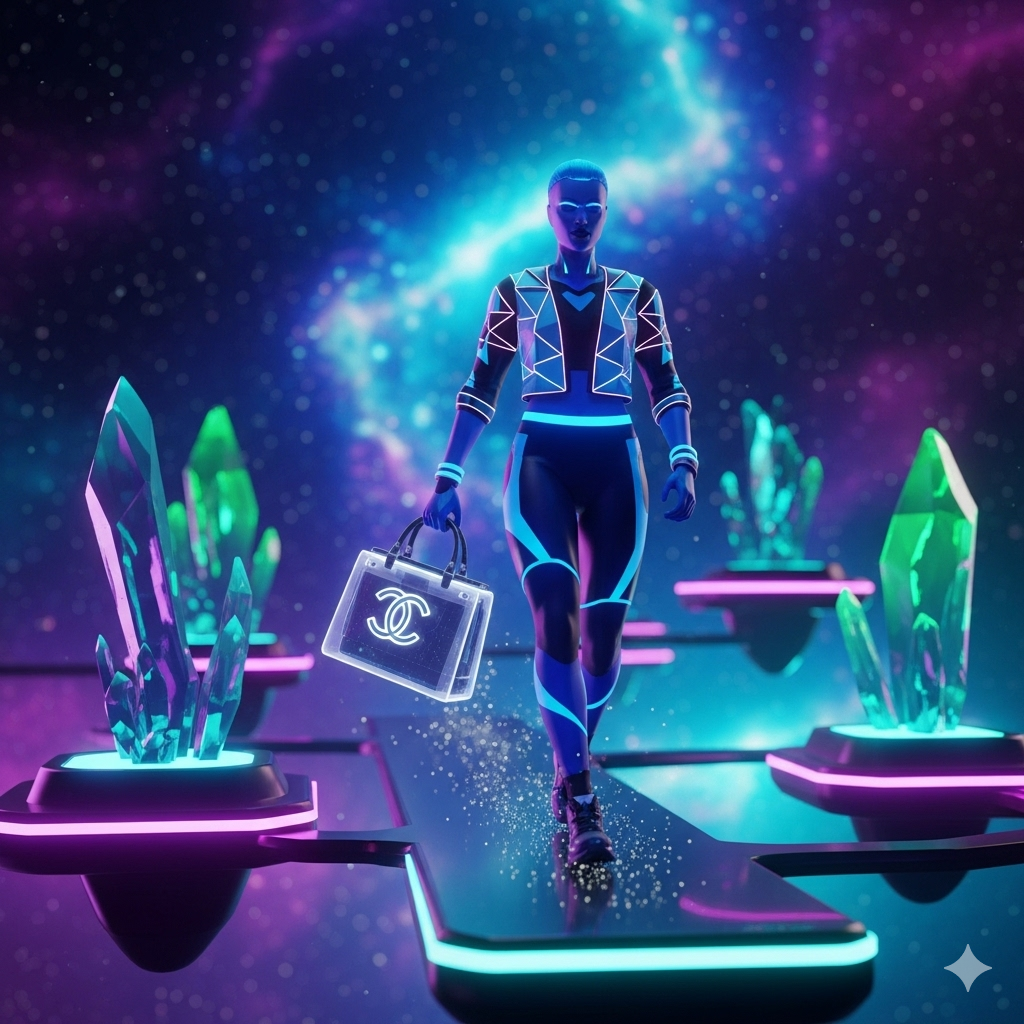
A representative example is what happened on the global metaverse platform ‘Roblox’. The luxury brand Gucci opened a virtual exhibition called ‘Gucci Garden’ on Roblox and sold limited-edition digital ‘Dionysus bags’ that avatars could wear. Surprisingly, this digital bag was sold at auction for about $4,115 (approximately 4.7 million won), a price higher than the actual bag’s retail price. Additionally, on Naver’s ZEPETO, users design and sell avatar outfits, earning virtual currency ‘Zem’ that can be exchanged for cash, allowing ‘item creators’ to make hundreds of thousands of won monthly. This strongly demonstrates that the desire for luxury ownership and creative activities in the virtual world are directly connected to the real economy.
Final Stage: The Future Society We Will Face
So, where will this massive flow lead our future? We can envision several changes.
First, the boundary between ‘work’ and ‘play’ will be completely blurred. As seen with people making a living through P2E (Play to Earn) games like ‘Axie Infinity’, future jobs may involve completing quests in the virtual world or enhancing the appeal of one’s avatar to gain influence. This will shake the concept of stable employment and accelerate the era of ‘individual entrepreneurs’ where everyone competes using their time, emotions, and data as capital.
Second, a time will come when it will be confusing to determine whether ’the real me’ or ’the virtual me’ is the true identity. My avatar with numerous followers on ZEPETO or Roblox may have more influence than my real self. People will express themselves more freely in the virtual world, transcending the physical limitations of reality, and invest more time and money in cultivating their digital identities.
Lastly, new forms of social inequality will emerge. While the past was divided between those who owned land or capital and those who did not, the future may become a society where a few ‘big tech’ companies that own platforms and data, along with ‘mega influencers’ with overwhelming influence, monopolize wealth and power. The majority may live by providing unstable digital labor within the flow of algorithms they designed.
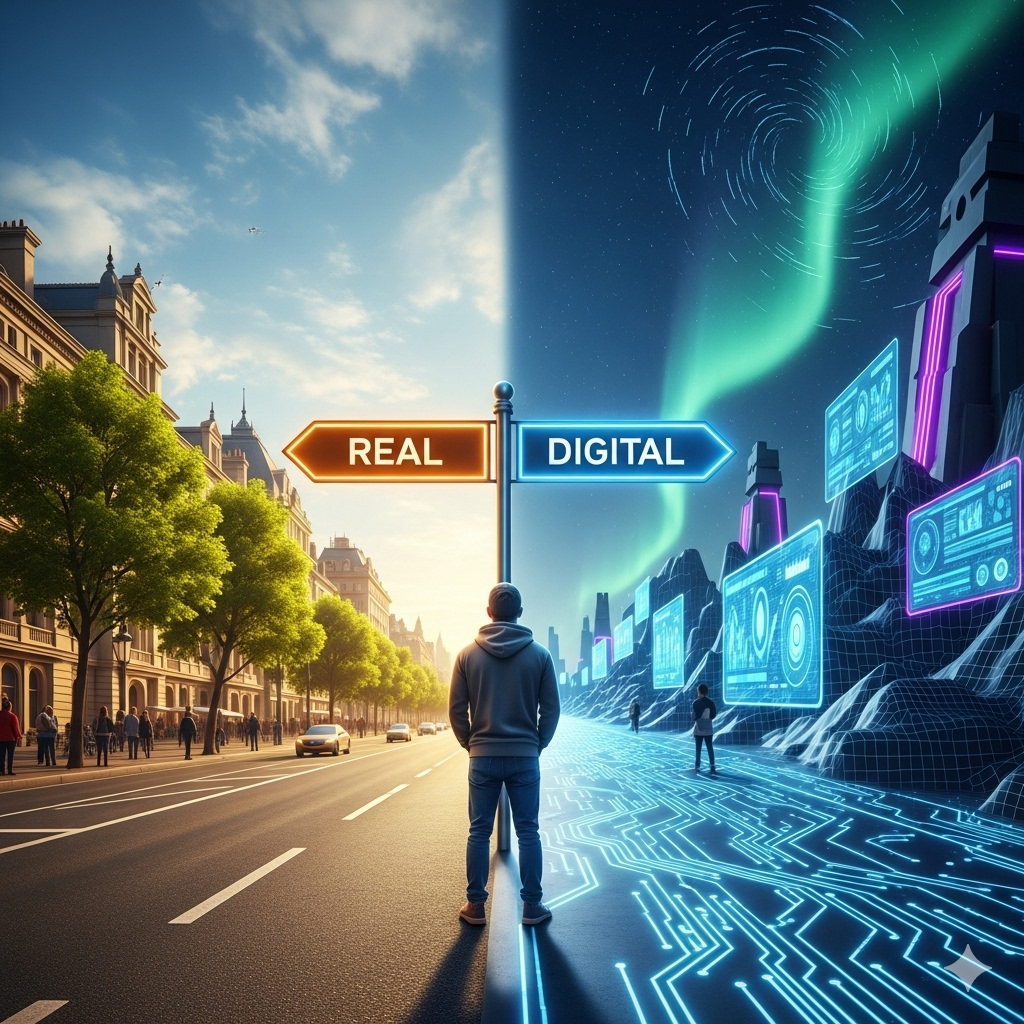
We are now standing at the entrance of the most significant transition in human history. The new world opened by platforms promises infinite opportunities and convenience, but it also commodifies our emotions, data, and identities, leading to new forms of control and inequality. In the face of this massive wave of change, what future should we choose and create? The answer lies not in technology, but in ourselves.