
Part 5. The Gauntlet of Regulation: From Wild West to Era of Order ⚖️

As stablecoins emerge from being mere technological experiments to become crucial components of the global financial system, regulatory authorities worldwide can no longer afford to stand by. The Terra-Luna collapse in 2022, in particular, starkly demonstrated the systemic risks that regulatory vacuums can unleash, serving as a pivotal moment for governments to actively establish regulatory frameworks. Regulation is no longer an impediment to innovation, but rather a key strategic tool for securing market trust, protecting consumers, and ultimately safeguarding national interests in a ‘digital currency cold war.’
Awakening in the Post-Terra Era: The ‘Wild West’ is Over
The collapse of Terra-Luna indelibly marked the inherent risks of stablecoins, especially algorithmic models with unclear or non-existent collateral, for the entire world. This event proved that regulatory concerns about their potential to threaten financial stability were not unfounded, and it fostered a global consensus on integrating stablecoins within the existing framework of financial regulation. The market’s focus has now completely shifted from ‘whether to regulate’ to ‘how to regulate’. 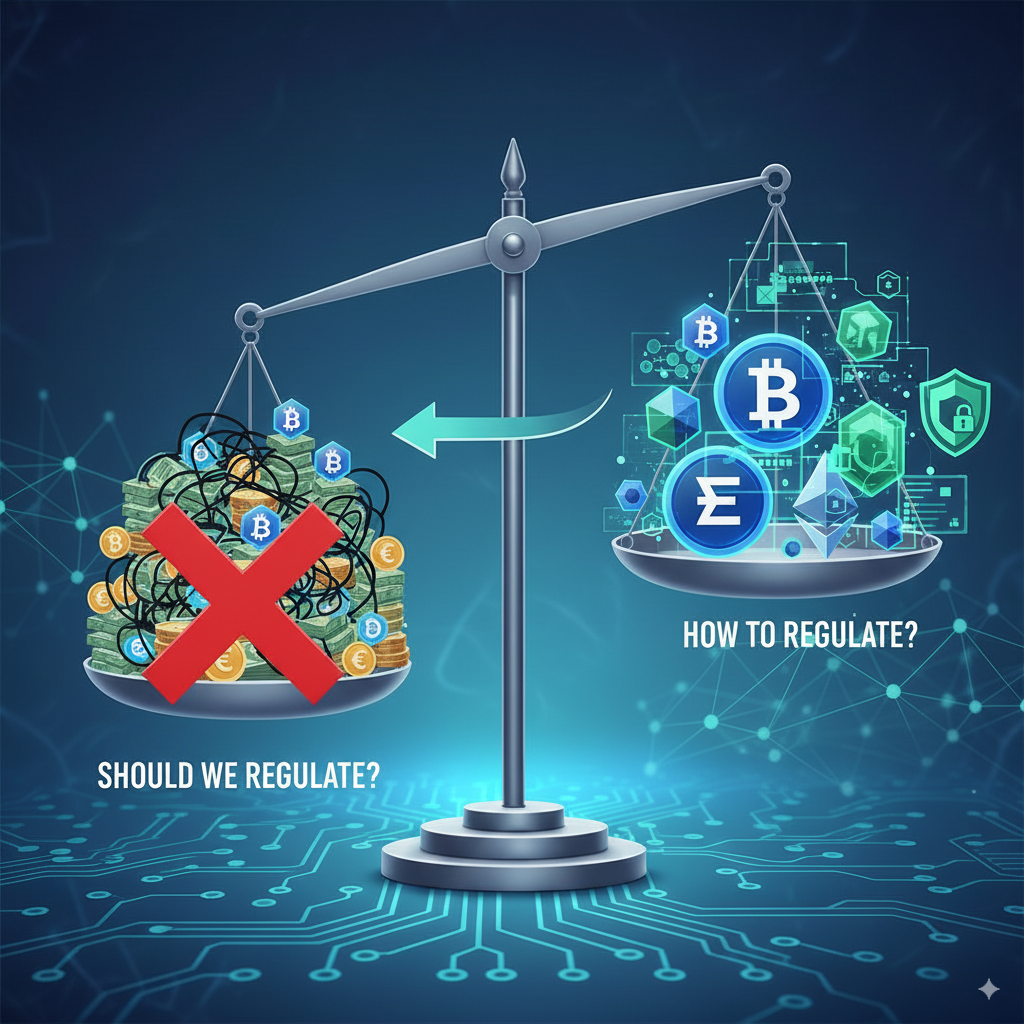
Global Regulatory Competition: Convergence Towards Standards and Strategic Divergences
While nations are adopting different approaches based on their domestic financial environments and strategic objectives, they are converging towards several common principles.
- European Union (MiCA): The EU’s Markets in Crypto-Assets (MiCA) regulation is a pioneering example, being the world’s first to introduce a comprehensive crypto-asset regulatory framework. MiCA classifies stablecoins into ‘Asset-Referenced Tokens (ARTs)’ and ‘E-Money Tokens (EMTs)’, mandating issuers to obtain strict licenses, meet reserve requirements (1:1 backing with high-quality liquid assets), and guarantee redemption rights to all holders. Notably, the ‘passporting’ system aims to create a single market by allowing businesses licensed in one member state to operate across the entire EU. However, the potential for ‘regulatory arbitrage’ due to differences in supervisory capacity among member states remains a potential challenge.
- United States: While there is no single federal law yet, regulations are gradually taking shape at both state and federal levels. New York State has long established a leading regulatory environment with its ‘BitLicense’. In the federal Congress, bills such as the ‘GENIUS Act’ and ‘STABLE Act’ have been introduced to regulate the issuance and operation of stablecoins for payment purposes. Underlying the US regulatory discussions is a strong strategic intent to leverage stablecoins as tools for financial innovation, thereby maintaining the dollar’s global reserve currency status in the digital age.
- United Kingdom: The UK is taking a phased approach by integrating stablecoins used as a means of payment into its existing financial services regulatory framework. The UK’s Financial Conduct Authority (FCA) has proposed specific rules for stablecoin issuance and custody activities, clarifying requirements for collateral composition, management, redemption (T+1, i.e., payment by the next business day after a redemption request), transparency, and disclosure. This demonstrates a pragmatic approach that seeks to embrace innovation while controlling its risks to a level comparable to traditional financial products.
- Singapore: Singapore is solidifying its position as a global digital asset hub by being the first to finalize its own regulatory framework for stablecoins. The Monetary Authority of Singapore (MAS) mandates all digital token service providers to obtain a license and strictly applies international standards for Anti-Money Laundering (AML) and Counter-Terrorist Financing (CFT). This framework aims to provide stability and predictability to the market by clearly defining issuance requirements, reserve management, redemption procedures, and disclosure obligations.
Regulation as a Partner to Innovation: Trust is Competitiveness
While the initial market perception was that regulation stifled innovation, clear regulations are now proving to be a competitive advantage. The fact that USDC, which has emphasized regulatory compliance, is narrowing the market share gap with USDT, which has faced regulatory uncertainties, serves as evidence of this.
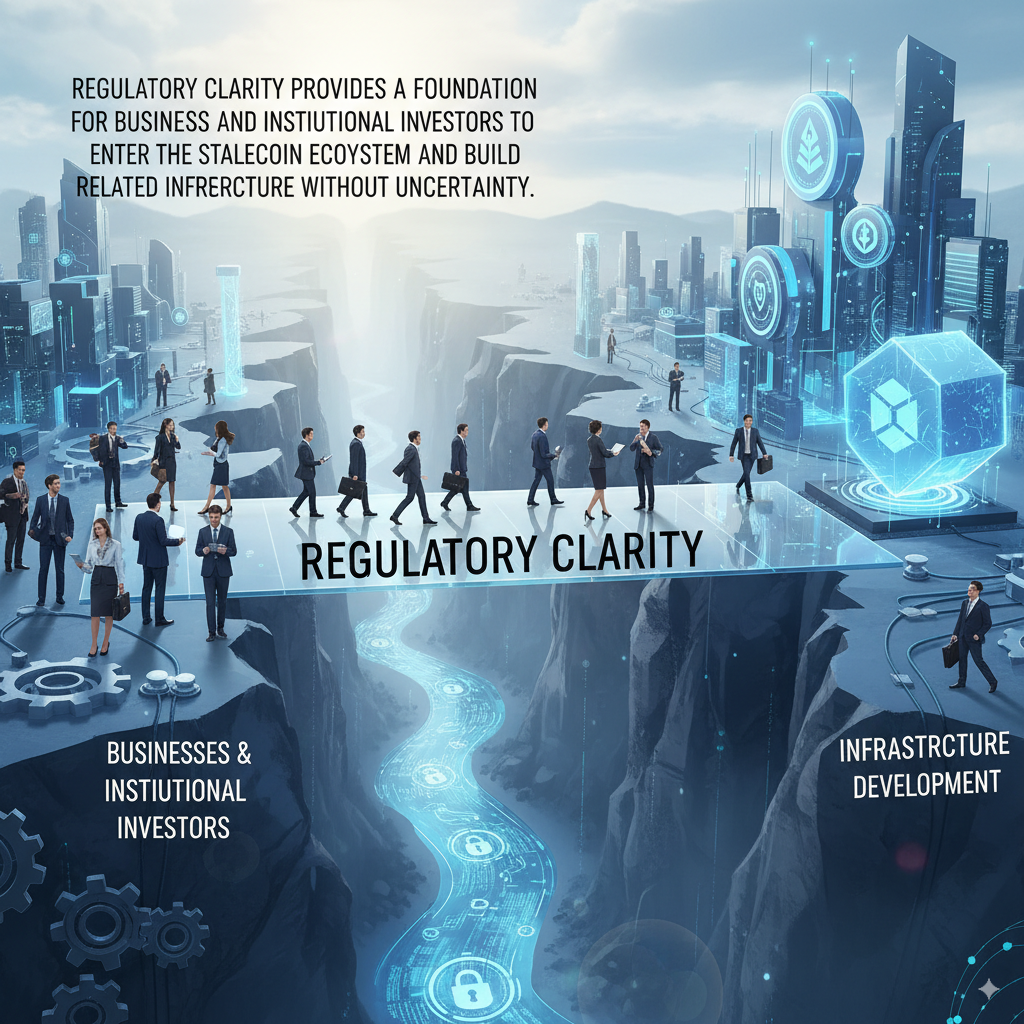
These global regulatory trends offer significant implications. Instead of inventing entirely new rules to manage stablecoins, regulatory authorities worldwide are ‘adapting’ the core principles of decades-old e-money and money market fund (MMF) regulations to the new technological environment. In other words, four principles are becoming global standards: ▲ 100% collateralization with high-quality liquid assets, ▲ guaranteeing immediate redemption rights for holders, ▲ licensing and prudential supervision of issuers, and ▲ regular audits and transparent disclosures. This is an essential process for stablecoins to be integrated into the mainstream financial system and, simultaneously, creates an environment favorable to large institutional players who can afford the higher regulatory compliance costs.
Continued in Part 6. Dawn of New Financial Literacy: Become a Wise Navigator.