
The ‘Taste of Korea’ Campaign: The Most Successful Gamble Born from Desperation
- The fierce market background that led McDonald’s to start the ‘Taste of Korea’ campaign
- In-depth analysis of the success factors of the Changnyeong Garlic Burger and Jindo Green Onion Burger
- The 61.7 billion won in socio-economic value created by the campaign and its significance
The Struggle for Survival of the Giant, McDonald’s
In the early 2020s, South Korea’s fast-food market was a silent battlefield where ideas, capital, and culture clashed. In this arena, the world’s strongest empire, McDonald’s, was in deep anguish. The Taste of Korea campaign began in this desperation. A market where global standards alone could not win, already had powerful local giants in place.
Kings of K-Burgers: Lotteria and Mom’s Touch
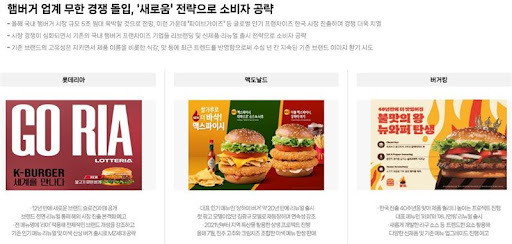
The global throne could not exert its power in the Korean market. Here, local giants that had built their own kingdoms stood firm.
Masters of Cultural Localization, Lotteria
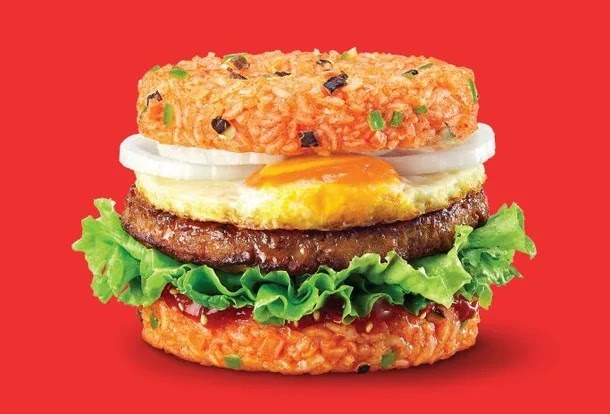
Lotteria was a pioneer of ’localization’. In 1999, the ‘Rice Burger’, which replaced hamburger buns with rice, sold 800,000 units within a month, breaking the stereotype that ‘hamburgers are made with bread’. They are known as ‘Bapderia’ in Vietnam, achieving the number one market share, armed with insights that penetrate cultural contexts.
Rebels of Overwhelming Cost-Effectiveness, Mom’s Touch
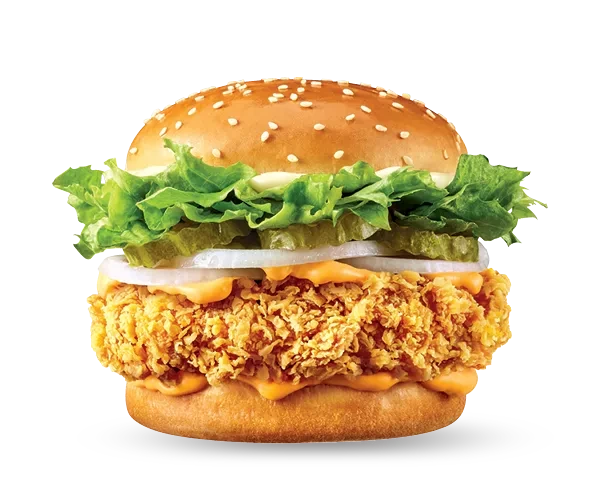
Mom’s Touch rewrote the rules of the market with its nuclear weapon, the ‘Ssi Burger’. The overwhelming volume provided by the thick chicken thigh patty and the ‘cooked-to-order’ system broke through the perception that ‘fast food is junk food’. Additionally, their clever outlet strategy, which gave rise to the term ‘Mom’s Zone’, allowed for rapid expansion.
McDonald’s New Path: ‘Local Premium’
Caught between Lotteria’s ‘culture’ and Mom’s Touch’s ‘cost-effectiveness’, McDonald’s lost its way. They needed a new battlefield. It was ‘Premium, Authentic, Local-Sourced Quality’. Declaring the use of ‘garlic from Changnyeong’ and ‘green onions from Jindo’ was not just about being ‘domestically sourced’. This was the only way to shed the long-standing stigma of ‘unhealthy fast food’ and build a solid defense that competitors could not easily replicate.
The Great Gamble of ‘Taste of Korea’
In 2021, McDonald’s Korea launched the ‘Taste of Korea’ project. This was not just a new menu launch, but a massive gamble that changed the brand philosophy. The slogan was clear: “Preserving the taste of burgers while supporting farmers”. This single sentence elevated consumer behavior to an act of creating social value.
ESG and Loconomy: A Dual-Faced Strategy
The genius of this campaign lay in the perfect combination of ESG (Environmental, Social, Governance) and Loconomy (Local + Economy).
- Justification (ESG & Coexistence): On the surface, it emphasized coexistence with local farmers. Advertisements featured real farmers, and images of them holding their crops with dirt-stained hands provided a level of trust stronger than any embellishment.
- Pragmatism (Loconomy & Experience): Behind this was a cold market strategy. McDonald’s went beyond simply using ingredients to create ‘Destination Flavors’. The burger became a gourmet journey that allowed customers to experience the aroma of Changnyeong garlic and the sea breeze of Jindo. Limited sales stimulated scarcity, creating a strong purchasing motivation.
Through this strategy, I believe McDonald’s provided customers with a new experience of ‘value consumption’ that went beyond mere food sales. It proved that ESG could become the most powerful marketing tool.
Evidence of Madness: The Legends of Changnyeong and Jindo
The ‘Taste of Korea’ campaign gave birth to two legendary hits.
The First Madness: Changnyeong Garlic Burger
In August 2021, the ‘Changnyeong Garlic Burger’ was introduced. McDonald’s chose the ‘Daeseo Garlic’, which is less spicy and bitter, from Changnyeong, the country’s top garlic-producing region.
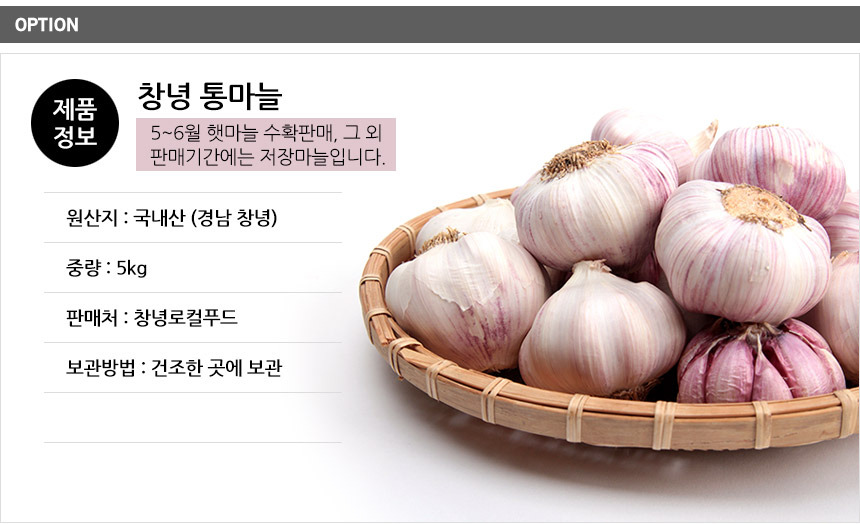
The real madness was in the recipe. They added the equivalent of 6 cloves of peeled garlic into one burger. This bold ‘garlic bomb’ shook the market, and social media was flooded with reviews calling it the ’life-changing burger’.
- Sales: Over 5.37 million units sold
- Contribution to the local economy: A total of 170 tons of Changnyeong garlic purchased over three years
- Certificate of authenticity: Received a plaque of appreciation from the Changnyeong Garlic Research Association in 2022
The Second Madness: Jindo Green Onion Cream Croquette Burger
In July 2023, McDonald’s introduced the ‘Jindo Green Onion Cream Croquette Burger’. Choosing the sweet Jindo green onion, which survives the harsh winter, McDonald’s showcased madness through ‘form’ and ’texture’.
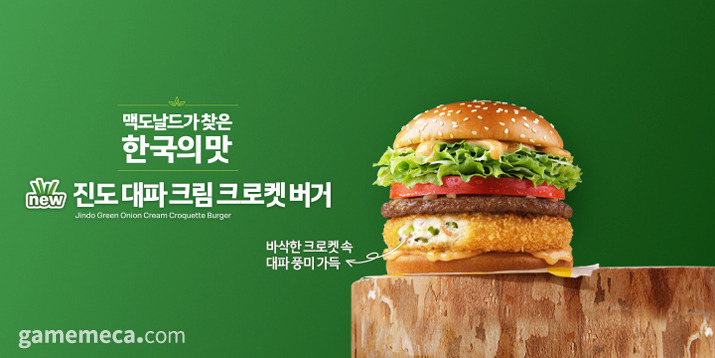
Instead of finely chopping the green onions, they placed a ‘green onion cream croquette’ made from mashed potatoes, cream cheese, and Jindo green onions on top of the beef patty. The result was a ‘sold-out frenzy’.
- Sales Myth: Sold 1.5 million units in a month, surpassing 4.86 million units cumulatively
- Evolution of Marketing: 40,000 visitors to the pop-up store ‘Jindo Pastival’
- Proof of Coexistence: Initial purchase of 50 tons, received commendation from the Jindo County Mayor
Symphony of Flavors: Expansion of the Taste of Korea Universe
‘Taste of Korea’ continued to evolve beyond garlic and green onions.
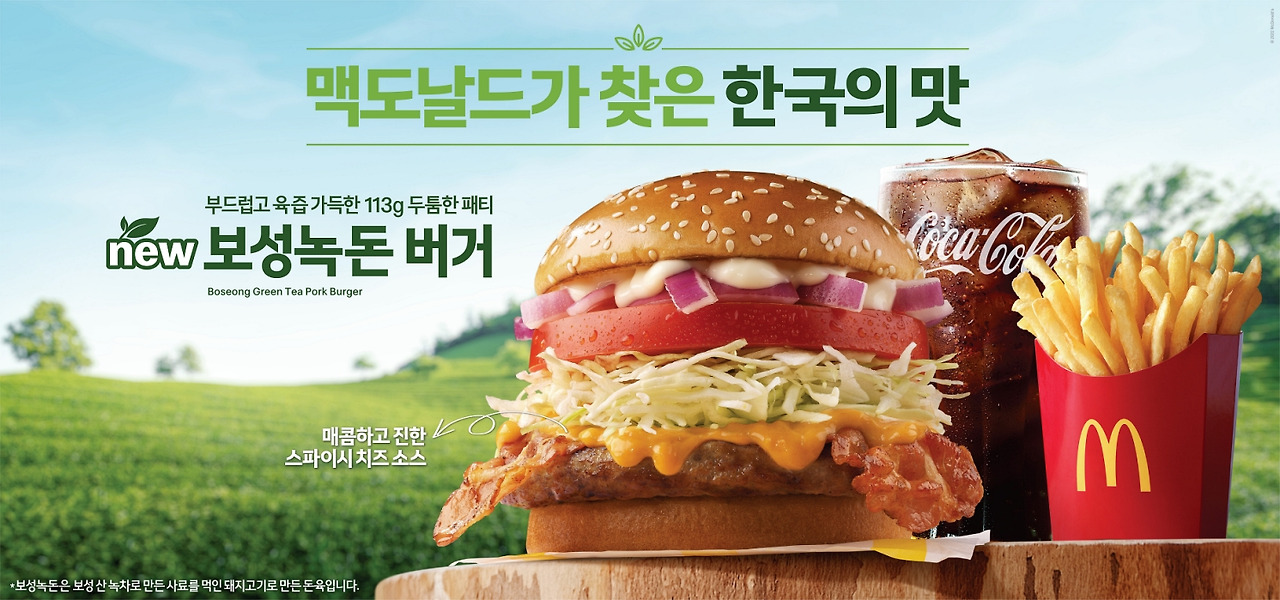
- Boseong Green Pork Burger: Made from pork fed with green tea leaves, incorporating the region’s ‘farming methods’.
- Honey Butter Injeolmi Fries: Expanded the coexistence philosophy by using 100% domestically sourced five-grain flour in the side menu.
- Jinju Pepper Cream Cheese Burger & Iksan Sweet Potato Mozzarella Burger: Continued to explore flavors beloved by Koreans, such as spicy and sweet.
These diverse attempts elevated ‘Taste of Korea’ from a one-time promotion to a sustainable ‘Flavor Platform’.
Strategically Proven Madness in Numbers
The socio-economic value generated by the ‘Taste of Korea’ project amounts to approximately 61.7 billion won. This figure includes the enhancement of local brand value (56.7 billion won), increase in farmer income (4.49 billion won), and reduction in agricultural product waste costs (460 million won).
Summary of Key Achievements of ‘Taste of Korea’ Menu
| Year | Product Name | Key Achievements and Impact |
|---|---|---|
| 2021 | Changnyeong Garlic Burger | Cumulative sales of 5.37 million units, 170 tons of garlic purchased, plaque of appreciation from Changnyeong Garlic Research Association |
| 2022 | Boseong Green Pork Burger | Cumulative sales of 1.19 million units, 140 tons of green pork supplied, support for both green tea and pig farming |
| 2023 | Jindo Green Onion Cream Croquette Burger | Cumulative sales of 4.86 million units, over 50 tons of green onions purchased, commendation from Jindo County Mayor |
| 2024 | Jinju Pepper Cream Cheese Burger | Cumulative sales of 1.66 million units, continuation of the loconomy trend |
This table clearly shows that the campaign was a systematic system. Millions of sales led to the purchase of hundreds of tons of agricultural products, creating a virtuous cycle recognized by the local community.
Conclusion
McDonald’s ‘madness’ was by no means madness. It was a meticulously calculated, brave, and brilliantly successful strategy that accurately penetrated the psychology of the Korean market.
- Key Point 1: Redefining Value McDonald’s pioneered the ’local premium’ market through a new value equation of (unique taste + authentic story + social contribution).
- Key Point 2: Perfect Combination of ESG and Marketing Utilizing the social justification of ‘helping farmers’ as the strongest marketing message renewed brand image and led consumers to ‘value consumption’.
- Key Point 3: Building a Sustainable Flavor Platform Beyond one-time hits, it established itself as a creative engine that makes consumers look forward to the next menu, becoming a brand that leads Korean food culture trends.
The story is not over yet. McDonald’s explorers are still searching for the next protagonist of ‘madness’. What would you like to taste as the next ‘Taste of Korea’?