
My Perfect ‘Eco-Life’
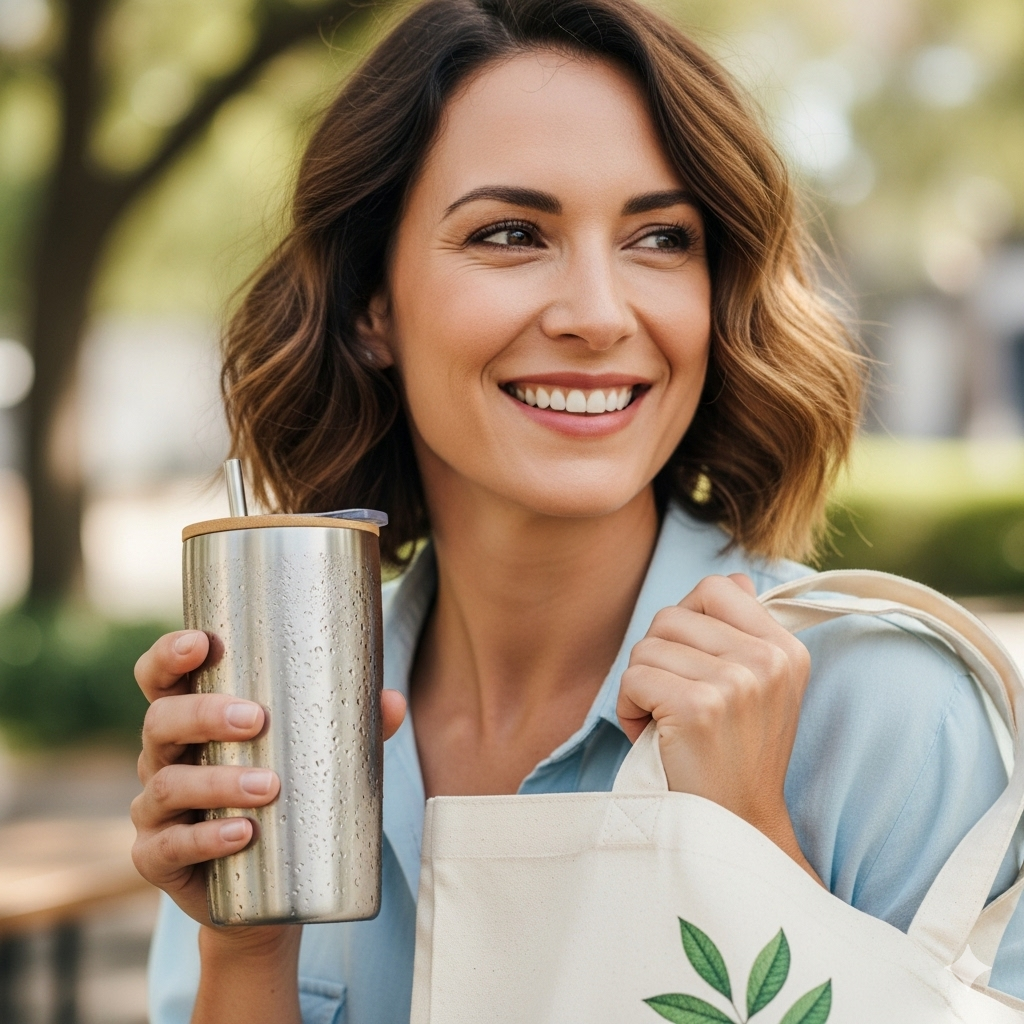
Hello. I am Kim Ji-yeon, a woman in my 30s living in Seoul. I have always considered myself a fairly conscious consumer. I always carry a tumbler and a shopping bag when I go out, and on days when I order delivery, I carefully rinse the plastic containers and put them in the recycling bin. Occasionally, I buy clothes from inexpensive online stores for a change, and I felt proud to contribute to the ‘circular economy’ by putting my unused clothes in clothing collection bins. My daily life was filled with my own ’eco-friendly’ rules, and I had no doubt that I was doing my part for the Earth.
Chapter 1: Delivery Containers, My Good Betrayal
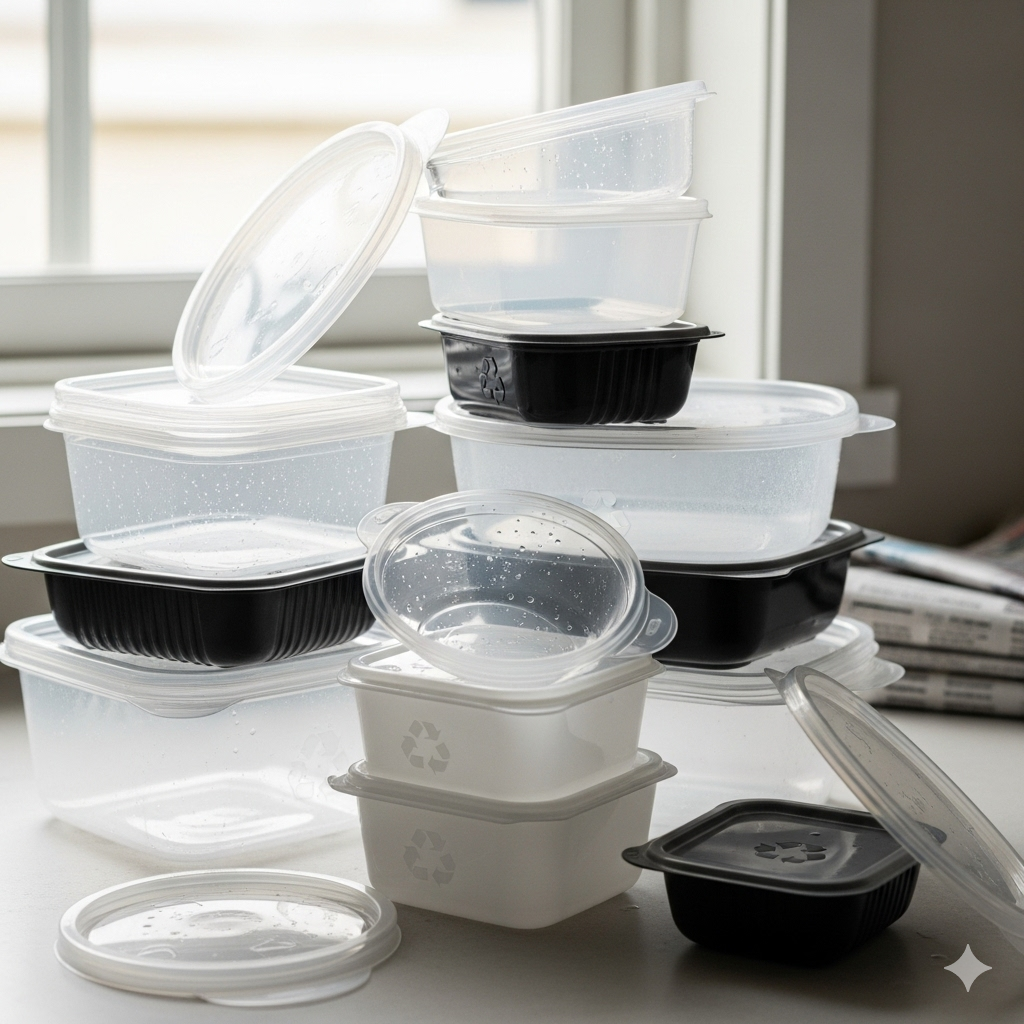
That day, I had to work late, and with a hungry stomach, I ordered tteokbokki on my smartphone. After enjoying the meal, I cleaned the leftover sauce as usual and took the plastic container to the recycling bin. However, looking at the mountain of delivery containers that day, I suddenly wondered, ‘Where do all these plastics go?’
That small question led me into the world of ‘reality shock.’ The shocking truth was that a significant portion of the plastic containers I diligently washed and discarded were not actually recycled.
- The Truth About Recycling: Plastics contaminated with food, mixed materials, or colored plastics are discarded during the sorting process and ultimately incinerated or landfilled.
- Invisible Costs: The convenience I enjoyed for 30 minutes meant that this plastic would remain buried for over 500 years, continuing to harm the Earth.
I felt stunned, as if I had been hit in the back of the head, realizing that the recycling I believed to be a ‘good deed’ might have just been a license for convenient consumption.
Chapter 2: The Tragedy in My Closet, The True Face of Fast Fashion
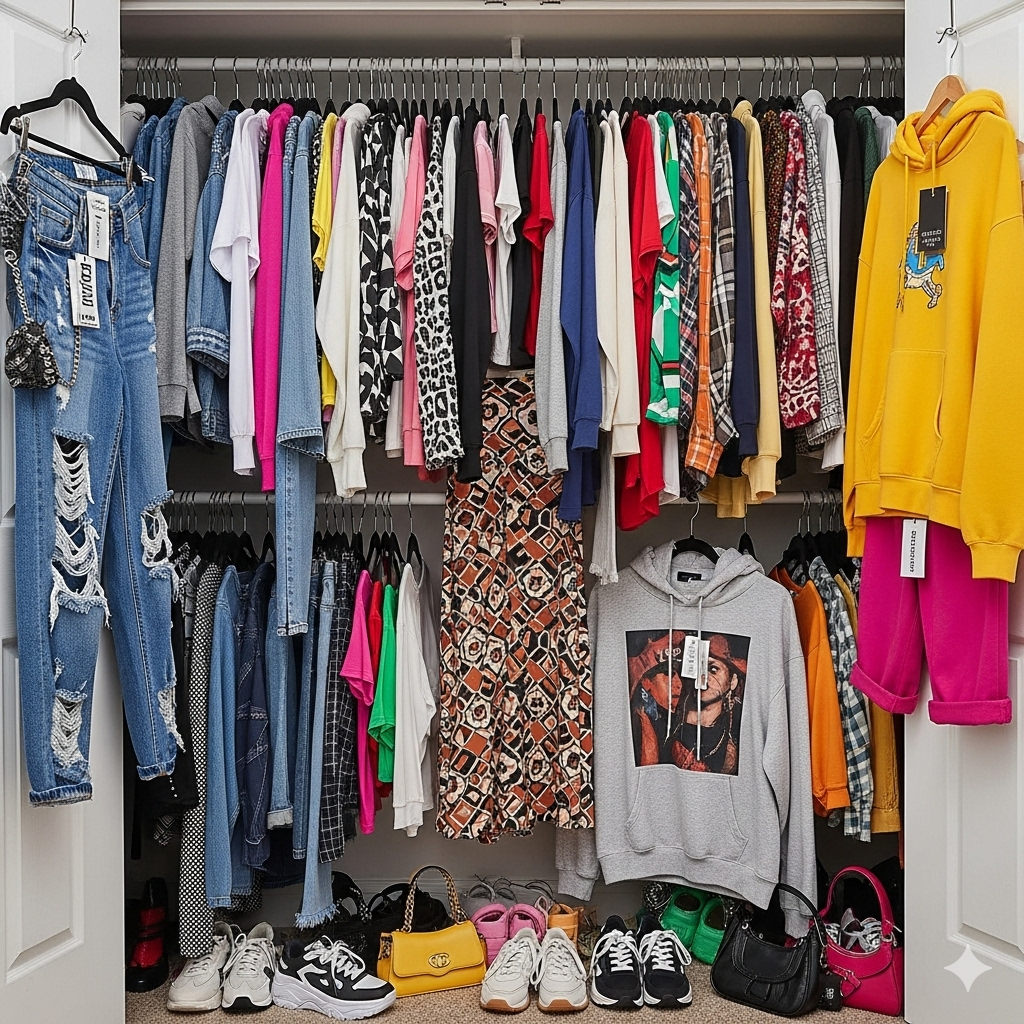
The shock from delivery food made me reflect on my entire consumption habits. I particularly noticed the clothes filling my closet. I am sensitive to trends and enjoyed wearing inexpensive ‘fast fashion.’ The big advantage was that it felt okay to wear something for a season or two and then throw it away.
However, what I didn’t know was the enormous cost the Earth pays for each piece of clothing we casually buy and discard.
- Water and Chemicals: It takes about 2,700 liters of water to make a single t-shirt, enough for one person to drink for three years. During the dyeing process, numerous chemicals flow into rivers and oceans.
- Plastic Fibers: Most of the cheap clothes I wore were made of synthetic fibers like ‘polyester.’ I learned that every time I washed these clothes, invisible microplastics were released and flowed into the sea through the drains, eventually returning to our tables via marine life.
My closet was no longer a space of joy. It became a tragic scene filled with the groans of the Earth.
Chapter 3: Invisible Waste, The Digital Carbon Footprint
The problem wasn’t just visible waste like plastics and clothes. The biggest shock was in the invisible realm. I am an ordinary digital citizen who stores photos in the cloud and enjoys OTT services for hours after work. Since I don’t produce tangible waste, I thought these activities were unrelated to the environment.
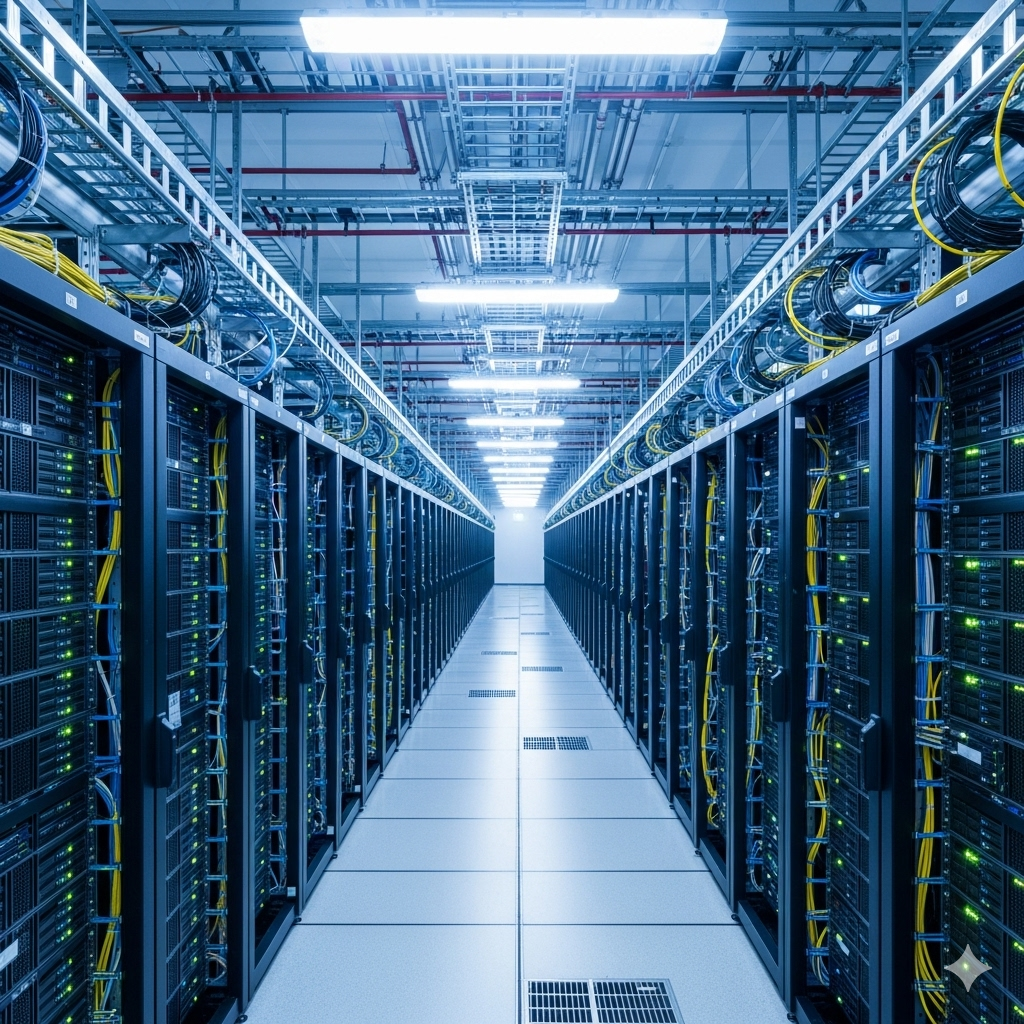
However, the moment we hit the streaming button, a massive ‘data center’ somewhere on the other side of the globe starts roaring to life.
‘Our digital lives are not free. The data centers, which consume vast amounts of electricity, bear the cost.’
A tremendous amount of electricity is consumed to cool these servers, and in the process, enormous carbon emissions are released. My convenient digital life was actually contributing to raising the Earth’s temperature. The reality was even scarier because it was intangible.
The Courage to Choose Inconvenience
Now I understand. The way I have lived, the everyday life that most of us consider convenient, was actually a life indebted to the Earth. I am ashamed of my past self, who thought that using just one tumbler meant I had fulfilled all my responsibilities.
The ‘reality shock’ revealed painful truths to me. But it hasn’t left me in despair. It has made it a bit clearer what I need to do. I will think twice before ordering delivery, choose clothes that I can wear for a long time even if I buy just one, and develop the small habit of organizing unnecessary data.
Of course, it’s inconvenient. But isn’t that inconvenience the minimum responsibility we must choose to live alongside the Earth? I may not be able to be a perfect environmentalist, but to become a slightly better ‘global citizen’ than I was yesterday, I am willing to choose this inconvenience today.