
The Hidden Data Theft Threat Behind the Convenience of Public USB Chargers: Uncovering Everything About ‘Juice Jacking’ and How to Defend Against It.
- Understand the definition and operation of Juice Jacking.
- Assess the level of risk through realistic analogies.
- Learn specific and effective preventive measures to protect your valuable information.
A Trojan Horse Masked as Convenience: ‘Juice Jacking’
“Battery at 1%.” There’s nothing quite as alarming as that red warning light when you’re traveling. At that moment, the public USB charging port in front of you seems like an oasis in the desert. However, if you are aware of the risks of Juice Jacking, you might not be so eager to use it. I used to charge my phone at airports without a second thought.
Juice Jacking is a cyber attack that installs malware or extracts personal information through maliciously manipulated public USB ports or cables. As the name suggests, it hijacks ‘juice’ (electricity) and serves as a chilling warning that an act you thought was merely charging could threaten your entire digital life.
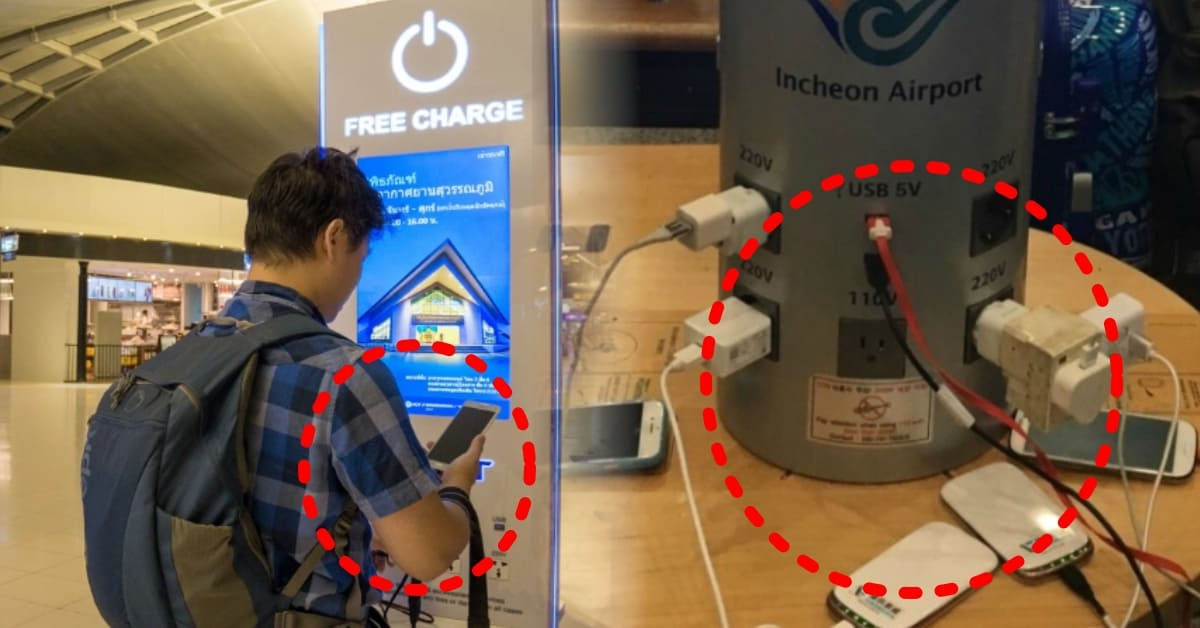
This issue arises because the USB cables we use daily are designed to simultaneously supply power and transfer data. The moment you connect your smartphone to a charging port, you are not only providing power but also opening the door to a two-way data highway. This is why the FBI and the TSA officially warn against using public USB ports.
The Birth of Juice Jacking: A Warning from a Hacker Conference
This bizarre threat was first introduced to the world in 2011 at the world’s largest hacker conference, DEF CON. A research team set up a ‘free charging kiosk’ to demonstrate how easily even security experts can fall for the temptation of convenience. Instead of actual hacking, the screens of connected devices displayed warning messages.
“Do not trust charging stations installed in public places.”
Later, at the 2013 Black Hat conference, the theory was proven to be real with a device called ‘Mactans.’ It appeared to be an ordinary USB charger, but when an iPhone was connected, malware was installed within a minute. So how can we protect ourselves from this invisible threat?

The Real Danger of Juice Jacking: Between Fear and Reality
While the FBI strongly warns against it, the FCC has stated, “We are not aware of confirmed cases occurring to the general public,” which can cause confusion. How should we understand this contradiction?
The best analogy is ATM skimmers. We know that ATM skimmers are a real threat, but that doesn’t mean we stop using all ATMs. Instead, we learn to check the card slot and cover our PIN.
Juice Jacking is similar. It’s not as common as phishing attacks, but if it happens, the damage can be severe, and it can be prevented with simple precautions. The reason there are few official reports of damage may be that the attacks are very discreet, and smartphone manufacturers have defenses in place, such as prompts asking, “Do you trust this computer?”
Comparison/Alternatives: Safe Smartphone Charging Methods
If public USB ports make you uneasy, what alternatives are available? Compare the pros and cons of each method to find the optimal choice.
| Method | Advantages | Disadvantages | Recommended Situations |
|---|---|---|---|
| Personal Adapter + Wall Outlet | Safest. Completely blocks data transfer. | Need to find an outlet. Must carry adapter. | Anywhere with outlets like cafes, airports, hotels |
| Power Bank | Highly portable and unrestricted by location. Safe. | Must be charged in advance. Limited capacity. | When on the move or when outlets are hard to find |
| Data Blocker (USB Condom) | Small and inexpensive. Makes any USB port safe. | Must be purchased and carried separately. Risk of loss. | Frequent travelers or digital nomads |
| Charging-Only Cable | Physically safe as it lacks data pins. | May be hard to distinguish from regular cables. | When connecting to untrusted devices like public computers |
Checklist: Complete Defense Guide Against Juice Jacking
Here’s a security checklist for digital travelers to defend against Juice Jacking. Follow these steps to ensure safety.
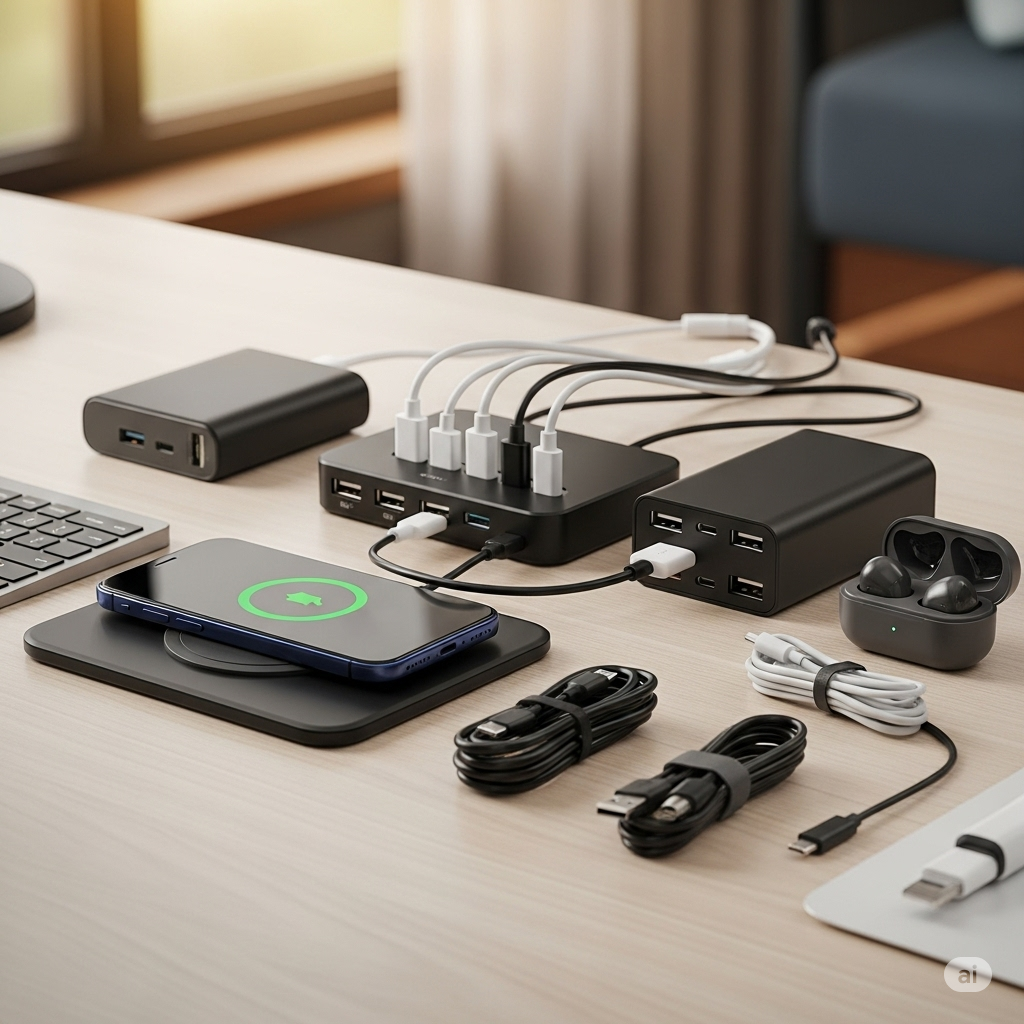
- First Principle: Use wall outlets. Always carry your own power adapter and USB cable, and use regular AC power outlets for the safest option.
- Second Option: Secure a personal power source. Carrying a fully charged power bank is the most flexible and safe option.
- Use Defense Equipment: Use a data blocker. USB data blockers, known as ‘USB condoms,’ physically block the data pins of public ports, allowing only power to pass through.
- Do not ignore warning messages: Pay attention to pop-ups. If messages like “Do you trust this computer?” or “Data sharing” appear on your smartphone screen, immediately disconnect and select the “Charge only” option.
- Avoid using unknown cables: Found cables are traps. USB cables left in public places could be infected bait, so never use them.
- Basic Digital Hygiene: Always stay updated. Keep your smartphone operating system updated to the latest version, and keep your device locked while charging in public places.
Conclusion
The story of Juice Jacking reminds us of the importance of a mindset of ‘wise distrust’ beyond just technical threats. We must remember that convenience does not always guarantee safety.
-
Key Summary
- Juice Jacking is a real threat: Public USB ports can be a pathway for data theft.
- Avoid excessive fear, but exercise wise caution: Like ATM skimmers, the risk exists, but prevention is possible.
- The best defense is self-preparation: Personal chargers, power banks, and data blockers are your best shields to protect your information.
Now, when your battery is low at the airport, remember that the small act of bypassing the USB port in front of you to pull out a power bank from your bag is a wise choice to protect your digital world. How about starting the habit of always packing a power bank or personal charger in your travel bag from today?
References
- SBS News Be Careful When Charging Smartphones in Public Places… What is the Actual Hacking Risk?
- YTN ‘Juice Jacking’ Warning #shorts
- CBS News FBI Office Warns Against Using Public Phone Charging Stations at Airports or Malls, Citing Malware Risk
- ChargerGoGo A Secure Charging Solution in the Wake of FBI’s Juice Jacking Warning
- CyberPeace FBI on Juice Jacking
- YouTube Juice Jacking: FBI Warning to Stop Using Public Charging Stations
- YouTube FBI Issues Warning About ‘Juice Jacking’
- Federal Communications Commission What is ‘Juice Jacking’ and Tips to Avoid It
- KLAB ‘I Plugged in the Charger and My Information Was Stolen’ Is This Real?
- Yonhap News Fact Check: Be Careful When Charging Smartphones in Public Places… What is the Actual Hacking Risk?
- Federal Communications Commission ‘Juice Jacking’: The Risks of Public USB Charging Stations