
The Itch of Curiosity That Cannot Be Ignored
At 2 AM, relying on the light of my smartphone, I start a search on ‘black holes’ that leads me through ‘ancient Roman baths’ to ‘rare cereal commercials.’ Many of you have experienced this, right? This insatiable thirst for knowledge is one of humanity’s most essential traits. This article delves deeply into humanity’s great journey towards knowledge from biological, philosophical, and technological perspectives.
- Understanding why humans instinctively want to know something from a neuroscientific perspective
- The differences between information, knowledge, and wisdom, and the process of reaching true knowledge
- The crisis of knowledge we face in the age of Google and AI and how to cope with it
1. The Explorer’s Brain: Why Do We Ask ‘Why?’
Our desire to know something is not just a simple intellectual preference; it is more akin to a biological command deeply engraved in our brains.
The Biology of Curiosity: Dopamine and Neuroplasticity
At the center of this is the neurotransmitter ‘dopamine.’ When we discover something new or realize a fact we did not know, the brain releases dopamine, providing a sense of satisfaction. This pleasure compels us to continue craving new knowledge. A brain that has tasted the joy of knowledge wants more.
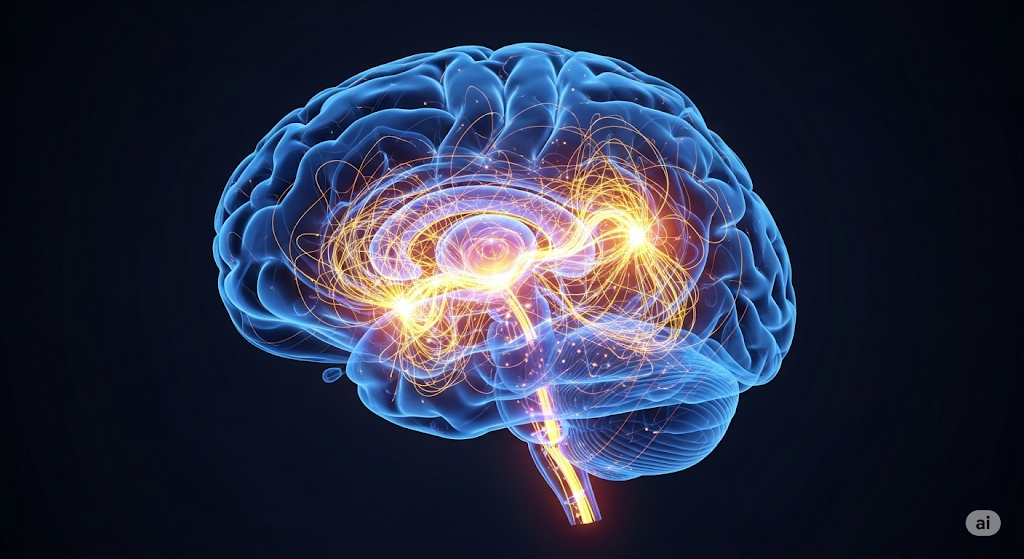
Learning something with curiosity is like paving new paths in the brain. Thanks to ’neuroplasticity,’ the brain’s connections change based on experiences and learning. In other words, curiosity is the best exercise for the brain. This mechanism was directly related to the survival of our ancestors, who needed to explore which fruits were safe and where predators were located.
The ‘Dark’ Side of Curiosity: Gossip and Superstimuli
However, the desire for knowledge does not always lead to noble pursuits. The reason we are drawn to rumors about others’ weaknesses, or ‘gossip,’ is due to an instinct to gauge our social standing and find psychological stability through comparison with others.
The problem lies in the modern internet environment. Every notification from our smartphones and new posts on social media act as ‘superstimuli,’ constantly supplying our brains with low-cost, high-frequency dopamine. Our curiosity circuits, evolved for survival, are now being manipulated to become addicted to the search for superficial stimuli rather than the ‘discovery’ of meaningful knowledge.
2. Two Great Explorations: The Outer and Inner Universes
The journey towards knowledge moves in two directions: exploring the external world and looking inward.
First Exploration: Understanding the World Outside
For a stable community, order and rules, or morality, are necessary. Knowing what is right and wrong is directly linked to social survival. Scientific exploration is no different.
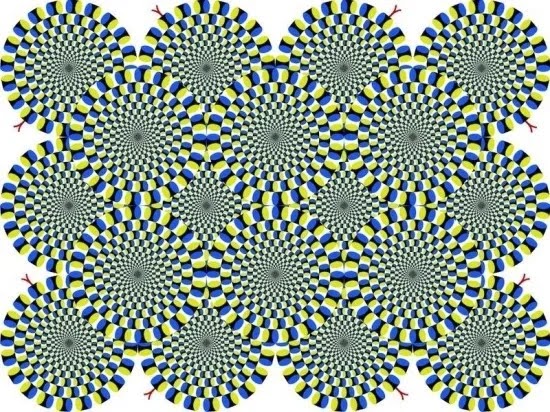
However, in this process, we come to realize the imperfections of our senses. A representative example is ‘optical illusions.’ Just as the brain ‘interprets’ that a car getting smaller is actually moving away, the world we see is a result reconstructed by our brains. The realization that the world I see may not be objective reality is the starting point of all scientific and philosophical inquiries.
Second Exploration: The Journey Within - “Know Thyself”
The philosopher who opened the door to great inner exploration is Socrates. His phrase “Know Thyself (γνῶθι σεαυτόν)” carries two profound meanings.
First, ‘Know your own ignorance (ἀγνωσία)’. Socrates realized that he was wiser than those who mistakenly believed they knew something because he was aware of his own ignorance. This is the teaching of ’the knowledge of ignorance,’ meaning that true knowledge begins with the awareness of one’s own shortcomings.
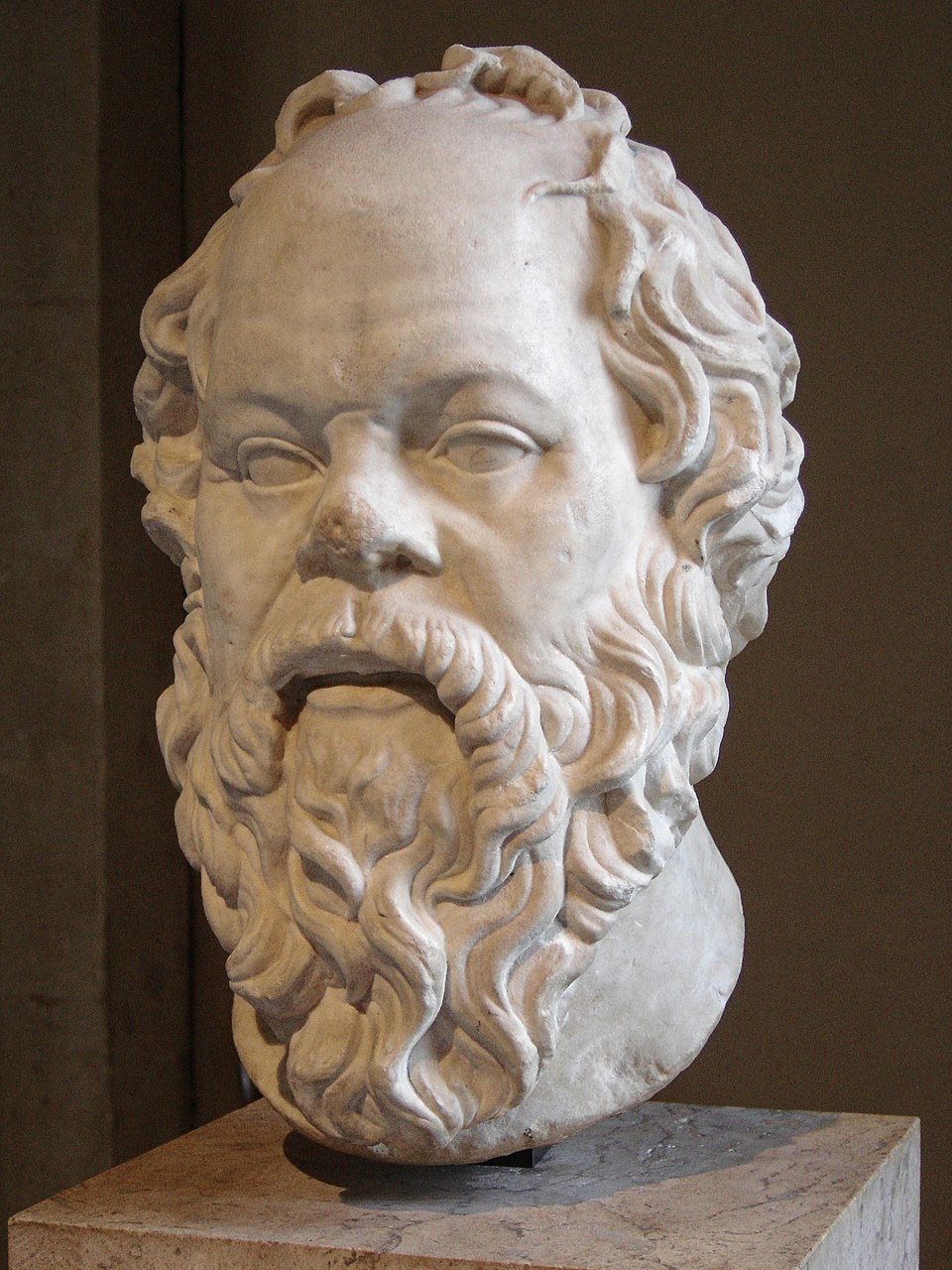
Second, it is a request to look into one’s own ‘soul (ψυχή)’. Self-awareness, reflecting on one’s emotions, desires, and values through our ‘reason,’ is an essential foundation for a happy life.
Interestingly, modern search engines reverse this process. While Socratic wisdom starts with the humble confession of “I do not know,” modern knowledge begins with the illusion of “I can search.” By getting answers the moment we ask questions, we skip the most crucial stage where true thinking and critical reasoning occur.
3. The Maze of Knowledge: From Information to Wisdom
The word ’to know’ has complex layers. Knowledge is a process that moves from information to knowledge and then to wisdom.
- Information: Raw, unprocessed data. Facts like ’the boiling point of water is 100 degrees.’
- Knowledge: Information systematically organized within context. Explaining why it boils at 100 degrees in relation to atmospheric pressure.
- Wisdom: The ability to apply knowledge enriched with experience and value judgments to life. Safely purifying water with boiling while considering the risk of wildfires.
True ‘knowledge’ becomes living wisdom when theoretical knowledge undergoes the tempering of ’experience.’ The process of Jeong Yak-jeon’s observation of fish in the movie
Step-by-Step Process of Knowledge
| Level | Description | Example |
|---|---|---|
| 1. Information | Disparate facts, data | “Socrates drank poison.” |
| 2. Knowledge | Information organized within context and relationships | “Understanding why Socrates was sentenced to death and for what charges.” |
| 3. Wisdom | The ability to apply knowledge enriched with experience and ethical judgment | “Realizing the meaning of ‘resistance for truth’ from Socrates’ death and reflecting on how to confront injustice in my life.” |
4. Ghosts in the Machine: The ‘Knowledge’ in the Age of Google and AI
The abundance of information paradoxically threatens our ‘knowledge.’ Are we not thinking more shallowly rather than knowing more deeply?
The ‘Google Effect’ and Digital Amnesia
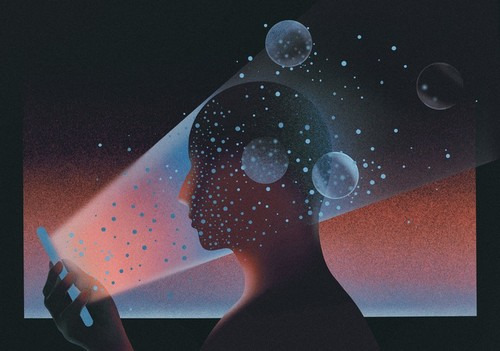
The ‘Google Effect’ is the phenomenon where the brain does not bother to store information because it can be retrieved at any time. The internet has become a vast ’external memory storage.’ The more serious issue is that constant notifications and hyperlinks train our brains to be distracted, diminishing our capacity for deep thinking.
New Challenges Posed by AI
The emergence of generative AI like ChatGPT has elevated this issue to a new level. According to MIT research, groups using ChatGPT exhibited less neural activity than those relying solely on their brains and struggled to remember even what they had written. This shows that we are outsourcing not just information retrieval but the cognitive process of structuring thoughts themselves.
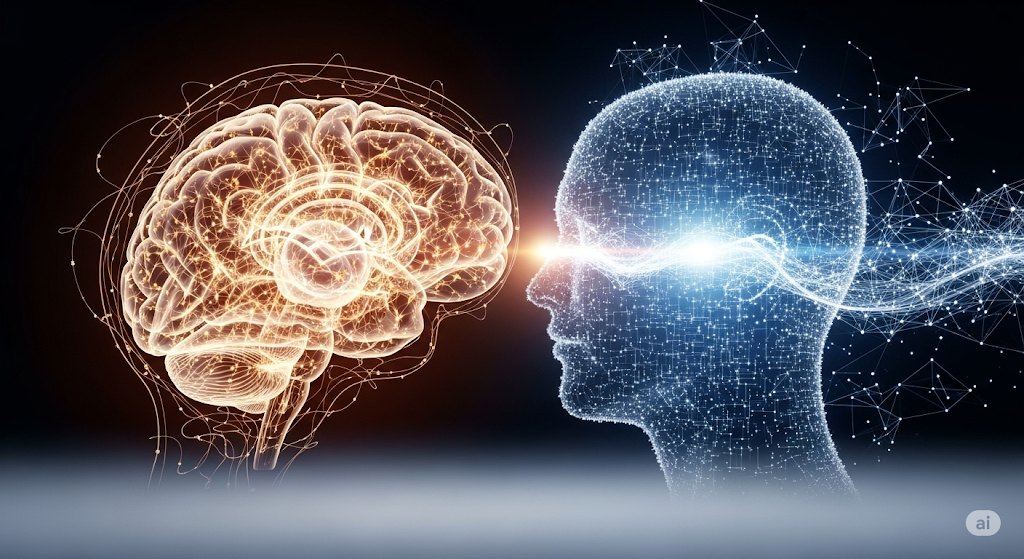
Ultimately, our role in modern society is shifting from ‘discoverers’ of information to ‘verifiers’ of information. Ironically, critical verification skills are developed through deep thinking training, yet the technology we rely on undermines the very foundation of that ability, creating a significant dilemma.
How to Wisely Pursue Knowledge in the Digital Age
We cannot reject technology. Instead, we need the wisdom to consciously use it as its masters.
- Embrace ‘productive ignorance’: Like Socrates, spend time wrestling with questions before searching for answers. This is the best training for cultivating your own thinking power.
- Allocate time for deep reflection: Intentionally disconnect from digital devices and create ‘intellectual space’ to quietly organize and reflect on what you have learned.
- Become the master of tools: Use Google and AI not as replacements for your thoughts but as assistants that ’extend’ them. The ultimate responsibility for judgment must always remain yours.
Conclusion: An Endless Journey
The human journey towards knowledge begins with the biological instinct of pleasure when learning something new, traversing a great exploration of the external world and the inner self. Now, we are seeking new routes in the face of the massive wave of digital technology.
Key Takeaways:
- Curiosity is instinctive: Our brains are designed to release dopamine when learning something new, providing pleasure.
- True knowledge begins within: As Socrates taught, knowing one’s ignorance is the starting point of wisdom.
- Technology is just a tool: The key competency in the digital age is not the ability to find information but the ability to discern its truth and think critically.
True knowledge is an endless process that makes us more complete human beings. That journey continues now, at your fingertips. How about choosing a topic you’ve been curious about and spending 30 minutes pondering it instead of relying on a search right away?