
People Who Have Lost Their Pause
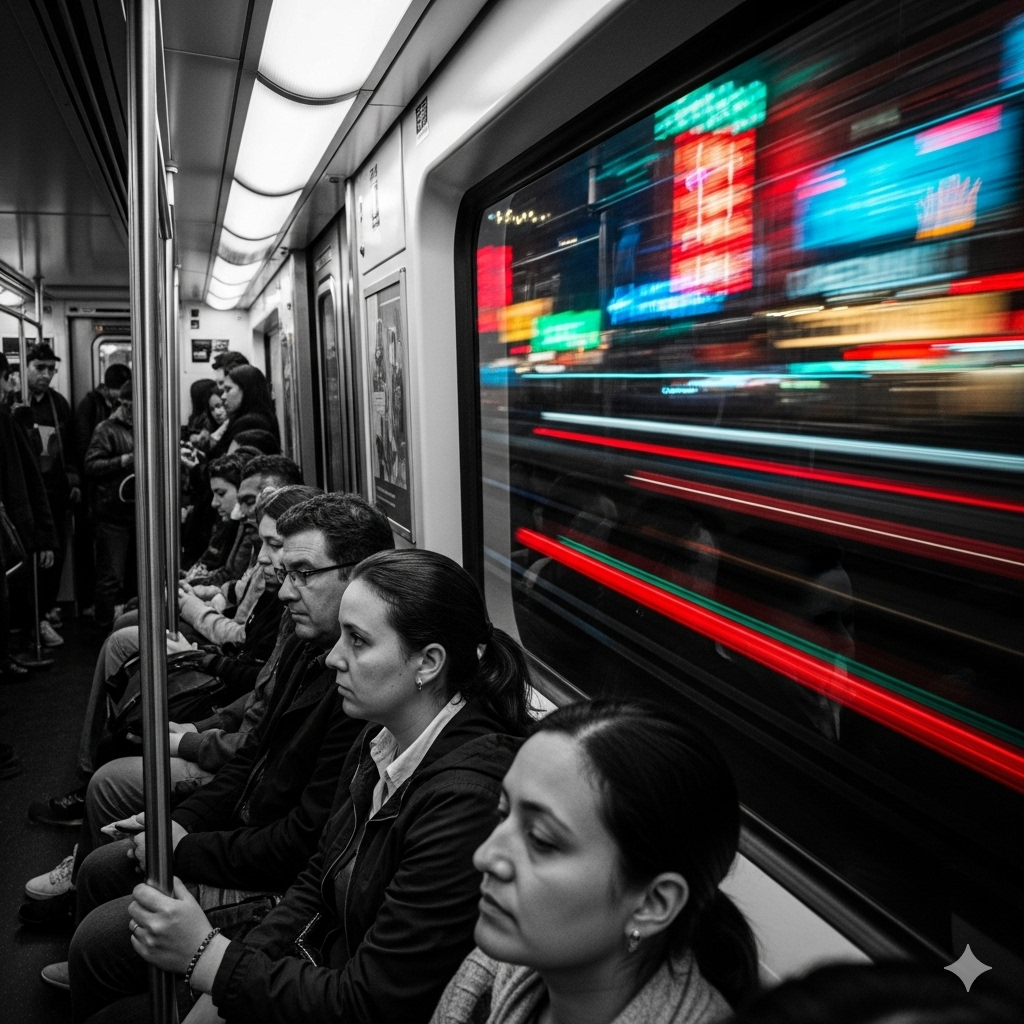
In a small village, there lived people who had lost their shadows. Strangely, these villagers would head to work at sunrise and return home exhausted at sunset, too busy to sleep. For them, a shadow was a luxury. They had no time to pause and reflect on themselves. The belief that they must constantly do something to survive was the only law governing this village.
Our story seems not so different from that village. We have been running breathlessly, shouting “Faster, higher, more!” But suddenly, in a corner of our hearts, isn’t there an unfulfilled emptiness and a deep question of ‘what are we striving for?’ Perhaps we are living without the time to care for the most important thing: ourselves.
Chapter 1: The Trap Named ‘Hard Work’
Who Said Labor is Sacred?
“Let those who do not work not eat!”
This is a phrase we have heard since childhood. Diligence and sincerity are considered the highest virtues in our society, and everyone whips each other into shape as if laziness for even a moment would lead to disaster. But let’s think for a moment: Are humans born to work?
Long ago, ancient sages viewed labor as painful. They did not regard the consumption of the body for livelihood as honorable for a free-spirited human. For them, true value lay in leisure—reflecting, enjoying art, and engaging in conversations together.
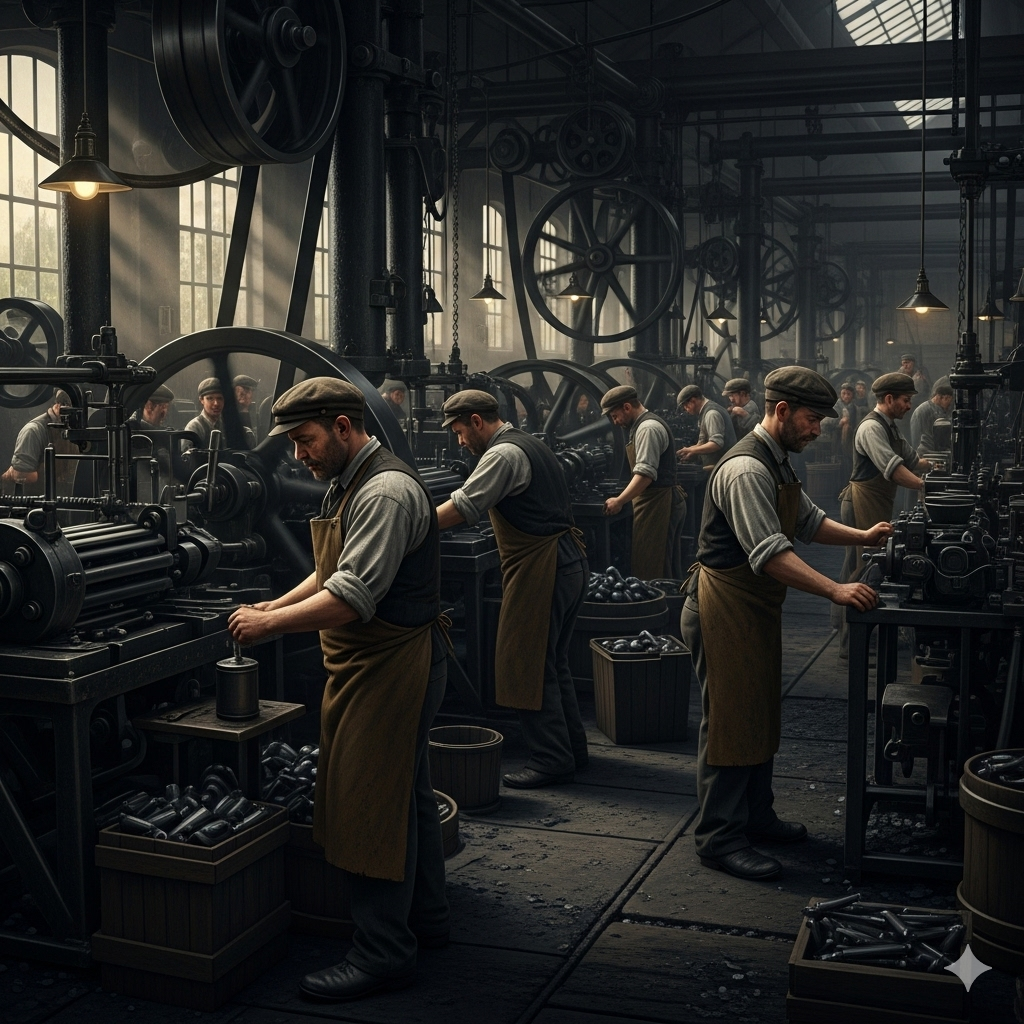
But at some point, the world turned upside down. As competition began to produce more and own more, ‘work’ transformed into the most sacred act. Becoming a cog in the machine that works tirelessly was seen as a hallmark of success. Clergy preached the sanctity of labor, economists promised that more work would bring greater wealth, and moralists condemned laziness as the root of all evil.
Too Much is Worse Than Not Enough: The Tragedy of Overproduction
Like the advertisement that says, “You who worked hard, go away!”, we believe that if we work hard, happiness will eventually come. But what is the reality?
As everyone worked like crazy, the world began to overflow with goods. Warehouses filled with unsold products gathering dust. With people’s wallets unchanged, it was only natural that goods continued to pour out. Eventually, factories unable to handle the surplus began to close, and those who had worked all night found themselves out of jobs overnight.
It’s a strange situation. Working too hard and producing too much has led to suffering for everyone. It was as foolish as drinking seawater when thirsty. The blind rush towards ‘more’ has returned as a boomerang threatening us all.
Chapter 2: The Wisdom Named ‘Laziness’
What If We Only Worked Three Hours?
What if a world came where we could only work three hours a day? You might wave your hand and say, “Oh, such a world doesn’t exist!” But this is not a fanciful dream.
The world we live in has advanced remarkably. Machines now work faster and more accurately than dozens or hundreds of human arms combined. Theoretically, we should be able to delegate hard tasks to these smart machines and enjoy leisure with much less work time.
But the reality is the opposite. As technology advances, our working hours do not decrease; instead, they cunningly increase. We check work emails on our smartphones after hours and worry about unfinished tasks even on weekends. Machines have become not our helpers but rather our harsh masters.
In Search of True Wealth
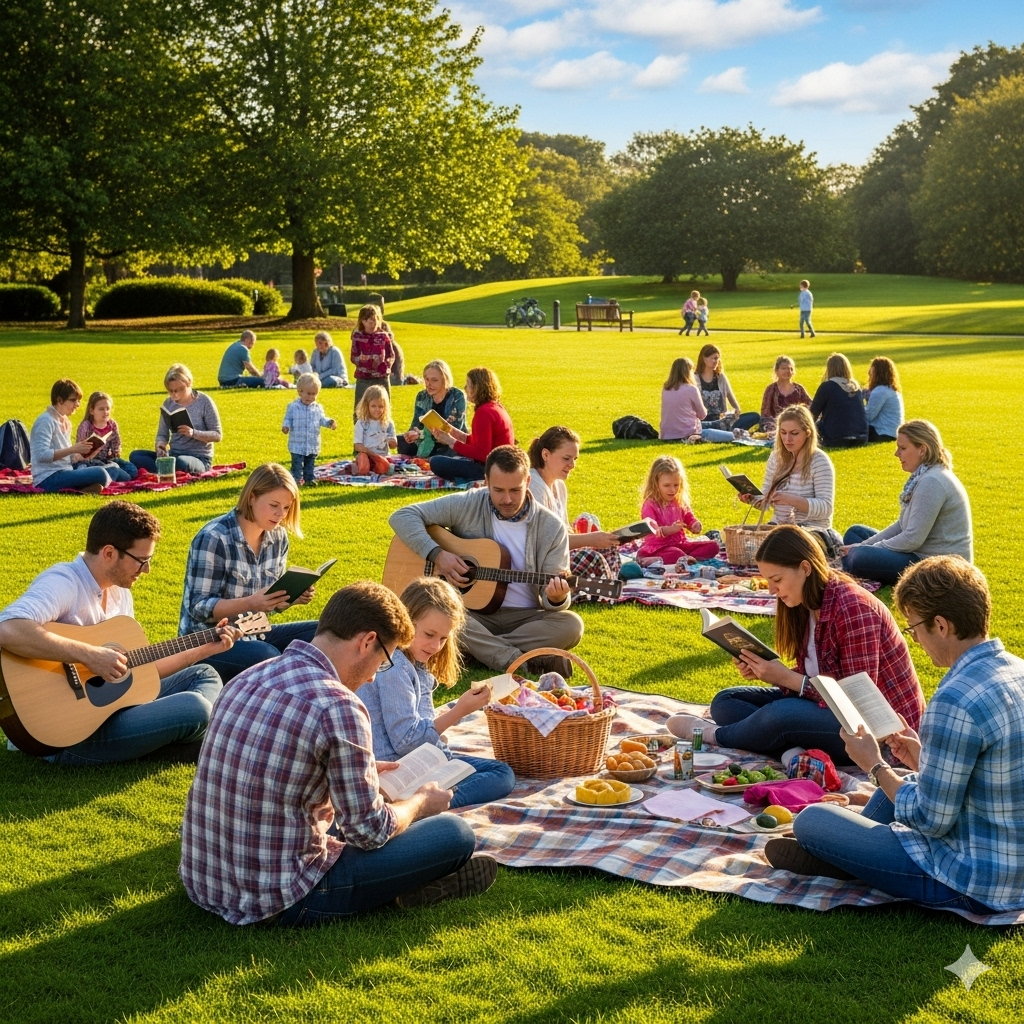
What we need to reclaim is the ‘right to be lazy.’ Here, laziness does not mean idly letting time pass without doing anything. It signifies ‘creative leisure’—using time entirely for oneself, free from the shackles of labor.
Think about it. What can we do with our remaining time?
- Time to Meet the Forgotten Self: We can read the books we’ve postponed due to lack of time and listen to our favorite music. We might discover a new side of ourselves by painting on a blank canvas or learning to play an instrument, even clumsily.
- Time with Precious People: We can have dinner with our beloved family and share trivial stories with friends, blooming laughter. Relationships that were neglected due to work will be restored, enriching our lives.
- The Freedom to Do Nothing: Sometimes, we can simply gaze at the sky or take a walk in the park without any thoughts. Such moments of ‘pause’ are the best tonic to rejuvenate our tired bodies and minds.
Reclaim Your Shadow
A sage appeared in the village that had lost its shadows and said:
“Everyone, pause what you are doing and look at the sky. Then walk slowly. Beneath your feet, your shadow, which resembles you closely, will quietly follow you.”
The villagers hesitated but stopped working. To their amazement, the shadow they had lost revealed itself. The shadow was not of them working hard but of them smiling leisurely.
What we need is this ‘courage to pause.’ Stepping away from the gears of a tightly wound diligent society, reclaiming our own pace. That will be the first step in regaining the happiness and meaning of life that we have lost.
Today, what does your shadow look like?