
One Afternoon in Gangnam: A Ferrari
Imagine a sunny weekend afternoon where you are sitting by the window of a café in Gangnam, enjoying your coffee. Suddenly, a dazzling red Ferrari glides to a stop by the roadside, its engine roaring like a heartbeat. All eyes in the café naturally turn towards it. The car door opens, and a young driver in stylish attire steps out. Most of us would think, “Wow, that person is really wealthy.”
I used to think that way too. I believed that shiny, expensive, and glamorous things equated to ‘wealth.’ Our society has conditioned us to judge success by what we can see: nice cars, expensive watches, and fancy dinners.
But today, I want to shake up a solid belief that has been lodged in your mind for a long time. What if that dazzling Ferrari is not a ‘proof of wealth’, but rather the most dramatic display of ’the moment wealth disappears’?
In Morgan Housel’s book, The Psychology of Money, it states, “Wealth is what you don’t see.” This single sentence is the key to understanding the great illusion of our world and the secret of those who quietly build real wealth within it.
1. The Glamorous Lies of What We See
The biggest trap we often fall into is thinking that ’earning money well (high income)’ and ‘having a lot of money (real wealth)’ are the same thing. When our salary increases, we buy better cars and move into bigger houses. This makes us feel like we have become wealthy. However, that is merely having the ‘power to flaunt wealth’, which can be very different from true wealth.
Let’s think about it. If someone buys a car worth 100 million won, their wealth has decreased by exactly 100 million won the moment they purchase that car. Of course, a beautiful car remains, but its value begins to incur an ‘invisible tax’ called depreciation the moment it hits the road. In other words, what they have shown us is not 100 million won of ‘wealth’ but rather 100 million won of ‘consumption.’
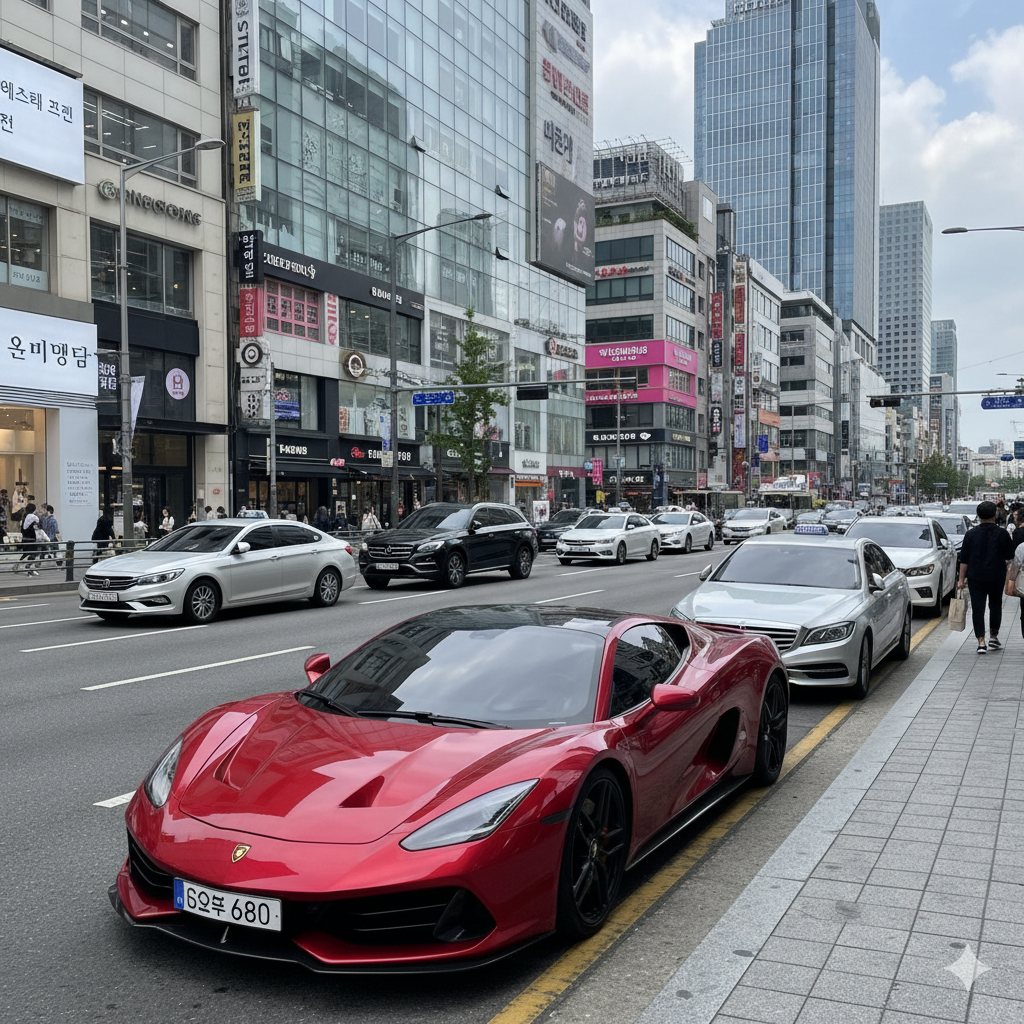
What we see on the streets is not people’s wealth but the traces of money they have spent. We can guess how much someone earns, but we can never know how much remains in their bank and stock accounts.
This is the essence of ‘invisible wealth.’ True wealth is the luxury car you haven’t bought yet, the designer watch you haven’t splurged on yet, and the first-class plane ticket you haven’t booked yet. In other words, it is the money that remains unspent, a result of temporarily setting aside today’s desires to gain more freedom and opportunities in the future.
- If income determines the size of the car engine,
- Ego (the desire to show off) determines how hard you press the accelerator.
No matter how powerful the engine, if you always drive at full speed, the fuel will run out quickly.
2. People Becoming Poor to Live ‘Like Others’
In our society, there is a strong obsession with ‘visible wealth.’ The invisible pressures of ‘face’ and ‘others’ perceptions’ deeply influence our spending habits.
“I have a social status, so I should drive a car like this.” “Everyone else has this apartment; if we don’t, it feels like we’re falling behind.”
Such thoughts lead us to buy houses by ‘pulling together every last bit of our soul (영끌)’ and sign contracts for luxury car loans that are hard to manage. It’s a sad irony that we willingly choose the path to real poverty just to avoid appearing poor to others.
Let me share the stories of two friends I know.
- Friend A: He earns a high salary at a large corporation that everyone envies. He changes to the latest imported car every year, and his social media is filled with photos of overseas golf trips and luxury shopping. Everyone thinks he is a successful wealthy person. However, he eagerly awaits payday each month just to pay off his credit card bills and loan interests. His actual wealth is close to negative.
- Friend B: He earns less than A at an ordinary company. He drives an older domestic car and prefers comfortable clothes over flashy ones. His social media is quiet. However, he consistently saves more than half of his salary and has been quietly investing in good stocks and funds without others knowing. His wealth is growing quietly but steadily. He will gain the freedom to leave his job and start doing what he truly wants within a few years.

So, who is the real wealthy person among the two? The world’s gaze and envy are directed at A, but the capitalist system is gifting true wealth to B.
3. How Quiet Wealthy People Handle Money
So how can we break free from this great illusion and build ‘invisible wealth’? The start is simple. It begins with viewing money not as ‘a display item’ but as a ‘freedom ticket.’
First, redefine your wealth goals. What do you truly want to achieve with money? Is it the envy of others, or the freedom to say “no” to things you don’t want to do? Is it the stability that won’t shake even in sudden crises? Or is it the leisure to spend quality time with loved ones? True wealth is not about money itself but the power to move your life according to your will, which is your ‘choice.’ This choice may be invisible, but it will provide greater satisfaction than any luxury handbag.
Second, think of savings as ‘future freedom purchasing power.’ We often see saving as the pain of sacrificing current pleasures. But change your perspective. If you save 100,000 won today, it’s like buying a ‘freedom ticket’ that allows you to refuse overtime work you don’t want to do in the future, alleviating worries about medical expenses when you suddenly fall ill, or taking an impromptu trip. Once you realize this, saving can transform from a painful endurance into the most exciting investment.
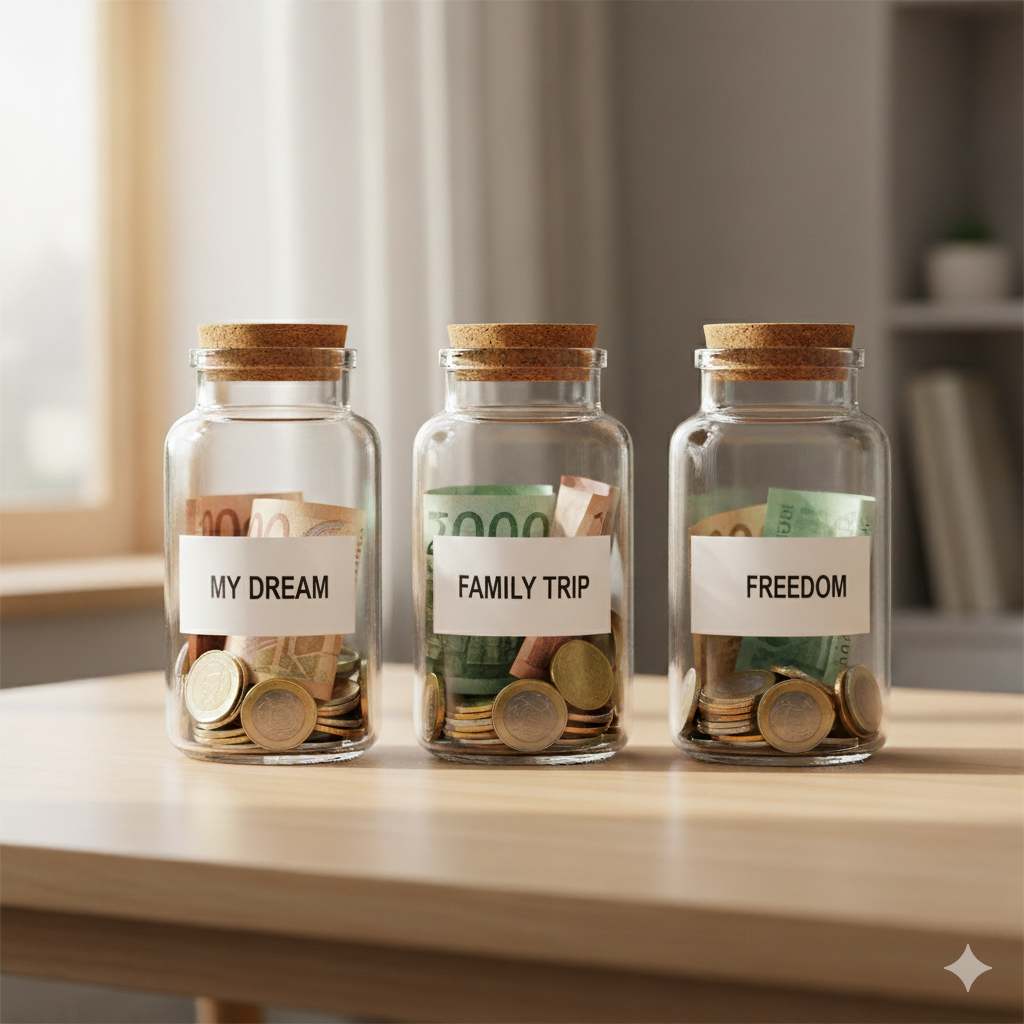
Third, label your money. A vague goal of ‘becoming wealthy’ makes it hard to save money. Instead, give specific names to your savings and investments. For example, ‘seed money to start my shop in three years,’ ‘fund for my parents’ world trip in ten years,’ or ‘retirement pension for economic freedom in twenty years.’ Money with labels is no longer just a number; it becomes your precious dream. This way, you can more easily resist the temptation of trivial spending to protect that dream.
Your Quiet Superpower
Let’s return to the story of the Ferrari. The admiration we feel when we see that car is due to its beautiful design and performance, not the possibly empty bank account of the driver who bought it.
From now on, slightly change your perspective. When you see someone consuming extravagantly, instead of thinking, _‘That person is wealthy,’ think, _‘That person has exchanged today’s wealth for happiness.’ And as you see yourself saving and investing steadily but modestly, congratulate yourself by saying, ‘I bought a little more freedom for the future today.’
True wealth is not about boasting loudly but quietly accumulating. It is like a secret superpower known only to you. There’s no need to show it to anyone, but it will protect you in the most important moments of your life and become the strongest force that gives you wings.
Your true wealth depends not on what you show today but on what choices you can make tomorrow.