Invisible War: The Giants' Shoulders Protecting Democracy
phoue
•4 min read•--
Silent Invasion: Shadows That Shook the Election
It was 2016, during the heated U.S. presidential election. An invisible guest visited the Democratic National Committee (DNC) computer network. Their intrusion was so quiet and secretive that no one noticed at first. However, soon sensitive internal emails and documents began to be published on leak sites. The election landscape was turned upside down, and candidates found themselves in a difficult situation. Behind all this chaos was a hacking group known as ‘Strontium’.
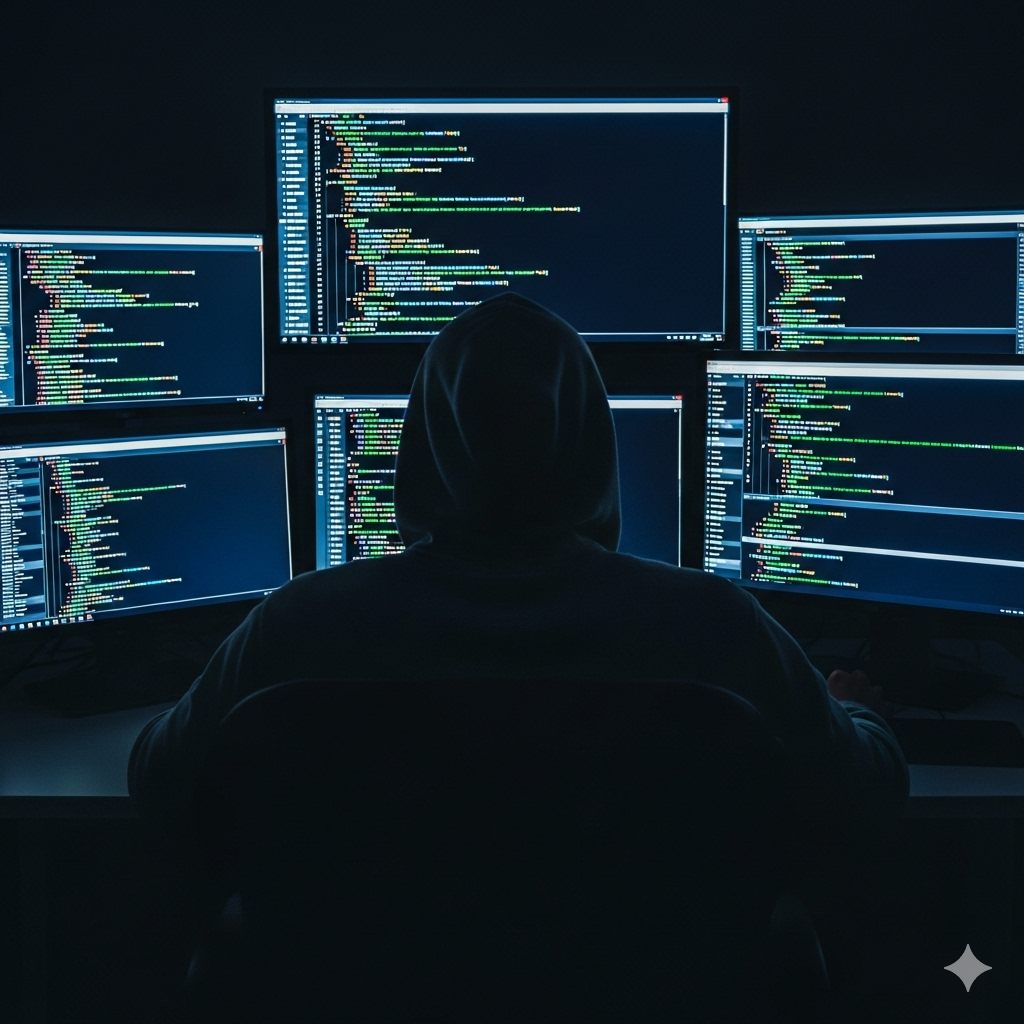
Image of a dark room with complex code on multiple monitors and the silhouette of a hooded figure
Better known as ‘Fancy Bear’ or ‘APT28’, they were not an ordinary hacking group. It was revealed that a Russian intelligence agency was behind them. Their goal was not just to steal information but to directly influence the election through cunning information disclosure, fostering social distrust and division. Like a silent gunshot, their keyboard typing was shaking the very foundations of a nation’s democracy. This incident shocked the world and marked the beginning of a new battlefield in cyberspace threatening democracy.
The Giant Awakens: Microsoft’s InvolvementMicrosoft Logo
The company that witnessed this silent war up close was Microsoft (MS), responsible for the operating systems and software of countless computers worldwide. Many of the hacking techniques used by Strontium targeted vulnerabilities in MS products like the Windows operating system and Office 365. Seeing their technology used as a weapon against democracy, MS concluded that they could no longer remain a bystander.
The events of 2016 served as a wake-up call for MS, transcending mere technical issues to highlight a kind of social responsibility. MS’s security team began to meticulously analyze Strontium’s attack patterns. They identified how hackers created fake websites to deceive people and stole passwords through cleverly disguised emails (spear phishing). MS then resolved to go beyond passive defenses like setting up firewalls and updating antivirus software and to directly counterattack the attackers threatening democracy.
Beyond Shields: The Role of the Digital Guardian
MS’s response was swift and proactive. Under the name ‘Defending Democracy Program’, they launched a comprehensive offensive utilizing technology, legal measures, and information.
Destroying the Traps of Fakes
Strontium created dozens of fake domains (website addresses) similar to MS’s services as a foothold for hacking. For example, they lured people with addresses that looked real, like ‘my-microsoft.com’, to steal account information. To combat this, MS filed lawsuits. They successfully seized and disabled ownership of 84 fake websites created by the hackers, a significant achievement that directly blocked the hackers’ attack routes.
Graphic image showing multiple fake website addresses being blocked with a red X mark
Alerting to Invisible Threats
MS no longer kept the threat information collected through its vast network solely internal. Ahead of the 2018 U.S. midterm elections, when they detected signs that Strontium was attempting new hacks targeting specific candidates, MS immediately informed the government and the respective election campaigns. This proactive measure helped prevent potential damage. This was a symbolic event showing that corporations can be crucial partners in national security.
Protecting Democracy with Technology
Furthermore, MS began offering security services like ‘AccountGuard’ for free to political candidates, parties, and non-profit organizations. This was a measure to protect relatively vulnerable core institutions of democracy from sophisticated attacks by state-sponsored hacking groups. Additionally, they developed open-source software ‘ElectionGuard’ to enhance the transparency and reliability of voting, allowing anyone to verify election results.
A Shield Built Together: Cooperation Between State and Corporations
Image symbolizing the collaboration of corporate technology and state efforts The hacking incident of 2016 left us with an important lesson. Today, the enemies threatening democracy hide in cyberspace without borders or forms. And this new threat cannot be stopped by government power alone.
Microsoft’s case clearly demonstrates how the technological capabilities and information of private companies can play a vital role in national security and the defense of democracy. If the government establishes a framework with laws and regulations and provides direction, technology companies like MS can create the most efficient and powerful ‘digital shield’ within that framework.
The attacks from Strontium continue even at this moment. They are likely targeting the vulnerabilities of democracy with more cunning methods. However, we now have the costly experiences of 2016 and the strong shoulders of ‘giants’ willing to step up to protect democracy based on those experiences. The invisible war will continue, but as long as the state and corporations join hands, our democracy will not be easily shaken.