
Why Does the Value of Money Keep Changing?
Gain wisdom to protect your wallet through the vast history of inflation.
- Understand the main causes and consequences of inflation throughout human history.
- Grasp the role of modern central banks and their policy dilemmas.
- Forecast structural changes that will impact future prices, including AI and de-globalization.
Introduction: The Invisible Thief in Your Wallet, Inflation
I vividly remember being shocked by soaring prices every time I went grocery shopping in 2021 and 2022. The term inflation has become a reality that quietly steals the value of the money in all our wallets, no longer just a concept in textbooks.
This invisible thief has been with humanity since the invention of money. At times, it has served as a lubricant for economic growth, but the moment it escapes control, it transforms into a disaster that destroys the entire trust system of society. This article serves as a guide on a grand journey, exploring the first ‘betrayal of money’ in ancient Rome, the birth of central banks, the tragedy of hyperinflation, and the future price landscape led by AI.
Part 1: Original Sin - The Birth of Inflation and the First Betrayal
From the Inconvenience of Barter to the Birth of Currency
In the days without money, a farmer had to go through multiple complicated exchanges to obtain bread, salt, and shoes by selling a cow. This refers to the ‘double coincidence of wants’ problem, meaning that a transaction can only occur if the other party simultaneously wants what I have.
To solve this inconvenience, humanity used ‘commodity money’ like shells or salt and eventually created coins from metals like gold and silver that do not decay and are easy to divide. Around 650 BC, the Kingdom of Lydia minted the first coins, guaranteeing weight and purity with a ‘royal seal.’ This dramatically increased the trust and speed of transactions, but at the same time, it gave the state the power to deceive that value.

In ancient China, shells were used as currency, which is reflected in the character ‘貝’ meaning ‘wealth.’
Lessons from the Roman Empire: The First State-Led Inflation
The first large-scale state-led inflation began in the vast commercial empire of Rome. In AD 64, Emperor Nero reduced the silver content of the silver coin ‘denarius’ and mixed in cheap copper to cover the costs of reconstruction and luxury after the Great Fire, a practice known as ‘currency debasement.’
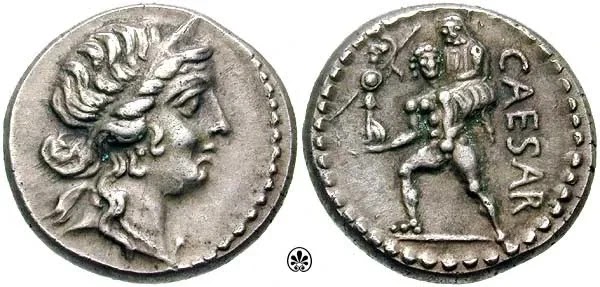
After Nero, the silver content of the denarius continued to decline, and by the mid-3rd century, it had nearly fallen to the level of copper coins.
This trick gave rise to Gresham’s Law, stating that “bad money drives out good money,” leading to murderous inflation. Ultimately, the monetary economy collapsed, regressing to a barter system and contributing to the fall of the Western Roman Empire.
Part 2: The Alchemist of Debt - The Era of Central Banks
Central Banks Born from War and Debt
The prototype of modern central banks, the Bank of England (founded in 1694), was established to cover the costs of war with France. The government granted merchants the exclusive right to ‘issue currency’ backed by ‘government debt (bonds)’ in exchange for borrowing £1.2 million. This marked the birth of the key mechanism of the modern monetary system, combining government financial needs with private capital profit-seeking.
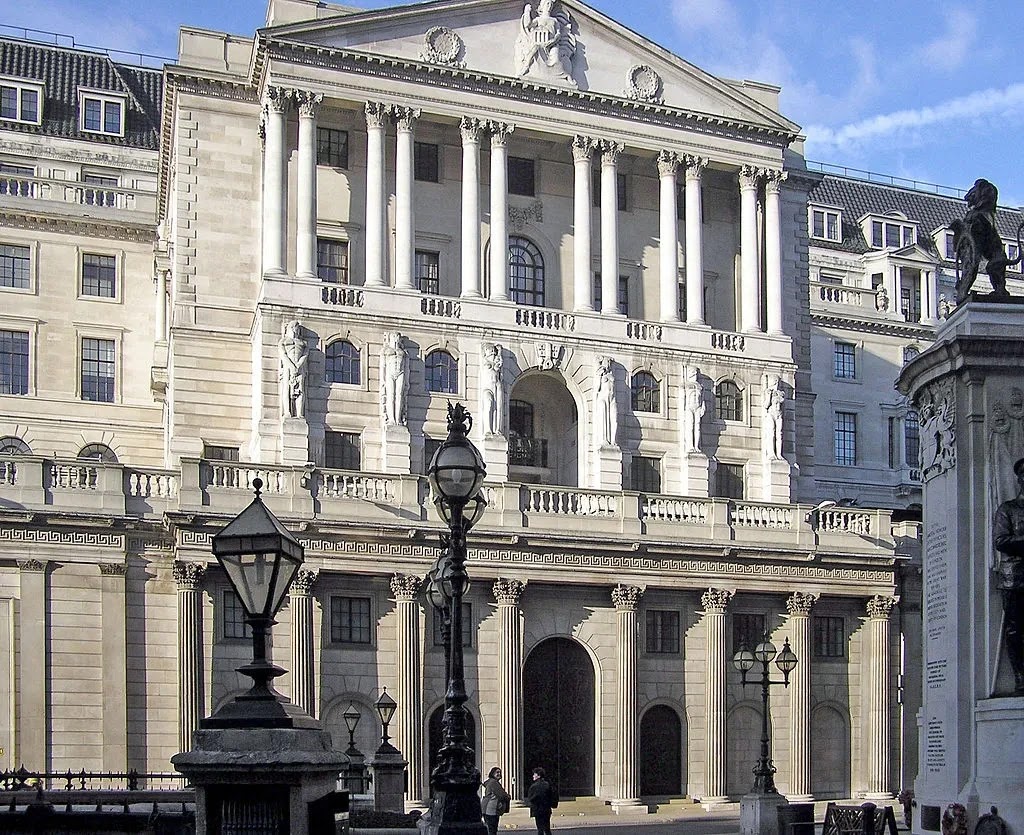
The Bank of England became the first modern central bank by obtaining the monopoly on banknote issuance in exchange for financing the government’s war efforts.
The First Debate Over Money Supply
During the Napoleonic Wars, the Bank of England, having suspended the gold standard, excessively issued banknotes, causing prices to soar, leading to the first macroeconomic debate in history known as the ‘Bullionist Controversy.’
- Bullionists (like Ricardo): “Excessive issuance of currency is the direct cause of inflation.”
- Anti-Bullionists (like bankers): “Real economic issues like war or crop failures are the cause.”
This debate publicly highlighted the fact that an increase in money supply leads to rising prices, marking the beginning of discussions on central bank independence.
Part 3: When Money Dies - The Tragedy of Hyperinflation
What tragedies unfold when a central bank succumbs to government pressure and becomes a ‘money printing machine’? The case of the Weimar Republic in the 1920s starkly illustrates this devastation.
Tears of Weimar: The Era of Money on Carts
After losing World War I, the German government printed money recklessly to pay astronomical war reparations. This was a classic case of ‘monetizing the fiscal deficit,’ leading to one of the worst economic disasters in human history.

As the value of money fell below that of a piece of paper, banknotes were used for fuel or wallpaper.
Workers received their wages twice a day to immediately stockpile goods, and life savings became worthless overnight. The middle class collapsed, and social trust eroded, ultimately creating fertile ground for Hitler and the Nazi Party to rise.
Comparison: Major Hyperinflation Cases
Hyperinflation is not merely a phenomenon of rising prices; it is a disaster that destroys the entire trust system of society.
| Category | Weimar Republic (Germany) | Hungary | Zimbabwe |
|---|---|---|---|
| Duration | 1921-1923 | 1945-1946 | 2007-2009 |
| Peak Monthly Inflation Rate | 29,500% | 4.19×10¹⁶% | 7.96×10¹⁰% |
| Time to Double Prices | 3.7 days | 15 hours | 24.7 hours |
| Major Causes | War reparations, monetization of debt | War damage, fiscal collapse | Political failure, government corruption |
Part 4: The Modern Battlefield - From the End of Gold to the Perfect Storm of 2020
Parting with Gold and Stagflation
In 1971, President Nixon’s declaration of the suspension of the dollar’s gold convertibility, known as the ‘Nixon Shock,’ freed humanity’s currency from the shackles of physical assets, entering the era of ‘fiat money’ reliant solely on government ‘credit.’
Immediately after, in the 1970s, the oil crisis from the Middle Eastern wars triggered ‘stagflation,’ where recession and soaring prices occurred simultaneously. The nightmare ended with Fed Chairman Paul Volcker, who raised interest rates to 20% as a drastic measure to curb ‘inflation expectations,’ proving that the central bank’s most important mission is to maintain trust in price stability.

The surge in oil prices drastically increased production costs, leading to global stagflation.
Perfect Storm: The Culprits of 2020s Inflation
The pandemic in 2020 brought about a ‘perfect storm’ that ended the 40-year era of low prices.
- Supply Shock: COVID-19 lockdowns paralyzed global supply chains.
- Surge in Demand: Massive fiscal stimulus from governments flooded the market with money, increasing demand for goods.
- Energy Crisis: Russia’s invasion of Ukraine skyrocketed energy and grain prices.
These complex factors collided, resulting in the worst inflation in 40 years.
Part 5: Future Inflation - The New Frontlines
Mountains of Debt and the Dilemma of Central Banks
With the surge in government debt due to pandemic responses, the threat of ‘fiscal dominance’ has grown. This refers to a situation where the central bank is pressured not to raise interest rates despite inflation due to the government’s massive interest burden.
Particularly in South Korea, the ’twin mountains’ of household debt, which is the highest in the world relative to GDP, and rapidly increasing national debt create a more complex dilemma. Raising interest rates risks collapsing households and the real estate market, while keeping rates low makes it difficult to control inflation, leading to a catch-22 situation.
The Song of Fire and Ice: Two Forces Determining Future Prices
Future inflation will be determined by the clash of two opposing mega-trends.
- Fire of Inflation:
- De-globalization (Slowbalisation): Prioritizing security over efficiency increases production costs.
- Greenflation: Prices of key minerals needed for the green transition soar.
- Demographic Changes: The era of cheap labor ends, increasing wage pressures.
- Ice of Deflation:
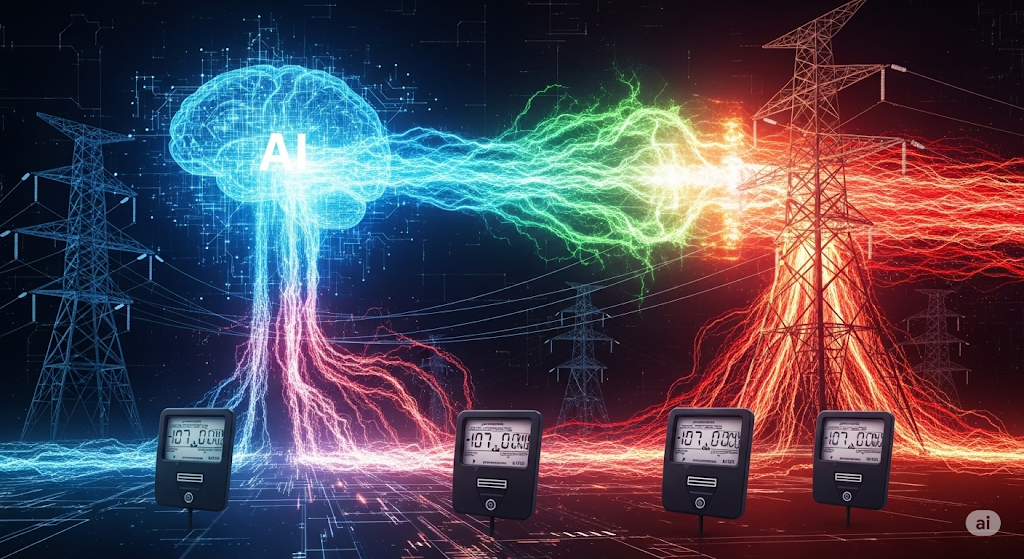
- Artificial Intelligence (AI): Dramatically enhances productivity across the economy, reducing costs.
Conclusion
The history of money is ultimately a story about trust. We have trusted the royal seal, the promises of governments, and the capabilities of central banks. Inflation is the most evident symptom that arises when that trust wavers.
-
Key Takeaways:
- Inflation is a matter of trust: The value of money is based on the social trust that the government and central banks will maintain that value reliably.
- History Repeats Itself: Excessive national debt and the monetization of fiscal deficits have historically always led to the tragedy of inflation.
- The Future is More Complex: Future prices will be determined by the tug-of-war between de-globalization, green transitions (inflationary factors), and advancements in AI technology (deflationary factors).
-
Next Steps (CTA): Now we should ask not “Will inflation come?” but “What kind of inflation will hit which sectors?” Understanding this complex interaction will be the first step in protecting our assets in an uncertain future.
References
- Currency and the Collapse of the Roman Empire The Money Project
- Roman Currency Debasement UNRV.com
- Rome’s Runaway Inflation: Currency Devaluation in the Fourth and Fifth Centuries Mises Institute
- When Money Had No Value Facing History & Ourselves
- [Inflation Economics] Hyperinflation of the Weimar Republic [Mankiw’s Economics in Comics] YouTube
- The Great Moderation Federal Reserve History
- The Weimar Republic Holocaust Encyclopedia
- Hyperinflation/Cases Namu Wiki
- Anti-Civilian Literature of the Weimar Republic S-Space
- Weimar Republic: Definition, Inflation & Collapse History.com
- Stagflation and the oil crisis Khan Academy
- Stagflation in the 1970s Investopedia