
Unraveling the Amazing Success Myth of IKEA Food, the World’s Largest Restaurant Disguised as a Furniture Store.
- The background of IKEA Food’s birth and founder Ingvar Kamprad’s philosophy
- The spatial psychology of IKEA stores that opens customers’ wallets (Gruen Effect)
- From classic meatballs to plant balls, IKEA’s sustainability vision
Do you know what the best-selling product at IKEA is? I initially thought of the BILLY bookshelf, but surprisingly, the answer is meatballs. IKEA Food sells 1 billion meatballs annually, accounting for about 6% (approximately $2.9 billion) of total sales, making it a massive business segment. This goes beyond a simple side menu; it is the core driving force that has made IKEA one of the top 50 food companies in the world.
How did a flat-pack furniture company become such a powerful food chain? This is not a coincidence but the result of one of the most brilliant marketing strategies in history that penetrates human psychology.
The Beginning of IKEA Food: “Hungry Customers Don’t Shop”
Every story begins with the ’no-nonsense’ pragmatism of IKEA founder Ingvar Kamprad. In the 1950s, he discovered an important fact at the first showroom in Älmhult, Sweden: customers would leave the store for meals during lunchtime.
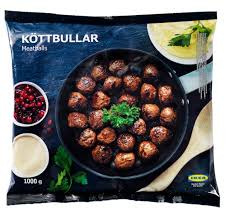
Hungry customers struggle to focus on shopping and hesitate to make purchases. This simple insight led to IKEA’s firm management philosophy: “It’s tough to do business on an empty stomach”.
Kamprad’s solution was to address customers’ basic needs, keeping them in the store longer. Starting with coffee and biscuits in 1953, he opened a formal restaurant called ‘IKEA Baren’ in the Älmhult store in 1960. This was a practical and strategic tool to ensure customers could continue their shopping experience without interruption. He transformed the store from a mere transaction space into a ‘destination’ where customers could spend time, and IKEA Food became the glue that held the massive IKEA experience together.
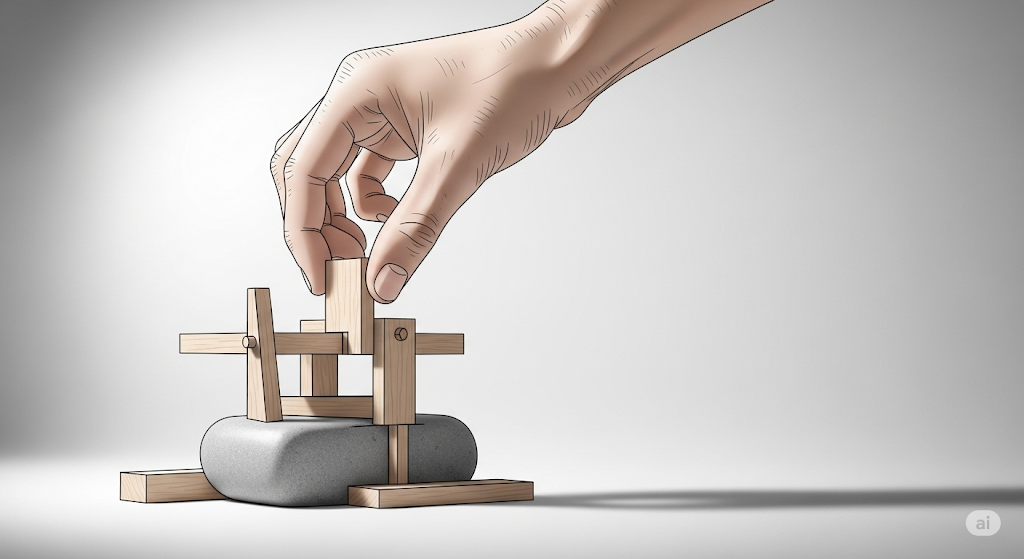
The Secret of Captivating Customers: The Gruen Effect
IKEA stores are a massive psychological stage that perfectly controls customer movement. This design maximizes the psychological principle known as the ‘Gruen Effect’. The Gruen Effect refers to the phenomenon where shoppers lose track of time and make unplanned impulse purchases due to the overwhelming environment of a shopping mall.
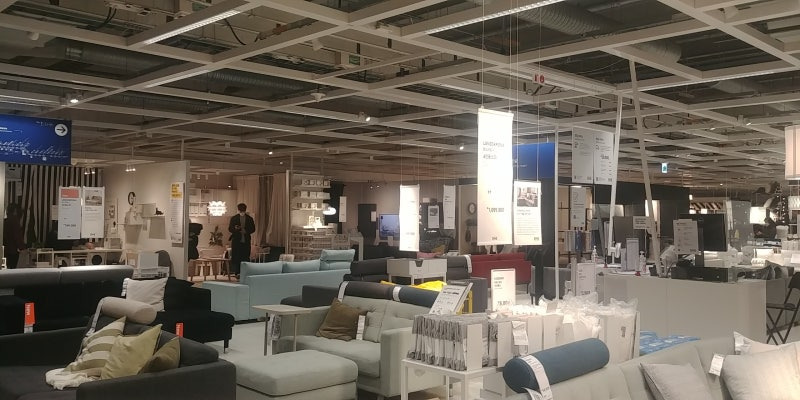
The key to this effect is the ‘Forced Path’, which is structured like a maze. This layout encourages customers to see almost all products and makes it difficult to return to previously passed areas, creating a scarcity effect that suggests they must buy now.
In the middle of this long and exhausting journey is the restaurant, strategically placed at the most perfect point. A cheap and delicious meal provides a reward that induces happiness for tired shoppers. This leads to the Priming Effect, making it easier for customers to open their wallets in the later stages of shopping. Gert Divald, former head of IKEA Food, stated, “We called meatballs the ‘best sofa salesperson.’”

Additionally, the incredibly low price of meatballs creates a Halo Effect, fostering a positive perception of the entire brand. The strong belief that ‘IKEA offers great value’ influences all other furniture as well.
The Evolution of IKEA’s Icon, the Meatball
The meatball, the symbol of IKEA Food, was born in 1985 from the hands of chef Sevérin Chasséte. The Köttbullar, made with a golden ratio of beef and pork, introduced the taste of Swedish tradition to the world. Interestingly, it has been revealed that the original recipe was brought back by an 18th-century Swedish king from Turkey (the Ottoman Empire) and is known as ‘köfte’.
IKEA meatballs have continuously evolved to meet the demands of the times.
In 2015, chicken balls and veggie balls made from vegetables were introduced, and in 2018, salmon balls made from fish flesh were launched with sustainability in mind.
Then in 2020, the ‘HUVUDROLL Plant Ball’ was introduced, reaching its peak. The plant ball almost perfectly replicates the taste and texture of the original meatball while having only 4% of the climate footprint. This shows that meatballs have evolved from being just delicious food to a medium that embodies IKEA’s commitment to the future of the planet.
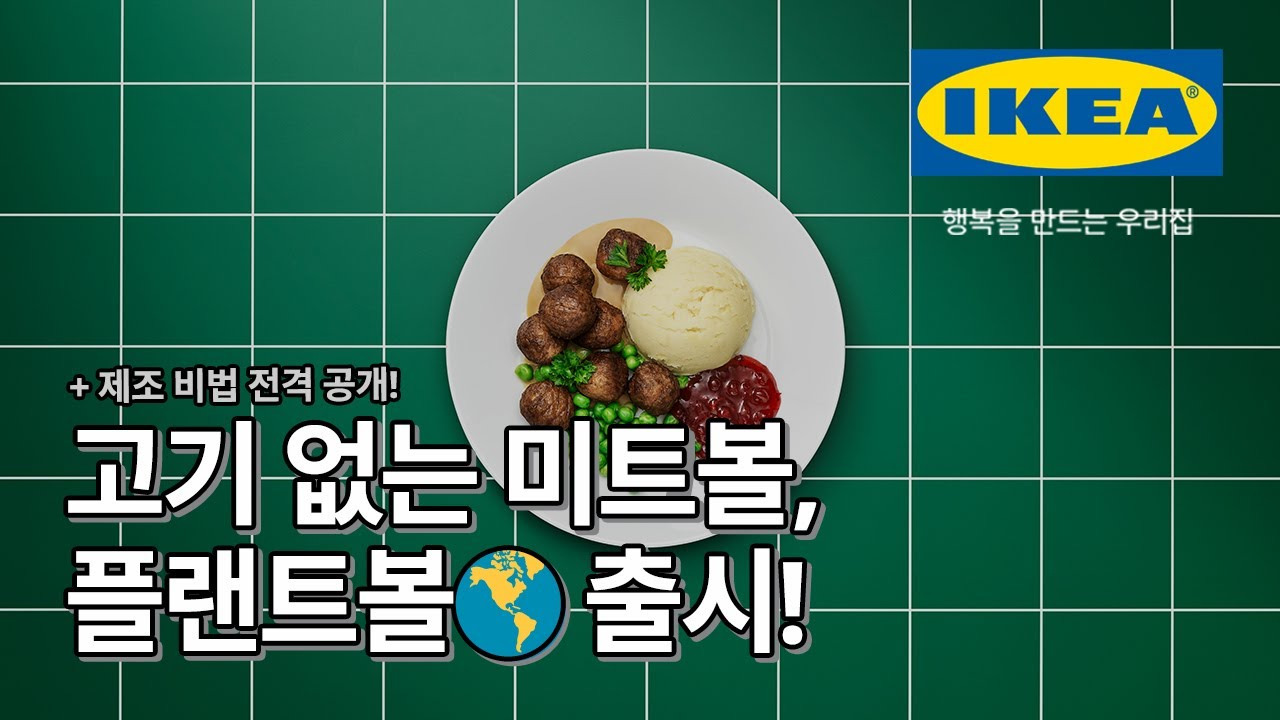
The Evolution of IKEA Meatballs: A Plate Capturing the Spirit of the Times
| Year | Product Name | Key Features |
|---|---|---|
| 1985 | Köttbullar (Classic Meatball) | “The Original” - Traditional recipe based on beef and pork |
| 2015 | Kycklingköttbullar (Chicken Balls) & Grönsaksbullar (Veggie Balls) | Offering alternatives to red meat and options for vegans/vegetarians |
| 2018 | Laxfilé (Salmon Balls) | Sustainable seafood sourcing and reduction of food waste |
| 2020 | HUVUDROLL (Plant Balls) | Original taste and texture, with only 4% climate footprint |
The Status of IKEA Food in Numbers
IKEA Food is no longer a side business. It is a core growth driver of the group and a giant in its own right.
- Revenue: Approximately $2.9 billion (about 3 trillion won), surpassing Taco Bell ($2.6 billion) and Wendy’s ($2.18 billion).
- Attraction Effect: About 30% of IKEA visitors come solely for ‘meals’. Considering the annual visitor count, about 270 million people use IKEA as a restaurant.
These numbers clearly demonstrate that IKEA is not just a ‘furniture store that sells food’ but a ‘massive food chain hidden within a furniture store’ that stands shoulder to shoulder with global fast-food companies.
Conclusion
The success story of IKEA Food is a perfect example of how a company can evolve to meet the demands of the times, going beyond simple business strategies.
-
Key Summary:
- Customer-Centric Philosophy: The founder’s insight that “hungry customers don’t shop” was the starting point for everything.
- Meticulous Psychological Strategy: The forced path and strategic placement of the restaurant converted even customer fatigue into sales.
- Sustainable Vision: The evolution of meatballs now aims for ‘value’ beyond ‘sales’, embodying the future of the planet.
An idea that filled customers’ empty stomachs to sell sofas has now created a massive change on billions of plates for a sustainable future of the Earth. Why not experience the plant ball, which reduces the climate footprint by 96%, on your next visit to IKEA?