
Exploring the ancient belief that spirits inhabit all things in the world and live alongside us.
- The basic concept and anthropological significance of animism
- Traces of animism found in the history and mythology of the Korean Peninsula
- The charm of K-animism spreading to the world through modern K-content
What is Animism? Connecting with the World
How to Relate to the World as “You”
Animism is defined as the belief in “spiritual beings” by 19th-century anthropologist Edward Burnett Tylor. In simple terms, it is a worldview that believes that even inanimate objects like the sun, moon, rivers, trees, and even stones have spirits or souls that think and feel like us.
Tylor explained that ancient people conceived of the idea of a soul in their attempts to understand phenomena like dreams and death. Today, scholars do not view animism merely as ‘primitive superstition.’ Instead, it is re-evaluated as a profound ecological worldview that sees the world as a community of numerous ‘yous’ that possess equal souls alongside ‘me.’ Nature was regarded not as an object to be used but as a ‘friend’ to communicate and connect with.
The Echo of Souls Carved in Rocks: Prehistoric Korea
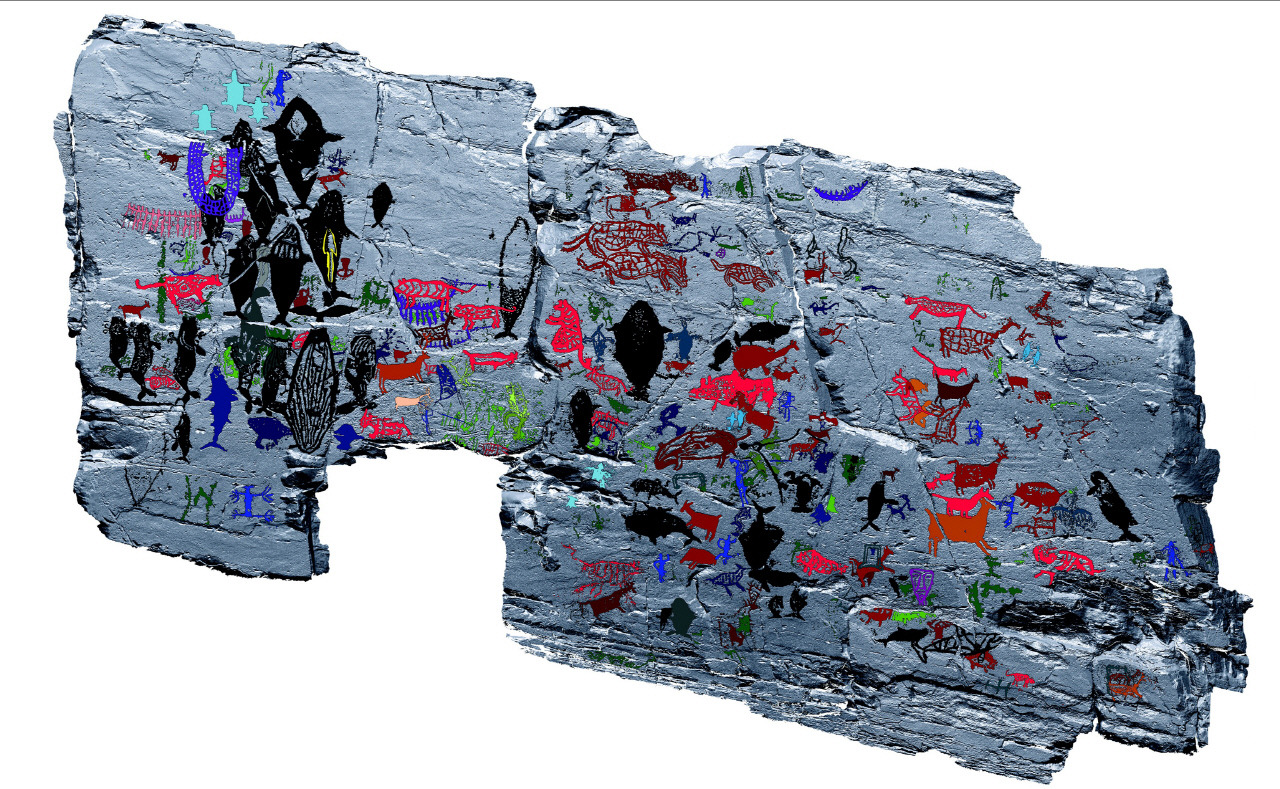
In a time without writing, our ancestors inscribed their beliefs on rocks and pottery. The national treasure Ulsan Bangudae Petroglyphs contains shamanistic wishes for the success and prosperity of hunting, depicting a pregnant whale and a harpooned whale. They prayed for abundance from the souls of animals.
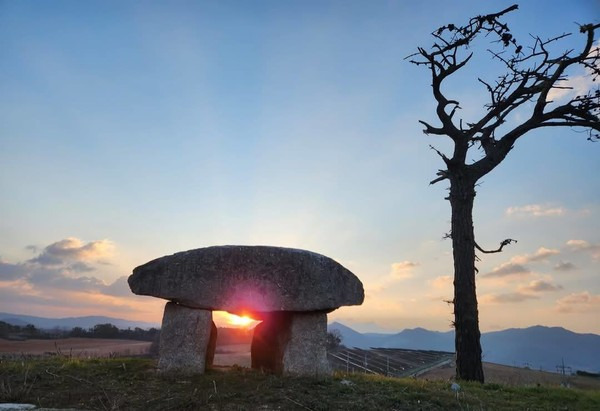
The Korean Peninsula has the largest number of dolmens in the world. These megalithic monuments were not just graves; they were primitive observatories and sacred altars that worshipped the sun in alignment with the direction it rose during specific seasons. The fish bones or wave patterns on comb-patterned pottery from the Neolithic era symbolize the natural forces that were crucial for survival and were also used as ritual vessels reflecting beliefs about the afterlife.
Korean Animism Embedded in Myth and Daily Life
Dangun Myth: Connecting Trees and Bears, Heaven and Earth
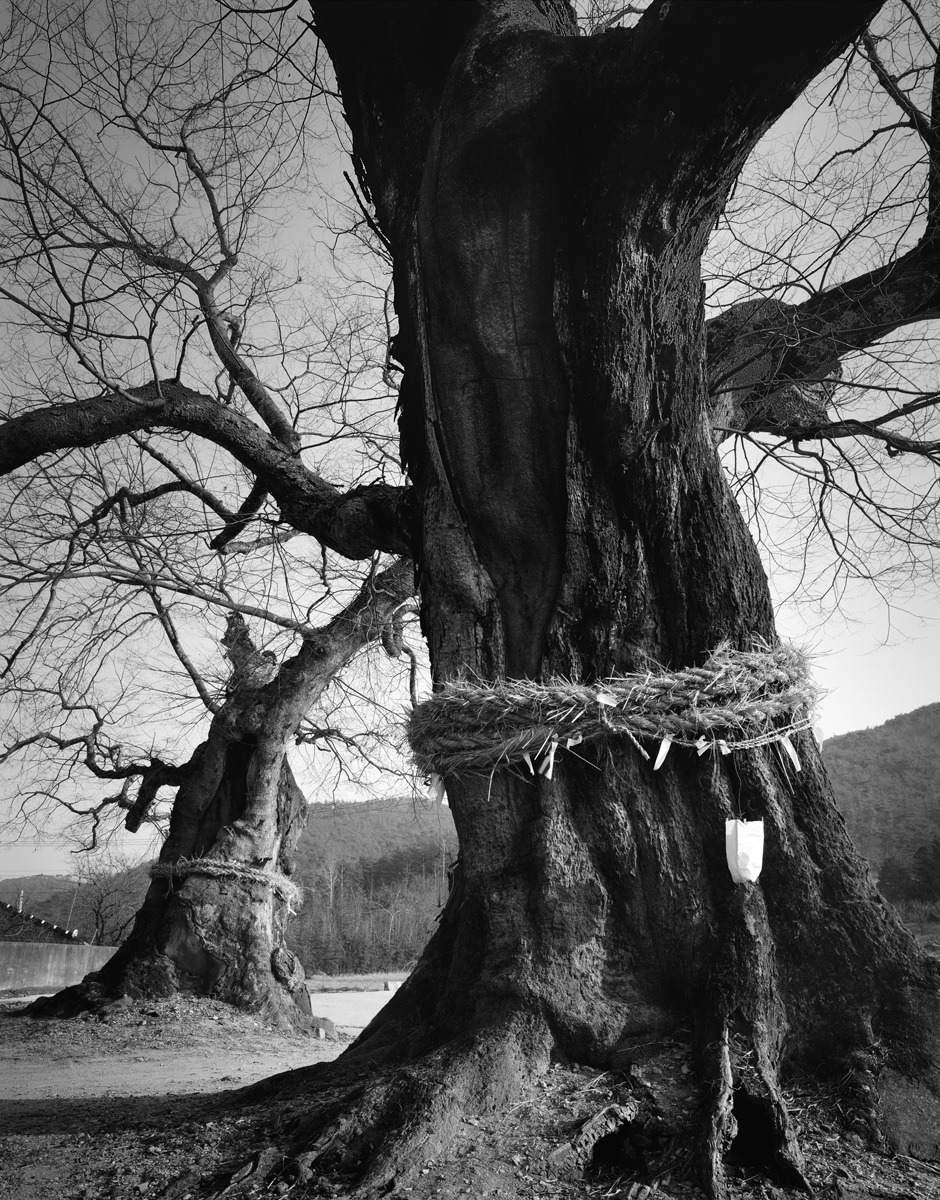
Our founding myth, the Dangun Myth, is a treasure trove of Korean animism and totemism. The sacred tree Shindansu (神檀樹), which Hwanung descended from heaven, symbolizes the ‘World Tree’ connecting the realms of gods and humans, leading to the faith in the village-protecting Dangsang Tree.
The story of the bear and the tiger is a prime example of totemism, where specific animals are revered as the guardian deities of tribes. Additionally, the part where Hwanung brought the gods of wind, rain, and clouds (Pungbaek, Usa, and Unsa), essential for agriculture, clearly illustrates the animistic worship of natural phenomena as personified deities.
The Small Universe of the Home: From Kitchen to Bathroom, the Faith in Household Gods
The world of animism extends into the home. Traditional Korean houses were small universes inhabited by gods, known as Gashin (家神), who protected each space.
- Seongjusin: The highest deity residing in the main beam of the living room, responsible for the entire household and its head.
- Jowangsin: The deity governing fire and food in the kitchen, reporting the family’s activities to heaven.
- Samsin Halmeoni: The deity assisting in childbirth and the growth of children in the master bedroom.
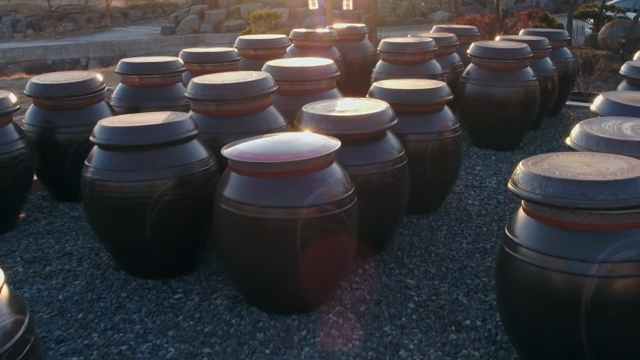
- Teojusin: The deity protecting the house’s grounds, found in the backyard and jars.
- Cheuksin: The deity residing in the bathroom, known for being easily angered.
The primary role of honoring these deities fell to women, demonstrating the powerful authority women held in maintaining the spiritual order of the household.
The Uniqueness of K-Spirits: Goblins, Han (恨), and Jeju
The Icon of K-Fantasy, Goblins
The unique being known as Goblin, neither a god nor a ghost, exemplifies the essence of Korean object animism. Its most significant feature is that it is born from old objects that bear the marks of human touch, like worn-out brooms or straw shoes. I too find it hard to part with an old fountain pen, sometimes imagining it might transform into a goblin overnight.
While goblins play mischievous tricks, they do not harm people maliciously; rather, they exhibit traits of a deity of abundance by creating treasures with their magical clubs.
Comparing East Asian Yokai: Goblins vs. Oni vs. Tsukumogami
Korean goblins show distinct differences from similar beings in Japan. This highlights interesting points about how each culture perceives objects and spirits.
| Category | Korean Goblin | Japanese Oni (鬼) | Japanese Tsukumogami (付喪神) |
|---|---|---|---|
| Origin | Worn-out old objects | Evil spirits from hell, vengeful spirits | Old and discarded objects over 100 years old |
| Nature | Playful and human-friendly | Cruel and harmful to humans | Resentment and vengeance towards the abandoned |
| Relationship | Interaction through wrestling, betting, etc. | Object of fear and exorcism | Object of fear and avoidance |
Unraveling Sadness: Han (恨) and Gut
The Korean sentiment of Han (恨) is the unresolved sorrow of souls that died unjustly. Souls carrying Han become Wongwi (冤鬼), wandering the earthly realm, and the communal ritual that heals this is called Gut. Gut serves as a social healing process where shamans listen to the unjust stories of Wongwi and relieve their Han, providing comfort to both the dead and the living.
The Island of Goddesses, Jeju: A Living Myth
Jeju Island is a place where the original form of ancient animism lives on, characterized by powerful female deities. The creation goddess Seolmundae Halmae, who formed Hallasan Mountain with her skirt, and the agricultural goddess Jacheongbi, who brought seeds of grains to the human world, are representative myths. The Jeju Chilmeoridang Yeongdeung Gut, recognized as a UNESCO Intangible Cultural Heritage, is a ritual praying for abundance and peace to the wind god, showcasing the deep bond between nature and humanity in a living myth.

The Vitality of K-Animism Continuing into Modern Times
Animism in Modern Society
Animism remains deeply embedded in our lives today as a ‘cultural grammar.’
- Opening ceremony rituals, pouring makgeolli on new cars: Modern rituals praying for business success and machine safety.
- Fortune-telling apps like Saju and Tarot: The divination functions of traditional shamanism have expanded into the digital realm.
- Metaverse: Interactions with avatars and digital objects in virtual worlds show similarities to the worldview that believed all things possess souls.
Animism in K-Content Captivating the World
Recently, K-content has captivated the world by creatively weaving Korean animism and shamanism into unique stories.
- Films
and : Use geomancy, shamanistic beliefs, and the Han of ancestors as core driving forces of the narrative. - Film
: Spectacularly visualizes the Korean afterlife, combining Buddhism and folk beliefs. - Dramas
and : Successfully merge shamans and spiritual beings with the modern thriller genre.
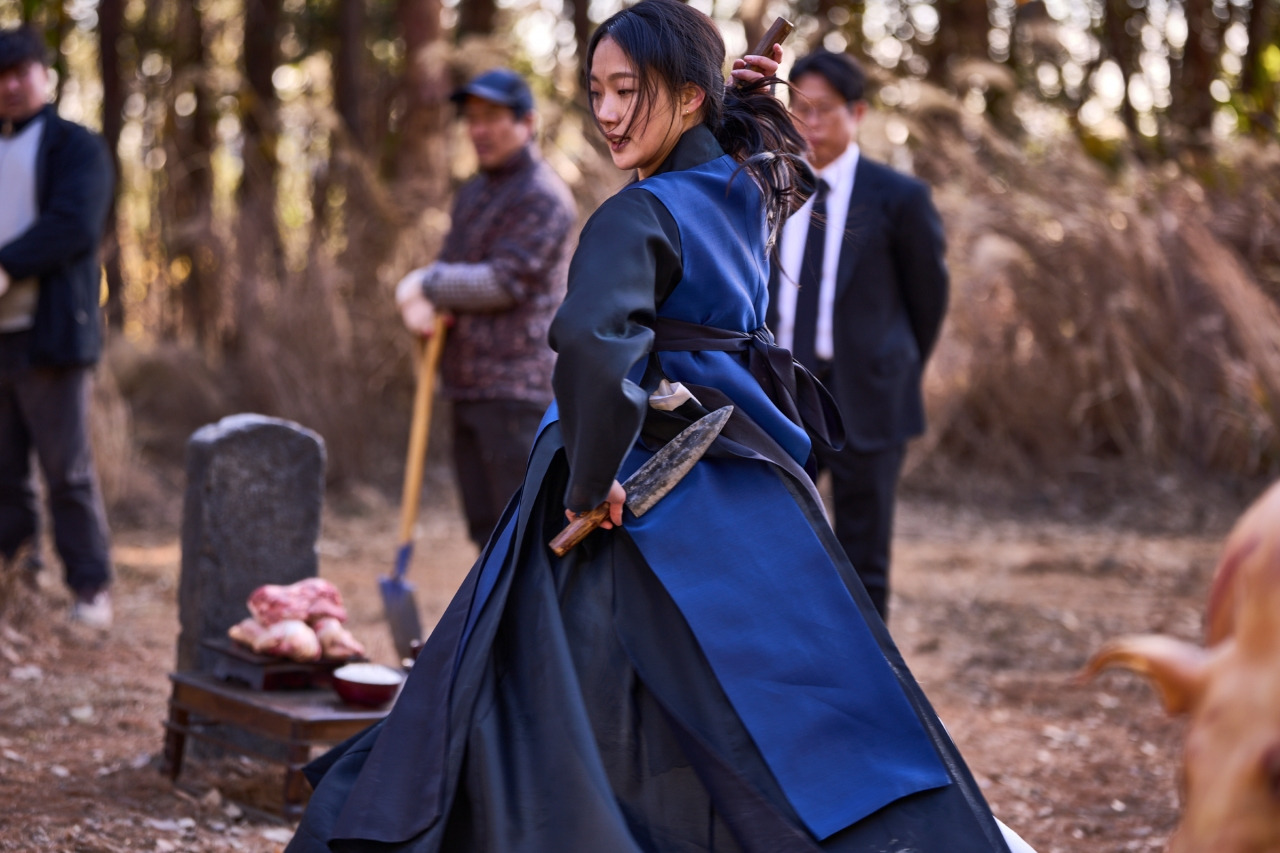
The spiritual beings in K-content are portrayed not merely as ’evil’ but as entities with deep Han, needing communication and healing. This narrative of healing rather than revenge provides fresh emotional resonance and profound impact to audiences worldwide.
Conclusion
Korean animism, which began with prehistoric rock paintings, continues to live vibrantly alongside us through the ages.
- First, animism is a profound worldview that transcends primitive faith, allowing for communion with nature.
- Second, from the Dangun myth to household deity beliefs, it forms the foundation of Korean life and culture.
- Third, through modern K-content, it proves that the most Korean stories can also be the most global stories.
Now take a look around you. Perhaps the old pen you use every day, or the street tree outside your window, wants to say something to you. What are your experiences with animism in your daily life? Feel free to share in the comments!
References
- Edward Burnett Tylor - Wikipedia Link
- Animism - Robert Wright Link+로버트+라이트)
- Animism - Okuno Katsumi Link
- Seongnangdang - Namuwiki Link
- Concept of Geomancy Link의+개념)
- Uljin Daegokri Bangudae Petroglyphs Link
- Gochang, Hwasun, and Ganghwa Dolmen Sites Link
- Comb-patterned pottery - Kculture Link
- Understanding the Dangun Myth Link
- Goblin - Namuwiki Link
- Han (Emotion) - Namuwiki Link+나무위키)
- Jeju Creation Goddess Seolmundae Halmae Link
- Jeju Chilmeoridang Yeongdeung Gut - UNESCO Link
- K-dramas reinterpret shamanism Link