
10 PM, Unending Notifications
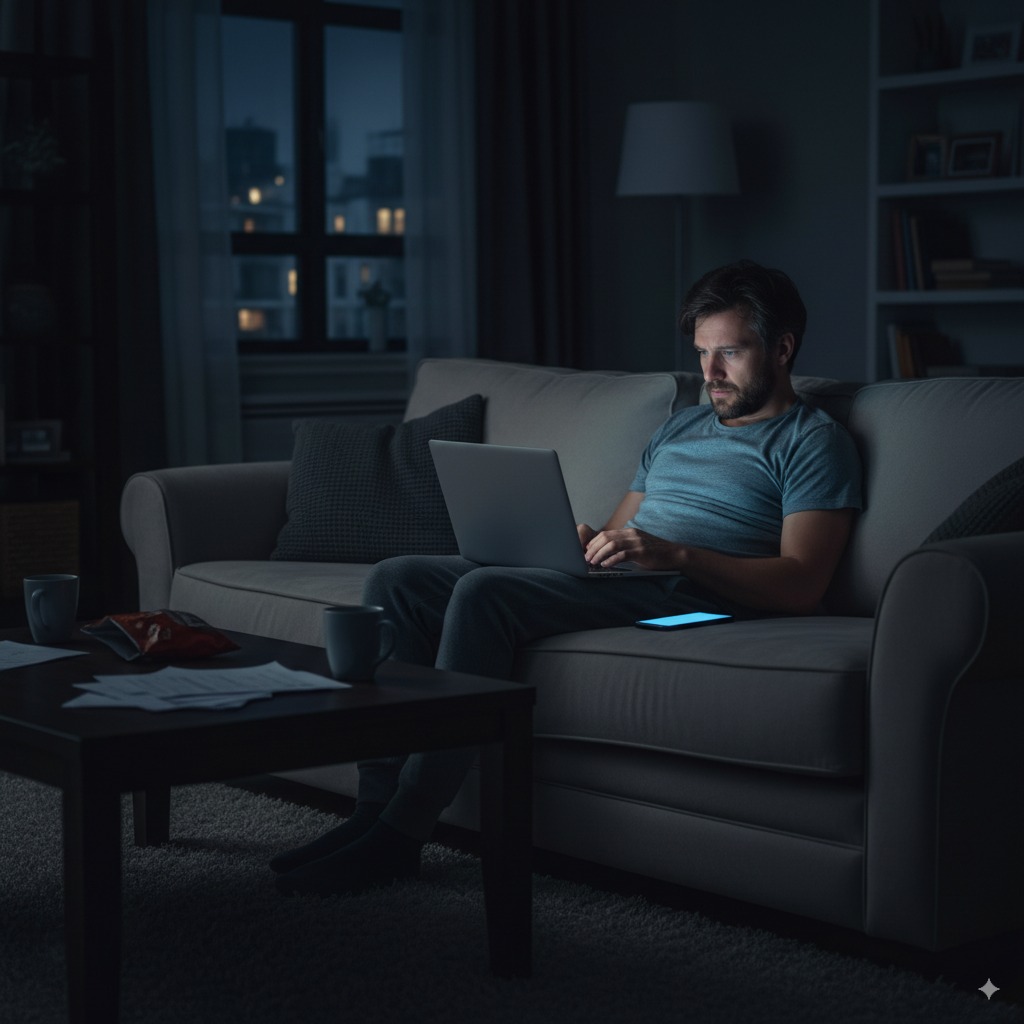
At 10 PM, IT team leader Park Seo-jun thought he would finally go to bed early today. Just as he was about to close his laptop under the dim light of the lamp, a notification sound rang out, extending his day. ‘KakaoTalk.’ The short message that came with the team leader’s name was the sound that shattered the last boundary between work and life.
Seo-jun’s story is no longer just the tale of someone special. In an era where nearly half (46%) of South Korean office workers can work remotely, we stand in the midst of a massive change. We dreamed of a life with evenings free from hellish commutes, but perhaps, without realizing it, we have created a ‘wall-less prison.’ This narrative is a journey into the gap between the future we envisioned and the reality we face.
The ‘Company’ We Loved and Hated
Morning in Gwanghwamun, That Familiar Ritual
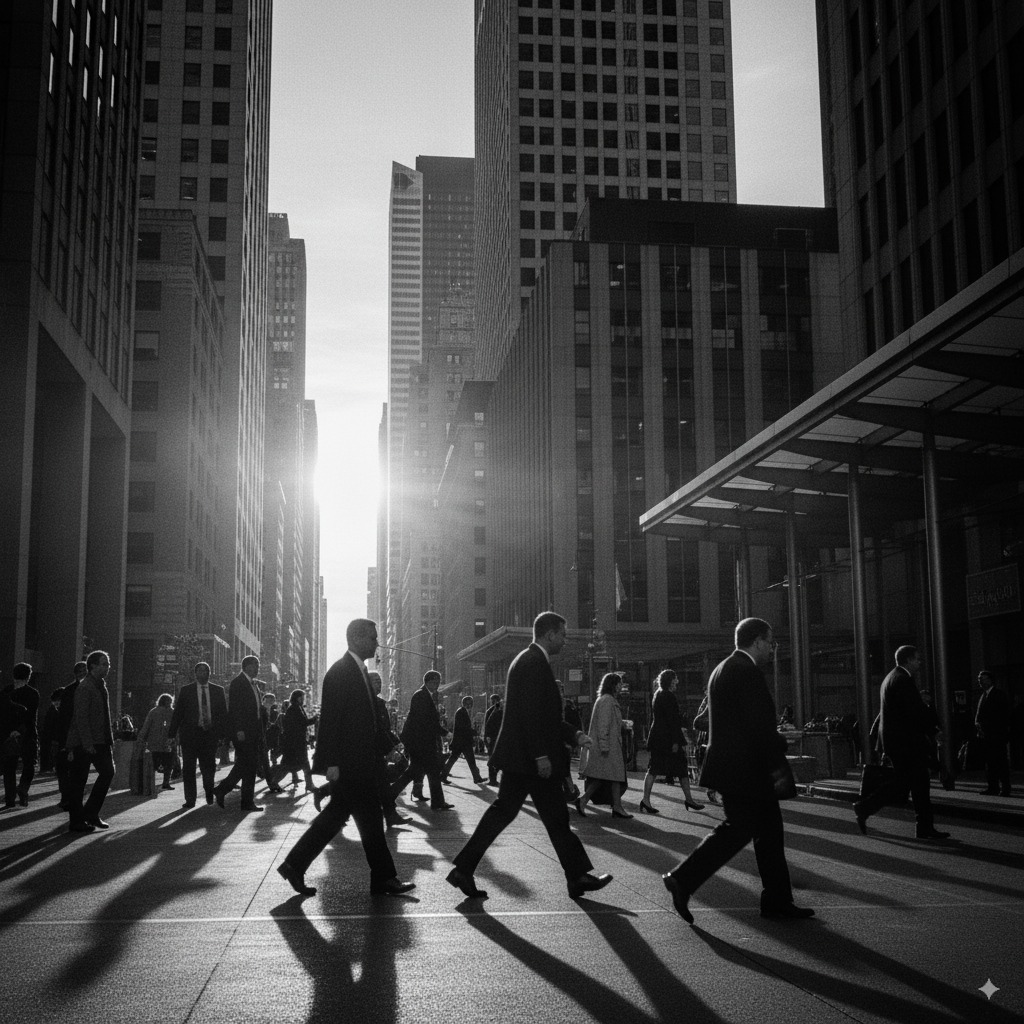
Do you remember the mornings before the pandemic? Gwanghwamun at 8 AM was like a grand ritual in itself. The endless sound of card swipes and the wave of people brushing against each other, flowing towards a single goal. Within that crowd, there was a mix of fatigue and resignation, but a strange sense of kinship and belonging also existed. The average commute time of 58 minutes was not just a time to move the body. It was a switch that separated work and life, a moment of self-suggestion that said, ‘From now on, I am an office worker.’
The Sociology of Company Dinners with Pork Belly and Soju
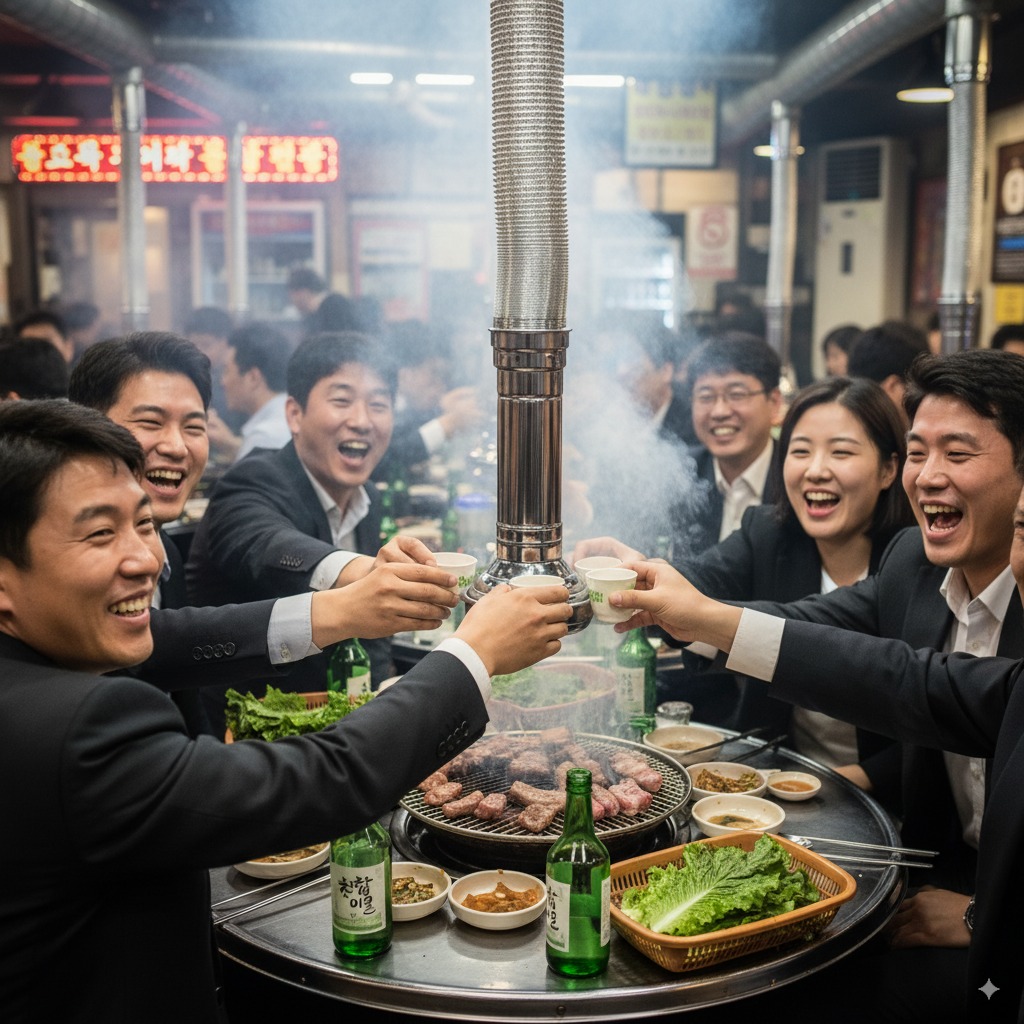
In the space called ‘company,’ there was another culture filled with love and hate: the ‘company dinner.’ For some, it was a burdensome gathering, but company dinners were more than just drinking sessions; they were crucial ‘social spaces’ where important information was exchanged and relationships were built. Hidden stories of projects, trends from other departments, and the true thoughts of superiors were often better heard in a bustling barbecue restaurant than in a stiff meeting room.
Thus, the workplace of the past stood on an implicit contract. We traded time and autonomy for stable employment and a sense of belonging. However, the pandemic, which no one anticipated, abruptly nullified this old contract, and we entered a chaotic era searching for new rules.
A World Where Walls Have Fallen, New Landscapes
‘Dream Remote Work’ and Invisible Bills

Let’s return to Seo-jun’s story. When remote work first began, he was happier than anyone else. The joy of being liberated from a two-hour round-trip commute was truly sweet. But that joy did not last long. As the concept of ‘quitting work’ began to blur, work started to seep into every moment of life, just like that KakaoTalk message at 10 PM.
This fatigue from ‘constant connectivity’ was not something only Seo-jun experienced. While digital devices seemed to grant us freedom, they actually delivered deeper burnout and isolation. Human interactions diminished, and uncomfortable chairs and desks at home brought physical ailments. The dreamlike remote work began to quietly bill us for mental and physical costs.
Emptying Gangnam, Bustling Dongtan

This massive change has even altered the face of the city. The office buildings in Gangnam and Gwanghwamun, once the heart of South Korea, have noticeably emptied, and many shops that relied on them have lost their vitality.
Conversely, new cities like Dongtan in Gyeonggi-do and Songdo in Incheon have begun to bustle with people. With no longer needing to pay high rents near the office, people have sought new homes centered around ’living’ rather than ‘work.’ However, this change has not been equitable for everyone. The gap between those who can set up a proper home office and those who cannot has become a seed of another inequality. Homes have transformed from mere resting places to frontline bases where individuals must bear all costs and burdens.
Three Paths, Three Realities
The era of change has approached everyone with a different face. Now, the world of labor is divided into multiple paths. Let’s follow that reality through the stories of three individuals.
1. Manager Park Seo-jun: Life in a Golden Cage
Seo-jun appears to be a beneficiary of the new era. He has escaped the commuting hell and enjoys a stable salary. However, his life resembles a ‘golden cage.’ The company monitors his working hours in real-time under the pretext of increasing efficiency, and the responsibility of uniting scattered team members falls entirely on him. The informal information and bonds that could once be gained over a cup of coffee have long disappeared. He enjoys the privileges of the new era while battling a new kind of stress.
2. Freelancer Kim Min-ji: Balancing on a Tightrope of Freedom
Designer Min-ji left her company believing in the potential of the ‘gig economy.’ She wanted to freely use her skills and time. In fact, she has tasted thrilling success. However, the cost of freedom has been harsh. On months without work, her bank balance hits rock bottom, and the reality of having no safety net when sick leaves her anxious. Since she is not legally considered a ‘worker,’ she lacks protection from social safety nets like employment insurance or workers’ compensation. For her, freedom feels like a precarious tightrope walk.
3. Rider Lee Hyun-woo: The Engine Driving the City
Delivery rider Hyun-woo is the unsung hero supporting the remote economy. Even on rainy nights, he races through the city following the commands of his smartphone app. The pressure to deliver one more order to make ends meet and the risk of accidents are all his burdens. He is also legally classified as a self-employed individual, with no company employing him. While he is an essential part of the new economy, there are no social protections in place for him.
| Profile | Park Seo-jun (Manager) | Kim Min-ji (Freelancer) | Lee Hyun-woo (Rider) |
|---|---|---|---|
| Main Motivation | Work-life balance, escape from commuting | Autonomy, control over projects | Immediate income, low entry barriers |
| Key Drivers | Corporate talent acquisition strategies | Growth of freelance platforms | Explosive growth of the delivery market |
| Main Challenges | Erosion of boundaries, burnout | Income instability, lack of safety nets | Physical risks, algorithmic pressure |
| Legal Status | Regular employee (protected) | Special type of worker (protection gap) | Special type of worker (protection gap) |
| Symbolizes Reality | The paradox of privileged remote work | The freedom and anxiety of the creative gig economy | The essential manual labor of the on-demand economy |
The Invisible Hand, New Rules
The stories of these three individuals are not merely personal choices. A massive force, the ‘invisible blueprint’ of laws and systems, is at work behind their lives.
20th Century Laws, 21st Century Labor
The biggest problem is that our laws and systems remain stuck in the 20th-century factory era. The current Labor Standards Act was created to protect ‘workers’ employed by companies. However, new workers like Min-ji and Hyun-woo, who work through platforms, do not fit neatly into this framework. While technology races towards the 21st century, the law remains stuck in the past, threatening the lives of millions of workers.
‘Flexibility’ Not Granted to All
The term ‘flexible work’ now holds different meanings for everyone. For some, it represents the romance of ‘workation’ on a beach in Jeju, while for others, it means enduring the noise of children while working in a cramped home. Flexibility has become a ‘privilege’ granted only to some, rather than a universal right.
Behind all these phenomena lies a massive trend known as ‘The Great Unbundling’ of work. In the past, a ‘job’ was like a bundle that included salary, location, relationships, welfare, and legal protection. But now, this bundle is being dismantled. Remote work has separated ‘work’ from ’location,’ the gig economy has detached ‘safety nets,’ and the dismantling of offices has severed ‘community.’ While this may seem to grant individuals more freedom, it is also a process of shifting the responsibilities that companies should bear onto individuals.
Epilogue: So, Where Will We Work?
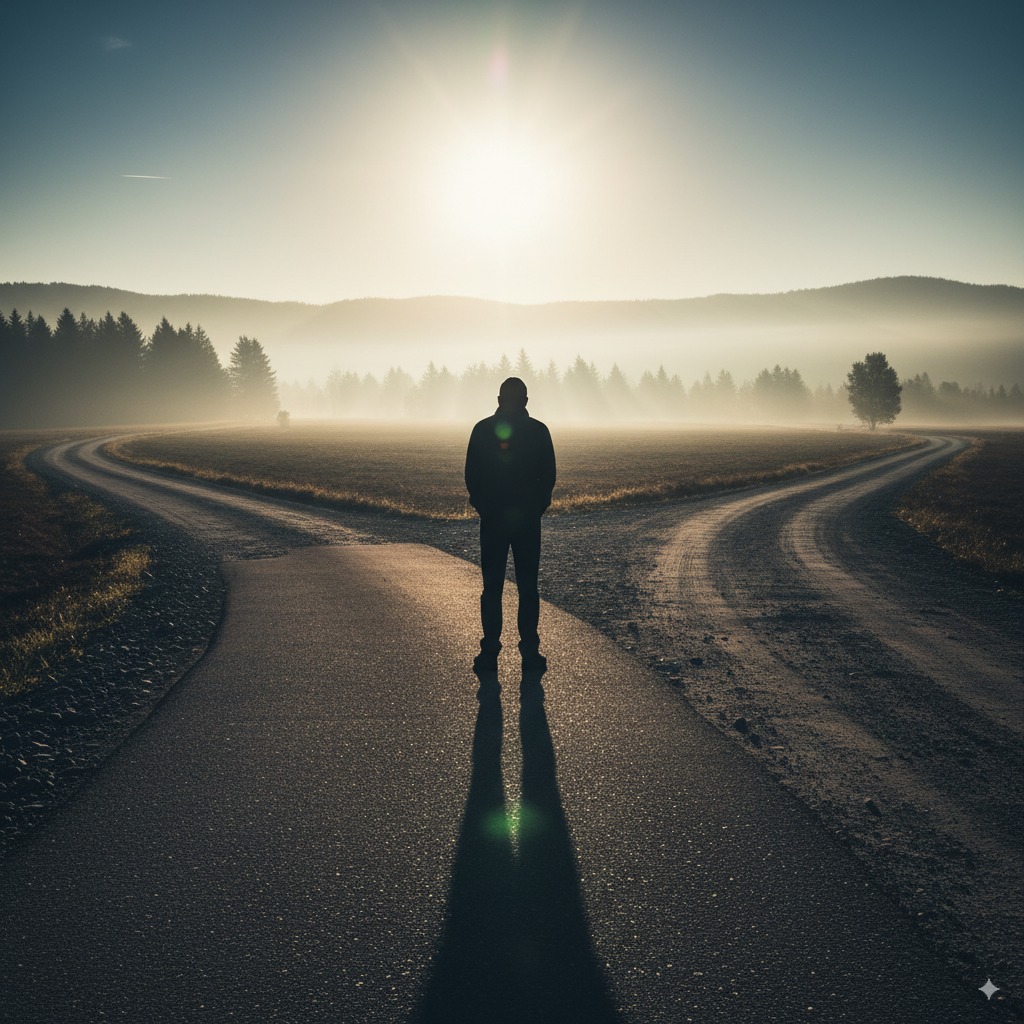
At the end of the story, the lives of the three individuals continue. Seo-jun is looking for a larger house on the outskirts of Gyeonggi-do, Min-ji has started to raise her voice alongside other freelancers, and Hyun-woo is searching for a more stable job.
The ‘future of work’ is not a predetermined destination. It is a process that is constantly being created through the choices and efforts of countless Seo-juns, Min-jis, and Hyun-woos right now. The important question is not how work will change, but who will share the fruits and burdens of that change and how.
The empty office symbolizes the end of an era. The walls of the office have crumbled, but new invisible lines are being drawn around us. On which side of those lines will we stand to shape our future? The answer lies in all of our hands.