Culture Reflected in a Drinking Glass: A Comparison of Eastern and Western Drinking Cultures
phoue
•6 min read•--
🥂 Culture Reflected in a Drinking Glass: A Comparison of Eastern and Western Drinking Cultures
Alcohol is a medium that lowers joy, loosens tension, and binds speech.
But how people drink and what they share differ in texture by culture.
This piece places Korean, Chinese, and Japanese Eastern drinking etiquette beside Western drinking culture,
tracing the meaning made by small differences from the tilt of the glass to the flavor of a toast.
🍶 Eastern Drinking Culture
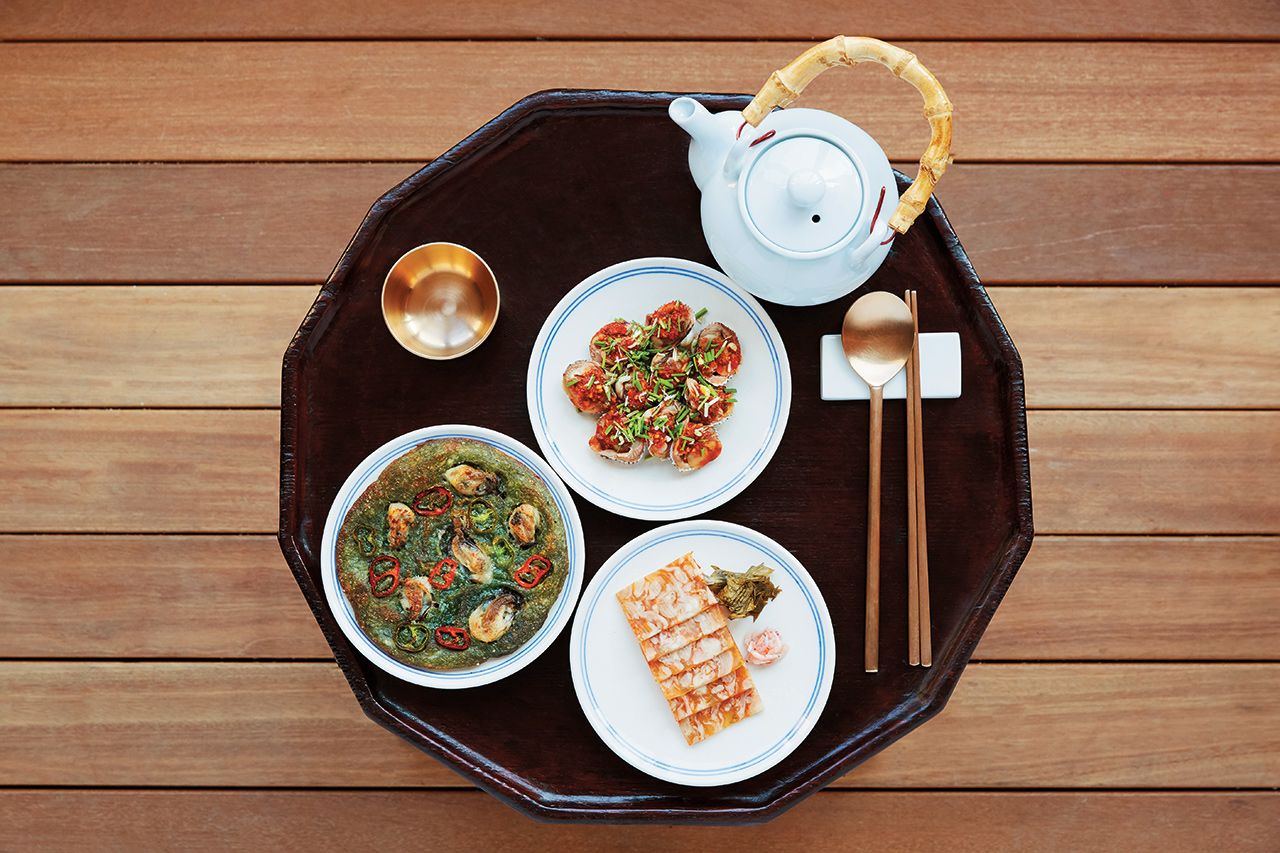
🇰🇷 Korea — The Warmth of Relationships and the Breath of EtiquetteKorean traditional drinking table: traditional liquor, anju, soban
Korean drinking gatherings are places that connect people. Within agrarian life and Confucian customs, alcohol sat alongside meals, and anju (side dishes) became devices to extend time rather than simply soothe the stomach.
Alcohol
Soju (16–20%): The rhythm of everyday life. Recently, lower-alcohol versions have slowed the breath of conversation.
Makgeolli (6–8%): Grain sweetness and acidity. The rhythms of labor and the marketplace remain.
Cheongju / traditional liquors (13–18%): Used for seasonal rites and ceremonies, where neatness is a virtue.
Anju
Meal-style dishes like grilled meat, kimchi pancake, dubu-kimchi, and seafood are central. They are not mere supporting players for the drink but co-stars that complete the gathering.
Etiquette
The motion of holding the bottle in the right hand and placing the left hand on the wrist expresses the intention to receive kindness with gravity. When receiving a cup, people gather both hands, and in front of elders they drink with a bowed head. It may seem formal, but it is in fact a language of relationships.
The current trend favors choice over coercion, moderation over excess.
A single “It’s okay” can change the grammar of the drinking table.
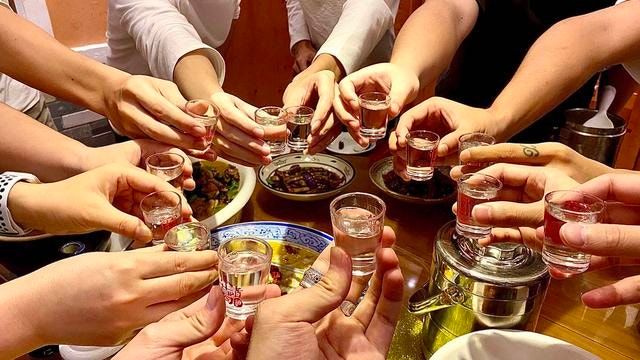
🇨🇳 China — Ganbei (干杯) and the Rhythm of the GroupChinese drinking scene: ganbei, round-table company meal
In China, toasting is a brief ritual that confirms trust. Seating around a round table so everyone faces one another emphasizes the balance of relationships.
Alcohol
Baijiu (40–60%): A distinct aroma and a heavy single glass. It can be a symbol of face and respect.
Huangjiu (15–20%), fruit wines: Brewing methods and aromas vary widely by region.
Anju
Several strong-flavored, oily dishes circulate simultaneously. The rotation of plates equals the pace of conversation.
Customs
“Ganbei” values the experience of emptying a cup together. An individual’s drinking capacity is only a benchmark; the virtue is not to disrupt the breath of the gathering.
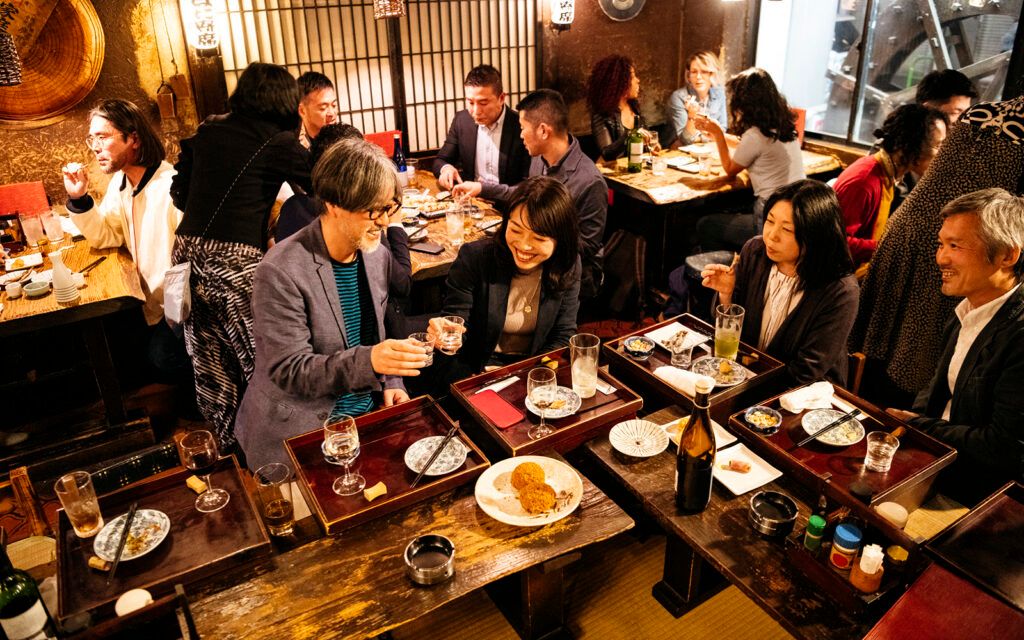
🇯🇵 Japan — The Distance of Consideration and the Grammar of NomikaiJapanese izakaya: kampai scene, even split at payment
Japanese drinking occasions operate on restraint and consideration. They start with “kanpai (乾杯)” and people watch each other’s glasses, neither overfilling nor leaving them entirely empty.
Alcohol
Sake (13–16%): Its character changes with temperature and the shape of the cup.
Shochu (20–25%): The degree of intoxication is controlled by the ratios with water or carbonation.
Beer: The first round creates a sense of uniformity.
Anju
Small portions with many items—karaage, yakitori, oden, sashimi—so the food keeps pace with the speed of conversation without racing the palate.
Customs
Originating as an extension of work, it has become familiar with respecting personal pace and splitting the bill.
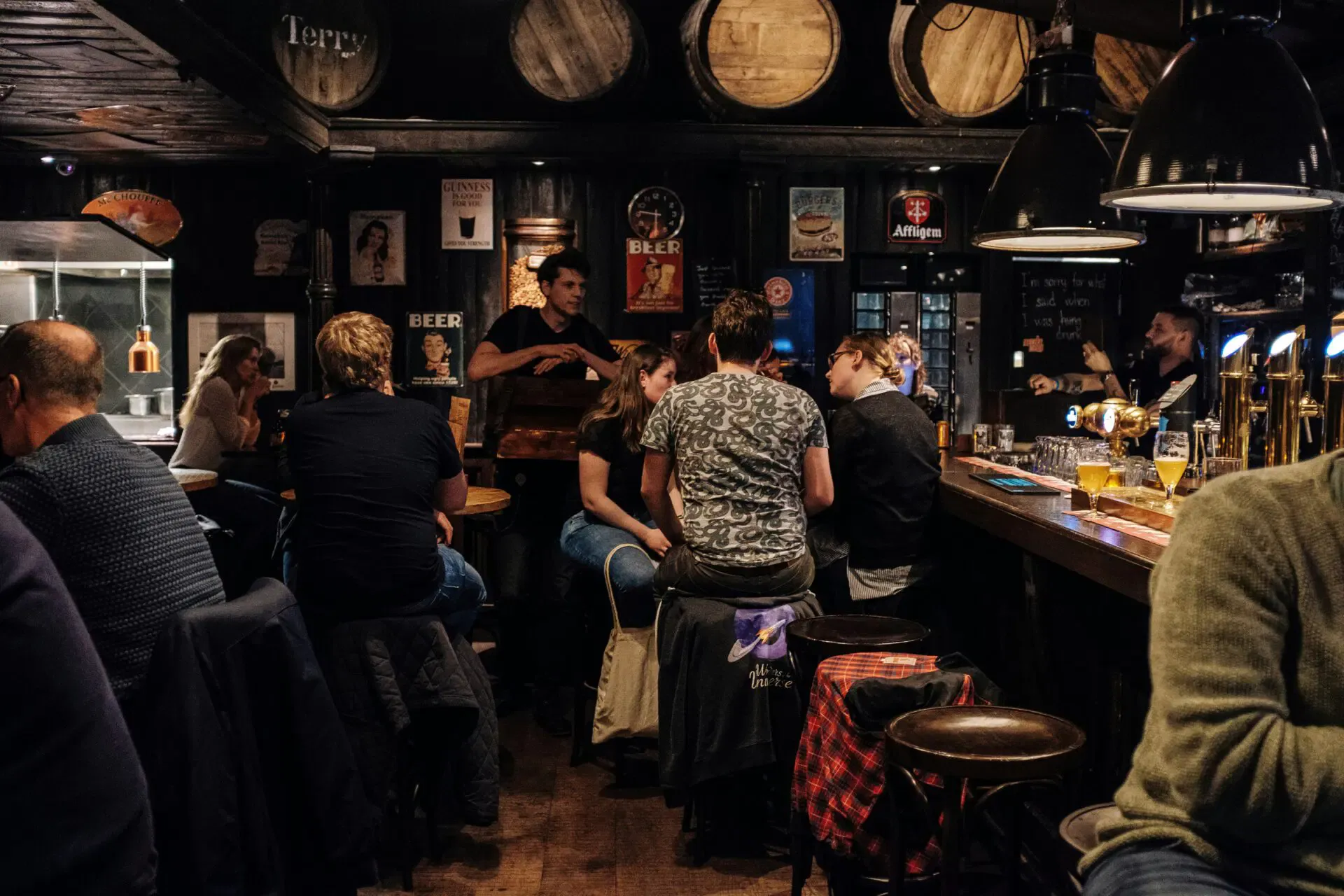
🍷 Western Drinking Culture — Taste and Conversation at Individual PaceWestern pub: standing bar, wine and beer
In Western drinking occasions, the glass often represents personal taste and mood. Some linger at the bar rolling a single glass, others sit at the table reading a wine’s acidity and aroma. The focus is the character of the drink itself and the flow of conversation.
Alcohol
Wine (12–14%): A drink that supports food through balance of acidity, body, and aroma.
Beer (4–6%): The everyday breath. The range of styles is wide.
Whisky (40%+): The taste of time made by aging, origin, and cask.
Cocktails (10–30%): The life of a cocktail is proportion and balance—a designed sip.
Anju
Snacks like cheese, olives, charcuterie, and fries are basic. Food tends to highlight the narrative of the drink rather than prop it up.
Space
The lightness of a standing bar, the rhythm of happy hour, the comfort of house wine. How people sit and how bills are split naturally determine the distance of relationships.
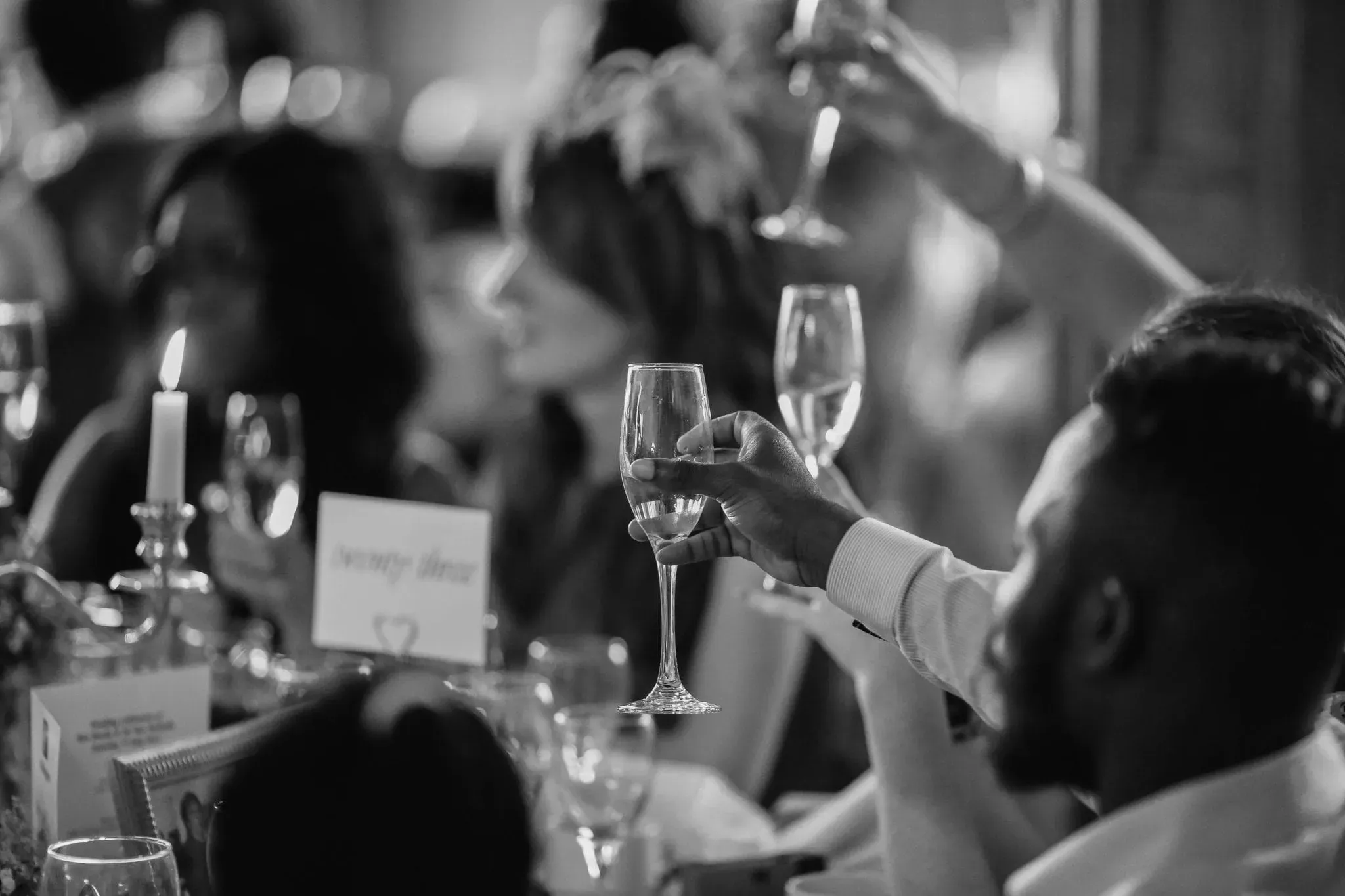
🥂 The Flavor of a Toast — Sincerity over FormWestern toasting: wedding, celebratory toast scene
A toast is not a contest to empty glasses but a short speech that shares meaning. The host proposes and everyone raises a glass. A pinch of humor and a sincere line bind the gathering. It’s acceptable not to finish the glass, but not touching it at all can feel like ignoring the ritual. The point is sincerity over form.
🌏 Side by Side
Category
East
West
Core value
The tuning of relationships and etiquette
Respect for individuality and taste
Representative actions
Using both hands / Ganbei / Kanpai
Toasts, short celebratory speeches
Focus of alcohol
The harmony and breath of the gathering
The character of the drink and pairing
Anju
Meal-style · warm dishes
Snack-style · small bites
Payment
Higher weight on host / elders
Split by individual or group
Language of refusal
Indirect · roundabout
Direct · explicit
In one line: the East follows the grammar of “together”, the West the grammar of “each”.
But in either case, without consideration it becomes awkward.
🧭 Meanings Made by Tiny Differences
Nuances of verbs
ganbei (干杯, to empty the cup) emphasizes the sum of the action.
kanpai (乾杯, a dry cup) is closer to a signal to start.
toast (speech/ceremony) centers the power of words.
Grammar of gestures
Korea’s both hands are the minimum unit of politeness, Japan’s not overfilling is a unit of consideration, and China’s emptying together is a sign of solidarity.
Grammar of space
China’s round table affords equal sightlines, Korea’s sitting on the floor / shared seating creates emotional density, and the Western bar counter allows variability in relationships.
Grammar of time
Korea’s 1st round–2nd round structure is a staged increase in intimacy, Western happy hour is an entry point for casual meetings, and Japan’s 2nd round (nijikai) provides margin to adjust pace.
💡 Small Techniques for Healthy DrinkingModeration
Pace first: The drinking speed matters more for the next day than the type of alcohol.
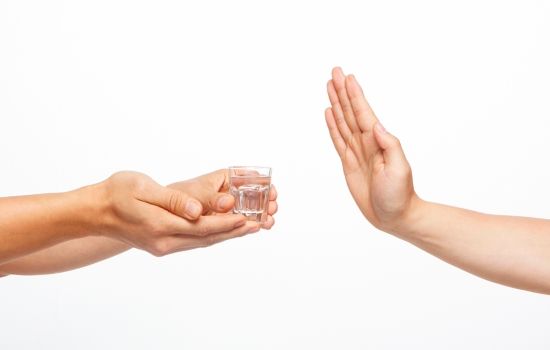
Boundary sentence: “Today I’ll just taste.” — Make a boundary clear without refusing.
Water and anju: Water is a rhythm regulator, anju is a buffer for conversation.
Swap roles: If you want to offer someone a drink, first check their glass. Emptying it just because it’s empty is not required.
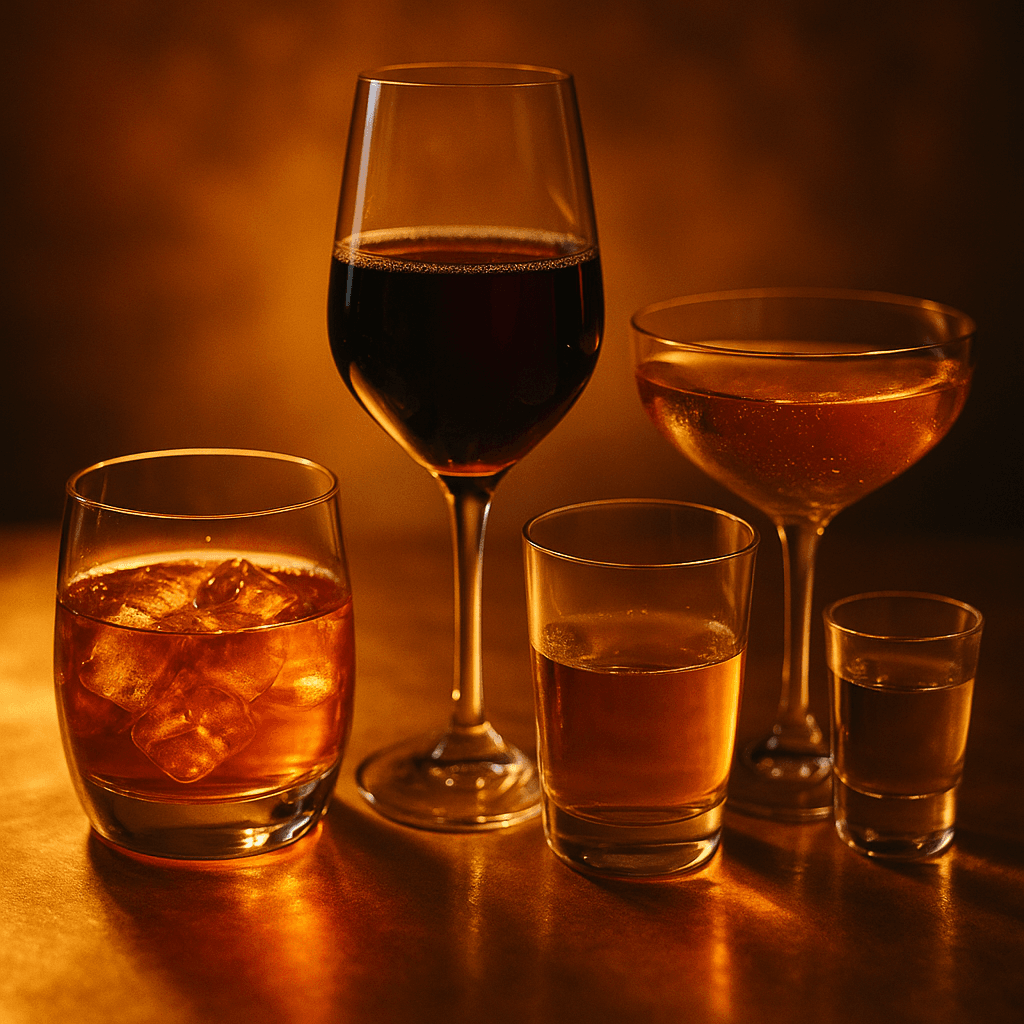
🍸 Closing — The Angle of the Glass, the Weight of WordsA symbolic image of a table lit by various drinking glasses
Eastern and Western drinking cultures reflect history, order, and relationships. The East has refined ways of drinking together, and the West has refined ways of enjoying one’s own style.
In the end, what enlivens a drinking occasion is restraint and consideration, and one sincere sentence.
The angle of the glass is trivial, but within that small tilt is how we treat one another.