
The Thrill of Forbidden Flavors
Have you ever imagined that the act of ’eating’ can sometimes be a life-and-death gamble? We humans eat to survive, but ironically, some seek out dangerous foods that flirt with death. This precarious world of gourmet cuisine goes beyond mere curiosity; it intertwines with our deep-seated desires, culture, and history.
Psychologists say that the tendency to pursue new stimuli and thrills, known as ‘sensation-seeking,’ drives people to seek out these dangerous foods. Just like ‘Russian roulette,’ the thrill of tasting poisonous fugu provides a stark contrast to the monotony of daily life. However, this alone doesn’t explain everything.
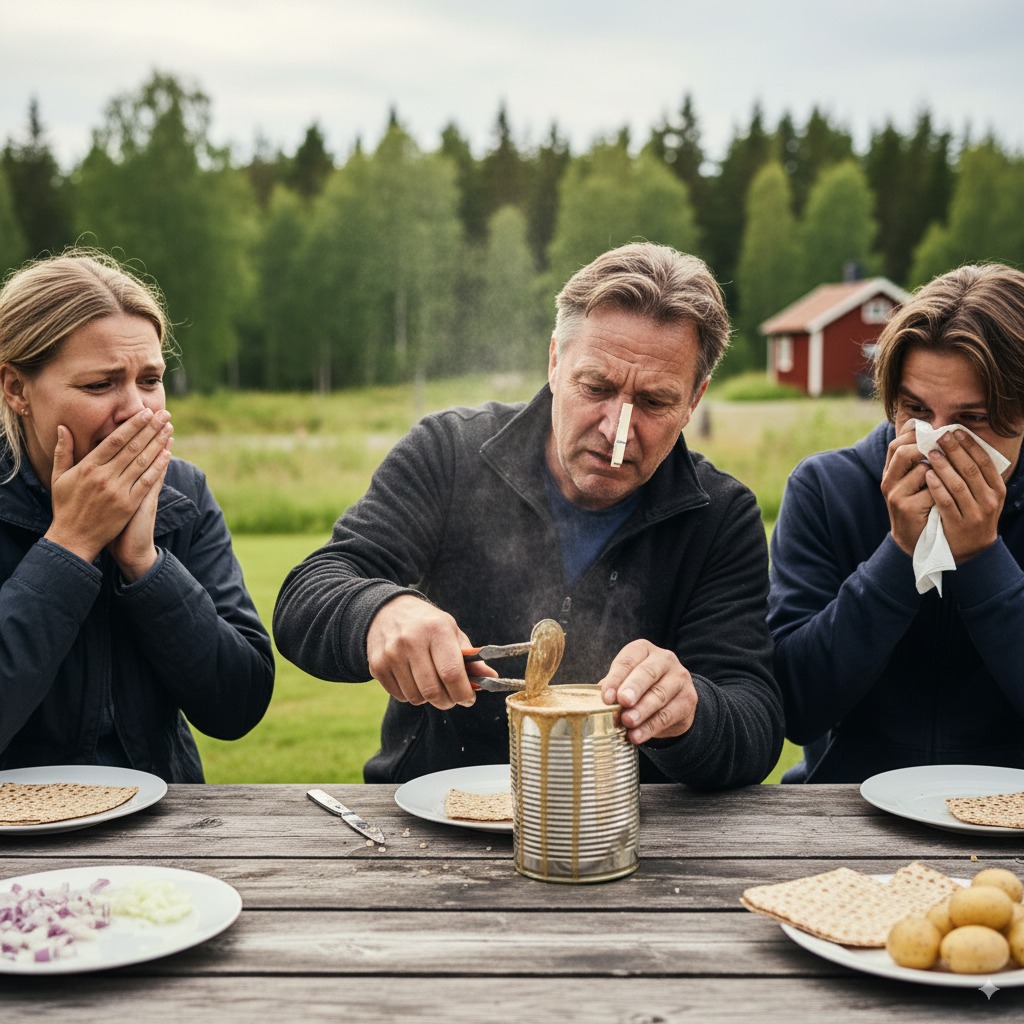
Food is a powerful language that tells us “who we are.” Foods like Sweden’s surströmming, which emit a terrible smell, may be torturous for outsiders, but for locals, they evoke nostalgia from childhood and serve as a rite of passage to affirm community identity. The experience of tasting rare and dangerous foods can become a badge of honor in itself.
This narrative chronicles the great tug-of-war between ’nature,’ which creates ‘poison’ to protect itself, and ‘humans,’ who wisely manage that poison and elevate it to art. Shall we embark on a journey together, from the fugu dishes that bloom on the edge of a knife in Japan to the wisdom of Korea that transforms poison into medicine?
| Food (Origin) | Main Risks/Toxins | Main Symptoms | Key Safety Measures |
|---|---|---|---|
| Fugu (Japan) | Tetrodotoxin (neurotoxin) | Sensory paralysis, respiratory distress, asphyxiation while conscious | Precise toxic part removal by a certified expert |
| Ackee (Jamaica) | Hypoglycin A (toxin) | Severe hypoglycemia, vomiting, coma, death | Only consume fully ripe flesh that has naturally fallen from the tree |
| Casu Marzu (Sardinia) | Live maggots, bacteria | Intestinal myiasis, gastrointestinal disorders | Consume only when maggots are alive (traditional belief) |
| Fesikh (Egypt) | Botulinum toxin (bacterial toxin) | Nerve paralysis, respiratory failure, death | Traditional and hygienic salting and fermentation by a trusted expert |
| Medicinal Chicken (Korea) | Urushiol (allergen) | Severe contact dermatitis and allergic reactions | Detoxification through traditional drying methods or modern enzyme processing techniques |
| Fugu (Korea) | Tetrodotoxin (neurotoxin) | Sensory paralysis, respiratory distress, asphyxiation | Legal obligation for cooking by a nationally certified ‘Fugu Chef’ |
The Aesthetics on the Edge: Japanese Fugu
The Pinnacle of Poison: Tetrodotoxin
At the heart of the fugu story lies the fearsome poison known as Tetrodotoxin (TTX). This toxin is 1,200 times more potent than cyanide and is one of nature’s most lethal substances. Once this toxin enters the body, it blocks nerve signals. The most horrifying aspect is that while consciousness remains intact, the body gradually becomes paralyzed until breathing ceases.
Even more frightening is that this toxin is colorless, odorless, and tasteless, and it does not dissipate when cooked. Just a pinhead-sized amount can kill an adult, and the poison contained in one fugu can claim the lives of up to 30 people. There is still no antidote. Interestingly, this toxin is not produced by the fugu itself; rather, it accumulates in its body by consuming bacteria that produce the poison. Thanks to this fact, we can now safely farm fugu by feeding them non-toxic feed.
The Artisans Handling Life and Death: Fugu Chefs
To handle such a deadly toxin, Japanese society has elevated fugu preparation to a highly specialized art. A fugu chef is not just a cook; they are artisans with advanced skills and ethical awareness who hold the lives of their customers in their hands. To earn this qualification, one must undergo years of rigorous training and pass a strict government-administered exam.
The history of eating fugu dates back 2,300 years, but due to its dangers, it has always been subject to regulation. In the 16th century, when samurai began dying after consuming fugu, the shogunate issued a ban. Thus, fugu has precariously balanced between its alluring taste and lethal danger, reaching the pinnacle of Japanese food culture.
A Tragic Lesson from a ‘Human Cultural Asset’
In 1975, a shocking incident rocked Japanese society. The greatest kabuki actor, Bando Mitsugoro VIII, known as a ’living national treasure,’ died from fugu poison. He boasted at a high-end restaurant in Kyoto, claiming, “I am immune to fugu poison,” while insisting on consuming four pieces of the fugu liver, which is the most delicious yet toxic part.
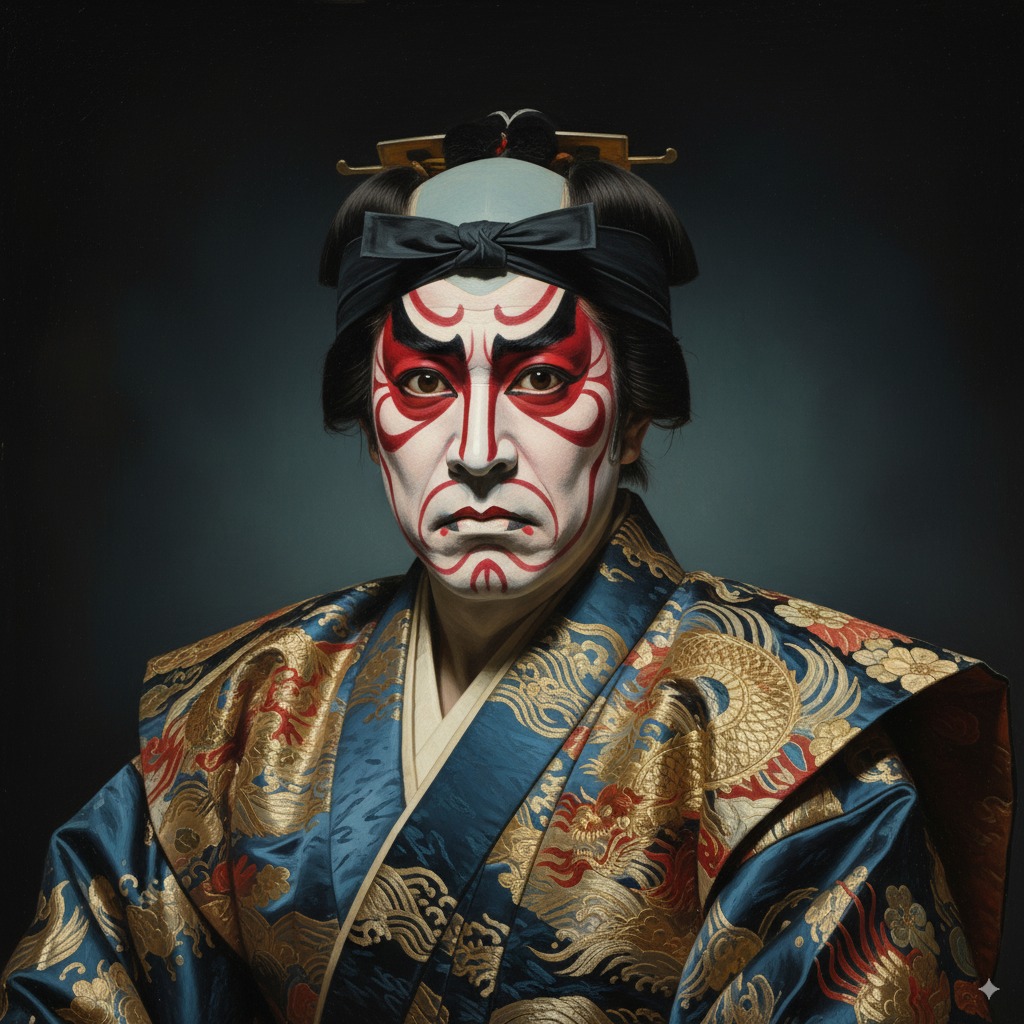
The result was tragic. He was found dead in his hotel room eight hours later. This incident taught everyone that no one is exempt from poison, no matter how famous they are. This tragedy, which demonstrated the horrific consequences of one person’s arrogance ignoring safety rules, ultimately led to a nationwide ban on the sale of fugu liver in Japan.
Dangerous Fruits and Cheeses from Two Continents
A: Jamaica’s Two-Faced Ackee
Jamaica’s national fruit, Ackee, is a symbol of pride born from a sad history. Originally hailing from West Africa, this fruit was brought over on slave ships during the slave trade and became a food source for Africans working on sugarcane plantations. Over time, ackee deeply rooted itself in Jamaican life, becoming the star of the national dish ‘Ackee and Saltfish.’
However, this familiar fruit hides a deadly toxin known as Hypoglycin A. Eating unripe ackee can lead to ‘Jamaican vomiting sickness,’ resulting in severe hypoglycemia and potentially death. The way to avoid this danger is simple and clear: wait for nature’s signal. Ackee must be fully ripe on the tree, splitting open to signal that it is safe to eat, indicating that the toxins have dropped to a safe level.
B: Living Cheese, Sardinia’s Casu Marzu
Now, let’s travel to Sardinia, Italy, where we find Casu Marzu, meaning ‘rotten cheese.’ As the name suggests, it is known as the world’s most dangerous cheese, teeming with live maggots. This cheese is made by allowing cheese flies to lay eggs in pecorino cheese. The hatching maggots eat and digest the cheese, creating a creamy, tangy texture.
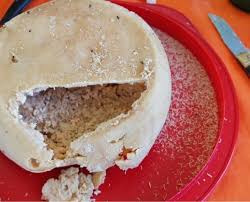
Of course, it poses significant hygiene risks. The maggots can survive stomach acid and reach the intestines, potentially causing illness. However, locals believe the opposite: “Cheese with dead maggots is spoiled; only cheese that is lively and wriggling is fresh and safe.” Due to this unique characteristic, casu marzu is banned from sale in the EU, but this ban has only fueled the cultural pride of the Sardinians. Now, casu marzu has become a symbol of their identity and struggle against uniform regulations.
Ancient Rituals, Modern Risks: Egypt’s Fesikh
Fesikh, which dates back to the time of the Pharaohs thousands of years ago, is a dish made from salted and fermented mullet. It has a rich history, even mentioned by the ancient historian Herodotus. This dish is an essential part of Egypt’s spring festival, ‘Sham El-Nessim,’ enjoyed by all Egyptians regardless of religion, symbolizing unity.
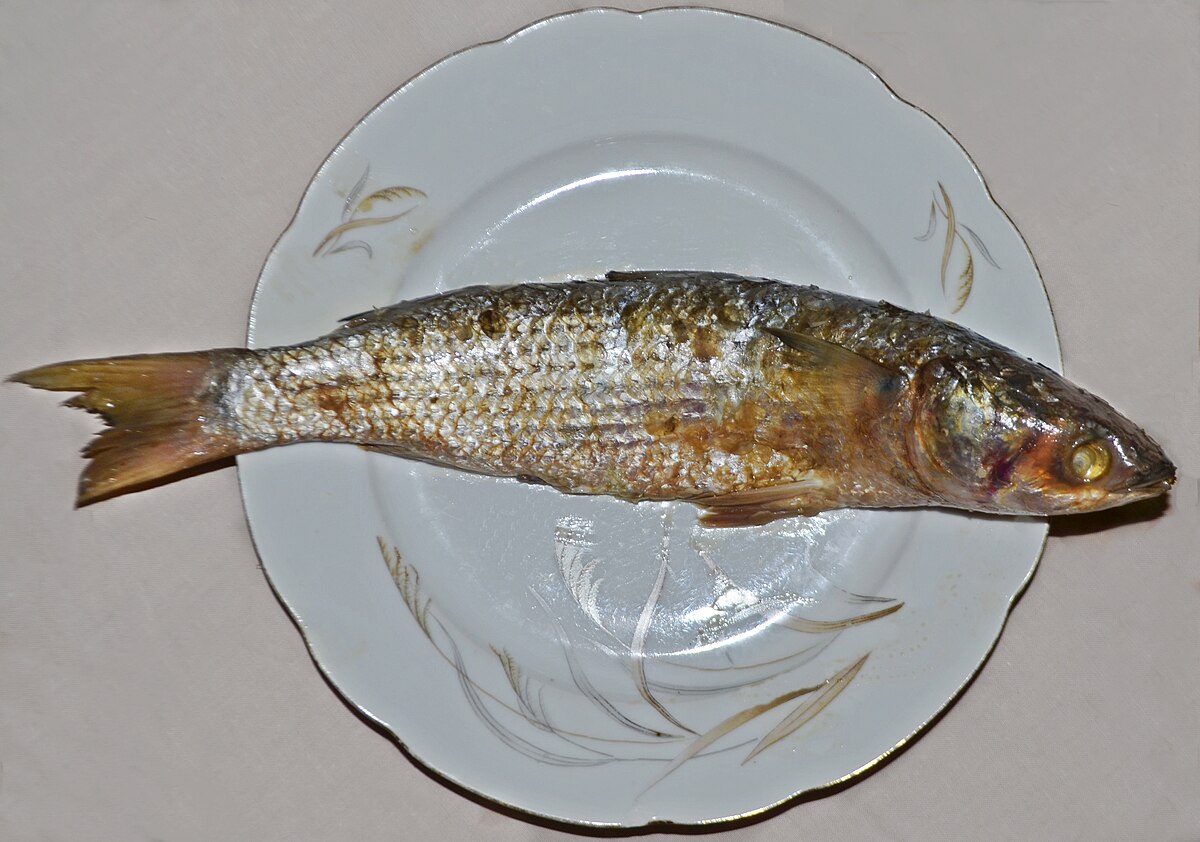
However, this ancient tradition casts a shadow of botulism. If not prepared correctly, it can produce a potent neurotoxin that can lead to paralysis and death. It is particularly dangerous because it is impossible to tell if it has spoiled just by appearance or smell. Every year, the Egyptian government issues warnings before the festival, yet millions of people indulge in fesikh regardless. Why?
Because for them, fesikh is more than just food. It is a sacred ritual that connects them to their ancestors’ legacy, participating in a vast cultural memory that has persisted for thousands of years. The act of joining the annual festival carries far more profound significance than the intermittent risk of food poisoning.
Korea’s Alchemy: Transforming Poison into Medicine
Korean food culture has developed the wisdom of ‘using poison to control poison’ (이독제독), rather than avoiding it. Fugu and medicinal chicken are prime examples.
Medicinal Chicken: Taming Allergens into Health Food
Medicinal chicken, boiled with lacquer tree, is a representative health food that boosts energy during the summer. Its efficacy is recognized in the ‘Donguibogam,’ which states that lacquer aids digestion and warms the body. However, lacquer contains a potent allergen called ‘urushiol,’ which can cause severe dermatitis.
To manage this risk, our ancestors devised a method of drying lacquer tree bark in the shade for an extended period. This process significantly reduces its toxicity. Furthermore, modern science has developed techniques using enzymes to alter the molecular structure of urushiol, greatly enhancing safety while preserving the health benefits of traditional dishes.
Fugu: A Safety System Guaranteed by the State
Korean fugu cuisine is also under strict government regulation, similar to Japan. It is legally mandated that a restaurant handling fugu must have a certified ‘Fugu Chef’ present. This ensures safety through a system rather than relying on individual conscience.
Known as ‘Fugu Examination,’ this challenging test requires not only theoretical knowledge but also precise practical skills.
| Fugu Chef Practical Exam Tasks | Key Evaluation Criteria |
|---|---|
| 1. Identification and Preparation of Fugu Parts | Accurately identify toxic parts (liver, ovaries, etc.) and perfectly separate them without contaminating edible parts. The toxic parts must be placed in a designated container and sealed. |
| 2. Fugu Skin Preparation | Remove the spines from the skin, blanch to enhance texture, and slice thinly for presentation. |
| 3. Fugu Sashimi | Demonstrate advanced knife skills to slice sashimi thin enough to see the plate pattern through it, along with beautiful plating. |
| 4. Fugu Porridge (Jousui) | Use the remaining bones and flesh to make broth and porridge, evaluating the ability to utilize ingredients without waste. |
This national qualification system, with a recent pass rate of only 20-30%, clearly shows that fugu cuisine is a highly specialized field directly linked to public safety.
The Taste of Death: Realizing the Value of Life
The dangerous foods from around the world are vivid history books filled with humanity’s wisdom in facing nature’s challenges. Japan and Korea’s fugu demonstrate ‘institutional management’ of risks through legal means, while Jamaica’s ackee shows ’nature-based rules’ by following natural signals. Sardinia’s casu marzu relies on ’tradition-based knowledge’ rooted in community beliefs, and Egypt’s fesikh proves the ‘power of ritual’ that even overcomes danger.
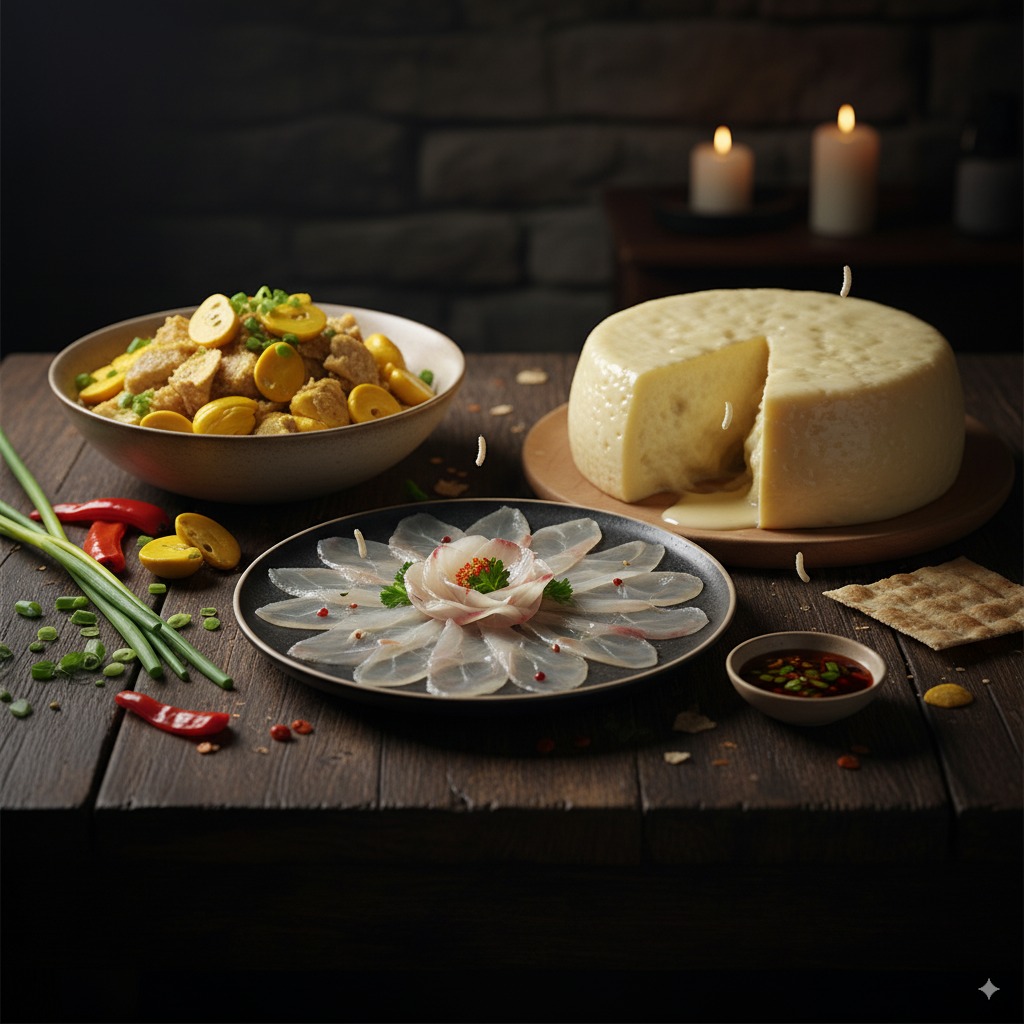
Now, these foods have transcended mere nutrition to become powerful symbols. A piece of fugu carries the thrill of flirting with death, a plate of ackee embodies pride overcoming oppression, and a slice of casu marzu represents cultural identity resisting uniformity.
Ultimately, the stories of these dangerous foods reflect our human experience. The creativity to confront nature’s threats, the longing to affirm belonging through culture, and the endless curiosity about the boundaries of danger and pleasure. In an increasingly predictable world, these foods remind us that the act of eating was originally a fierce and sometimes deadly communion with nature. And for the courageous gourmets, they offer the ultimate experience that teaches the value of life through the literal ’taste of death.’