
A Bottle of Oil Can Change Your Table.
- You will be able to choose the right cooking oil for your dishes.
- Learn how to preserve flavor and health based on the oil’s smoke point.
- With proper storage methods, you can maintain freshness for a long time.
The Beginning of Every Dish: Understanding Cooking Oil
The cheerful ‘sizzle’ sound fills the kitchen. The moment oil coats the heated pan and the ingredients that will become today’s stars are placed in, every delicious dish begins. While we put effort into selecting fresh ingredients, we often forget the crucial role of cooking oil.
“Isn’t all oil the same?” you might think. Absolutely not. The type of oil you use and how you use it can change the flavor, aroma, texture of your dishes, and even your family’s health. This article reveals the hidden stories of oils that will upgrade your kitchen.
Chapter 1: The Secret of the Oil’s Cry, ‘Smoke Point’
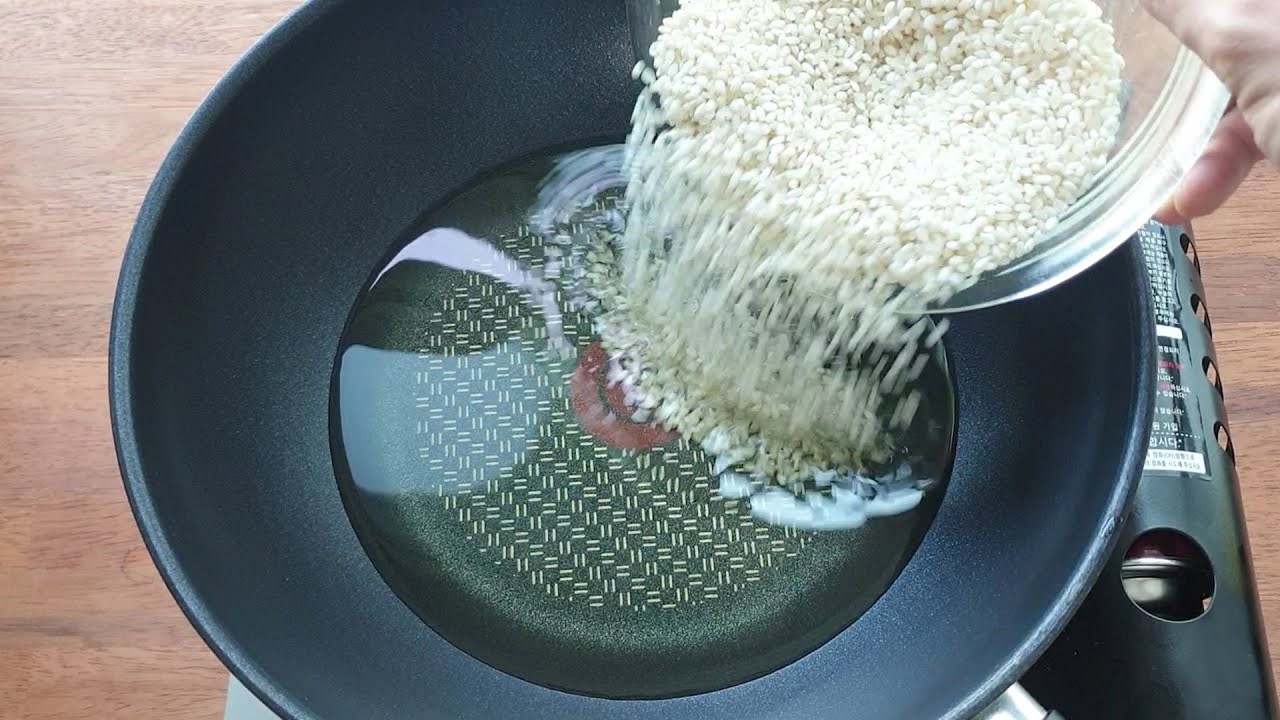
Every oil has a critical point it can withstand when heated, known as the Smoke Point. This is the temperature at which smoke begins to rise when the oil is heated.
Exceeding this temperature can destroy the beneficial components of the oil and produce carcinogenic substances like ‘benzo[a]pyrene’. The flavor of the dish can turn bitter, and valuable nutrients can be lost. Therefore, we must understand the characteristics of each oil and choose the appropriate cooking methods.
Chapter 2: Heroes of High Heat - Oils for Frying and Stir-Frying
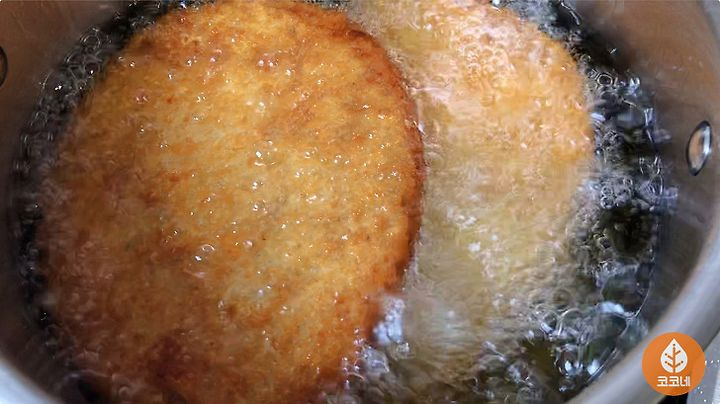
There are oils with high smoke points that elevate the flavor of ingredients even in intense heat. They are the problem solvers in the kitchen responsible for the crispiness of tonkatsu and the crunchiness of stir-fried potatoes.
Who are the Special Forces of High-Temperature Cooking?
- Avocado Oil: Smoke point 270°C. The highest smoke point among existing cooking oils, safe for any high-temperature cooking.
- Sunflower Oil: Smoke point 250°C. Mild flavor that pairs well with any dish.
- Canola Oil: Smoke point 240°C. Versatile due to its clean taste, great for frying and pan-frying.
- Grapeseed Oil & Soybean Oil: Smoke points around 230°C and 220°C, respectively. Our most familiar partners for high-temperature cooking.
Wait! Are you worried about GMOs?
Soybeans, corn, and canola are representative genetically modified (GMO) crops. If this concerns you, it’s advisable to check for a ‘Non-GMO’ label when purchasing products.
Real-Life Story: Choosing for Perfect Tonkatsu
When I first fried tonkatsu, I unknowingly used olive oil, filling the kitchen with smoke and burning the tonkatsu. The optimal frying temperature for tonkatsu is 160~170°C. Using canola oil or soybean oil, which can withstand this temperature, ensures that the pork is perfectly cooked inside and the batter is golden and crispy.
Chapter 3: Guardians of Flavor - Oils for Dressings and Salads
Not all oils love heat. Some delicate oils reveal their true value without heat. They beautifully finish dishes with their unique flavors, aromas, and rich nutrients.
Who are the Avengers of Low-Temperature Cooking?
- Extra Virgin Olive Oil: Smoke point around 160~190°C. Its fresh grassy aroma pairs well with salad dressings and marinades.
- Perilla Oil & Sesame Oil: Smoke point around 160~170°C. Their nutty aroma is essential for finishing Korean dishes.
Real-Life Story 1: ‘Caprese Salad’ Capturing the Summer of Italy
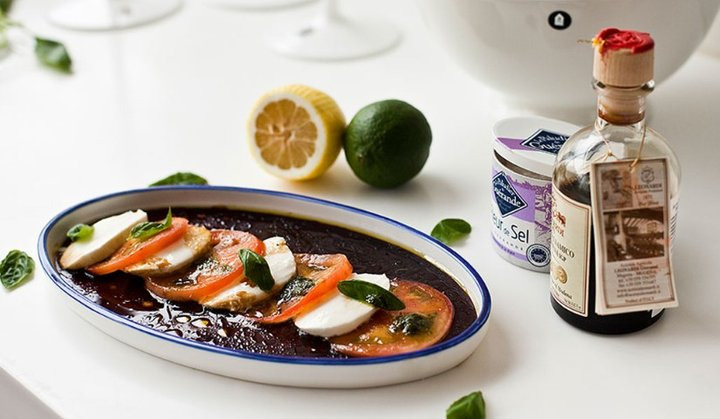
Fresh tomatoes, soft mozzarella cheese, and fragrant basil come together in Caprese. The final touch that turns this dish into art is extra virgin olive oil. The fresh aroma and taste of freshly pressed olive oil envelop the natural flavors of the ingredients, bringing the Mediterranean summer to your palate.
Real-Life Story 2: The Pinnacle of Nutty Flavor, ‘Perilla Oil Noodles’
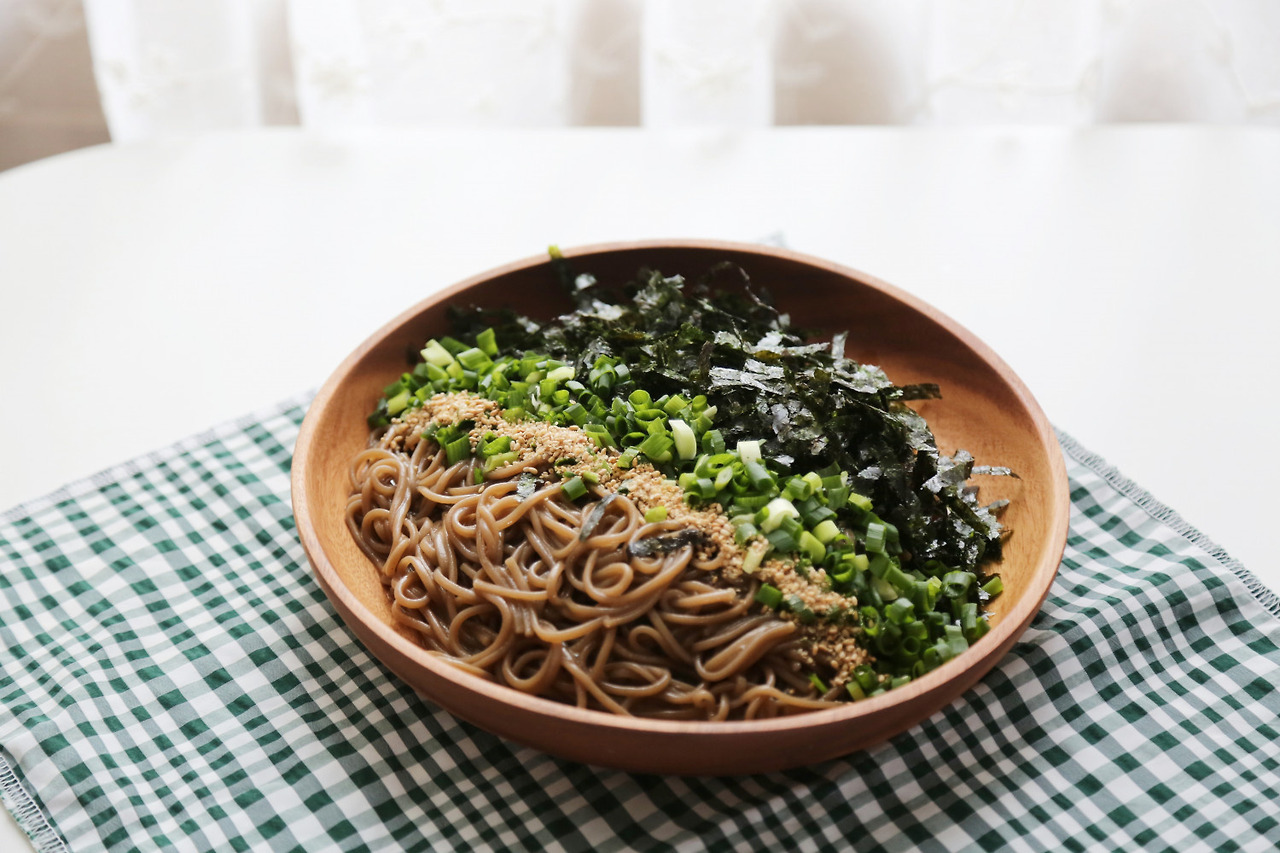
The trendiest noodles these days are perilla oil noodles. The nutty aroma of perilla oil drizzled over well-cooked buckwheat noodles completes half the flavor. Perilla oil is the highest among plant oils in omega-3 fatty acid content, with over 60%, earning it the title of ‘King of Omega-3’.
Chapter 4: Balance for My Body, Omega-3 vs Omega-6
Our body requires a balance of ‘Omega-3’ and ‘Omega-6’ fatty acids. Omega-3 suppresses inflammation, while excessive intake of Omega-6 can trigger inflammation.
The World Health Organization (WHO) recommends an ideal intake ratio of Omega-6 : Omega-3 = 4 : 1 or less, but modern diets can soar to 20:1. This imbalance can lead to chronic diseases. Reduce the use of corn oil and soybean oil, and increase the intake of foods rich in omega-3, such as perilla oil, canola oil, and fatty fish to find a healthy balance.
A Quick Guide to Cooking Oils
| Type of Oil | Recommended Dishes and Features | Storage Method |
|---|---|---|
| Avocado Oil | Good for both high and low heat (Smoke point 270°C) | Room temperature, dark place |
| Sunflower Oil | Recommended for high-temperature cooking (Smoke point 250°C) | Room temperature, dark place |
| Canola Oil | Good for both high and low heat (Smoke point 240°C, rich in omega-3) | Room temperature, dark place |
| Grapeseed Oil | Good for both high and low heat (Smoke point 230°C) | Room temperature, dark place |
| Soybean Oil | Recommended for high-temperature cooking (Smoke point 220°C) | Room temperature, dark place |
| Olive Oil (Extra Virgin) | Recommended for low-temperature cooking (Smoke point 160-190°C) | Room temperature, dark place |
| Perilla Oil | Recommended for low-temperature cooking (Smoke point 170°C, very rich in omega-3) | Refrigerate |
| Sesame Oil | Recommended for low-temperature cooking (Smoke point 160°C) | Room temperature, dark place |
Checklist for Choosing the Right Cooking Oil for Your Dish
- What dish will you make?: Frying/stir-frying or salad/marinade?
- Check the smoke point: For high-temperature cooking, choose oil with a smoke point of at least 220°C.
- Consider aroma and flavor: If you want to preserve the natural taste of ingredients, choose oils with mild flavors (canola oil, grapeseed oil). If you want to enhance flavor, choose oils with strong aromas (olive oil, perilla oil).
- Think about health: Add omega-3-rich oils like perilla oil and canola oil to your diet to balance fatty acids.
- Check storage methods: Ensure oils that are prone to rancidity, like perilla oil, have appropriate storage methods (room temperature/refrigeration).
Chapter 5: Wisdom for Protecting Oil, Proper Storage Methods
No matter how good the oil is, it can spoil if not stored properly. The biggest enemies of oil are light, heat, and air.
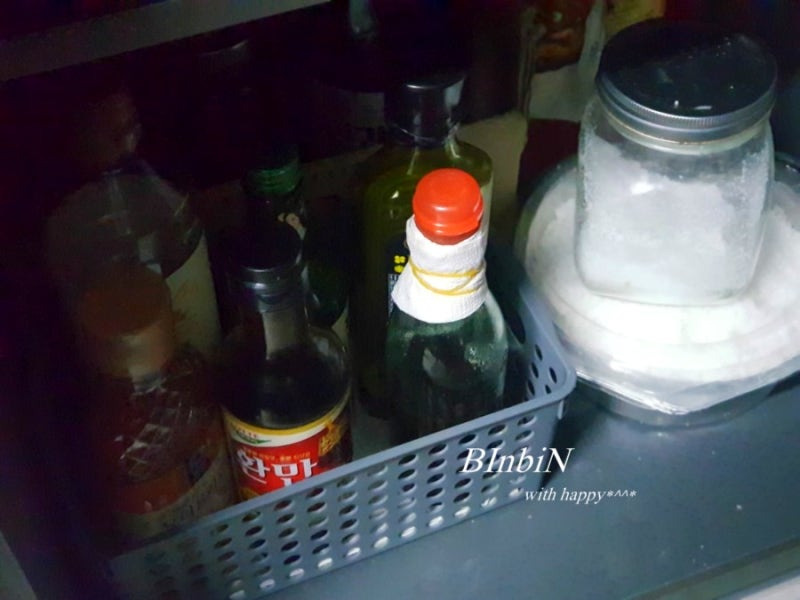
- Store in a dark, cool place: Next to the stove is the worst place. A cool cabinet that doesn’t let in light is ideal.
- Always close the lid tightly: Exposure to air is a major cause of oil rancidity.
- Refrigerate perilla oil: Rich in omega-3, perilla oil spoils quickly, so it must be refrigerated and consumed quickly.
- Can used oil be reused?: Frying oil can be reused once or twice if filtered, but since its smoke point decreases, it’s best to minimize reuse.
Conclusion
- Remember the smoke point: Choosing the right oil for your cooking method is the first step to flavor and health.
- Respect the role: Use avocado or canola oil for high-temperature cooking, and olive oil or perilla oil for low-temperature cooking to maximize the advantages of each oil.
- Maintain balance: Consider the intake ratio of omega-3 and omega-6 to create a healthy diet.
Now you are a wise maestro conducting your kitchen. What wonderful dish will be born in your kitchen tonight?