
Rivalry of Two Giants: From Stolen Names to Zero-Calorie Wars
The Secret Behind the Name Cider
Before we begin the story, let me gift you an experience where the world you take for granted twists slightly. Picture a can of ‘cider’ in your refrigerator. A clear, transparent liquid, the scent of lemon and lime, and the exhilarating carbonation that hits your throat. Right? But what if I told you, “That is not cider”?
Originally, in Europe, ‘cider’ refers to a golden alcoholic drink made from fermented apples. It derives from the Latin word for ‘strong drink’. The term took on a completely different meaning in Korea during the mid-19th century, when Western culture began to enter East Asia through Japan.
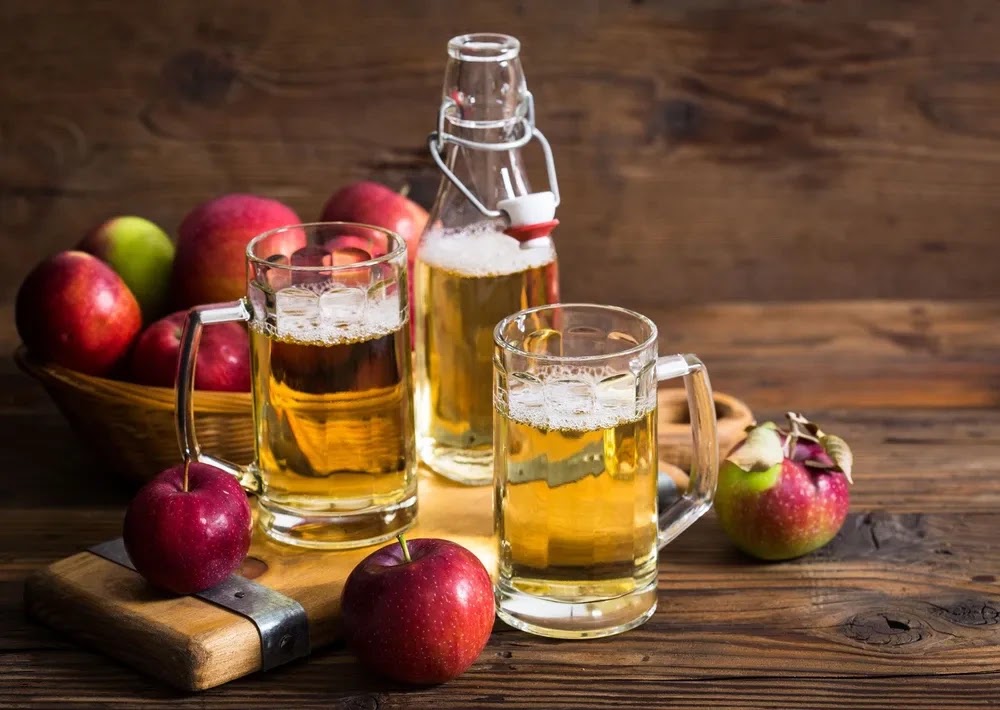
A British merchant in Yokohama, Japan, began selling carbonated water mixed with flavorings as ‘champagne cider’, which eventually shortened to ‘cider (サイダー)’. Thus, the new meaning of ‘cider’ crossed over to the Korean Peninsula through Japan. The name of the cider we drink is not just a simple misunderstanding; it is a ‘historical artifact’ that reflects the flow of Western culture entering through Japan.
The Star Born in Incheon: The First Cider
In 1905, in the open port city of Incheon, a Japanese businessman named Hirayama Matsutaro established the ‘Incheon Carbonated Water Manufacturing Company’ and began producing the first cider in Korea, ‘Seonginpyoh (星印標) Cider’. Due to the star shape in the center of the label, people referred to it as ‘Star Cider’.
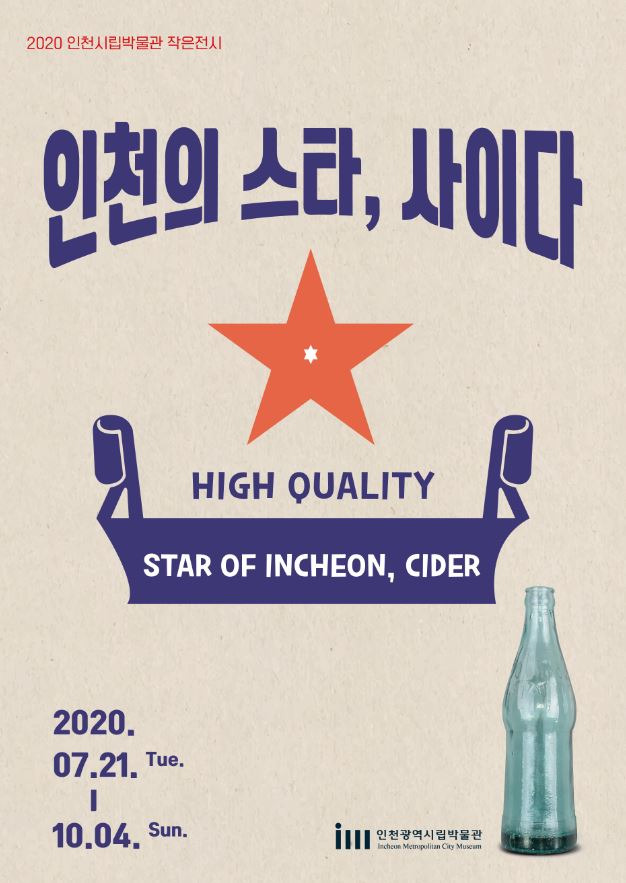
With its fizzy sweetness and refreshing taste, ‘Star Cider’ gained immense popularity, even featuring full-page advertisements on the Gyeongin Line trains. The legacy of this ‘star’ continued with ‘Star Cider’ from ‘Gyeongin Joint Beverage’ in 1937, giving rise to the comedian Seo Young-chun’s catchphrase, “Even if cider floats in the Incheon sea, you can’t drink it without a cup!”, establishing it as a cultural phenomenon.
The Seven Stars of Seoul: The Birth of National Cider
In 1949, amidst the pain of liberation and division in Seoul, seven displaced persons with hometowns in the North established the ‘Dongbang Refreshing Beverage Company’ with the determination to “make cider with our own hands”.
Noticing that all seven founding members had different surnames, they named it ‘Chilseong (七星)’, meaning ‘Seven Stars’. Thus, ‘Chilseong Cider’ was born, symbolically inheriting the legacy of the ‘star (星)’ that began in Incheon as ‘seven stars (七星)’.
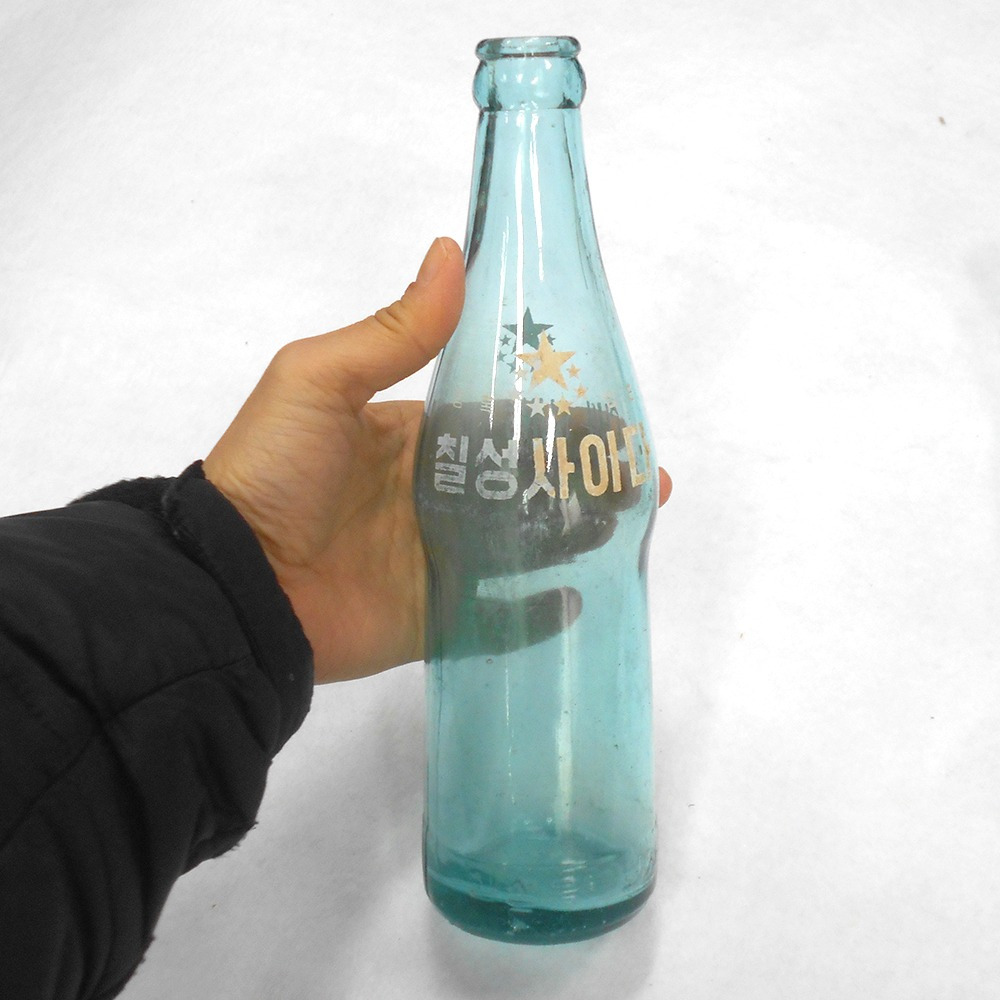
The first product was launched on May 9, 1950, but the factory had to close a month later due to the Korean War. The history of Chilseong Cider, which rose from the ruins of war, parallels the modern history of South Korea. Subsequently, Chilseong Cider became deeply embedded in Korean life, representing the refreshing feeling of baths, festive occasions, and serving as a remedy for indigestion, solidifying its status as ‘National Cider’.
The Emergence of a Global Giant: Sprite
At the same time, on the other side of the globe, the ‘cola wars’ were in full swing. The Coca-Cola Company needed a weapon to counter the lemon-lime soda market leader, ‘7 Up’.
The answer came in the form of ‘clear lemon Fanta (Fanta Klare Zitrone)’, developed in West Germany in 1959. This beverage made its debut in the U.S. market in 1961 under the sleek name ‘Sprite’, meaning ‘water or air fairy’.
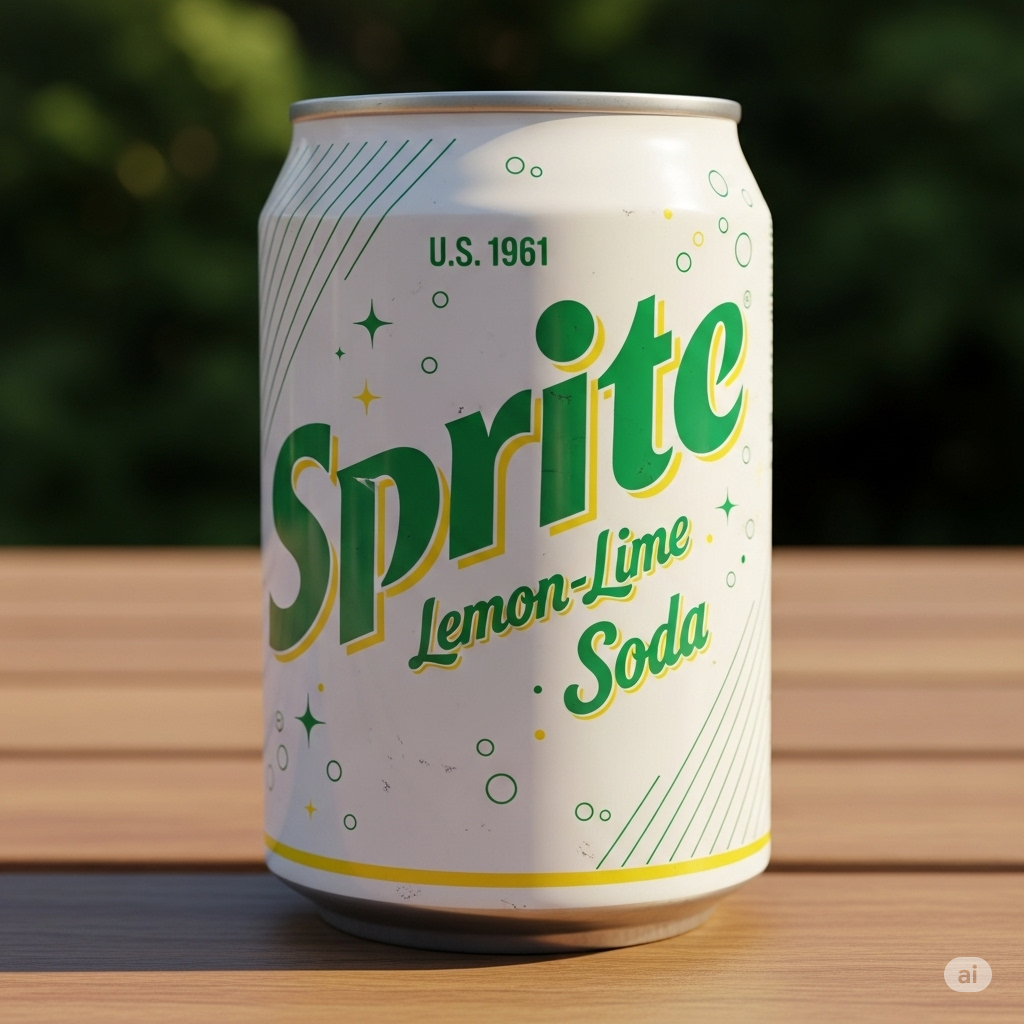
The birth narrative of Sprite was fundamentally different from that of Chilseong Cider. It was not a ‘creation’ imbued with the pain and hopes of a nation but rather a meticulous ‘corporate strategy’ aimed at market capture. From the late 1980s, Sprite partnered with subcultures like hip-hop and basketball, boldly adopting the slogan “Obey Your Thirst”, quickly rising as a symbol of ‘coolness’.
The Bloody Battle of 1992: The First Encounter of Cider and Sprite
In 1992, Sprite, having conquered the Asian market, finally landed in Korea. Lotte Chilsung, which owned the ‘National Cider’ Chilseong Cider, executed a bold operation rarely seen in the history of global beverage wars: they launched a copycat product named ‘Sprint’.
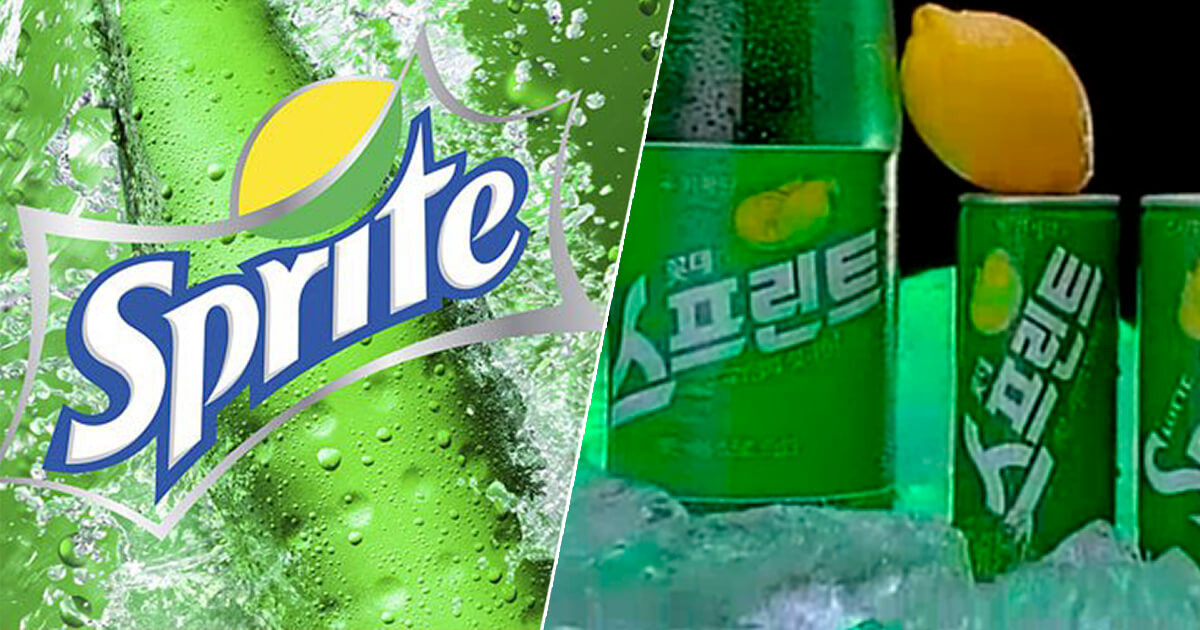
Similar in name, design, and taste to Sprite, legend has it that Lotte Chilsung intentionally made the flavor somewhat lacking. Utilizing its powerful distribution network, Lotte Chilsung spread ‘Sprint’ nationwide before Sprite could establish itself in the market. Consumers mistook ‘Sprint’ for Sprite and concluded, “Sprite isn’t anything special” after tasting it.
This surprise operation dealt a fatal blow to Sprite, which withdrew from the Korean market in humiliation without even having a proper fight. This incident remains a legendary example of ‘guerrilla warfare’, where the local champion’s distribution network and base triumphed over the capital of a global giant.
The Ongoing War: The Zero-Calorie Battle
Years later, Sprite returned with a vengeance, adopting a different strategy. Instead of taking the place of ‘National Cider’, it built its own young and trendy territory by featuring the most ‘hip’ artists of the time, such as Chung Ha and Jay Park.
In the 2020s, the war entered a new phase in the ‘zero-calorie’ market. ‘Chilseong Cider Zero’ and ‘Sprite Zero’ clashed once again to capture health-conscious consumers.
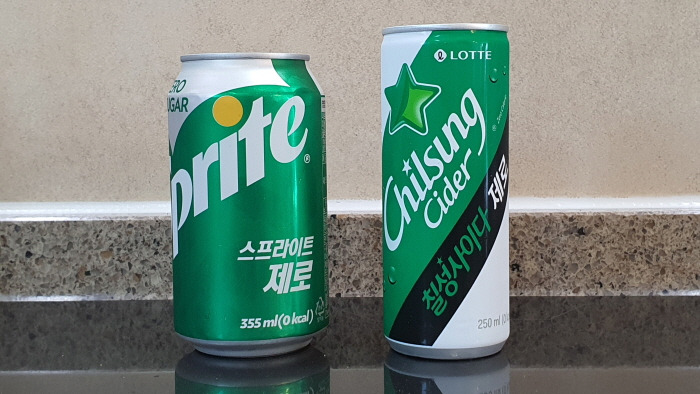
The tastes of the two ‘zeros’ are subtly different. ‘Chilseong Cider Zero’ maintains the original identity with stronger and sharper carbonation, while ‘Sprite Zero’ aims for a relatively sweeter and smoother taste.
Comparison/Alternatives
Chilseong Cider vs Sprite: A Century-Defining Rivalry Comparison
The two beverages show distinct differences in their origins, identities, and flavors.
| Category | Chilseong Cider | Sprite |
|---|---|---|
| Birth | 1950, Seoul, South Korea | 1959, West Germany / 1961, USA |
| Birth Narrative | National Resurgence: A symbol of hope created by displaced persons amidst war | Corporate Strategy: A strategic product to counter competitors by Coca-Cola |
| Core Identity | Purity & Nostalgia: ‘National Cider’, clarity and cleanliness, memories of Koreans | Youth & ‘Coolness’: Trendy, hip-hop, an icon of global and street culture |
| Representative Slogan | “Clear and Clean” | “Obey Your Thirst” |
| Cultural Relevance | Family gatherings, Korean cuisine, public baths | Hip-hop, basketball, K-pop idols |
| Flavor Characteristics | Stronger and sharper carbonation, clean lemon-lime taste | Softer carbonation, sweeter and lime-flavored taste emphasized |
| Decisive Moment | Market leader for over 70 years, emerged as a cultural icon | Strategic re-entry after withdrawal due to the ‘Sprint’ incident in 1992 |
Conclusion
From a small factory in Incheon to the global zero-calorie battlefield, the 120-year history of Korean cider mirrors modern Korean history. The story of this fizzy rivalry suggests several important points:
-
Key Summary:
- Historical Significance of the Name: The ‘cider’ we drink has a unique history, redefined through modernization via Japan, diverging from its original meaning (apple beverage).
- Contrasting Identities: While Chilseong Cider has grown as a ’national brand’ alongside the history of the nation, Sprite has developed as a ‘global brand’ through meticulous corporate strategy and trendy cultural marketing.
- Ongoing Rivalry: From the ‘Sprint’ incident in 1992 to the current competition in the ‘zero-calorie’ market, the duel between these two giants continues to evolve with the times.
Thanks to the steadfast ‘National Cider’ and the sophisticated ‘global challenger’, the world of clear, transparent carbonated beverages will never be dull. Which one will you choose?
References
- [Decisive Edge]① Chilseong Cider is not ‘cider’ - Daum
- [Loanword] Cider / Kim Seon-cheol - Hankyoreh
- Incheon’s Star, Cider - Incheon Cultural Communication 3.0
- “The Origin of Cider…"|Dong-A Ilbo
- Korea’s First Cider ‘Incheon’ [Incheon Talk] - Seoul Economic Daily
- The First Cider Factory Established in Incheon in 1905 - Local N Culture
- ‘Cider’ Originated in Incheon, When Did Cider Start? | JoongAng Ilbo
- Chilseong Cider - Namu Wiki
- [Go! Century Product] ‘Chilseong Cider’ that has relieved discomfort for 71 years - Global Economic
- Unchanging Refreshment ‘Chilseong Cider’… The Cider of the Nation for 74 Years [Longevity K-Food⑫] - E Today
- Sprite (drink) - Wikipedia
- Sixty Years of Sprite® - Coke Solutions
- A Brief History of Sprite - Rock Hill Coca-Cola
- 2.5 Trillion Won Beverage War… Summer is Hot - Sisa Journal
- Cider War: Which Beverage Will Claim the Throne from Chilseong Cider? - Masism
- ‘Cool Sexy Idol’ Chung Ha, Selected as Sprite’s Advertising Model for Two Consecutive Years - Digital Chosun Ilbo
- Sprite (drink) - Namu Wiki
- Sprite Zero vs Chilseong Cider Zero (Narang is out) - YouTube