
The consumer landscape of South Korea encapsulated in a single meal, exploring the massive tectonic shifts initiated by delivery apps.
- We examine the successful strategy of burger brands targeting both the value-for-money and premium markets simultaneously.
- We analyze why the pizza industry is facing challenges in the era of single-person households and the frozen food market.
- We forecast the impact of digital transformation and changing consumer values on the future dining out market.
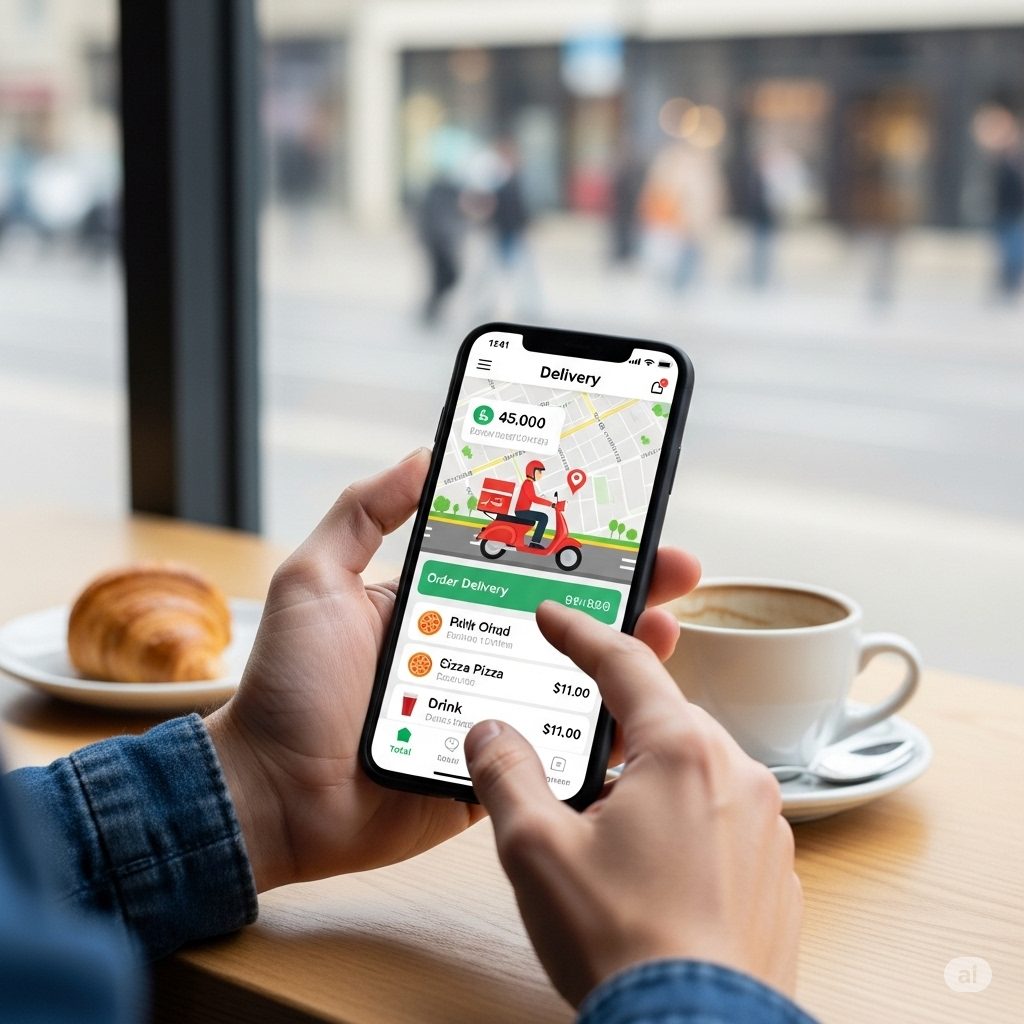
Tuesday night at 10 PM, scrolling through a delivery app while pondering dinner options—everyone has experienced this, right? The hesitation between a 10,000 won handmade burger set and a pizza nearing 40,000 won. This seemingly trivial dilemma succinctly illustrates the massive trend driving the current changes in South Korea’s dining out market.
This is not merely a change in taste. It is the complex result of the explosive increase in single-person households, the thinning wallets in an era of high prices, and a consumer psychology that values personal satisfaction. While one side thrives with clever strategies, why is the other, once the king of dining out, facing a crisis? Let’s begin uncovering that hidden story.
1. The Rise of the Burger Empire: A Perfect Victory on Two Fronts
The success of the hamburger market is not due to a single strategy but the result of a clever dual-front approach that conquers both the value-for-money and premium markets.
The Value-for-Money Revolution: The Birth of Burgers for Everyone
‘Mom’s Touch’ and ‘No Brand Burger’ led a public movement under the banner of ‘value-for-money’, not merely offering cheap burgers. Their core strategy was to target the ’local business districts’ overlooked by large corporations, appealing to students and budget-conscious office workers.
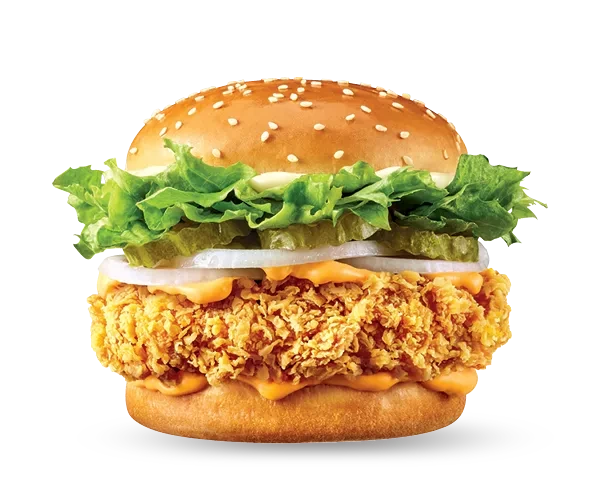
In particular, Mom’s Touch rose to the top of the industry in 2023 with over 1,400 stores, surpassing Lotteria. The legendary ‘Cyber Burger’ and the ‘After Order’ method of cooking after ordering instilled a perception of ‘fresh and properly made food’, creating a clear differentiation.
This shows that the ‘value for money’ desired by modern consumers is not merely about being cheap. A sophisticated value proposition combining affordable prices, generous portions, freshness, and accessibility provides satisfaction that one has made a ‘smart purchase’ in an era of high prices.
Premium Invasion: Burgers Become a ‘Small Luxury’ in Daily Life
On the opposite side of the market, premium brands like ‘Shake Shack’ and ‘Five Guys’ have elevated burgers from mere meals to coveted ’experiences’.
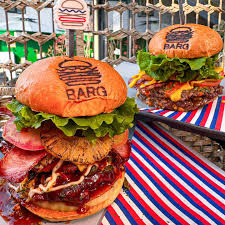
Their key weapon is uncompromising quality. Five Guys’ ’three no’s (no frozen food, no microwave, no timer)’ principle and the strategy of selling ’the taste of the American mainland’ without localized menus hit the mark with Korean consumers sensitive to global trends. This is a clear example of the trend of ’the cheapest luxury’, where a 17,000 won burger, though expensive, provides a special satisfaction.
Counterattack of Existing Giants: How Did the Giants Adapt?
Existing giants like ‘McDonald’s’ and ‘Burger King’ did not crumble. Instead, they solidified their empires through innovation.
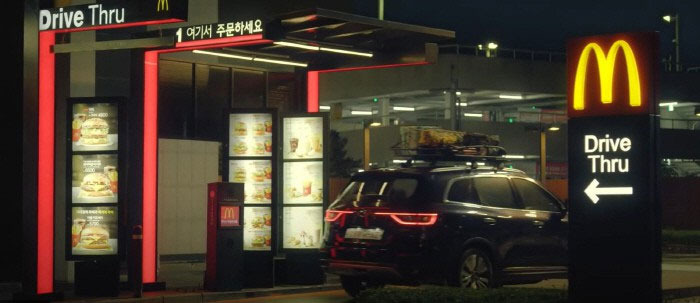
McDonald’s became the winner of the ‘untact’ era as ‘drive-thru (DT)’ services exploded in growth during the COVID-19 pandemic. Burger King successfully implemented a hybrid strategy through digital transformation with its own app ‘King Order’ and the launch of premium menu items like the ‘Angry Truffle Whopper’.
| Brand | 2023 Revenue (approx.) | Core Strategy |
|---|---|---|
| McDonald’s | 1.118 trillion won | Hybrid: Legacy + Digital/Premium |
| Lotteria | 906 billion won | Legacy: Localization |
| Burger King | 745.3 billion won | Hybrid: Digital + Premium |
| Mom’s Touch | 363.9 billion won | Value-for-Money Revolution |
| Five Guys | (Not disclosed) | Premium Experience |
2. The Plight of Pizza: Missing the Flow of the Times
While the burger empire expands its territory, the pizza kingdom is on a path to decline. This is more akin to a tragedy faced by products and business models that failed to read the flow of the times.
The Price Barrier and the Arrival of the Single-Person Household Era
The biggest reason for hesitating over pizza is the ‘price barrier’ that ranges from 30,000 to 40,000 won. However, the more fundamental issue lies in the essence of pizza as ‘a large food meant to be shared’.
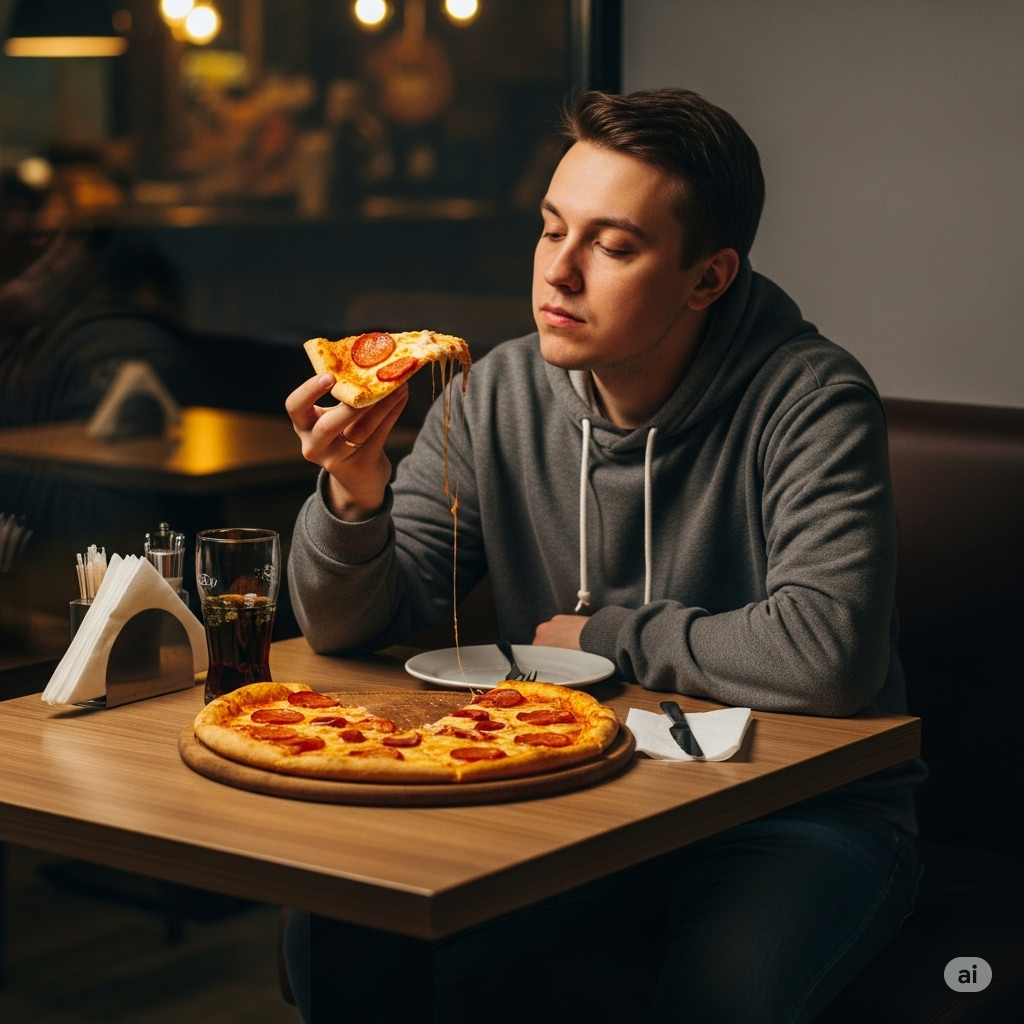
With 34.5% of all households being ‘single-person households’ in South Korea, a pizza is a burdensome choice in terms of both price and quantity. This illustrates a fundamental crisis of ‘Product-Society Mismatch’. Pizza is optimized for a four-person family model, but society has been restructured around single-person households.
An Unexpected Competitor: The Rebellion of Frozen Pizza
The true enemy of franchise pizza has emerged from the frozen food section of large supermarkets. Once considered a poor snack, frozen pizza has now grown into a formidable alternative.
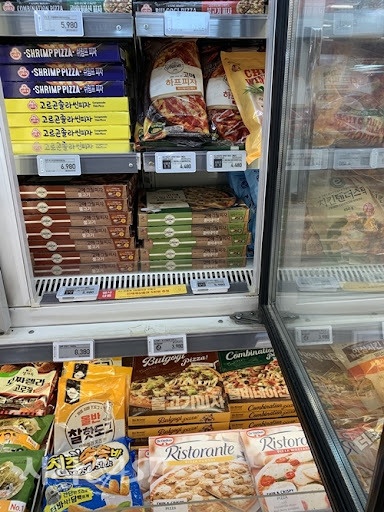
The domestic frozen pizza market exploded from 90 billion won in 2019 to 163.5 billion won last year. This is because it precisely targeted the weaknesses of franchise pizza with 5,000 won prices, 1-2 serving sizes, and ultimate convenience. This is a typical case of ‘Disruptive Innovation’, maintaining ‘quite decent’ quality while achieving overwhelming advantages in cost and convenience.
Internal Issues and Trust Breakdown
The crisis in the pizza market was not solely due to external environments. ‘Pizza Hut’ faced conflicts with franchise owners, while ‘Mr. Pizza’ suffered from owner risks such as the founder’s abuse of power and the ‘cheese toll’ incident, leading to a decline in brand image. These internal issues provided perfect justification for consumers to turn away, accelerating the crisis.
3. The Verdict of Modern Diners: New Rules of Dining
The contrasting fates of burgers and pizzas signify a change in the ‘rules’ by which consumers choose food.
Digital Transformation: The Frontline of New Customer Experiences
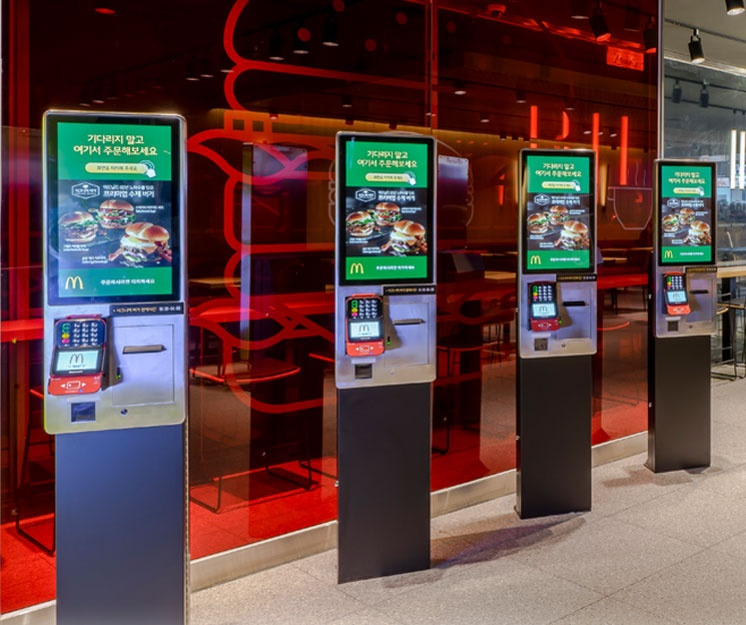
Now, the ‘frontline’ of restaurants is no longer the cash register but the user interface (UI) of kiosks and apps. A staggering 63.0% of hamburger orders are made through kiosks. This signifies an important insight that the battlefield for customer experience has completely shifted from offline to digital, going beyond merely reducing labor costs. The success of future dining businesses will depend on how smoothly and error-free digital experiences can be provided.
Changing Value Equation and Delivery Fee Dilemma
Why does a 10,700 won hamburger feel ‘reasonable’, while a 35,000 won pizza feels like a ‘rip-off’? Because value is not an absolute number but a relative ‘feeling’. Consumers want to feel that they have ‘received value beyond the price paid’.
Moreover, the invisible tax of ‘delivery fees’ is particularly lethal for high-priced items. When a 35,000 won pizza incurs delivery fees, nearing 40,000 won, consumers hesitate at the order button. This creates a ‘vicious cycle of high-priced products’, pushing consumers further away.
Conclusion
The contrasting fates of burgers and pizzas clearly illustrate the massive changes in South Korea’s dining out market.
- Key Summary 1: The success of burgers was a victory of the dual strategy of ‘value-for-money’ and ‘premium’. It captured all consumer segments by targeting both extremes of the market.
- Key Summary 2: The crisis of pizza stemmed from ‘Product-Society Mismatch’. The product form and high prices did not align with the era of single-person households.
- Key Summary 3: The future dining market’s key will be ‘personalization’ and ‘digital experience’. Brands that provide a satisfying experience for individuals will survive.
In this changing landscape, ‘Go Pizza’ presents a new hope with single-serving sizes, reasonable prices, and ‘food tech’ using AI and automated ovens. This shows that it is not the food itself, but the outdated methods that have reached the end of their lifespan.
Next Action Suggestion (CTA): When you open the delivery app tonight, ask yourself, “Why am I choosing this menu?” The answers to all the changes in the dining out market will be contained within your choices.