

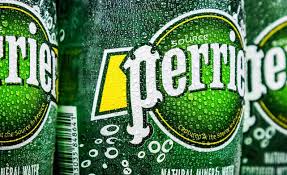
We have always yearned for perfect purity, especially when it comes to the water that fills our bodies. A bottle of water from a pristine source deep in the Vosges mountains or melted from the eternal snows of the Alps. We believed that within its transparency lay the essence of untainted nature. The refreshing fizz of Perrier, the vitality of Vittel, the smoothness of Evian. We willingly opened our wallets for these names, thinking we were drinking ’nature itself’ rather than just plain water.
But today, I want to tell you a story about the dark shadow cast over that seemingly perfect world of belief. This is not just a corporate mistake; it is a tale of a massive deception that betrayed our trust.
Whispers Behind the Curtain
Every truth quietly sprouts in the darkness. The seed of this story was sown in 2019, inside a factory of the French bottled water manufacturer Alma Group. An employee, tormented between his conscience and professional ethics, could no longer remain silent. He knocked on the door of the French Consumer Fraud Control Agency (DGCCRF) and revealed a horrific secret that was rampant throughout the industry.
“The water we sell is not ’natural spring water’ as defined by law.”
His voice was small, but the impact was immense. What he pointed out was not just his own company. It was the Waters division of Nestlé, the world’s largest food company, which had been illegally processing water for decades, including their global brands like Perrier, Vittel, Évian, and Contrex.
Here, we must reconsider the weight of the name ’natural spring water.’ The laws of the European Union (EU) are very strict and even romantic. Water drawn from the ground must maintain its ‘uncontaminated pure state’ from underground and must not undergo any sterilization or disinfection processes. Only minimal filtration to remove unstable components like iron is allowed. This is akin to a philosophy that encourages us to appreciate a work of art created by nature as it is.
However, the reality exposed by the whistleblower was different. They were treating the water as if it were tap water, using ultraviolet (UV) lamps to sterilize microorganisms and fine activated carbon filters to remove chemical contaminants. Why? Because the source they revered had become contaminated.

Contaminated Paradise and Dangerous Choices
Why have once pristine sources become contaminated? Repeated droughts and floods due to climate change have destabilized groundwater, and pollutants from nearby factories and agricultural lands, even bacteria typically found in feces, have begun to seep in.
Giant corporations like Nestlé found themselves in a dilemma. The moment they confessed, “The source has been contaminated,” the myth of ‘purity’ they had built over decades would collapse, leading to enormous economic losses. They ultimately chose profit over truth, deciding to deceive consumers and break the law.
Their deception was meticulous. The UV sterilization devices and carbon filters installed on the production line were cleverly hidden whenever external auditors visited. They had two faces: one was the apostle of purity singing the praises of clean nature in advertisements, while the other was a technician operating illegal machines to make contaminated water ’normal’ deep within the factory.
Eventually, in the spring of 2024, Nestlé had to dispose of over two million bottles of Perrier water after fecal coliform was detected at their southern France source. It was the moment when the water, once called ‘a miracle of nature,’ was clearly exposed to the risk of contamination.
The Silence of the State, The Beginning of Covert Deals
The decisive reason this story escalated from mere corporate misconduct to a national scandal was the involvement of the government. Surprisingly, the government not only turned a blind eye to this fact but actively participated in the cover-up.
In August 2021, Nestlé knocked on the government’s door. They confessed their illegal practices to the then Minister of Industry. However, this was not out of a sense of guilt. Faced with a reality they could no longer hide, it was a high-level strategy to avoid punishment and continue their business. Nestlé whispered to the government:
“If we cannot purify the contaminated source according to the law, we will have to close the factory. Countless jobs will disappear.”
This was a ’threat’ and the beginning of a ‘deal’ that the government found hard to refuse. For the French government, the bottled water industry was not just a beverage business. It was a ‘strategic industry’ directly linked to the national image and a pillar of the economy responsible for numerous jobs.
Ultimately, the government chose corporate profits and economic logic over public health and consumers’ right to know. On October 14, 2021, the first secret meeting of relevant departments was held. According to the French Senate investigation report, a ‘deliberate concealment strategy’ was decided in this meeting, stating, “Do not inform the public and the European Union (EU) about this fact; resolve it quietly.” It was the moment a massive cartel of silence against the public was formed.

The Prelude to ‘Watergate’, Relentless Pursuit of Truth
The covert collusion between the government and corporations could not last forever. The silence that lasted over two years was shattered in January 2024 by investigative reports from the prominent French media Le Monde and Radio France. Journalists, based on the whistleblower’s tip, embarked on a relentless pursuit that opened the Pandora’s box of truths hidden by the government and Nestlé.
The truths revealed by the media were shocking.
- Lobbying at the level of summits: Nestlé conducted extensive lobbying against the highest levels of the state, including meeting with Alexis Kohler, the President’s Chief of Staff.
- Distortion of regulations: The government made exceptions to allow the use of micro-filters, which had previously been prohibited, effectively changing the law to suit the company.
- Manipulation of reports: It was even revealed that the wording of official reports from government agencies was modified at Nestlé’s request.
This report fell on French society like a nuclear bomb. An investigative journalist referred to this incident as “the French Watergate,” defining it as a case of industrial fraud combined with state collusion. Consumers were horrified to learn that the symbol of the pure water they had been drinking was stained with deception and concealment, and anger surged uncontrollably.
The French Senate immediately formed a special investigative committee, and after months of investigation, released a report holding the government accountable. Senator Antoinette Guhl of the Green Party labeled it a “national scandal” and strongly criticized it as an act that undermined trust between politicians and consumers.
Final Chapter: Broken Trust, Remaining Questions
The suspicion that began with a drop of water has now become a massive wave shaking the trust system of French society as a whole. The prosecution has launched an investigation, and consumer groups are preparing class-action lawsuits. The sense of betrayal that “we paid premium prices to drink treated water that is essentially the same as tap water” is spreading like wildfire.
This incident asks us: How much truth is contained in the promises of advertisements and brands we encounter every day? What is hidden behind the glamorous adjectives ’natural’ and ‘premium’? And when the system betrays our trust, what can we do?
This story, which began with a bottle of water, ultimately leads to questions about transparency and honesty, the most fundamental values that support our society. This evening, why not take a moment to look at the bottle of spring water on your dining table and ponder what we are truly drinking?