
From Stolen Names to the Zero-Calorie War: A Rivalry Between Two Giants
In the spring of 1992, an unfamiliar green can began appearing on the shelves of supermarkets and local corner stores across Korea.
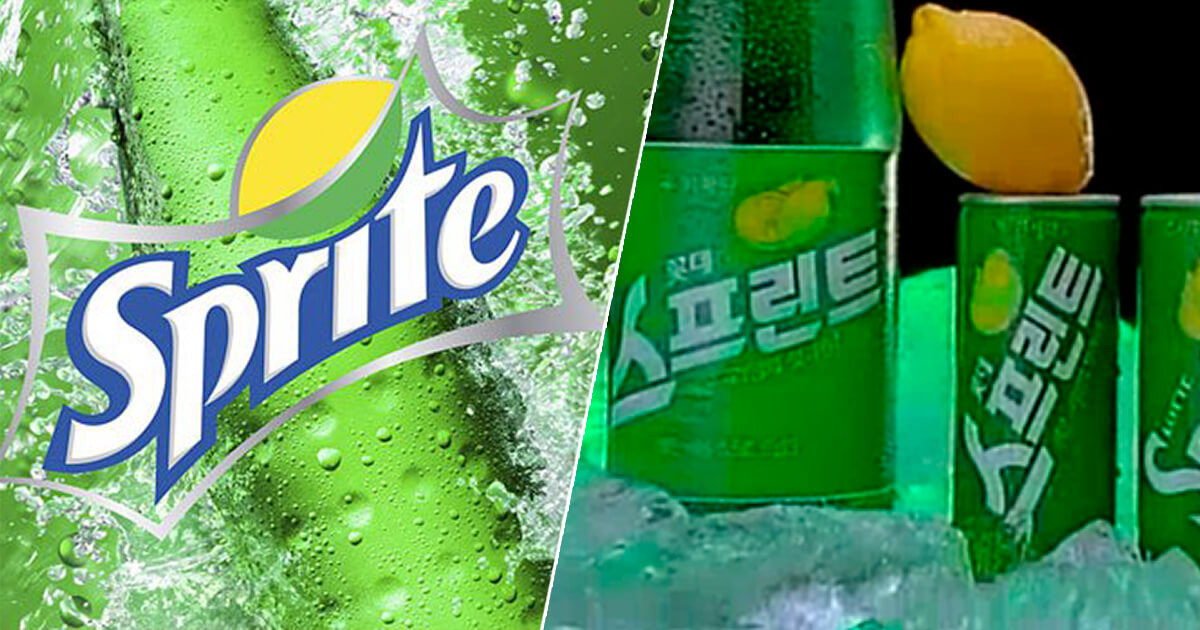
The name was ‘Sprint.’ But in reality, this can was a decoy product aimed squarely at Coca-Cola’s ‘Sprite,’ which was scheduled to land in the Korean market that year. It is said that even before the real product hit the shelves, consumers mistook this fake for Sprite, tasted it, and concluded, “It’s nothing special.”
With this single ambush—a maneuver rarely seen in the history of global beverage wars—the global giant Coca-Cola was unable to gain a foothold in the Korean market for quite some time.
To uncover the roots of this espionage-like event, we must go back another 100 years.
It begins with the fact that the name ‘cider’ itself did not originally refer to the drink we know today.
The Name ‘Cider’ Was Originally Alcohol
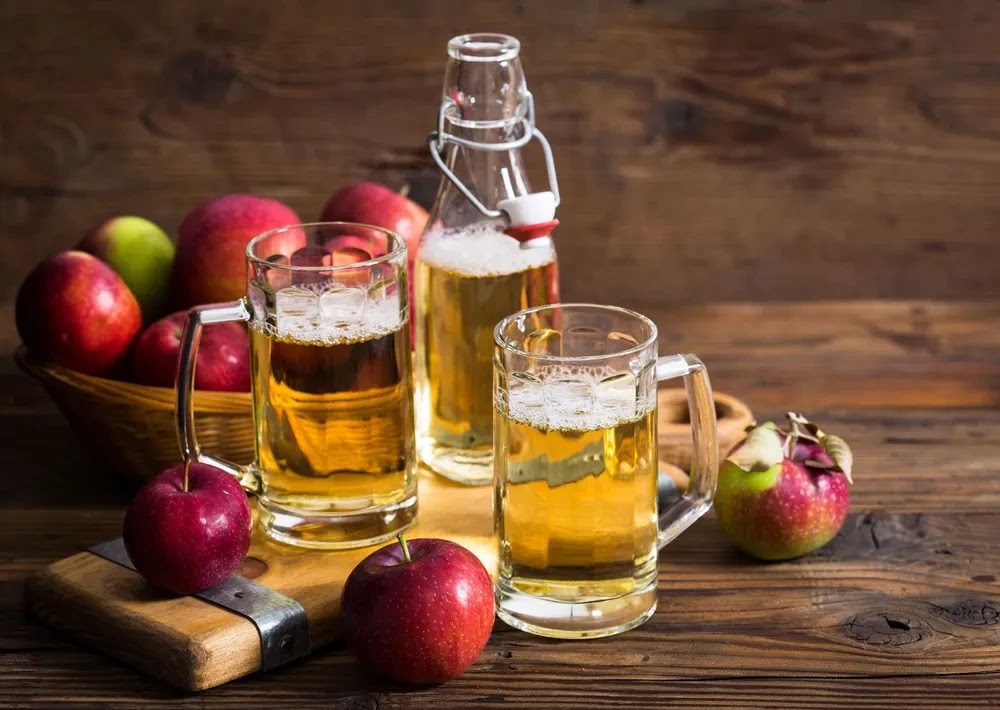
In Europe, ‘cider’ refers to a golden alcoholic beverage made from fermented apples. The word stems from a Latin term meaning ‘strong drink.’
It wasn’t until the mid-19th century, when Western culture was entering East Asia via Japan, that this word came to describe the clear, carbonated soft drink we enjoy now.
A British merchant in Yokohama, Japan, began selling a mixture of carbonated water and flavoring under the name ‘Champagne Cider.’ This was shortened to ‘Cider’ (サイダー), and this new meaning of the word made its way to the Korean Peninsula via Japan. The ‘cider’ we drink is not just a simple misunderstanding, but a relic of an era when Western culture flowed through Japan.
Korea’s First Cider Was Born in Incheon
It was 1905, in the open-port city of Incheon. A Japanese businessman named Hirayama Matsutaro established the ‘Incheon Carbonated Water Manufacturing Plant’ and began producing the Korean Peninsula’s first cider, ‘Star Brand (星印標) Cider.’ Because of the star shape in the center of the label, people called it ‘Star Cider.’
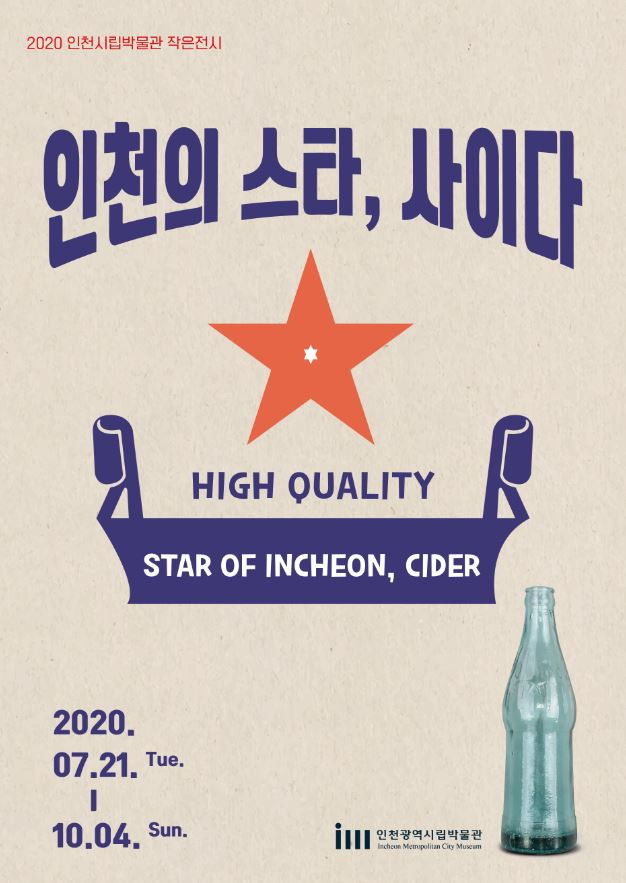
With its tangy sweetness and refreshing sensation, Star Cider became a sensational hit, and records show that it was even advertised on the front of trains on the Gyeongin Line.
This legacy of the ‘star’ continued with the ‘Star Cider’ of Gyeongin Joint Beverage in 1937,
and it became a cultural phenomenon, spawning the famous catchphrase by comedian Seo Young-chun: “Even if cider floats in the sea off the coast of Incheon, you can’t drink it without a cup!”
Chilsung Cider: The ‘National Cider’ Created by Seven Refugees
In 1949, in Seoul, amidst the pain of liberation and division, seven refugees from the North decided to “make cider with our own hands” and established the ‘Dongbang Soft Drink Company.’ Inspired by the fact that the seven founders all had different surnames (Choi, Park, Jang, Ju, Jeong, Kim, Woo), they named it ‘Chilsung’ (七星), meaning ‘Seven Stars.’ It was as if the star symbol that began in Incheon had been carried on as Seven Stars.
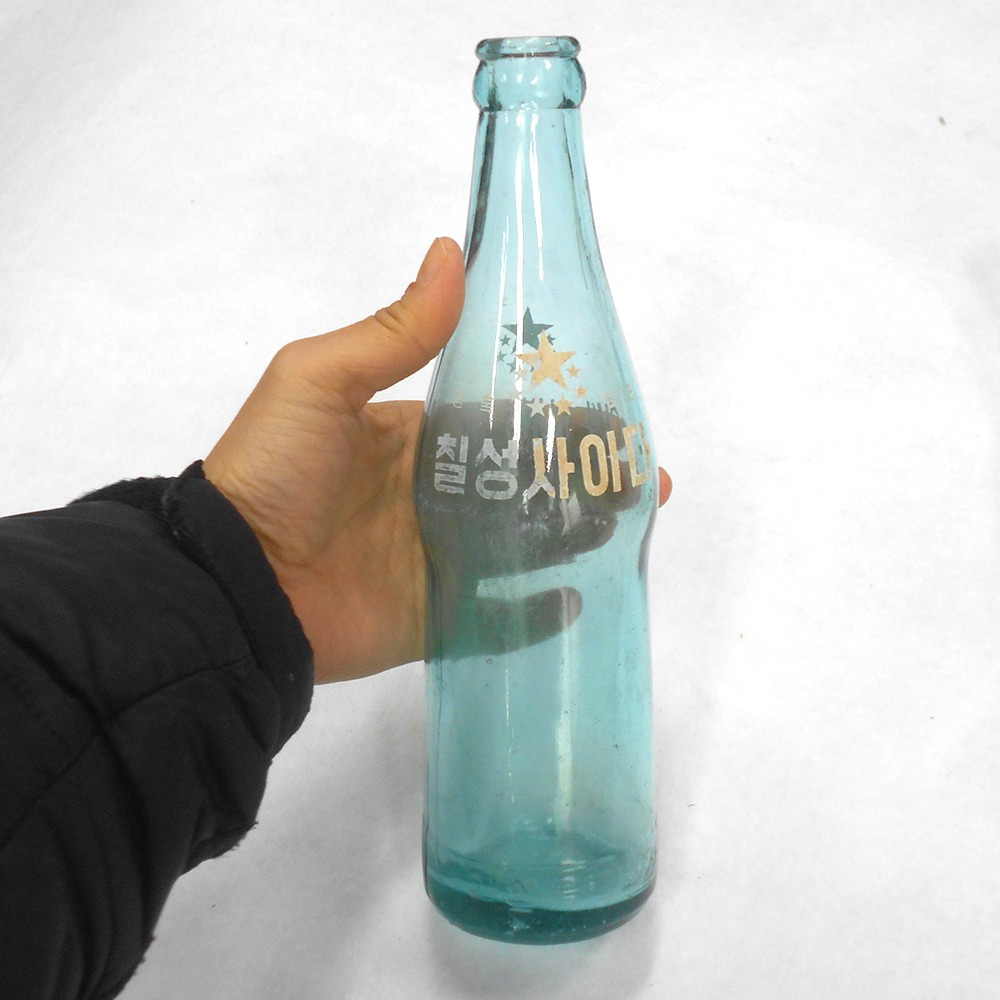
Although the first product was released on May 9, 1950, the factory had to shut down just over a month later due to the Korean War.
Rising from the ruins of war, Chilsung Cider seeped into the lives of Koreans as the refreshing feeling of a public bath, the refreshment of holidays, and a digestive aid sought after indigestion. (The fact that it held an 80% market share in the domestic cider market as of 2015 shows that the nickname ‘National Cider’ was no exaggeration.)
Sprite Was a Strategic Coca-Cola Product From the Start
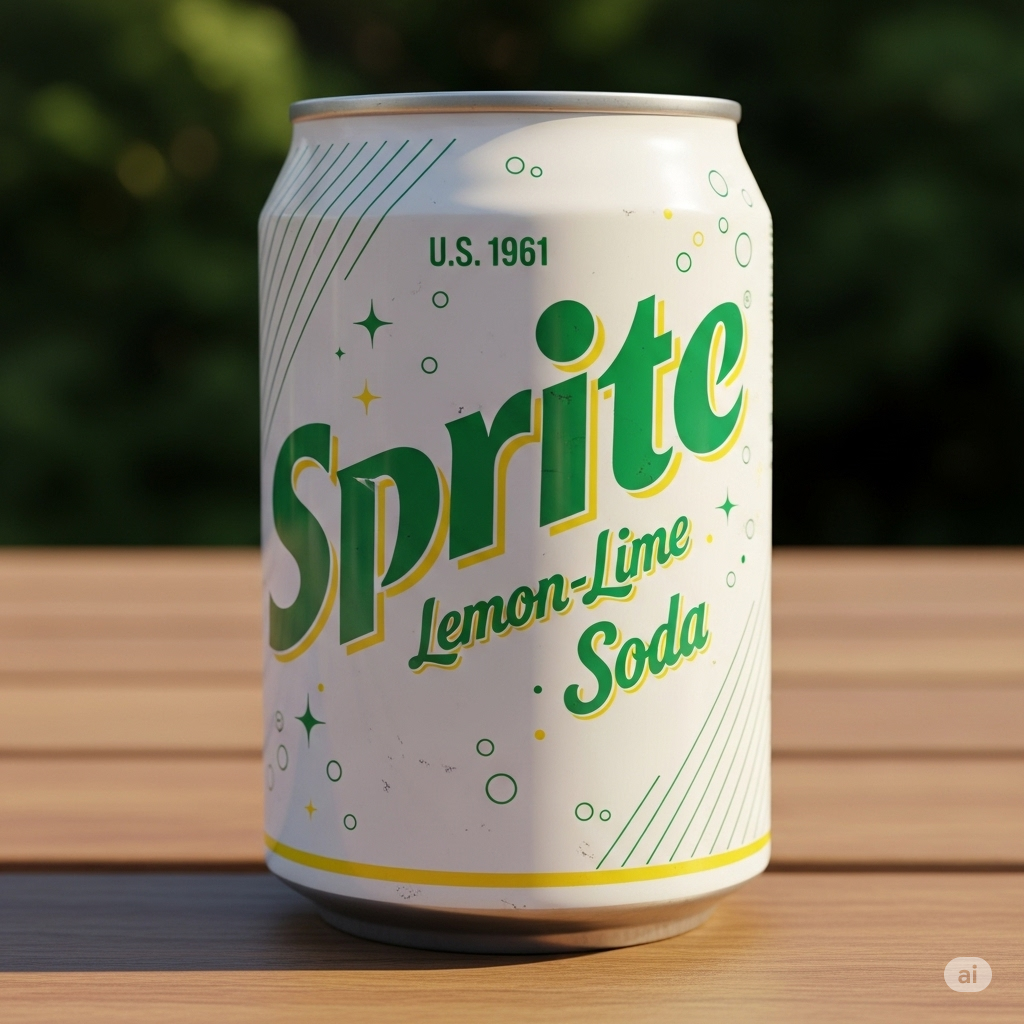
At the same time, on the other side of the globe, the ‘Cola War’ was in full swing. Coca-Cola needed a weapon to keep the lemon-lime soda market leader, ‘7 Up,’ in check, and the answer was ‘Fanta Klare Zitrone’ (Clear Lemon Fanta), developed in West Germany in 1959. This drink landed in the US market in 1961 under the name ‘Sprite,’ which refers to a spirit of water or air.
If Chilsung Cider was a ‘creation’ born from the aspirations of refugees,
Sprite was the product of meticulous ‘corporate strategy’ aimed at market dominance.
From the late 1980s, it teamed up with subcultures like hip-hop and basketball, using the provocative slogan “Obey Your Thirst” to instantly emerge as a symbol of ‘cool.’
1992: The ‘Sprint’ Operation That Sniped Sprite First
In 1992, Sprite, having conquered the Asian market, finally landed in Korea.
Lotte Chilsung, which held the ‘National Cider’ Chilsung Cider, executed a tactic rarely seen in the history of global beverage wars.
They launched ‘Sprint’ first, an imitation product that resembled Sprite in name, design, and taste.
According to industry lore,
Lotte Chilsung intentionally made the taste somewhat lackluster.
They paired this with a powerful distribution network to flood the country with Sprint before Sprite could even hit the shelves.
There was a structural reason this operation worked. The distribution network connecting supermarkets and local corner stores was a barrier to entry in itself, and no matter how much capital a foreign company had, they couldn’t penetrate that dense web overnight.
Ultimately, consumers mistook Sprint for Sprite, tasted it, and reached the disappointing conclusion that it was “nothing special,” leading Sprite to withdraw from the Korean market without ever really getting to fight. It is a legendary case of guerrilla warfare where the local champion’s distribution network defeated the capital of a global giant.
When Sprite returned years later, it changed its strategy. Instead of trying to steal the ‘National Cider’ crown, it built a new, trendy territory of its own by featuring the most ‘hip’ artists of the time, such as Chungha and Jay Park.
The Zero-Calorie Era: Chilsung Cider and Sprite Clash Again
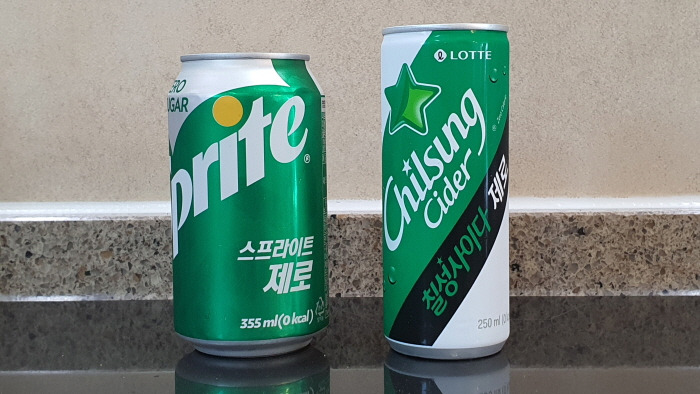
In the 2020s, the stage of the war moved to the ‘zero-calorie’ market. ‘Chilsung Cider Zero’ and ‘Sprite Zero’ have clashed again over health-conscious consumers. The tastes are subtly different. Chilsung Cider Zero preserves the original’s identity with a stronger, sharper carbonation, while Sprite Zero differentiates itself with a relatively sweeter and smoother taste.
This battle is also confirmed by the numbers. [According to a Nielsen Korea survey in January 2025, the market share of zero-sugar carbonated beverages was 29.7%, a significant jump from 16.3% in 2022. Lotte Chilsung Beverage surpassed 3 trillion won in sales for the first time, led by its zero-beverage and liquor lineup, with zero-carbonated sales alone increasing by 10% year-on-year to exceed 300 billion won. The showdown between the national cider and the global challenger is now continuing under the name ‘Zero.’]
Chilsung Cider vs. Sprite: What’s the Difference?
Table: Comparison of the birth backgrounds and identities of Chilsung Cider and Sprite
| Category | Chilsung Cider | Sprite |
| — | — | — |
| Birth | 1950, Seoul, South Korea | Developed in West Germany in 1959 / Launched in the US in 1961 |
| Origin Story | A symbol of a comeback sparked by refugees during the war | A strategic product for Coca-Cola to keep 7 Up in check |
| Core Identity | ‘National Cider’, clear and pure, nostalgia | Youth, ‘cool’, icon of hip-hop/street culture |
| Key Slogan | “Clear and Pure” | “Obey Your Thirst” |
| Defining Moment | Market leader for over 70 years, became a cultural icon | Withdrew after the 1992 ‘Sprint’ incident, then strategically re-entered |
A drink that had its name stolen, and a drink that tried to steal the market with just a name. The 120-year history of these two carbonated waters is, in itself, a history of marketing warfare. And this war is still ongoing, having changed its name to ‘Zero-Calorie.’