
A Strange and Fascinating Story Encapsulated in a Piece of Nail
- We explore how the ‘Shinchebalbusujibumo’ philosophy influenced our ancestors’ nail care.
- We understand the chilling warning of the ‘rat transformation myth’ that steals identity.
- By comparing diverse nail customs from ancient Egypt to Norse mythology, we gain a broader perspective.
The Concept of Filial Piety in Hair and Nails
The topknot of a Joseon scholar was not just a hairstyle. The teachings of the ‘Shinchebalbusujibumo (身體髮膚 受之父母)’ emphasized that every piece of nail and strand of hair was a gift from parents, a philosophy that transcended time. This is why they did not cut their hair, resisted the short haircut decree with their lives, and viewed body tattoos as a grave sin.
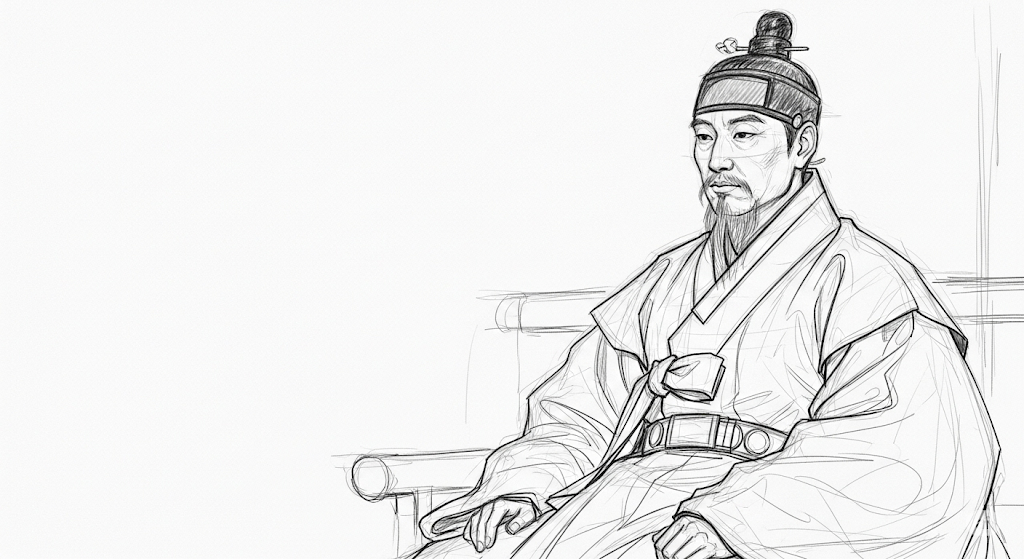
So, how did they handle the inevitably growing nails and toenails? The way they dealt with this small body part gives us a glimpse into the filial piety, lives, and fears of people in the Joseon era.
Part 1: The Dilemma of Joseon, Filial Piety Encapsulated in a Piece of Nail
Practicality and Affection in Grooming
Despite the ‘Shinchebalbusujibumo’ philosophy, it was natural to clip nails for hygiene and convenience. Adults used scissors or small knives, but it is said that mothers carefully bit off their babies’ nails with their own teeth. This reflects the deep affection known as ‘Podoji Jeong (葡萄之情)’, fearing that sharp tools might hurt the baby.
The Ritual of Disposal: The Final Journey of Nails
The key to nail care in the Joseon era was the treatment after clipping. Nail clippings were never carelessly discarded; they were meticulously collected and either burned or buried. It was a ritual that respected a part of the body.
In the late Joseon period, the practical scholar Seongho Lee Ik (星湖 李瀷) left a ’nail inscription (爪甲銘)’ requesting that his lifelong collected nails and toenails be placed in his coffin before his death. His will to return the body he inherited from his parents in its entirety shows that the treatment of nails was a deeply philosophical act inherent even among intellectuals of the time. This notion of even discarded body parts being considered ‘a part of oneself’ opens the door to strange stories where nails become objects of fear.
Part 2: The Doppelgänger in the Shadows, Nails and the Rat Transformation Myth
Chilling Warning: The ‘Rat Transformation Myth’
The taboo of ’not clipping nails at night’ was concretized in the chilling tale of the ‘rat transformation myth (진가쟁주 설화)’.
One night, there was a young scholar who ignored a monk’s warning and carelessly discarded his nails anywhere. When he returned home after studying, he found a fake version of himself pretending to be the real one. The real scholar was treated as a madman and chased away. In despair, he sought the monk, who gave him a cat. When the scholar entered his house holding the cat, the fake screamed and died, leaving only the corpse of a giant rat behind. The rat had eaten the discarded nails and transformed into the scholar.

The Essence of Fear in the Myth
The true horror of this myth is not the monster but the ’loss of social identity’. Being denied even by family was a punishment worse than death. This reflects the magical thinking that nail clippings contain the owner’s essence, demonstrating sympathetic magic.
Interestingly, this resonates with the modern fear of ‘identity theft’, where one’s information can be stolen and life completely taken away. While technology has changed, the instinctive fear of losing one’s existence to others seems unchanged.
Part 3: Echoes of the World, Imagination of World History Encapsulated in Nails
It is not just us who have attributed special meaning to nails. Across the globe, nails have symbolized power, magic, and fear.
- Ancient China: Nobles grew long nails and wore elaborate protective gear called ‘Hozhi (护指)’ to show they did not engage in manual labor.
- Ancient Egypt: The color of nails indicated social status. Royals like Cleopatra wore deep red, while lower classes were only allowed lighter colors.
- Medieval Europe: To prevent witch curses, they created ‘Witch Bottles’ containing hair and nail clippings, believing nails acted as bait to trap magic.
- Norse Mythology: It was prophesied that during the world’s end ‘Ragnarok’, a ship made of the dead’s nails, ‘Naglfar (纳格法尔)’, would carry the army of chaos. Properly disposing of nails was seen as a cosmic duty to delay the world’s destruction.
Comparison of Nail Customs Worldwide
| Civilization / Region | Major Customs or Beliefs | Symbolic Meaning |
|---|---|---|
| Joseon Korea | Collected nails to burn, feared rats eating them. Dyeing nails with balsam flowers. | Filial piety, prevention of doppelgängers, exorcism of evil spirits, beauty and hope. |
| Ancient China | Nobility grew long nails and used ‘Hozhi’. | Status of the upper class, wealth, leisure. |
| Ancient Egypt | Dying nails with henna, color indicated class. | Strict social hierarchy, vitality and power. |
| Ancient Babylon | Warriors colored their nails, color indicated class. | Military rank, intimidation against enemies. |
| Medieval Europe | Placed nail clippings in ‘Witch Bottles’ to ward off curses. | Counter-magic, body part imbued with essence. |
| Norse Mythology | Believed the ship ‘Naglfar’ made of dead’s nails would bring about the end. | Cosmic responsibility, prevention of world destruction. |
Part 4: A Symbol of Hope, The Dual Faces of Balsam Flowers and Nails
Behind the fear lies a beautiful and hopeful nail custom: dyeing with balsam flowers. I also remember my grandmother crushing balsam flowers in the yard and dyeing my nails with them. I was so excited about the story that if the color remained until the first snow, my first love would come true.
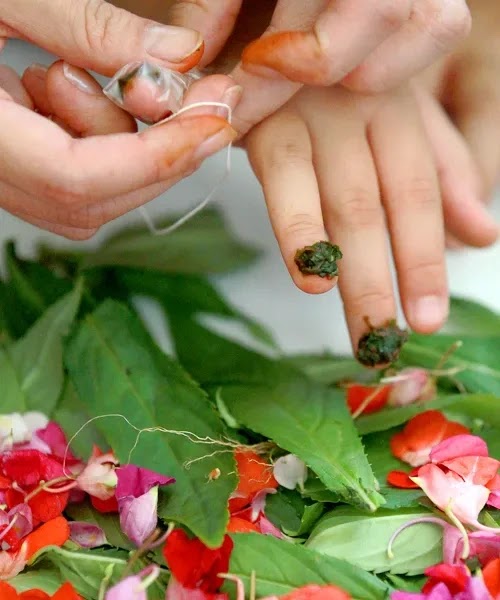
This custom had both a magical meaning that red chased away evil spirits and a beauty purpose. Nails detached from the body were a source of uncontrollable danger, but nails attached to the body became a canvas of hope and beauty.
Conclusion: More Than Simple Keratin, The Cultural History Encapsulated in Nails
Following the stories intertwined with seemingly trivial nails reveals the philosophy and worldview of an era.
-
Key Summary:
- Nails in the Joseon Era: Sanctified according to the filial piety of ‘Shinchebalbusujibumo’, treated with rituals of burning or burying instead of being discarded carelessly.
- Duality of Fear and Hope: Discarded nails became a medium of fear threatening identity, as seen in the ‘rat transformation myth’, while attached nails symbolized hope and beauty through balsam flower dyeing.
- Global Symbol: Nails have been important symbols carrying various cultural meanings regarding status (China, Egypt), magic (Europe), and cosmic mythology (Norse) throughout history.
Now, would you take a moment to look at your hand? How about recalling the vast story of humanity encapsulated in this small piece the next time you clip your nails?