The Watcher in My Hand, the Reconstruction of Big Data
phoue
•7 min read•--
Me Reflected in the Mirror, and the Shadow
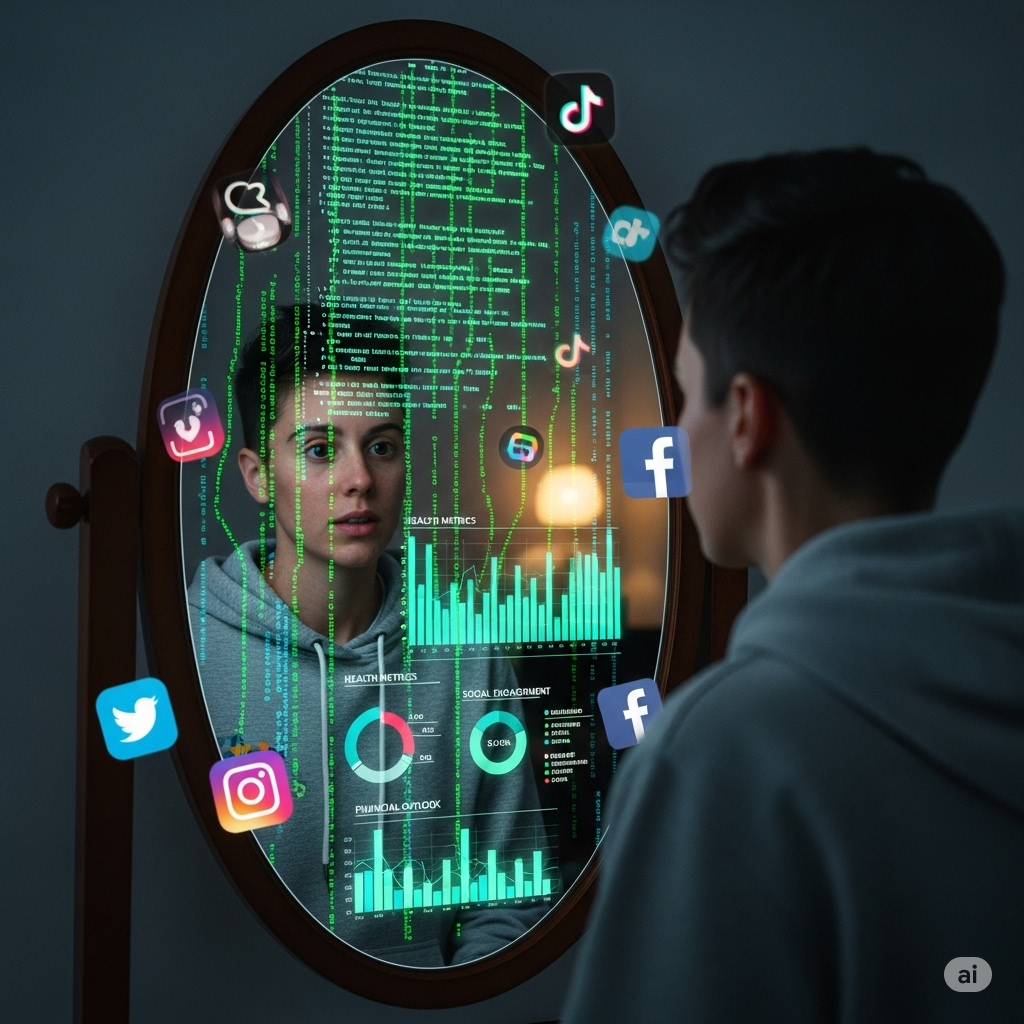
Last night, I chatted with a friend via message about “How about camping this weekend?” Yet, this morning, my Instagram feed is filled with ads for the latest tents and camping gear. It feels like a magical mirror that sees right through my thoughts. This astonishing convenience leaves us in awe. But what if that mirror only reflects what I want to see while recording everything about me and even planning my next actions in unseen ways?
An image of a person looking into a mirror, but instead of their reflection, they see codes and data points about their life, with social media app logos floating around them.
The chilling shadow behind that convenience is where our new story begins. We are now at a time when we must question whether technology reflects us or if we are trapped within its frame in the vast room of the “big data” mirror.
# The Birth of New Power
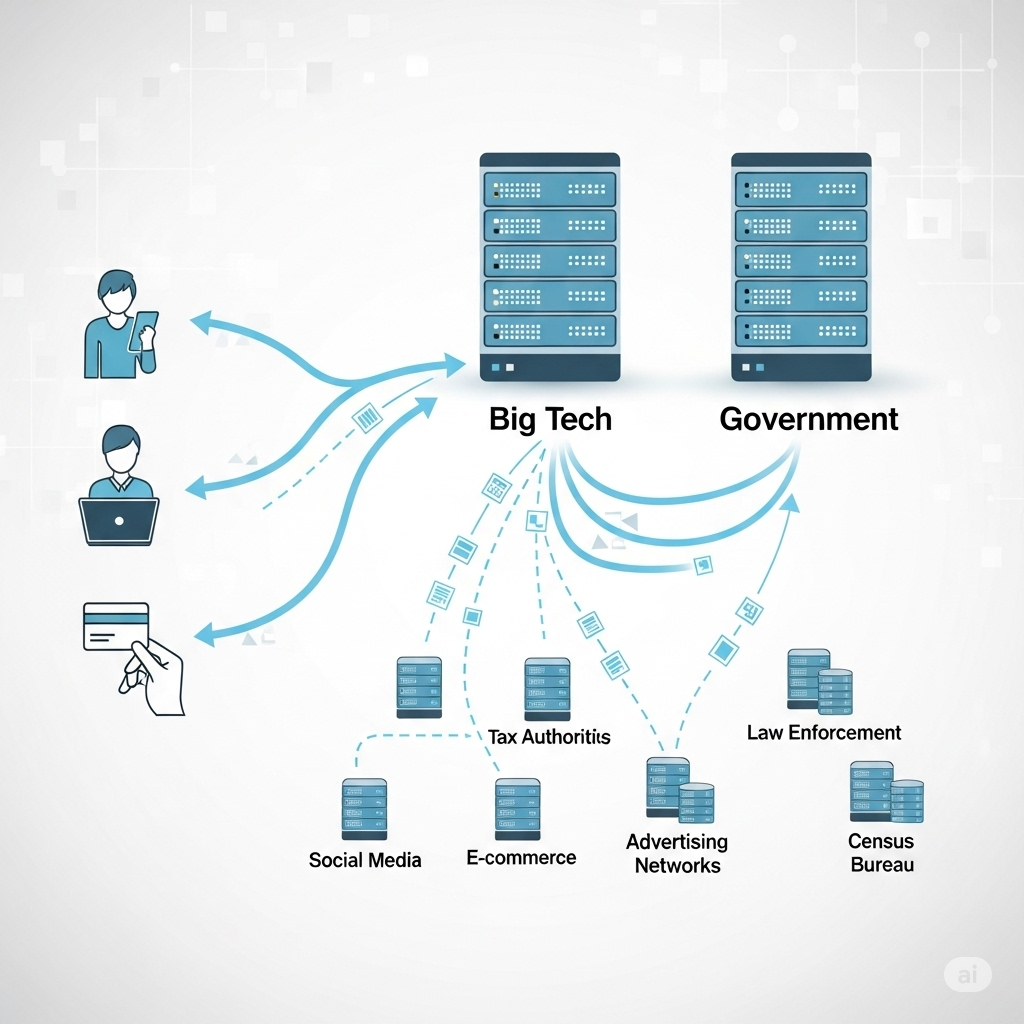
We are the first generation to leave digital records from birth. From morning alarms to the last video before sleep, every choice and action, even the time spent hesitating in front of a product, becomes data. These fragments, once scattered without meaning, have now become powerful resources in the hands of corporations and authorities, allowing them to understand our preferences, relationships, and beliefs, and predict the future.
A diagram showing data flowing from individuals (using mobile phones, laptops, credit cards) to a central server labeled 'Big Tech' and 'Government'.
This is not merely a marketing issue to sell products better. The monopoly of data creates a new form of power imbalance. The world is divided into those who have information and those who do not, those who design algorithms and those who act accordingly. In exchange for this convenience, we may be mortgaging our most precious “autonomy” and “freedom of choice”.
## The Evolution of Surveillance: Past, Present, and Future
Big data surveillance is already reconstructing our lives on multiple levels.
Reconstruction of the Past (Political Manipulation):The 'Cambridge Analytica' scandal The 2016 U.S. presidential election marked the beginning with the ‘Cambridge Analytica’ scandal. Through a personality quiz app on Facebook, data from millions was collected without their knowledge. This data was used to create ’targeted’ political ads that exploited individual psychological weaknesses. For instance, ads that instilled fear of immigrants were shown to those anxious about change, while messages emphasizing ‘strong leadership’ were focused on those with authoritarian tendencies. My past ’likes’ became a weapon manipulating me, shaking the foundations of democracy.
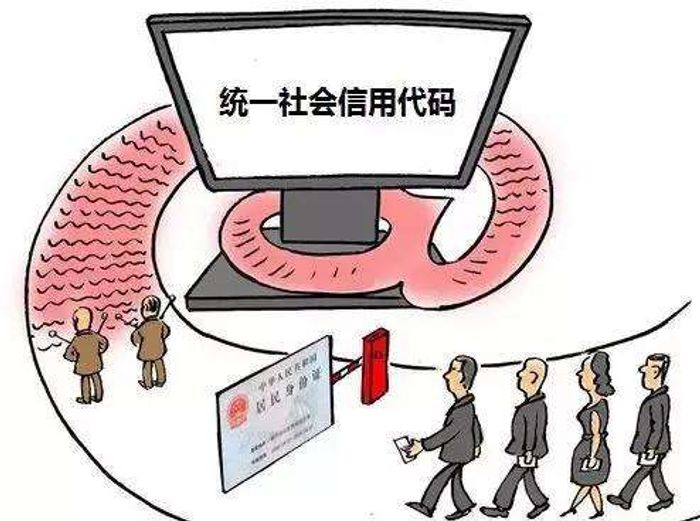
Current Control (Social Surveillance):China's social credit system China’s ‘social credit system’ is no longer science fiction. Imagine waking up in the morning, jaywalking, and having a nearby CCTV instantly recognize your face, deducting 5 points from your social credit score. With a lower score, you are denied the ability to book high-speed train tickets that were available just yesterday due to ‘insufficient credit rating’. Conversely, buying government-recommended books or paying utility bills on time increases your score, lowering loan interest rates. In this society, every action of citizens is scored, and that score determines individual opportunities and freedoms. This dystopian reality evaluates personal lives through a single metric of data, placing society under a massive control system.
Future Subjugation (Prediction and Discrimination):Predictions about an unrealized future Now, big data is peering into our futures. Let’s hear the story of ‘Sarah’, a recent graduate. She has a clean credit record and secured a job, yet she was rejected for a rent loan. She didn’t know why. In fact, the bank’s AI classified her as a ‘high-risk customer for future defaults’ based on the fact that one of her social media friends had bad credit, her habit of ordering food delivery at dawn (considered an irregular lifestyle), and her frequent reading of stress-related articles. A ‘prediction’ about a future that hasn’t happened yet became a ‘stigma’ blocking Sarah’s possibilities.
# Five Innovative Proposals for Reclaimed Sovereignty
The phrase “I have nothing to hide” is no longer valid. Privacy is not a right for those with something to hide; it is a fundamental condition for humans to think freely, make mistakes, and grow without interference. Instead of feeling powerless in the face of the massive flow of technology, we need to actively imagine ways to reclaim our rights. Here are five innovative ideas that go beyond existing methods.
## 1. My Digital Twin: ‘Data Chameleon’
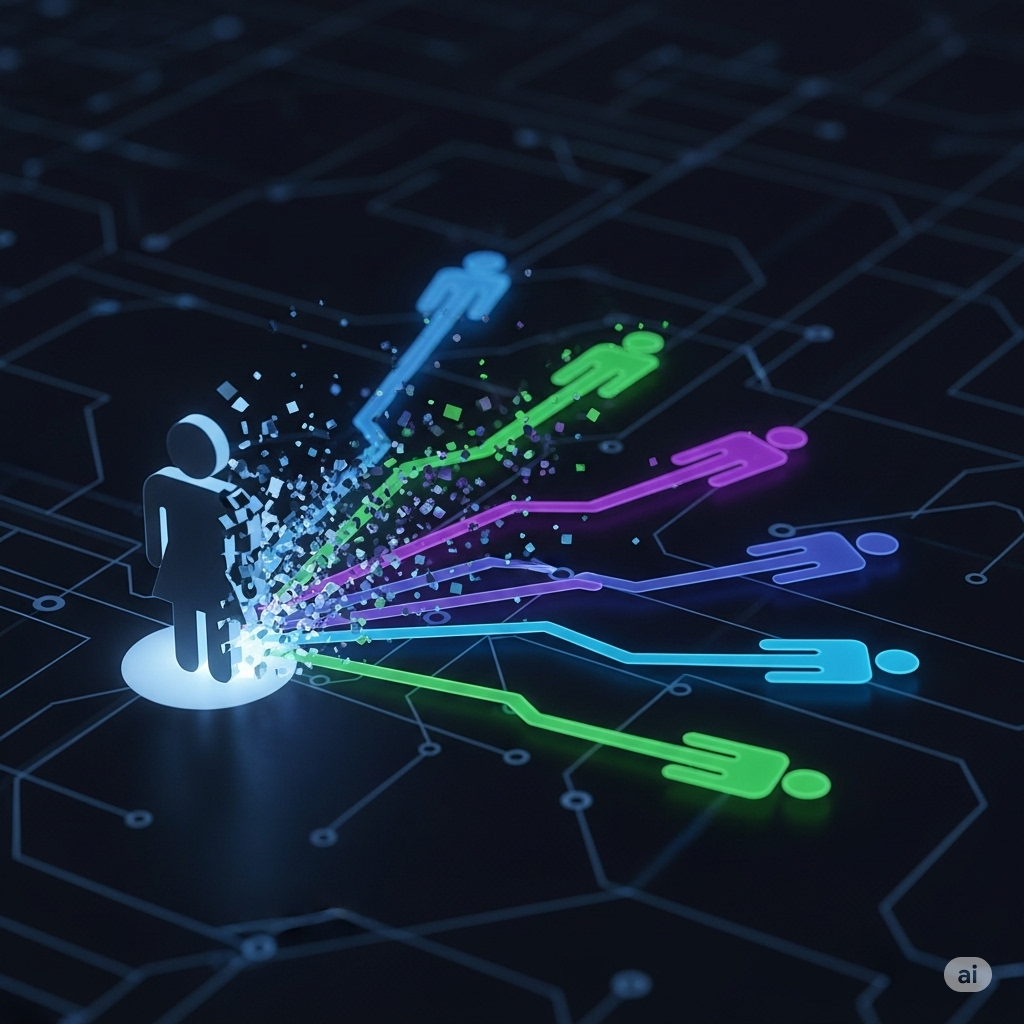
Instead of hiding data to avoid surveillance, how about disrupting it instead? The ‘Data Chameleon’ is a service that generates plausible but false virtual data based on my actual activity patterns and sends it online. If I am interested in camping, it simultaneously generates data about fishing, hiking, surfing, and even knitting, making it difficult for algorithms to pinpoint my true preferences. This will create a defense mechanism that fundamentally makes tracking difficult and protects my ‘digital anonymity’.
An image of a person's icon splitting into multiple shadow figures, each moving along different online paths to confuse tracking algorithms.
## 2. Data as My Asset: ‘Personal Data Vault’ and Unions
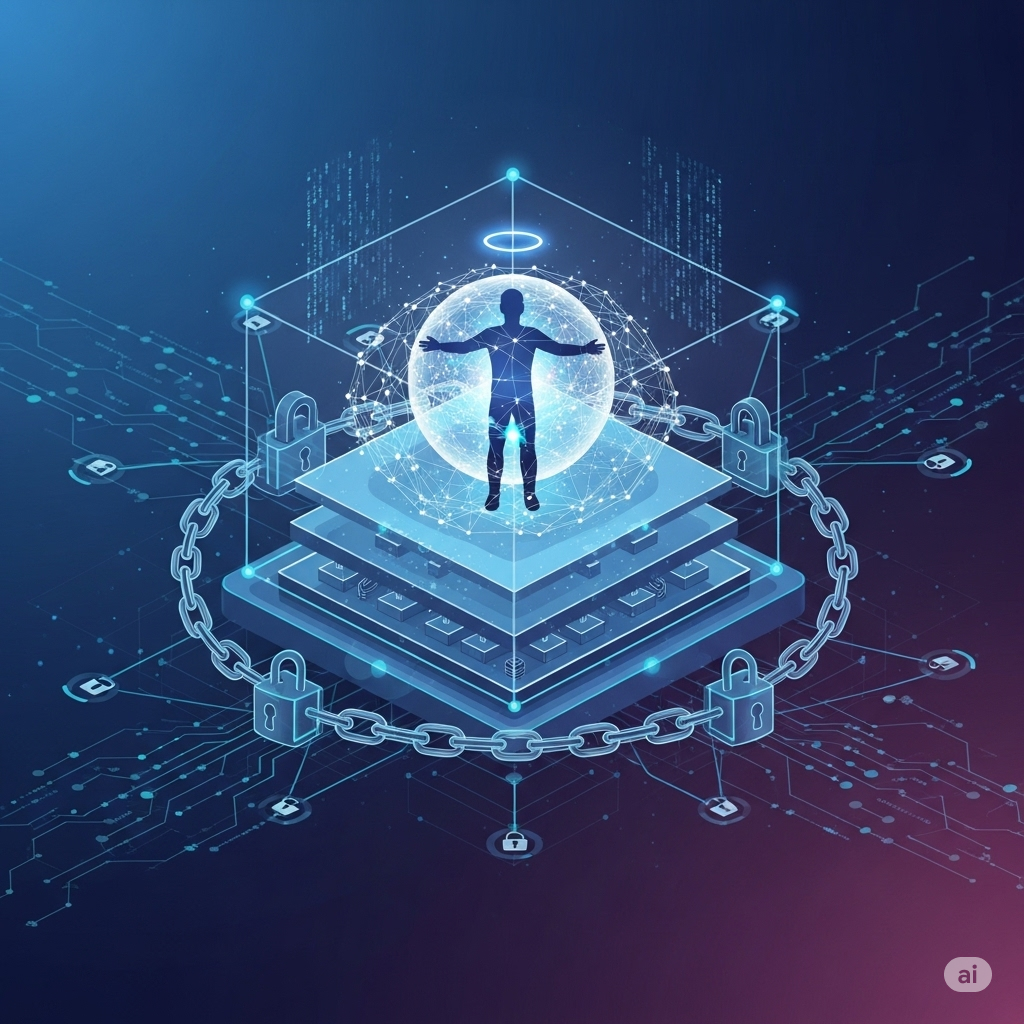
This model stores my data not on corporate servers but in a ‘Personal Data Vault’ encrypted with blockchain technology, where ownership and control are entirely held by individuals. Corporations must obtain my permission and pay a fair price to use my data. Furthermore, individuals can form ‘Data Unions’ to negotiate data provision with large corporations on equal footing. This is a revolutionary attempt to shift the paradigm of the data economy from a corporate-centric to an individual-centric model.
A model where ownership and control of a 'Personal Data Vault' encrypted with blockchain technology are entirely held by individuals.
## 3. Risk at a Glance: ‘Data Nutrition Label’
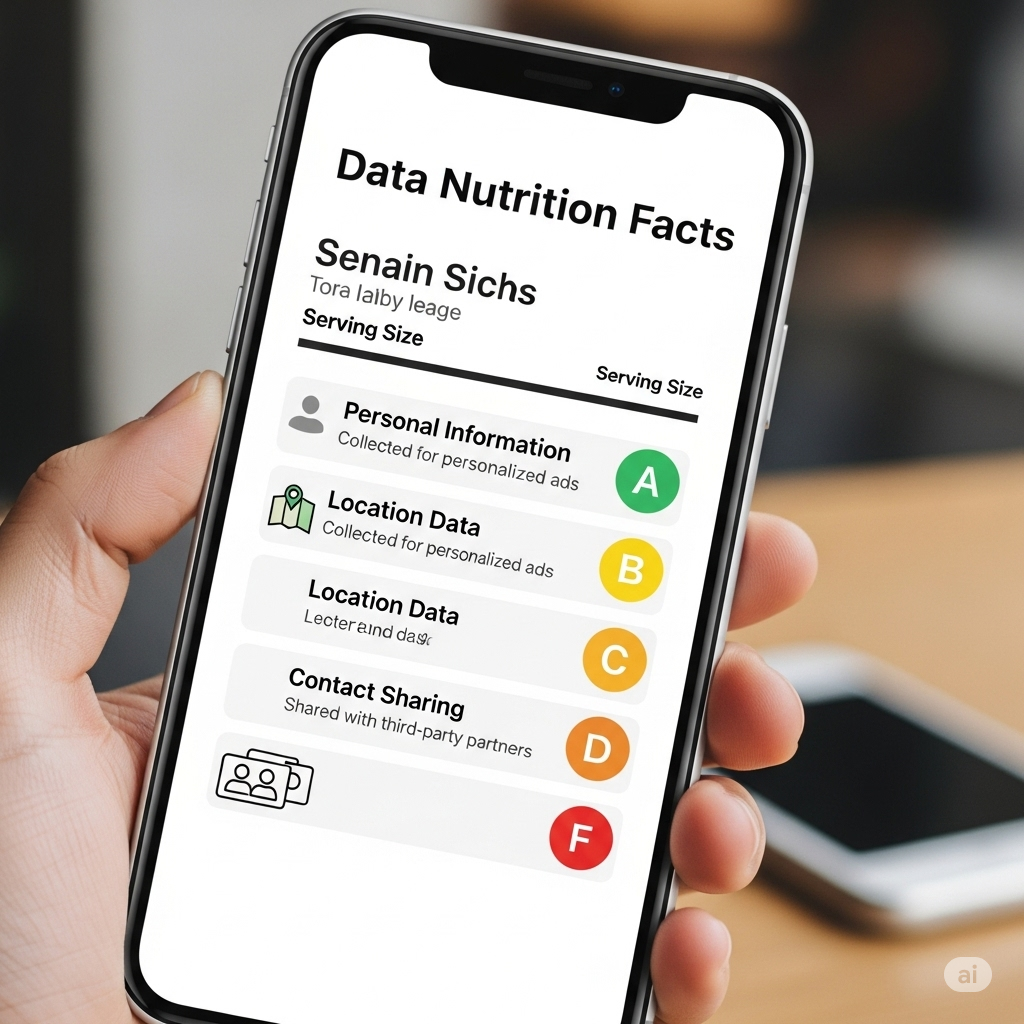
Just as we check nutrition labels when buying food, we should mandate ‘Data Nutrition Labels’ on all apps and services. These labels will display information such as what personal data is collected (collection items), where it is used (purpose of use), how long it is stored (storage period), and whether it is shared with third parties (sharing risks) in easily understandable icons and ratings. This will enable us to make informed choices about which services to use.
A 'Data Nutrition Label' for social media apps.
## 4. Taxing Data Monopoly: ‘Data Retention Tax’
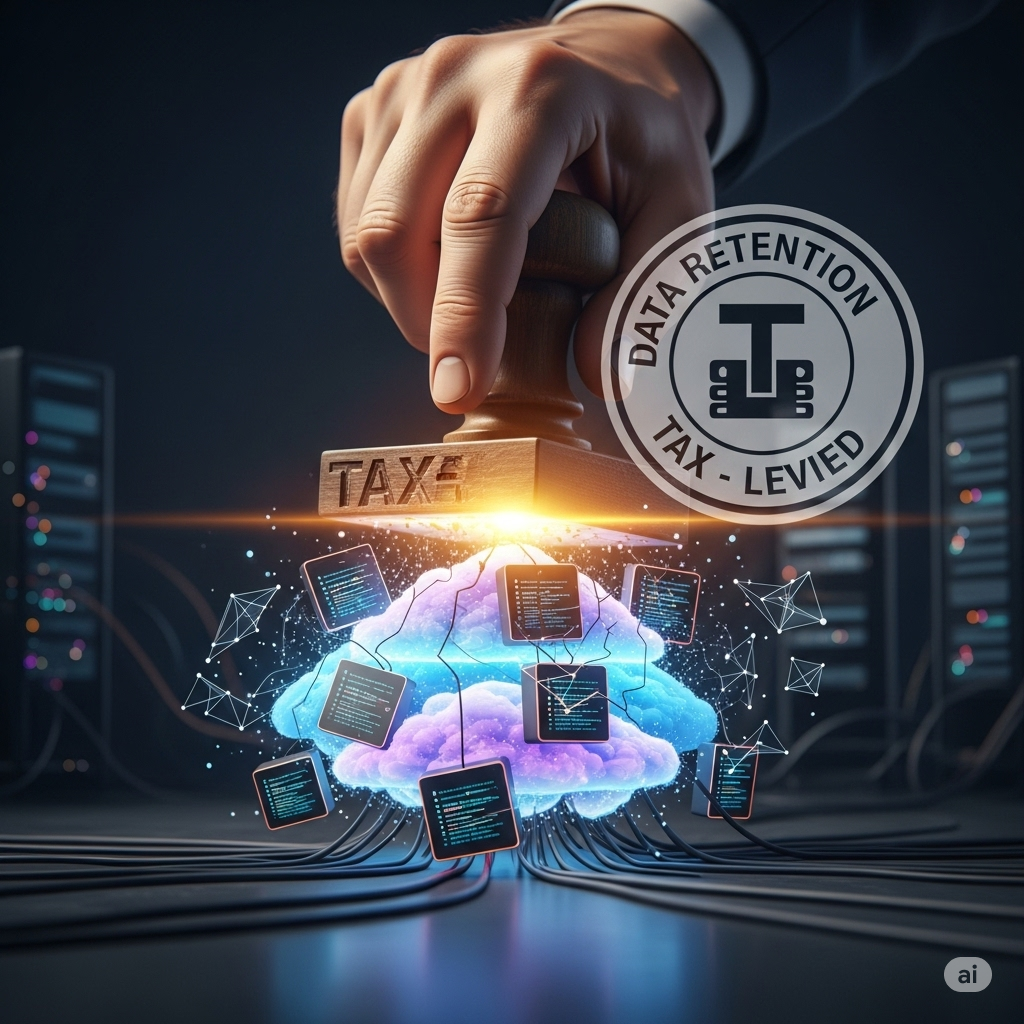
Data is often referred to as the ‘oil of the 21st century’. Therefore, just as we impose taxes on the monopolization of resources, we propose a ‘Data Retention Tax’ on companies that hold a significant amount of personal data. This could reduce the incentive for companies to indiscriminately collect and permanently store data, naturally encouraging the realization of the ‘data minimization principle’ according to market logic.
Data Retention Tax
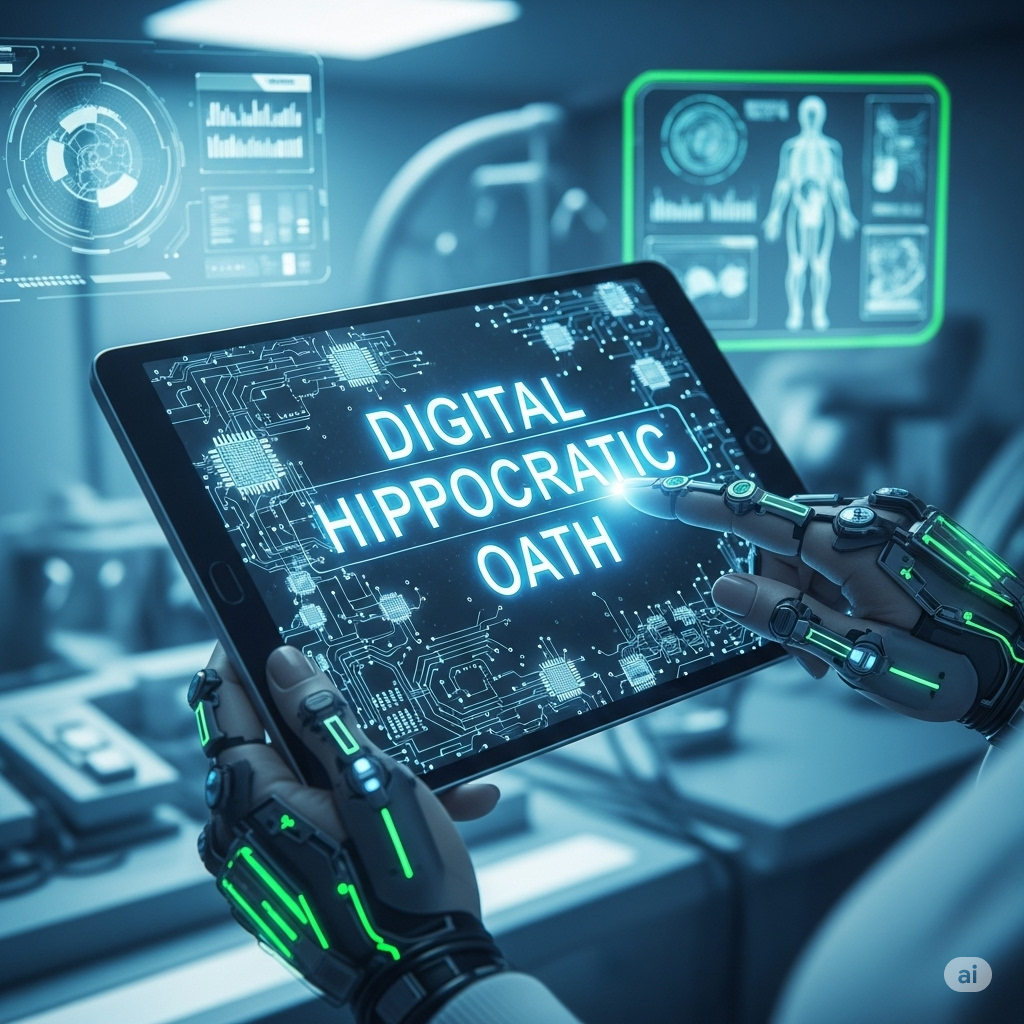
As laws and regulations struggle to keep pace with technological advancements, the ethical consciousness of developers creating technology is paramount. Just as doctors take the Hippocratic Oath, data scientists and developers should take a ‘Digital Hippocratic Oath’ stating, “I will not use my technology to infringe on human autonomy or reinforce discrimination,” making it a social movement to set this as a standard for professional ethics. This could be a fundamental solution to drive change from within technology.
Digital Hippocratic Oath
# Conclusion: Let’s Become Owners Who Never Stop Questioning
Big data and artificial intelligence technologies are powerful tools given to humanity, but they are neither inherently good nor evil. What matters is the social consensus on what values and philosophies we will develop and use these technologies.
Whether my smartphone remains a convenient ‘mirror’ reflecting me or becomes a ‘watcher’ that defines and controls me depends on our choices. The moment we stop questioning the advancement of technology, we inevitably step down from the position of owners and become slaves. Continuously questioning the values beyond convenience and imagining and demanding better directions for technology is the only way to avoid losing ourselves in front of the vast mirror of big data.